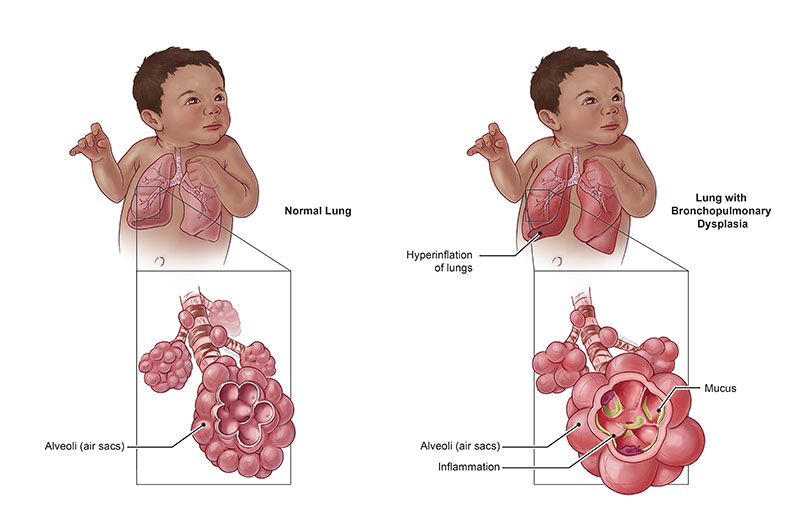

The prospect of a healthy pregnancy and a thriving child is a profound hope for expectant parents....
Month: November 2025
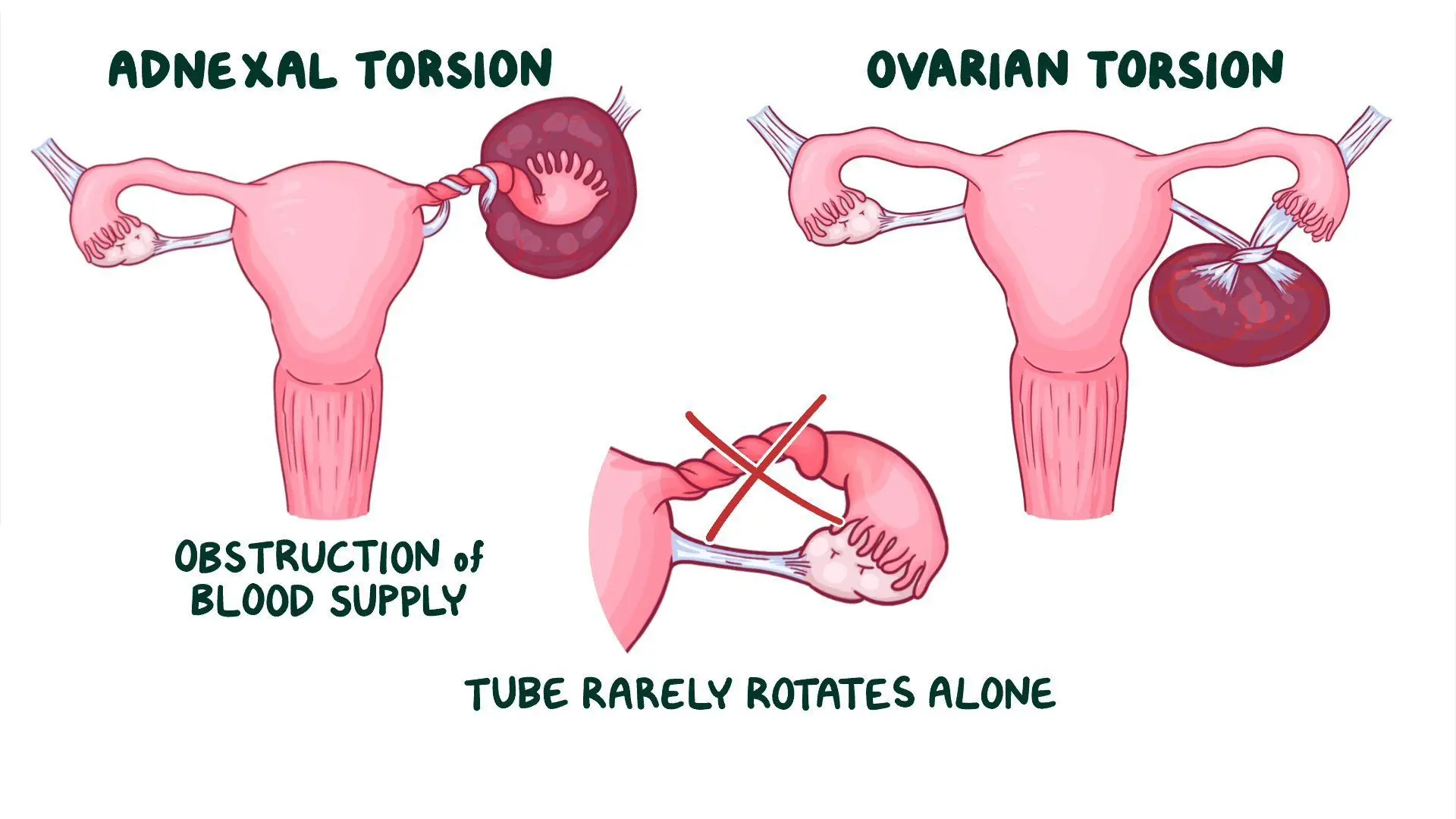
Adnexal torsion, a critical gynecological emergency, refers to the twisting of the adnexa – the ovary and...
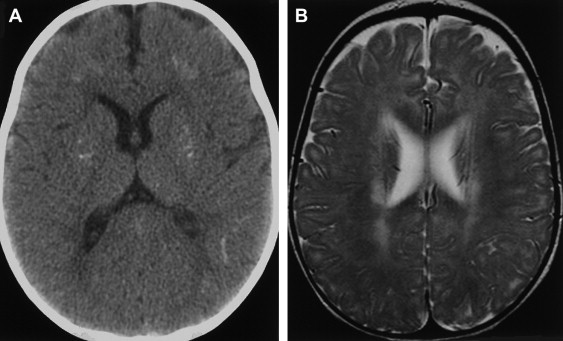
Progressive Rubella Panencephalitis (PRP) is an exceptionally rare and devastatingly fatal neurodegenerative disorder that represents a late-stage...
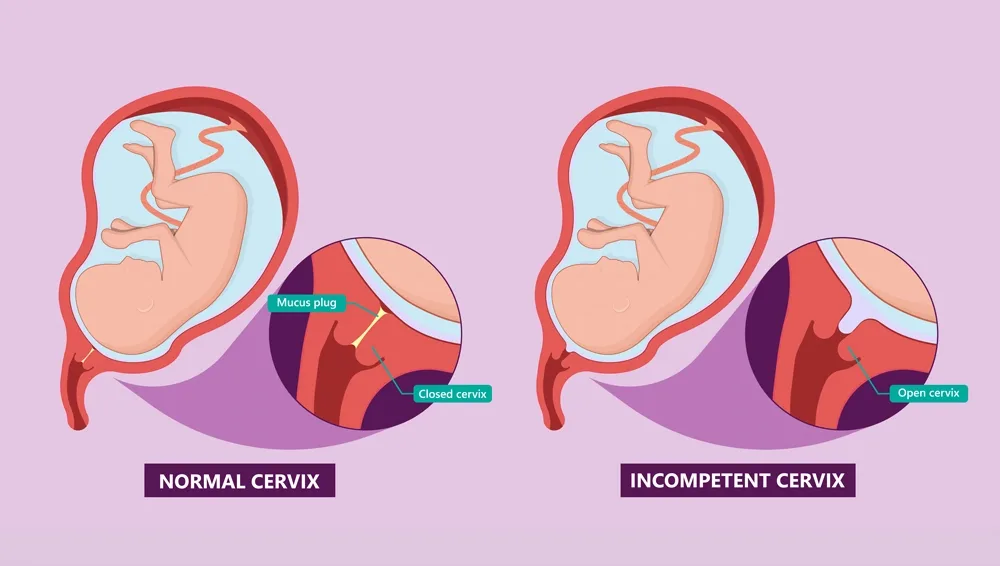
Cervical insufficiency, historically referred to as an incompetent cervix, is a complex and often distressing obstetric condition...
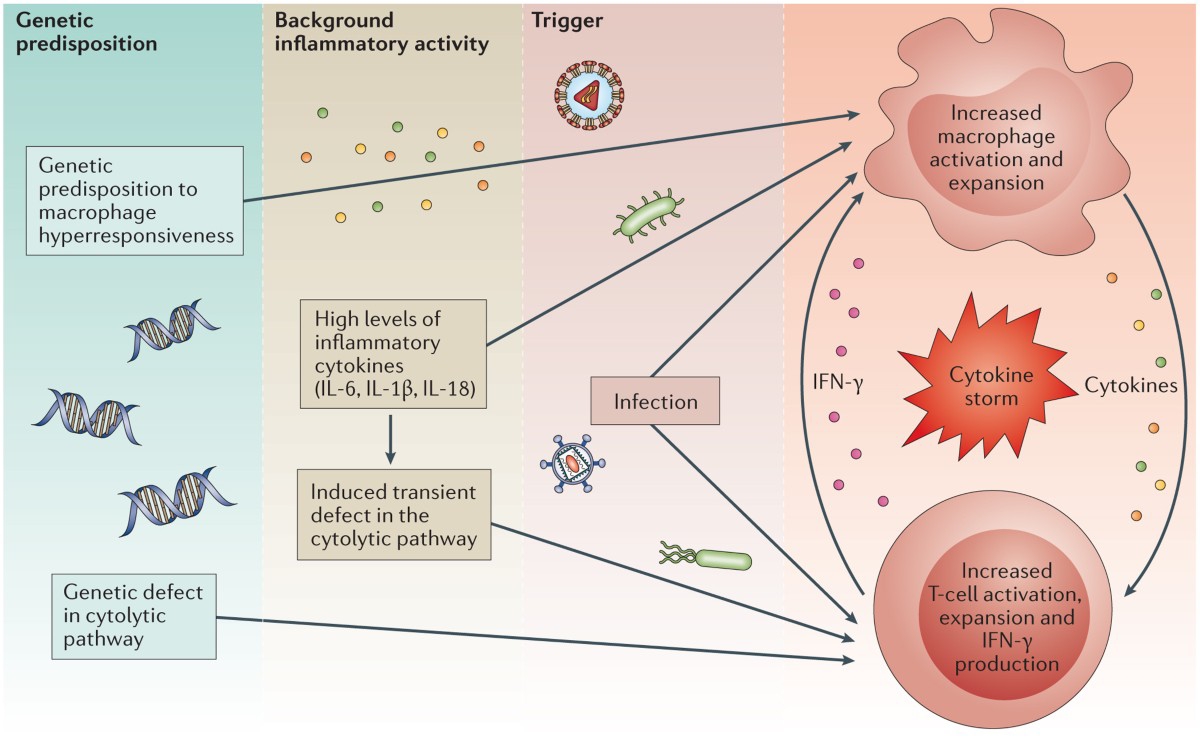
Macrophage Activation Syndrome (MAS) represents one of the most severe and life-threatening complications encountered in the field...
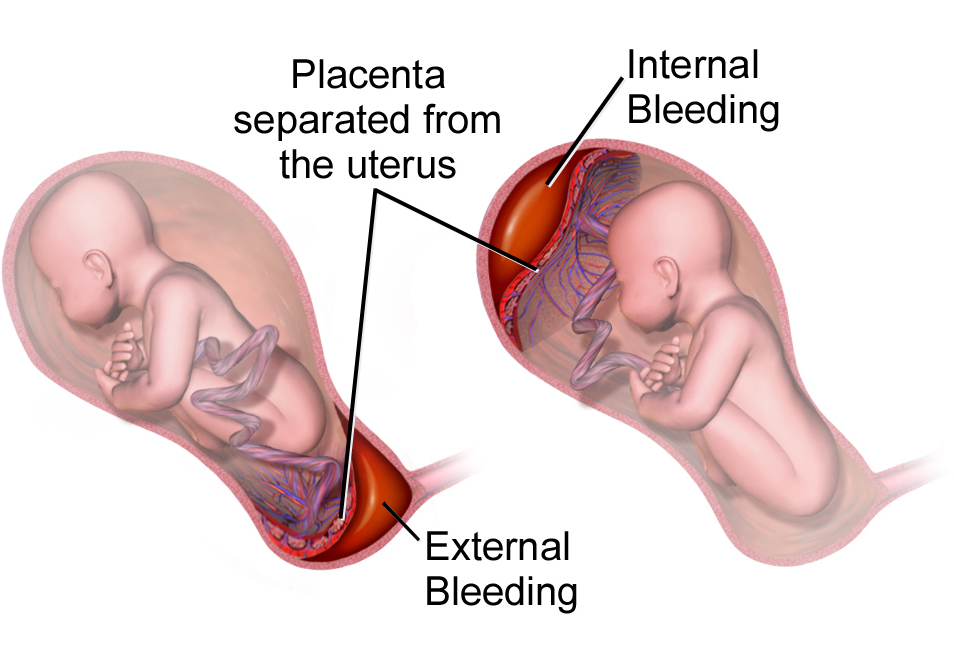
Of the potential complications that can arise during pregnancy, placental abruption stands as one of the most...

Vasa previa is a rare but exceptionally dangerous obstetric complication, where fetal blood vessels traverse the amniotic...
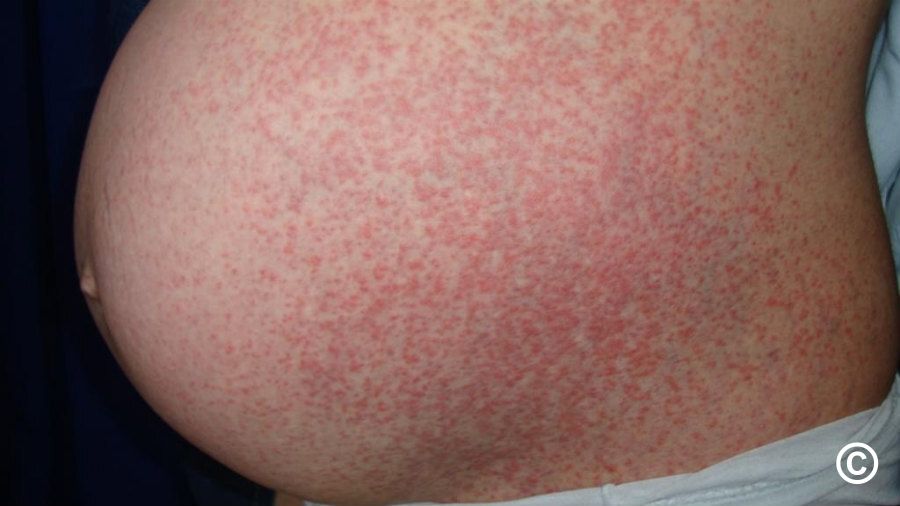
Polymorphic Eruption of Pregnancy (PEP), historically and often interchangeably termed Pruritic Urticarial Papules and Plaques of Pregnancy...

Langerhans Cell Histiocytosis (LCH) is a rare and complex disorder characterized by the abnormal proliferation and accumulation...
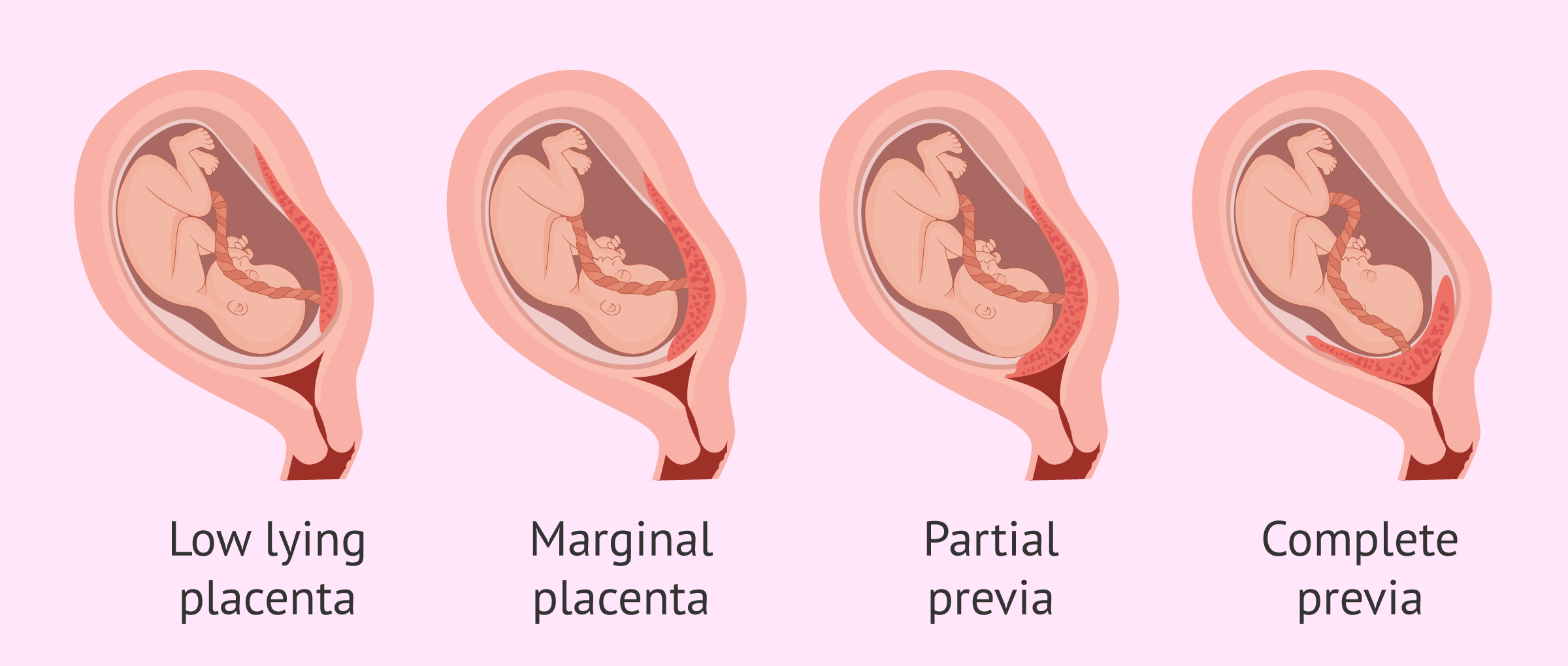
Placenta previa is a complex obstetric condition characterized by the abnormal implantation of the placenta in the...
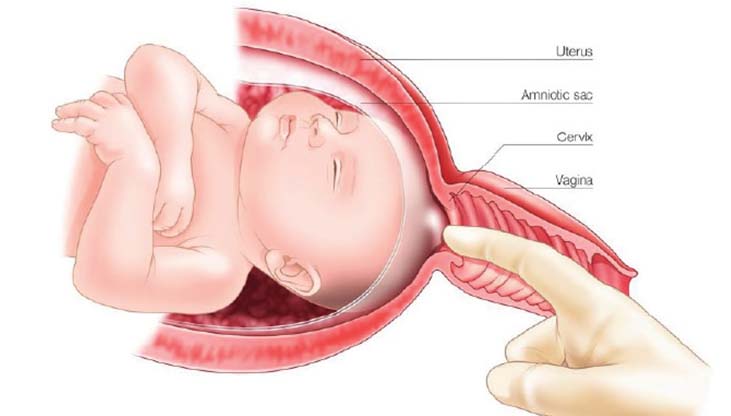
Induction of labor (IoL) is one of the most frequently performed procedures in modern obstetrics, defined as...

Genito-Pelvic Pain/Penetration Disorder (GPPPD) is a clinically significant diagnosis characterized by persistent or recurrent difficulties involving vaginal...

Intravenous fluid resuscitation (IVFR) is a foundational, life-saving intervention used across critical care and emergency medicine settings....
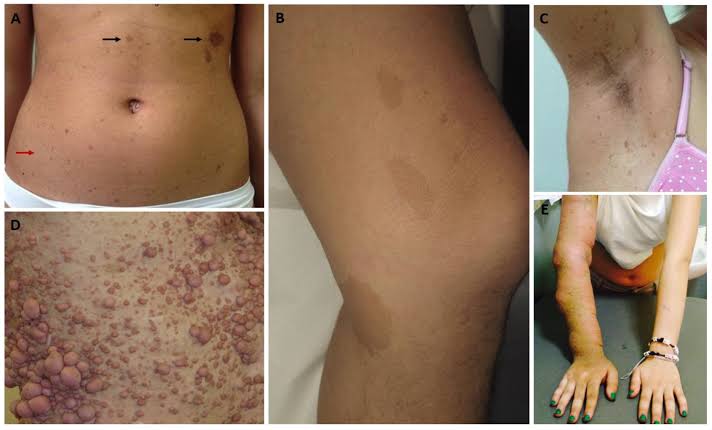
Neurofibromatosis (NF) represents a group of complex genetic disorders that primarily affect the nervous system, causing tumors...
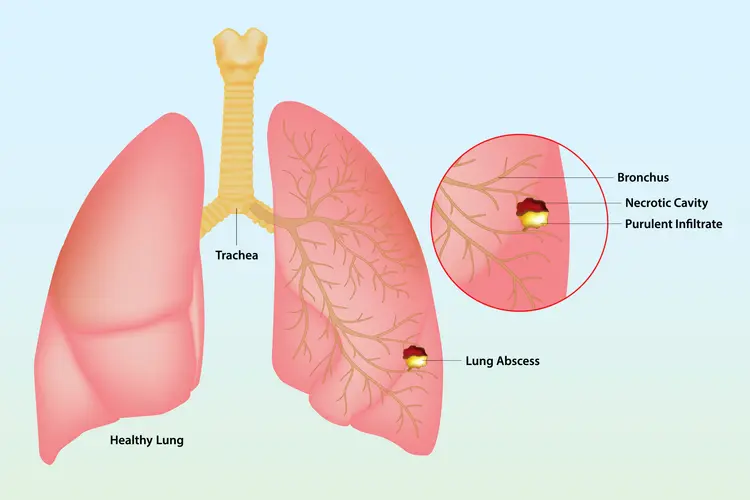
A lung abscess is a localized collection of pus within the lung parenchyma, typically resulting from the...
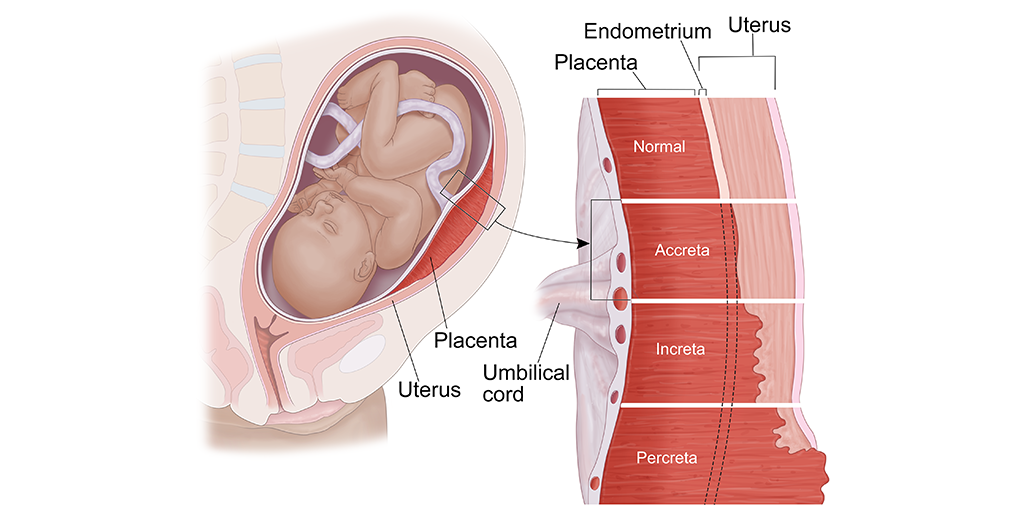
Placenta accreta spectrum (PAS) disorder represents a significant and growing challenge in modern obstetrics, characterized by an...
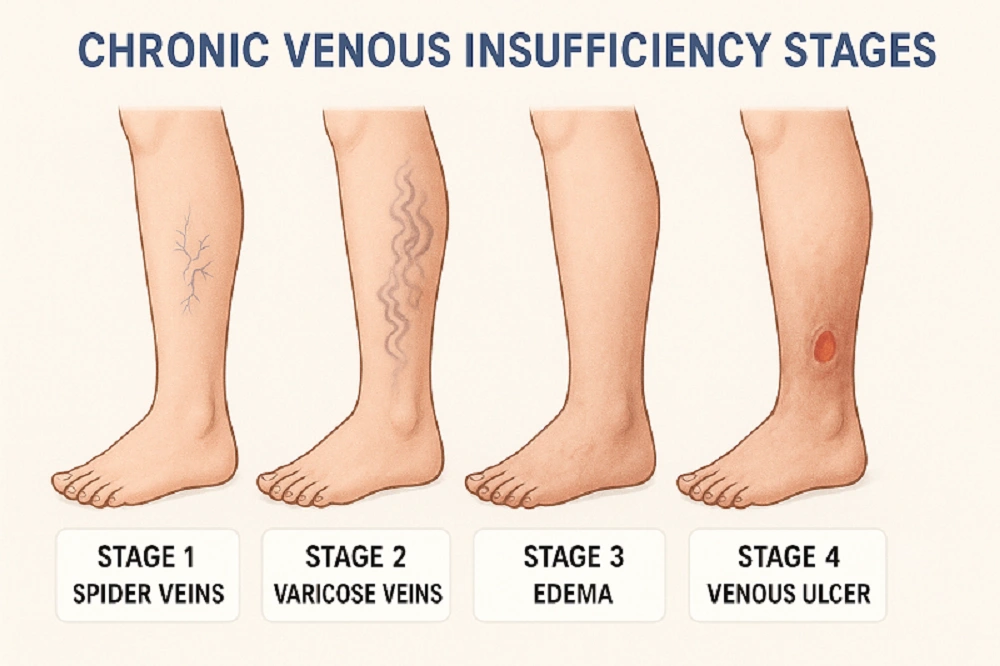
Chronic venous insufficiency (CVI) and post-thrombotic syndrome (PTS) represent significant clinical challenges, stemming from impaired venous blood...

Effective airway management is a cornerstone of emergency medical care, representing the critical first step in resuscitating...
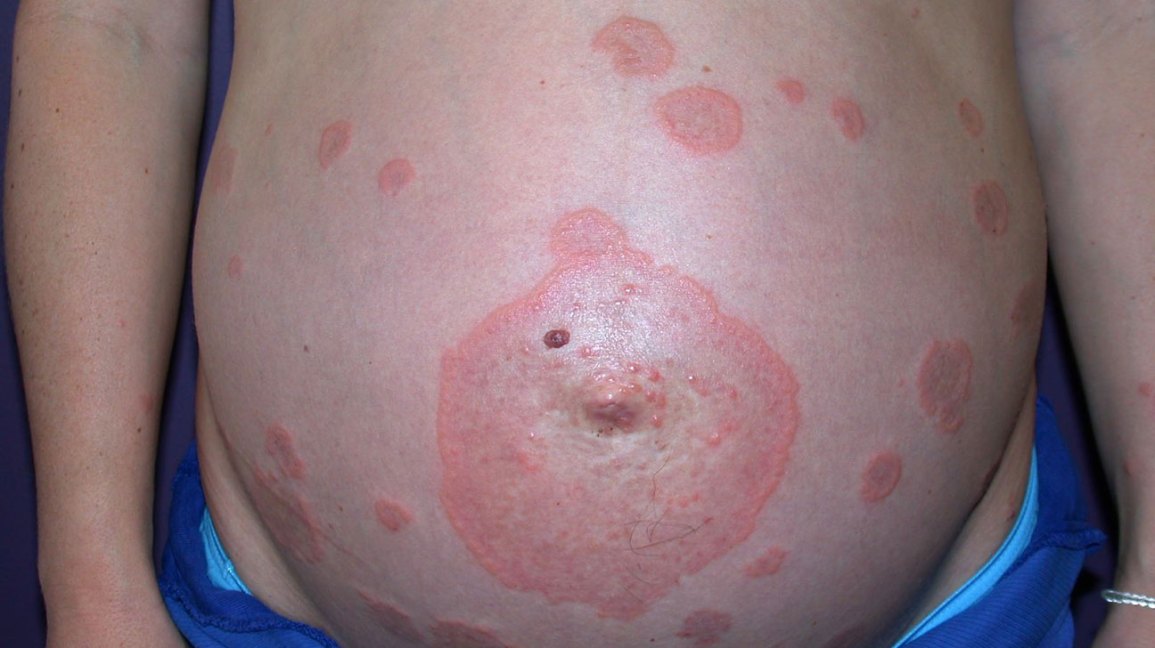
Pemphigoid gestationis (PG), also known as herpes gestationis, is a rare, autoimmune blistering disease that occurs specifically...
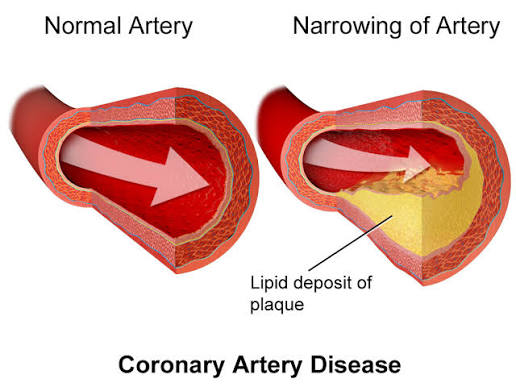
Coronary Atherosclerosis (CA) is a progressive and often silent disease that represents the underlying pathology for a...
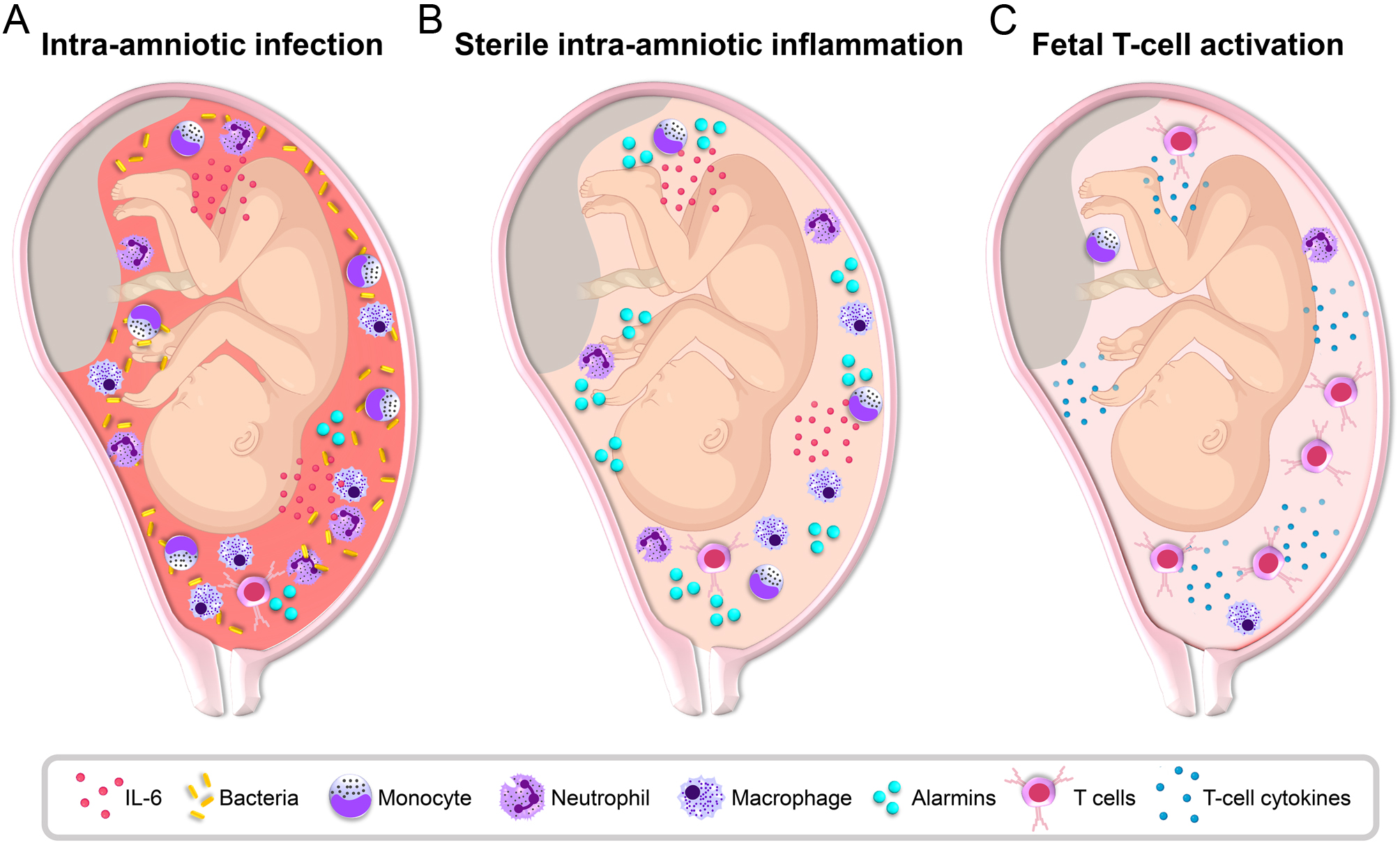
Intraamniotic infection (IAI), historically known as chorioamnionitis, is a significant obstetric complication characterized by inflammation of the...
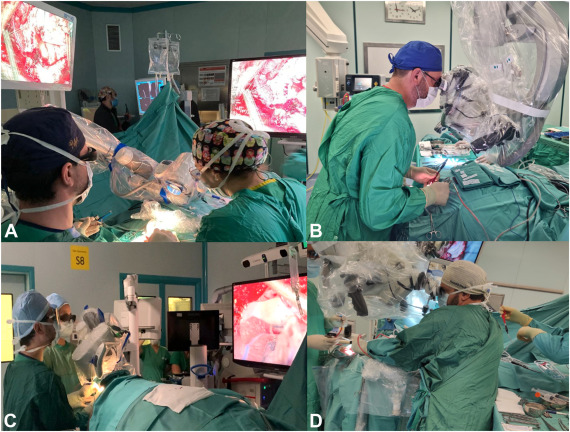
Surgery within the posterior cranial fossa (PCF) presents a unique and demanding set of challenges for the...

Ultrasonography, a cornerstone of modern medical imaging, owes its diagnostic prowess to the judicious selection and skillful...
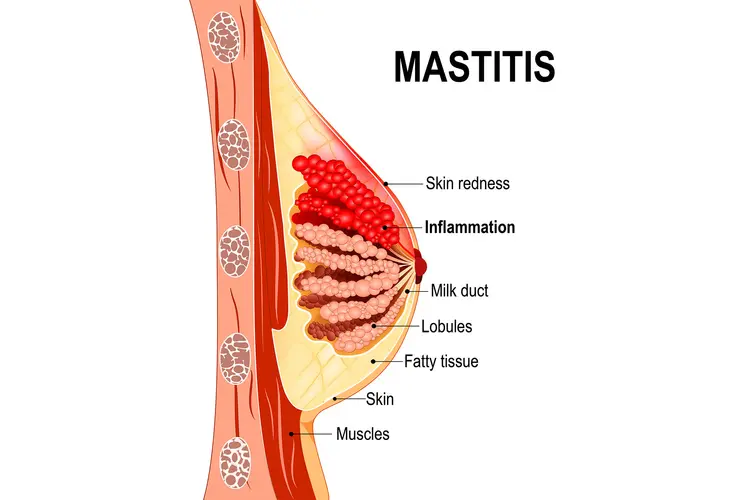
Mastitis is an inflammatory condition of the breast tissue that can be a significant source of pain...
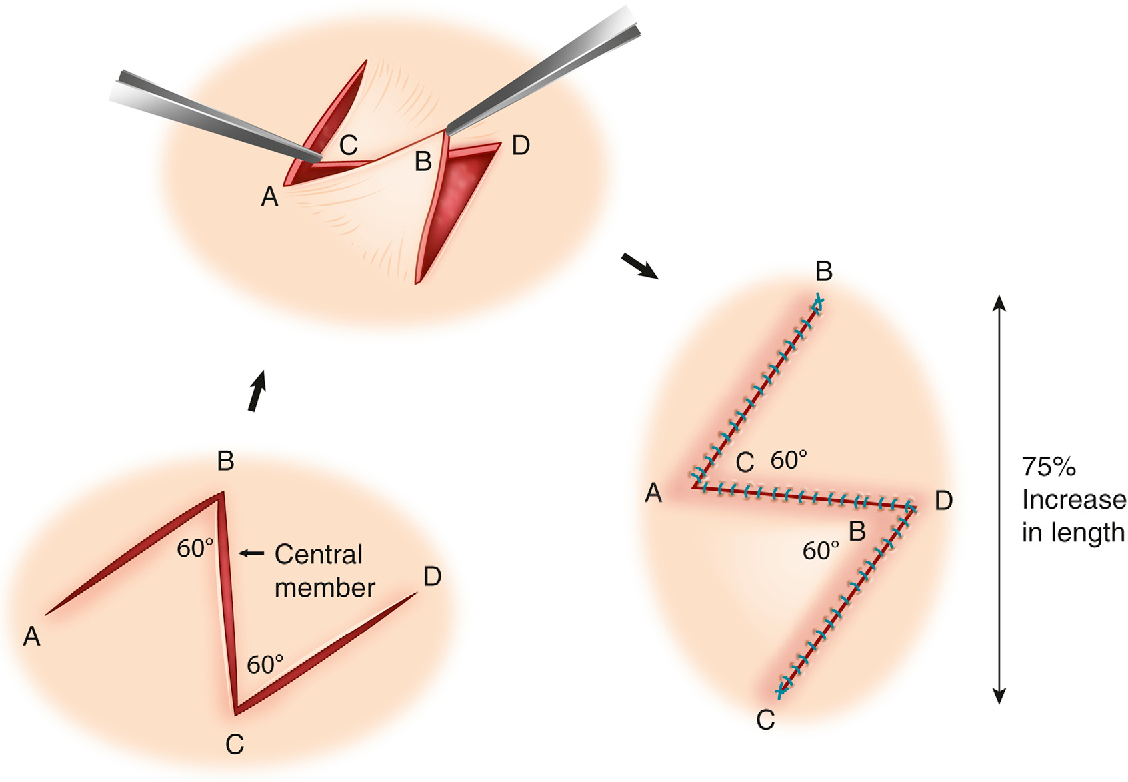
The Z-plasty is a fundamental surgical technique in reconstructive and plastic surgery, renowned for its ability to...

In the realm of modern healthcare, the accurate and timely assessment of oxygenation is paramount for patient...

Synchronized electrical cardioversion (SCV) is a critical intervention utilized in emergency medicine and cardiology to terminate specific,...

Of all facial injuries, fractures of the nose are the most common, resulting from the prominent and...

Septic abortion is a grave medical emergency characterized by a severe uterine infection that occurs during, shortly...

Vaginal bleeding, often referred to as spotting or hemorrhage, is a common clinical finding affecting 20% to...
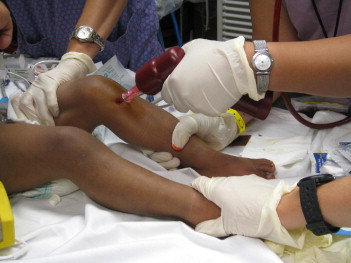
The ability to secure immediate vascular access is paramount in critical emergencies, particularly in scenarios characterized by...
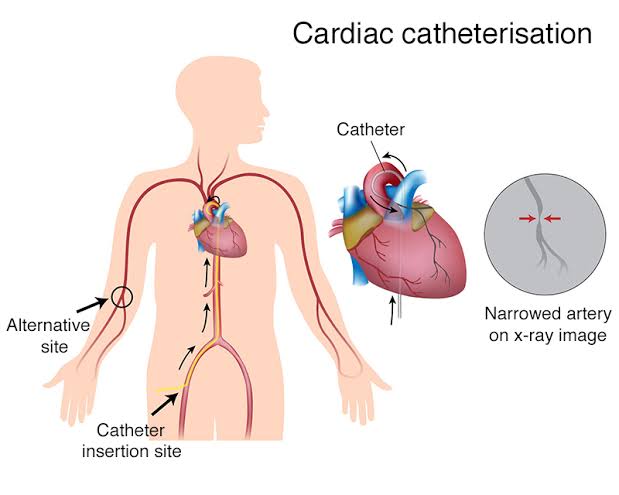
Cardiac catheterization (CC) and electrophysiology (EP) testing are cornerstones of modern cardiovascular diagnostics and intervention. While both...

The administration of pharmaceuticals during pregnancy presents one of the most complex clinical and ethical challenges in...
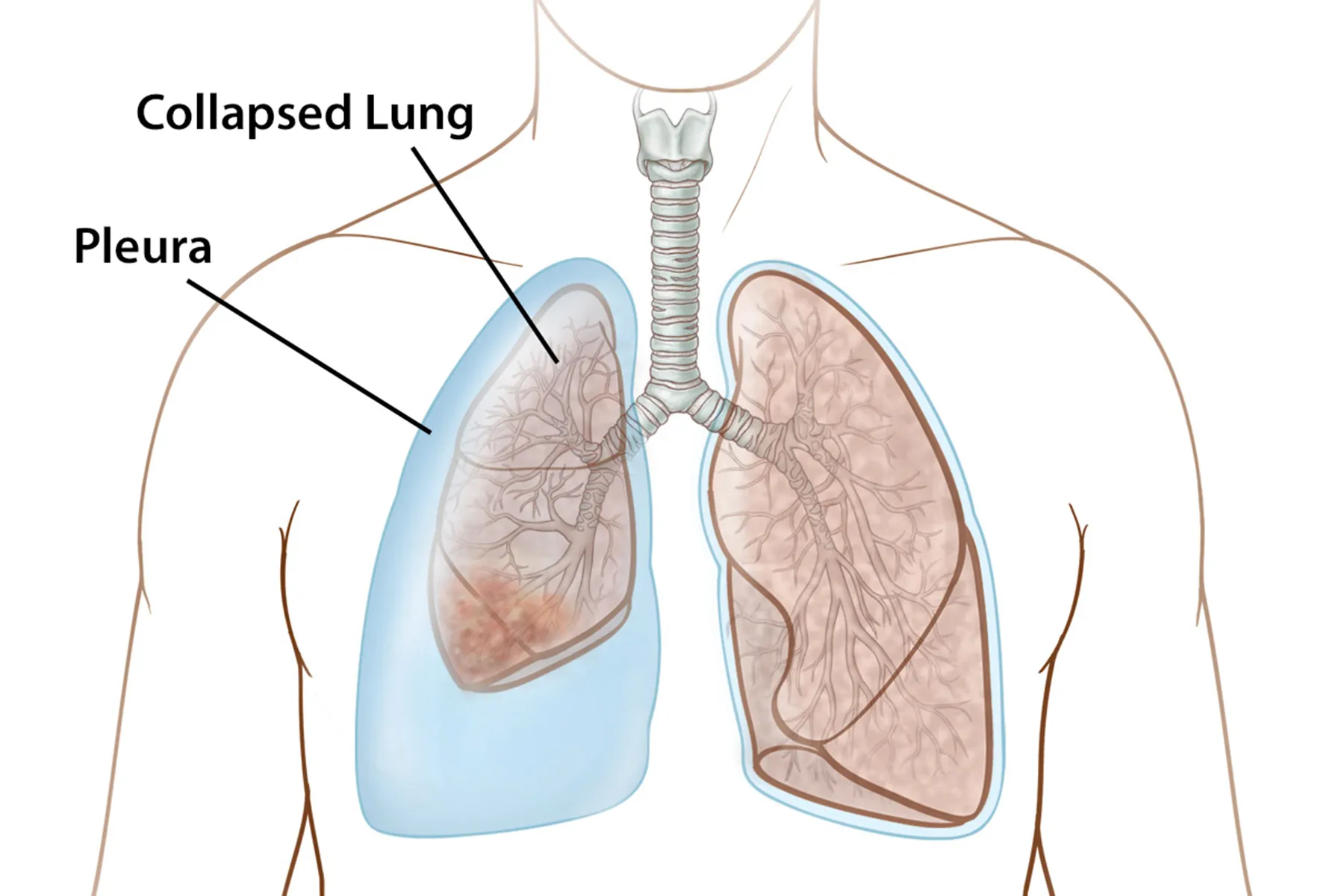
Atelectasis, derived from the Greek words ateles (incomplete) and ektasis (expansion), is a common yet potentially serious respiratory condition characterized by...
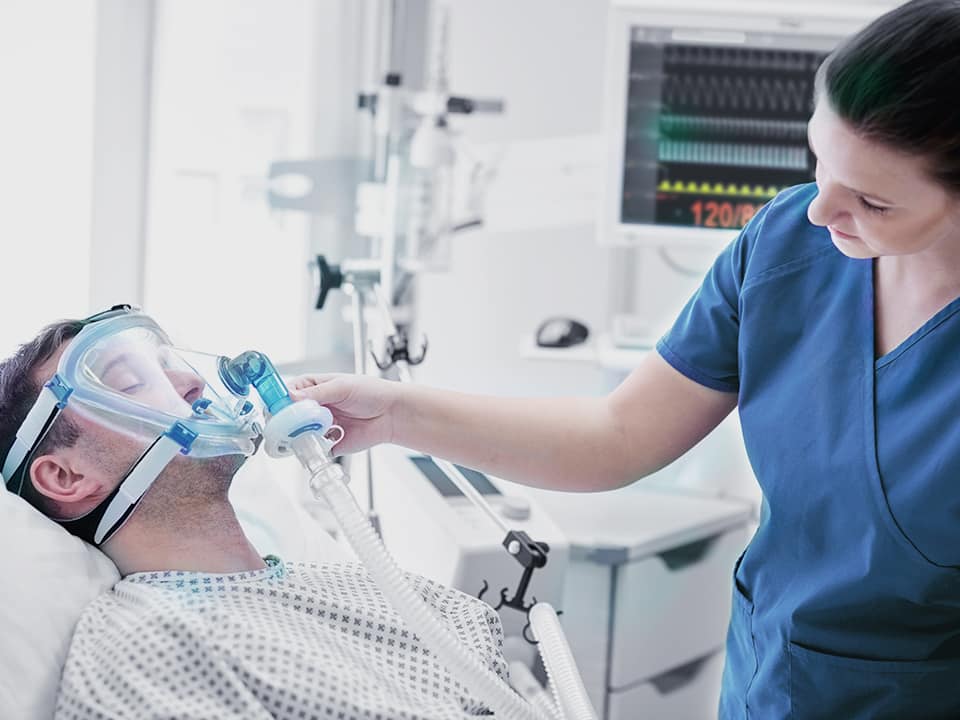
Noninvasive Positive Pressure Ventilation (NIPPV) represents a cornerstone of modern respiratory support, offering a method to augment...

Subcutaneous emphysema (SE) is a clinical condition characterized by the presence of air or gas within the...

Diminished ovarian reserve (DOR) is a significant concern for individuals experiencing infertility. It refers to a condition...
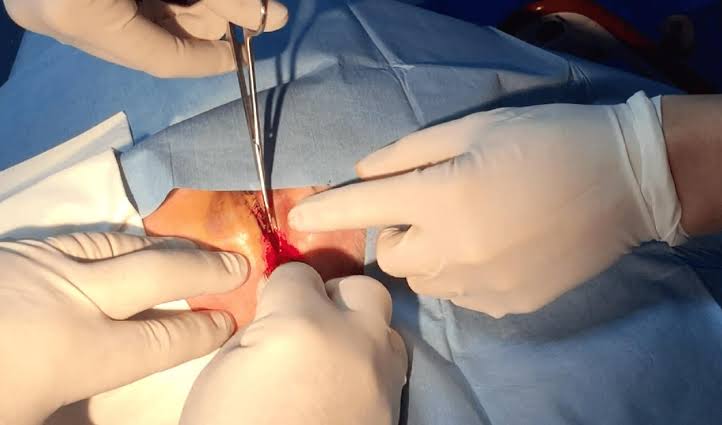
Orbital compartment syndrome (OCS) represents a true ophthalmic emergency, characterized by rapidly escalating pressure within the confined...
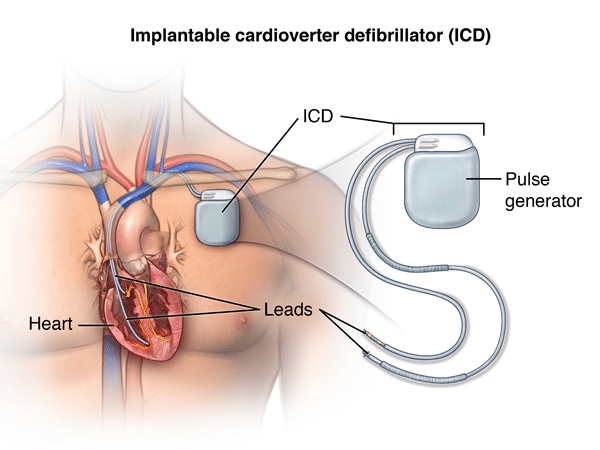
Cardiac device therapy, encompassing permanent pacemakers and Implantable Cardioverter Defibrillators (ICDs), represents a cornerstone in managing serious...
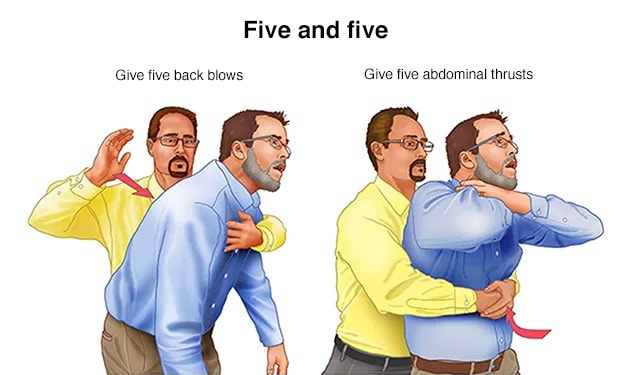
The immediate management of a foreign body airway obstruction (FBAO), commonly known as choking, is one of...
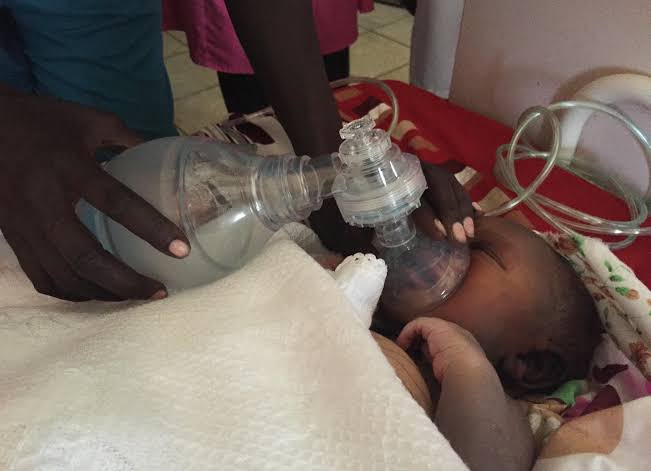
The miracle of birth is often fraught with challenges, particularly in low-resource settings where access to advanced...

Cardiac dysrhythmias (or arrhythmias) represent deviations from the normal cardiac rhythm, impacting the heart’s ability to pump...
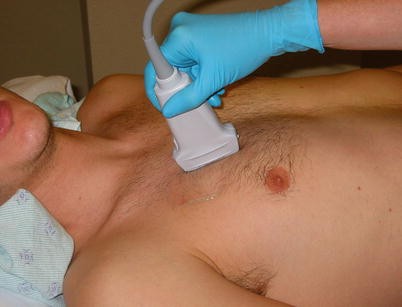
The management of severe trauma demands rapid, accurate, and non-invasive diagnostic tools to identify life-threatening injuries. Historically,...

Immediate care after birth, often referred to as the “fourth stage of labor” for the mother and...

Maintaining fluid balance, or homeostasis, is a cornerstone of human physiology, essential for cellular function, metabolic processes,...

Hereditary Hemochromatosis (HH) is a common genetic disorder characterized by excessive iron absorption from the diet, leading...
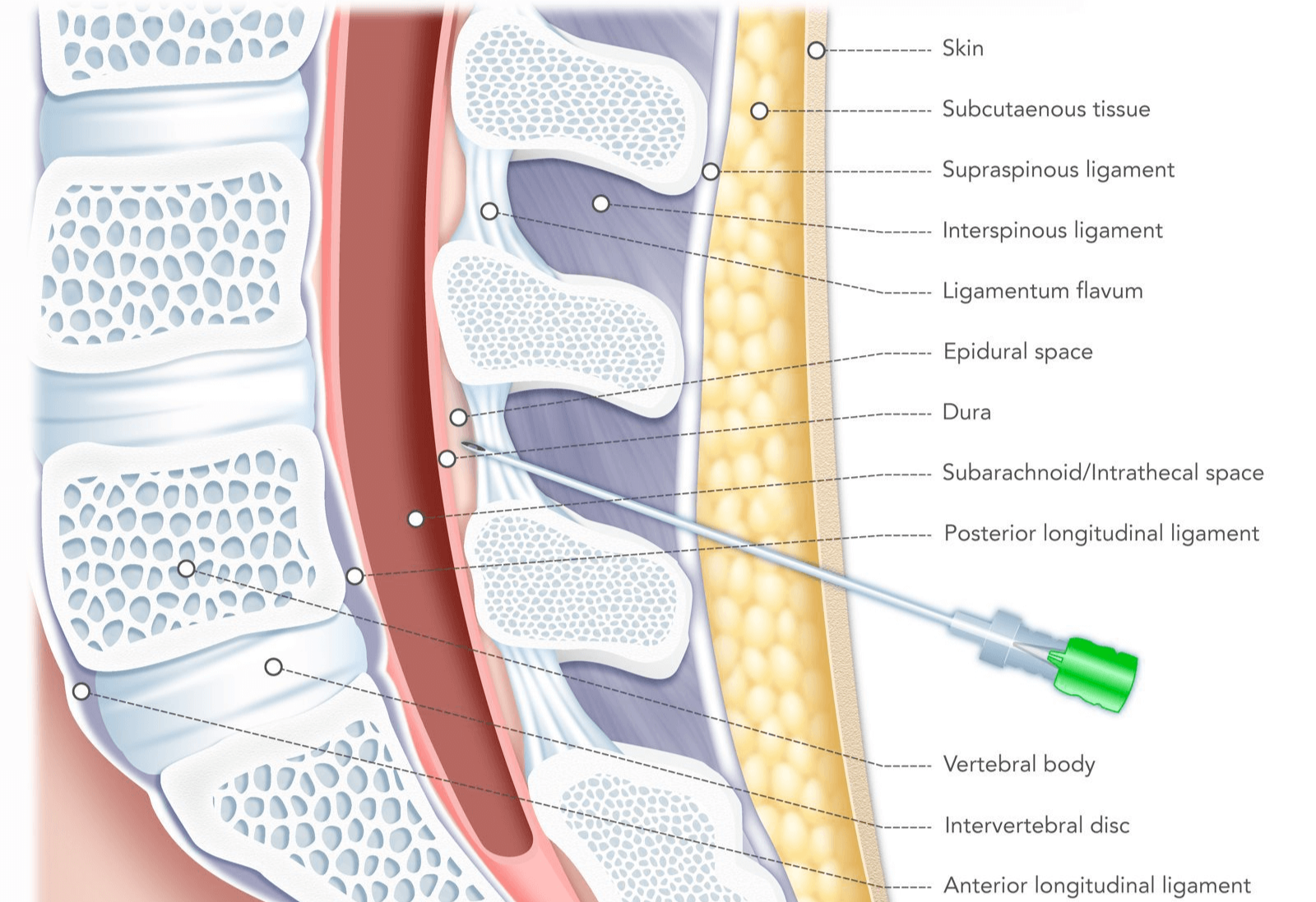
Post-dural puncture headache (PDPH) is a well-recognized iatrogenic complication that can arise following procedures involving the intentional...
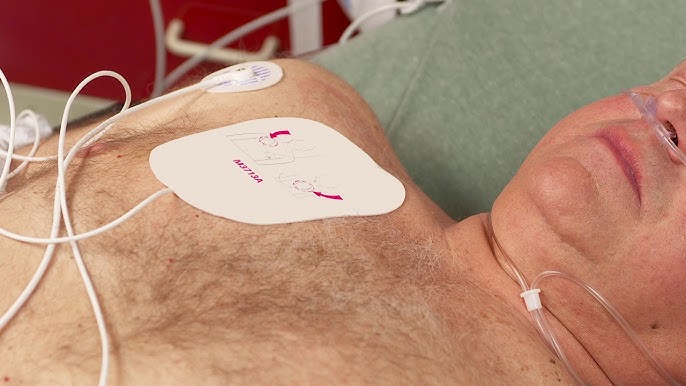
Transcutaneous cardiac pacing (TCP) is a critical, non-invasive method for temporarily overriding a patient’s intrinsic cardiac rhythm...

Amniotic Fluid Embolism (AFE) is a rare, catastrophic, and often fatal obstetric syndrome that occurs during labor,...

Obstetric haemorrhage remains a leading cause of global maternal mortality, representing a critical emergency that demands a...

Intraosseous (IO) infusion is a rapid, safe, and effective method for obtaining vascular access in critically ill...

Spontaneous Vaginal Delivery (SVD) represents the physiological and natural process by which an infant is born through...
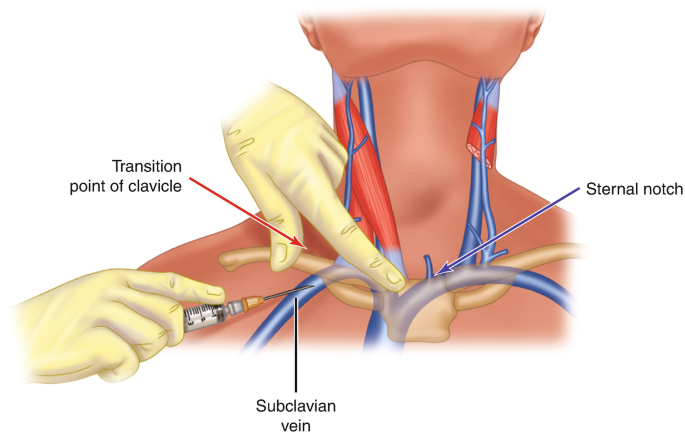
Percutaneous cannulation of a central vein is a cornerstone procedure in critical care medicine, emergency medicine, and...

The journey of childbirth is a complex physiological process, and one of the most critical factors influencing...
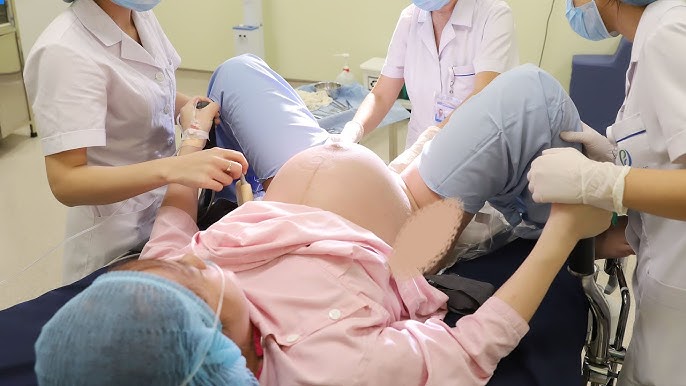
The second stage of labor, often referred to as the “pushing stage,” is a critical phase extending...
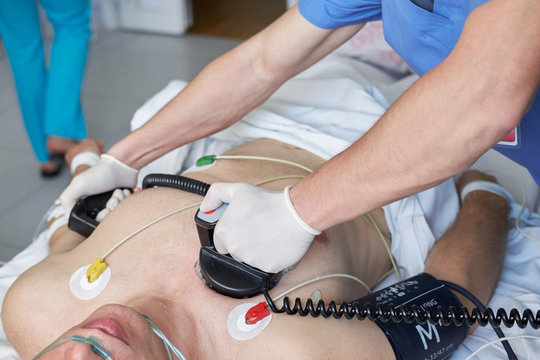
Defibrillation is a critical, life-saving intervention used to terminate certain life-threatening cardiac arrhythmias by delivering a controlled...
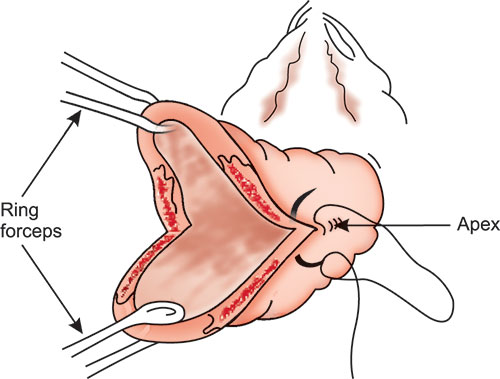
Cervical lacerations are a common form of obstetrical trauma, primarily occurring during the second or third stages...
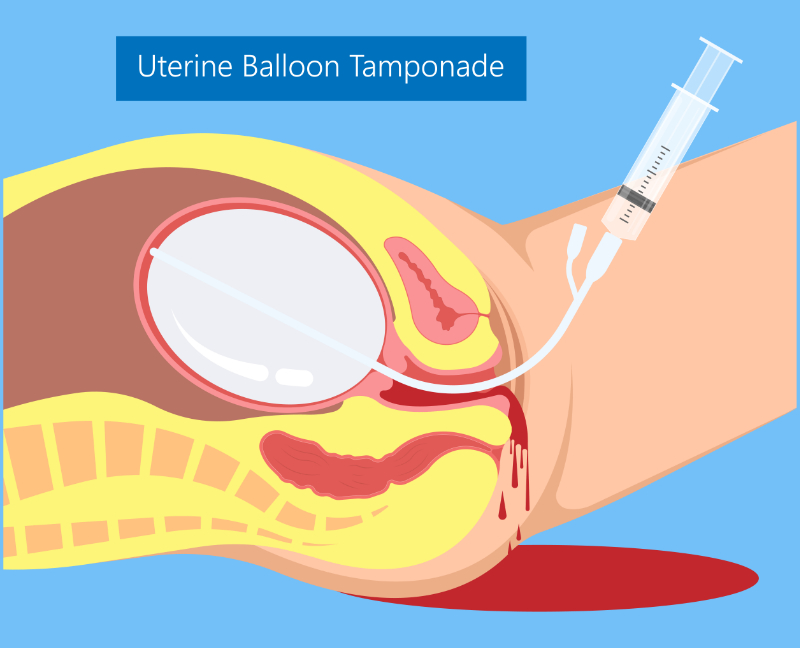
Postpartum hemorrhage (PPH) remains a leading cause of maternal mortality worldwide, with uterine atony—the failure of the...
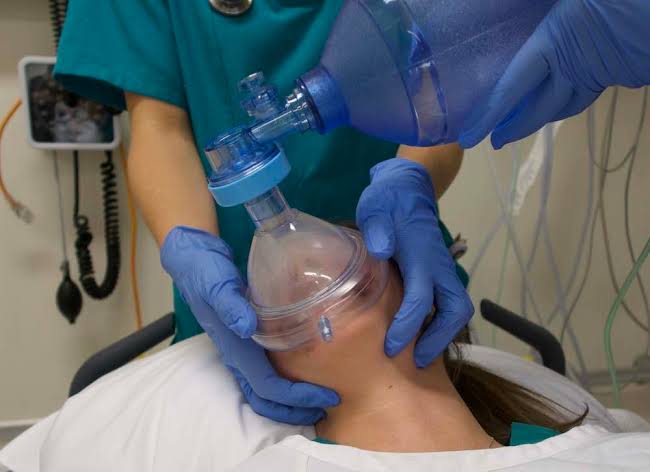
Bag-valve-mask (BVM) ventilation is a critical life-saving technique used in pre-hospital and in-hospital settings to provide positive...

Shoulder dystocia (SD) is one of the most unpredictable and stressful obstetric emergencies, defined as the failure...
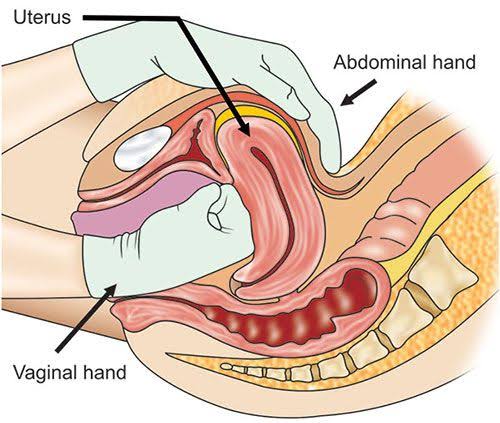
Postpartum Hemorrhage (PPH) remains a leading cause of maternal morbidity and mortality worldwide. When PPH is caused...
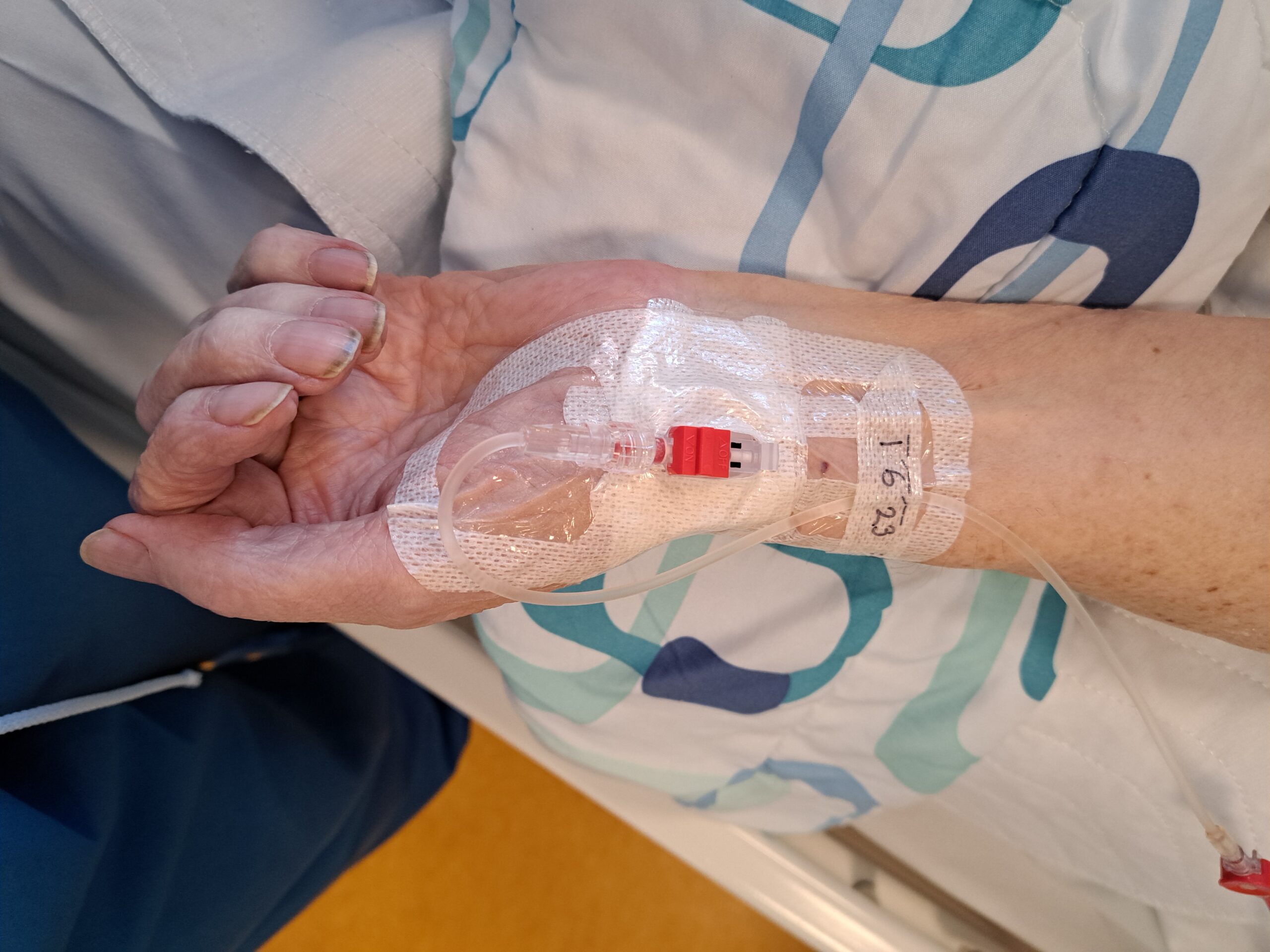
The continuous, real-time measurement of arterial blood pressure (ABP) via direct cannulation provides indispensable physiological data in...
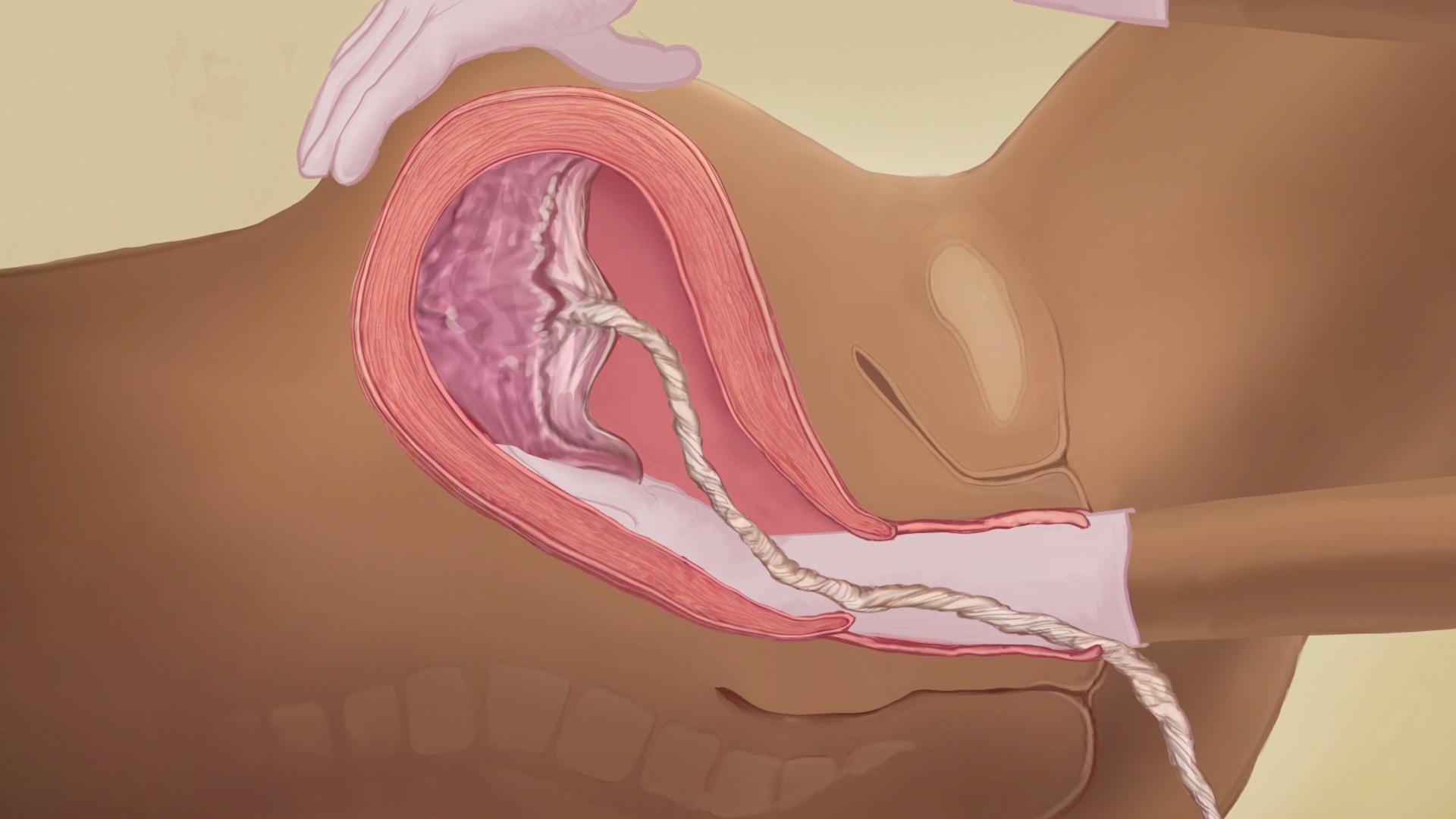
The third stage of labor, conventionally defined as the period from the birth of the baby until...

The third stage of labor, which begins immediately after the birth of the infant and ends with...
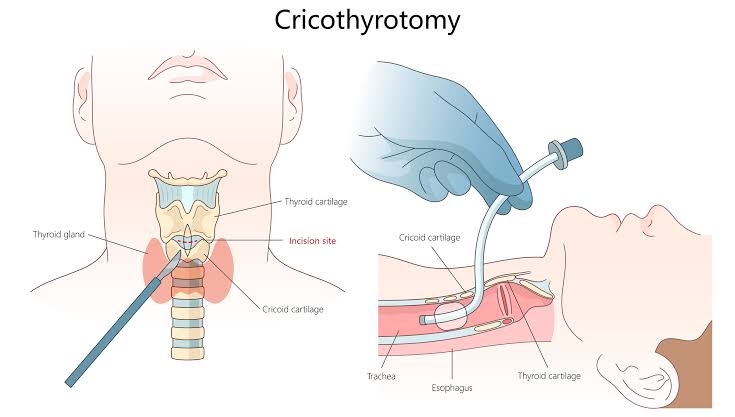
The establishment of a definitive airway is the cornerstone of resuscitation in critically ill or injured patients....