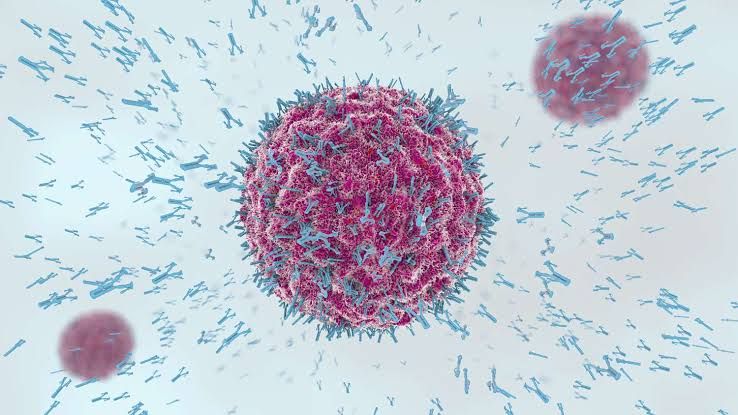
The mammalian immune system is a highly intricate network designed to protect the host from pathogens, toxins, and aberrant self-cells. It comprises two interconnected arms: the innate and adaptive immune systems. The innate system provides immediate, non-specific defense, while the adaptive system develops specific, long-lasting immunity. Bridging these two arms are specialized cells known as Antigen-Presenting Cells (APCs), which play a pivotal role in initiating and shaping adaptive immune responses.
Antigen-Presenting Cells (APCs) – Types and Transformations
Antigen-Presenting Cells (APCs) are a diverse group of immune cells critical for initiating adaptive immune responses. Their primary function is to capture, process, and present antigens to T lymphocytes in a manner that leads to T cell activation, differentiation, and the generation of immunological memory.
Types of Professional Antigen-Presenting Cells:
While nearly all nucleated cells can present antigens via MHC Class I molecules, only a select few are classified as “professional” APCs due to their unique ability to activate naive T cells by presenting antigens on MHC Class II molecules, coupled with critical co-stimulatory signals. The three main types are:
- Dendritic Cells (DCs):
- Description: DCs are the most potent and arguably the most crucial professional APCs. They are widely distributed throughout the body, particularly in tissues that serve as common entry points for pathogens, such as the skin (Langerhans cells), mucous membranes, and lymphoid organs.
- Subsets: DCs are functionally heterogeneous, including conventional DCs (cDCs), which are highly efficient at antigen uptake and presentation, and plasmacytoid DCs (pDCs), specialized in producing large amounts of type I interferons (IFN-α/β) in response to viral infections.
- Role: Their primary role is to act as sentinels, constantly sampling their environment for foreign antigens. Upon encountering a pathogen, they undergo maturation and migrate to draining lymph nodes to present the processed antigen to naive T cells.
- Macrophages:
- Description: Macrophages are phagocytic cells found in almost all tissues. They are integral components of the innate immune system, involved in direct pathogen killing, tissue repair, and clearance of cellular debris.
- Role as APCs: While less potent than DCs in activating naive T cells, macrophages can effectively present antigens to activated CD4+ T helper cells, especially in the context of chronic infections. This interaction can lead to further macrophage activation, enhancing their microbicidal functions.
- B Lymphocytes (B cells):
- Description: B cells are central to humoral immunity, primarily responsible for producing antibodies. They possess unique B cell receptors (BCRs) that recognize specific antigens directly.
- Role as APCs: B cells can internalize antigens bound to their BCRs, process them, and present them on MHC Class II molecules. This antigen presentation is crucial for receiving “help” from activated CD4+ T helper cells, which is often required for robust antibody production and germinal center reactions, leading to affinity maturation and isotype switching.
Changes Following Exposure to Antigen (APC Maturation):
Upon encountering pathogens or inflammatory signals, professional APCs, particularly Dendritic Cells, undergo a profound maturation process that transforms them from efficient antigen samplers into formidable T cell activators. This process involves several critical changes:
- Antigen Uptake and Processing:
- Initially, immature APCs are highly endocytic, specializing in capturing antigens through various mechanisms, including phagocytosis (for particulate matter), macropinocytosis (for fluid-phase antigens), and receptor-mediated endocytosis (e.g., via C-type lectins, Fc receptors).
- Once internalized, antigens are processed into peptides. Exogenous antigens (e.g., from bacteria, viruses outside the cell) are typically processed in endosomal/lysosomal compartments and loaded onto MHC Class II molecules. Endogenous antigens (e.g., from intracellular viruses, tumor cells) are processed in the proteasome and loaded onto MHC Class I molecules.
- Upregulation of MHC Molecules:
- As APCs mature, they significantly increase the surface expression of both MHC Class I and MHC Class II molecules, ensuring a high density of antigen-peptide complexes available for T cell recognition.
- Upregulation of Co-stimulatory Molecules:
- Crucially, APCs upregulate the expression of co-stimulatory molecules, primarily CD80 (B7-1) and CD86 (B7-2). These molecules bind to CD28 on naive T cells, providing the vital “second signal” required for full T cell activation and survival. Without this signal, T cells may become anergic (non-responsive) or undergo apoptosis.
- Expression of Adhesion Molecules:
- APCs increase the expression of adhesion molecules (e.g., LFA-1, ICAM-1) that facilitate stable and prolonged contact with T cells within the lymph nodes, optimizing the signal transmission.
- Migration to Lymphoid Organs:
- Mature APCs, especially DCs, lose their phagocytic capacity and instead gain the ability to migrate. They upregulate the chemokine receptor CCR7, which directs them from peripheral tissues to draining lymph nodes by responding to chemokines like CCL19 and CCL21, produced in the T cell zones of these lymphoid organs.
- Cytokine Production:
- Mature APCs become proficient cytokine producers. They secrete cytokines such as IL-12, IL-6, IL-23, and others, which are critical for instructing the differentiation of naive T helper cells into specific effector subsets (e.g., Th1, Th2, Th17), thereby shaping the adaptive immune response.
Relationship Between Antigen-Presenting Cells and Cytokines Released by Cells of the Innate Immune Response
The link between APCs and innate immune cytokines is fundamental for ensuring that adaptive immunity is activated only when genuinely needed and in a manner appropriate for the type of threat. Innate immune cells, upon recognizing danger, release a plethora of cytokines that serve as critical “danger signals” to educate and activate APCs.
Innate Immune Recognition and Cytokine Release:
The innate immune system employs a range of Pattern Recognition Receptors (PRRs), such as Toll-like Receptors (TLRs), NOD-like Receptors (NLRs), and RIG-I-like Receptors (RLRs), to detect conserved microbial components (Pathogen-Associated Molecular Patterns, PAMPs) and endogenous danger signals (Danger-Associated Molecular Patterns, DAMPs) released from damaged cells.
Upon PRR engagement, innate immune cells, including macrophages, conventional DCs, and plasmacytoid DCs, are rapidly activated. This activation triggers the production and secretion of various cytokines, key among them being:
- Pro-inflammatory Cytokines:
- Tumor Necrosis Factor-alpha (TNF-α): A potent mediator of inflammation, fever, and cell death.
- Interleukin-1 (IL-1): Includes IL-1α and IL-1β, strong pro-inflammatory cytokines with diverse effects.
- Interleukin-6 (IL-6): Involved in acute phase responses, fever, and promotion of certain T cell subsets.
- Type I Interferons (IFN-α/β):
- Primarily produced during viral infections, these cytokines establish an antiviral state in surrounding cells and profoundly influence immune cell differentiation.
- Chemokines:
- Small proteins that guide the migration of immune cells. For example, CCL2 (MCP-1) recruits monocytes, and CXCL8 (IL-8) recruits neutrophils.
Impact of Innate Cytokines on APC Maturation and Function:
The cytokines released by innate immune cells following pathogen recognition are the primary drivers of APC maturation. This interaction provides a crucial “third signal” (Signal 3) in T cell activation (Signal 1: TCR-MHC/peptide; Signal 2: Co-stimulation), which determines the qualitative nature of the T cell response.
- Driving APC Maturation:
- Pro-inflammatory cytokines like TNF-α, IL-1, and IL-6 directly act on immature DCs and macrophages in the periphery. These cytokines, often in conjunction with PRR signaling, are potent stimuli for the APC maturation process. They signal the APC to:
- Upregulate MHC Class I and II molecules.
- Increase surface expression of co-stimulatory molecules (CD80, CD86).
- Express chemokine receptors (e.g., CCR7) for migration to lymph nodes.
- Enhance antigen processing and presentation efficiency.
- Pro-inflammatory cytokines like TNF-α, IL-1, and IL-6 directly act on immature DCs and macrophages in the periphery. These cytokines, often in conjunction with PRR signaling, are potent stimuli for the APC maturation process. They signal the APC to:
- Shaping the T Cell Response:
- Beyond promoting maturation, innate cytokines dictate the type of T helper cell differentiation that will occur.
- For instance, IL-12, largely produced by activated DCs and macrophages, is the principal cytokine driving the differentiation of naive CD4+ T cells into Th1 cells. This is crucial for cell-mediated immunity against intracellular pathogens.
- Similarly, IL-6, often in combination with TGF-β, can promote Th17 cell differentiation, which is important for responses against extracellular bacteria and fungi and for inducing inflammation.
- Type I IFNs, produced in response to viral infections, can influence APCs to promote cytotoxic CD8+ T cell responses and can also contribute to Th1 differentiation.
This exquisite interplay ensures that naive T cells are not activated indiscriminately but only when a genuine threat is detected and processed by an APC that has received appropriate activation signals from the innate immune system. This mechanism prevents autoimmune reactions and ensures an appropriate adaptive response is mounted against the specific type of pathogen.
Subsets of T Cells and Their Function
T lymphocytes (T cells) are central players in adaptive immunity, responsible for cell-mediated responses and providing help for humoral immunity. T cells originate in the bone marrow and mature in the thymus, where they undergo rigorous selection to ensure self-tolerance and MHC restriction. Upon activation by APCs, naive T cells differentiate into various functional subsets, each with specialized roles.
T cells are broadly categorized based on their co-receptor expression:
- CD4+ T cells (Helper T cells): Recognize antigens presented on MHC Class II molecules (typically encountered on professional APCs like DCs, macrophages, B cells). They primarily function as orchestrators of immune responses.
- CD8+ T cells (Cytotoxic T cells): Recognize antigens presented on MHC Class I molecules (expressed on nearly all nucleated cells). They primarily function as “killer” cells.
Subsets of CD4+ Helper T Cells (Th Cells):
Naive CD4+ T cells (Th0) differentiate into distinct effector subsets based on the cytokine milieu and co-stimulatory signals received from APCs during activation:
- Th1 Cells:
- Inducing Cytokines: Primarily IL-12 and IFN-γ (from APCs and NK cells).
- Signature Cytokines: IFN-γ, TNF-β.
- Function: Crucial for cell-mediated immunity against intracellular pathogens (e.g., viruses, bacteria like Mycobacterium tuberculosis). They activate macrophages to kill internalized microbes, promote the differentiation of cytotoxic T lymphocytes (CTLs), and induce isotype switching in B cells to produce complement-fixing antibodies.
- Th2 Cells:
- Inducing Cytokines: Primarily IL-4 (from mast cells, basophils, NKT cells).
- Signature Cytokines: IL-4, IL-5, IL-13.
- Function: Predominantly involved in humoral immunity and defense against extracellular parasites (e.g., helminths). They help B cells produce antibodies, particularly IgE, and promote allergic reactions by activating mast cells and eosinophils.
- Th17 Cells:
- Inducing Cytokines: IL-6, TGF-β, IL-21, IL-23 (from APCs).
- Signature Cytokines: IL-17A, IL-17F, IL-22.
- Function: Important for mediating inflammation and defense against extracellular bacteria and fungi (e.g., Klebsiella, Candida albicans). They recruit neutrophils to sites of infection and promote antimicrobial peptide production by epithelial cells.
- T follicular Helper (Tfh) Cells:
- Inducing Cytokines: IL-6, IL-21, and CXCL13.
- Signature Cytokines: IL-21, IL-4, IFN-γ (context-dependent). Express high levels of CXCR5.
- Function: Specialized in providing help to B cells within the germinal centers of lymphoid follicles. They are essential for initiating and sustaining high-affinity antibody responses, including affinity maturation and isotype switching, leading to long-lived plasma cells and memory B cells.
- Regulatory T Cells (Treg Cells):
- Types: Can be natural (nTreg, developed in thymus) or induced (iTreg, developed in periphery).
- Inducing Cytokines (iTreg): TGF-β, IL-2.
- Signature Markers: Express the transcription factor FoxP3.
- Signature Cytokines: IL-10, TGF-β.
- Function: Crucial for maintaining immunological tolerance by suppressing immune responses. They prevent autoimmunity, dampen chronic inflammation, and help resolve immune responses after pathogen clearance.
Cytotoxic T Lymphocytes (CTLs – CD8+ T cells):
- Recognition: Recognize endogenous antigens presented on MHC Class I molecules, typically from virus-infected cells or tumor cells.
- Activation: Naive CD8+ T cells require “licensing” by professional APCs to become fully activated CTLs. This often involves help from CD4+ T cells, which induce APCs to express stronger co-stimulatory molecules or produce cytokines like IL-2.
- Function: Their primary role is to directly kill target cells that display foreign antigens on their surface. They achieve this through two main mechanisms:
- Perforin and Granzymes: Release perforin to create pores in the target cell membrane, followed by granzymes (proteases) that induce apoptosis.
- Fas-FasL Pathway: Express Fas Ligand (FasL) that binds to Fas (CD95) on target cells, triggering an apoptotic cascade.
Memory T Cells (CD4+ and CD8+):
After an initial immune response, some activated T cells (both CD4+ and CD8+) differentiate into long-lived memory T cells. These cells persist for extended periods (months to years) in lymphoid organs and peripheral tissues. Upon re-exposure to the same antigen, memory T cells respond faster, more vigorously, and more effectively than naive T cells, providing long-term protection against previously encountered pathogens.
Understanding B Cells – Their Multifaceted Functions in Immunity
B cells are a type of lymphocyte originating from hematopoietic stem cells in the bone marrow, where they also mature. Once mature, they circulate in the blood and lymphatic system, residing in secondary lymphoid organs such as the spleen, lymph nodes, and Peyer’s patches. Their primary role is in humoral immunity, which involves the production of antibodies, but their functions extend beyond this.
B Cell Development, Activation, and Differentiation
- Development: B cells undergo a series of developmental stages in the bone marrow, acquiring a unique B cell receptor (BCR) on their surface. This BCR is an antibody molecule tethered to the cell membrane, capable of recognizing specific antigens.
- Activation: For most protein antigens (T-dependent antigens), B cell activation requires two signals:
- Antigen Binding: The BCR on a naive B cell binds to its specific antigen. This binding leads to the internalization of the antigen, which is then processed and presented on MHC Class II molecules on the B cell surface.
- T Cell Help: A helper T cell (CD4+ T cell) that recognizes the same processed antigen presented by the B cell’s MHC Class II molecule provides the second signal. This interaction involves co-stimulatory molecules (e.g., CD40 on the B cell binding to CD40L on the T cell) and the release of cytokines by the T cell.
- Differentiation: Upon activation, B cells undergo clonal expansion and differentiate into two primary cell types:
- Plasma Cells: These are antibody-secreting factories.
- Memory B Cells: These long-lived cells provide immunological memory.
Antibody Production (Humoral Immunity)
The most well-known and critical function of B cells is the production of antibodies (also known as immunoglobulins) by their differentiated progeny, plasma cells. Antibodies are soluble proteins that circulate in the blood and lymph, as well as being present in secretions, and play diverse roles in pathogen elimination.
- Plasma Cells: These cells are specialized for antibody secretion, possessing extensive endoplasmic reticulum and Golgi apparatus. They can produce thousands of antibody molecules per second.
- Mechanisms of Antibody Action:
- Neutralization: Antibodies bind directly to pathogens (viruses, bacteria) or their toxins, preventing them from interacting with host cells. For example, anti-toxin antibodies block toxins from binding to receptors, and anti-viral antibodies prevent viruses from infecting cells.
- Opsonization: Antibodies coat the surface of pathogens, making them more easily recognized and engulfed by phagocytic cells (macrophages, neutrophils) that possess Fc receptors (receptors for the constant region of antibodies). This process enhances phagocytosis significantly.
- Complement Activation: The binding of certain antibody classes (IgM or IgG) to an antigen on a pathogen’s surface can trigger the classical complement pathway. This leads to a cascade of protein activation, culminating in the formation of the Membrane Attack Complex (MAC), which punctures the pathogen’s membrane, causing lysis. Complement activation also promotes inflammation and opsonization.
- Antibody-Dependent Cell-mediated Cytotoxicity (ADCC): Antibodies can bind to target cells (e.g., virally infected cells or tumor cells) and serve as a bridge, allowing natural killer (NK) cells to recognize and kill these antibody-coated cells. NK cells recognize the Fc region of the antibody via their Fc receptors, triggering the release of cytotoxic granules.
- Mast Cell and Basophil Degranulation: IgE antibodies bind to Fc receptors on mast cells and basophils. Upon subsequent exposure to the specific antigen (e.g., an allergen), cross-linking of IgE molecules triggers the release of histamine and other inflammatory mediators, crucial in allergic reactions and defense against parasites.
Antigen Presentation
Beyond antibody production, B cells serve as professional Antigen-Presenting Cells (APCs). They efficiently internalize specific antigens through their BCR, process them, and then present peptide fragments on their MHC Class II molecules to CD4+ helper T cells. This function is crucial for initiating and shaping T cell-dependent immune responses. Their ability to present specific, low-concentration antigens makes them particularly effective in capturing rare antigens and presenting them to the cognate T cells, especially in secondary lymphoid organs.
Immunological Memory
Following a primary infection, a subset of activated B cells differentiates into long-lived memory B cells. These cells circulate for extended periods, sometimes for decades, and reside in lymphoid tissues. Upon re-exposure to the same antigen, memory B cells are rapidly activated, proliferate, and differentiate into plasma cells, initiating a swift and robust secondary immune response. This secondary response is typically faster, stronger, and produces antibodies of higher affinity (affinity maturation) and different isotypes (class switching), leading to more effective pathogen clearance and providing long-term immunity.
Regulation of Immune Responses
Emerging research indicates that B cells also play regulatory roles in the immune system. A subset of B cells, known as regulatory B cells (Bregs), can produce immunosuppressive cytokines like IL-10, transforming growth factor-beta (TGF-β), and IL-35. These Bregs can suppress inflammatory responses, inhibit the proliferation and differentiation of effector T cells (Th1, Th17), and promote the development of regulatory T cells (Tregs), thereby contributing to the maintenance of immune tolerance and preventing autoimmunity.
Major Histocompatibility Complex (MHC) Molecules – Distribution and Function
Major Histocompatibility Complex (MHC) molecules are a diverse group of proteins found on the surface of cells, playing a pivotal role in the recognition of self from non-self. In humans, MHC molecules are also known as Human Leukocyte Antigens (HLAs). They are essential for presenting antigens to T lymphocytes, thereby initiating adaptive immune responses. There are two primary classes of MHC molecules: Class I and Class II, each with distinct structures, distributions, and functions.
1: MHC Class I Molecules
1.1: Structure and General Function: MHC Class I molecules are composed of two polypeptide chains: a heavy (alpha, α) chain (approximately 45 kDa) and a smaller, non-MHC encoded protein called beta-2 microglobulin (β2m, 12 kDa). The α chain spans the cell membrane, while β2m is non-covalently associated. The extracellular portion of the α chain forms the antigen-binding groove, which typically accommodates peptides 8-10 amino acids long. Their primary function is to present peptides derived from endogenous (intracellular) proteins, such as viral proteins synthesized within an infected cell or abnormal proteins from tumor cells, to CD8+ cytotoxic T lymphocytes (CTLs).
1.2: Distribution of MHC Class I Molecules: MHC Class I molecules are ubiquitously expressed on nearly all nucleated cells in the body. The level of expression can vary, but their broad distribution ensures that almost any cell infected with an intracellular pathogen or transformed into a tumor cell can be recognized and targeted by the immune system.
- Immune Cells:
- T Cells: Express MHC Class I.
- B Cells: Express MHC Class I.
- Macrophages: Express MHC Class I.
- Dendritic Cells (DCs): Express high levels of MHC Class I.
- Natural Killer (NK) Cells: NK cells do not express MHC Class I, but their activity is regulated by it. They kill cells that lack or have reduced MHC Class I expression (“missing self” hypothesis), providing a mechanism to target virally infected or tumor cells that may downregulate MHC Class I to evade CTLs.
- Commonly Transplanted Organs:
- Kidney, Heart, Lung, Liver, Pancreas: All parenchymal cells (e.g., renal tubular cells, cardiomyocytes, hepatocytes, pancreatic islet cells) and endothelial cells within these solid organs express high levels of MHC Class I. This widespread expression is why matching MHC Class I alleles between donor and recipient is crucial for minimizing the risk of hyperacute and acute rejection in organ transplantation. The recipient’s CD8+ T cells can recognize donor MHC Class I as foreign, initiating a potent immune response.
1.3: Function of MHC Class I Antigens: The main function of MHC Class I molecules is to present intracellular (endogenous) antigens to CD8+ cytotoxic T lymphocytes (CTLs).
- Antigen Processing and Presentation: Proteins synthesized within the cytoplasm (e.g., viral proteins, self-proteins, tumor antigens) are degraded into peptides by the proteasome. These peptides are then transported into the endoplasmic reticulum (ER) by TAP (Transporter Associated with Antigen Processing) proteins, where they bind to newly synthesized MHC Class I molecules. The stable MHC Class I-peptide complex is then transported to the cell surface.
- Recognition by CD8+ T Cells: CD8+ T cells (cytotoxic T lymphocytes) recognize MHC Class I-peptide complexes via their T cell receptor (TCR). The CD8 co-receptor on the T cell binds to a non-polymorphic region of the MHC Class I molecule, stabilizing the interaction.
- Cell Killing: If the presented peptide is recognized as foreign (e.g., a viral peptide), the CD8+ CTL becomes activated and directly kills the abnormal cell through mechanisms like perforin and granzyme release, or by inducing apoptosis. This is critical for eliminating virally infected cells and tumor cells.
- Self-Tolerance: MHC Class I also presents self-peptides, allowing the immune system to distinguish healthy self-cells from those that are infected or cancerous. T cells that react strongly to self-peptides are typically eliminated during T cell development (thymic education) to prevent autoimmunity.
2: MHC Class II Molecules
2.1: Structure and General Function: MHC Class II molecules consist of two similarly sized transmembrane polypeptide chains: an alpha (α) chain and a beta (β) chain (both approximately 30-35 kDa). Both chains contribute to the formation of the antigen-binding groove, which is open at both ends, allowing it to accommodate longer peptides, usually 12-25 amino acids. Their primary function is to present peptides derived from exogenous (extracellular) proteins, such as bacterial components or soluble toxins, that have been internalized by professional antigen-presenting cells to CD4+ helper T lymphocytes.
2.2: Distribution of MHC Class II Molecules: Unlike MHC Class I, MHC Class II molecules have a more restricted distribution, primarily expressed on professional antigen-presenting cells (APCs).
- Immune Cells (Professional APCs):
- Dendritic Cells (DCs): Express very high levels and are considered the most potent APCs, crucial for initiating primary T cell responses.
- Macrophages: Express high levels, particularly after activation, and are involved in presenting antigens during later stages of infection and in chronic inflammation.
- B Cells: Express MHC Class II, essential for their interaction with helper T cells for activation and antibody class switching.
- Thymic Epithelial Cells: Express MHC Class II and are involved in T cell positive selection in the thymus.
- Other Cells: MHC Class II expression can be induced on certain non-APCs, such as endothelial cells, epithelial cells, and fibroblasts, under inflammatory conditions, typically through stimulation with cytokines like IFN-gamma.
- Commonly Transplanted Organs:
- MHC Class II molecules are primarily found on the professional APCs residing within the organ, rather than on the parenchymal cells themselves (unless induced by inflammation).
- Dendritic Cells: Present in all solid organs (e.g., Langerhans cells in skin, Kupffer cells in liver, interstitial DCs in kidney/heart/lung). These are the primary source of donor MHC Class II that can trigger rejection.
- Macrophages: Present in varying densities in all organs.
- B Cells: Can be found in lymphoid aggregates within organs or infiltrating during inflammation.
- Endothelial Cells: While not typically strong expressers, MHC Class II expression can be induced on endothelial cells of the vasculature within transplanted organs during inflammation or rejection, significantly contributing to the immune response against the graft.
2.3: Function of MHC Class II Antigens: The main function of MHC Class II molecules is to present extracellular (exogenous) antigens to CD4+ helper T lymphocytes.
- Antigen Processing and Presentation: Exogenous antigens (e.g., bacteria, fungi, soluble proteins) are internalized by APCs through phagocytosis, endocytosis, or pinocytosis. These antigens are then degraded into peptides within endosomal/lysosomal compartments. Meanwhile, MHC Class II molecules are synthesized in the ER, where they associate with an invariant chain (Ii). The Ii guides MHC Class II to the endosomal pathway and prevents premature binding of self-peptides in the ER. In the endosomal compartments, Ii is degraded, leaving a small CLIP (Class II-associated Invariant Chain Peptide) fragment in the binding groove. The CLIP is then exchanged for an antigenic peptide by HLA-DM. The stable MHC Class II-peptide complex is then transported to the cell surface.
- Recognition by CD4+ T Cells: CD4+ T cells (helper T cells) recognize MHC Class II-peptide complexes via their T cell receptor (TCR). The CD4 co-receptor on the T cell binds to a non-polymorphic region of the MHC Class II molecule, stabilizing the interaction.
- Orchestration of Immune Responses: Upon recognition of a foreign peptide presented by MHC Class II, the CD4+ helper T cell becomes activated. Activated helper T cells then proliferate and differentiate into various subsets (e.g., Th1, Th2, Th17, Treg), each secreting specific cytokines that orchestrate different aspects of the adaptive immune response:
- Helping B Cells: Th cells provide essential co-stimulation and cytokines (e.g., IL-4, IL-5, IL-6, IL-21) to activated B cells, promoting their proliferation, differentiation into plasma cells, antibody production (including class switching), and memory B cell formation. This is the basis of T cell-dependent antibody responses.
- Activating Macrophages: Th1 cells produce IFN-gamma, which powerfully activates macrophages, enhancing their phagocytic and microbicidal capabilities, crucial for eliminating intracellular bacteria.
- Enhancing CD8+ T Cell Responses: While CD8+ T cells directly recognize MHC Class I, CD4+ helper T cells can indirectly enhance CD8+ T cell activation by secreting cytokines (e.g., IL-2) or by “licensing” APCs (e.g., dendritic cells) to better stimulate CD8+ T cells (e.g., by upregulating co-stimulatory molecules).
The Three Signals Involved in the Initiation of an Effective Antigen-Specific Response
The activation of naive T lymphocytes, crucial orchestrators of adaptive immunity, is not a simple event dependent solely on antigen recognition. Instead, it requires a complex interplay of three distinct signals, collectively ensuring that T cell activation occurs only in the presence of legitimate threats and in the appropriate immunological context. This multi-signal requirement serves as a critical checkpoint, preventing autoimmune reactions and maintaining immune homeostasis.
1. First Signal: Antigen-Specific Recognition
The first and most specific signal is provided by the T cell receptor (TCR) recognizing its cognate antigen presented by a Major Histocompatibility Complex (MHC) molecule on the surface of an antigen-presenting cell (APC). This interaction is highly specific and forms the foundation of adaptive immunity.
- Process:
- Antigen Processing and Presentation: Pathogens (or their components) are taken up by professional APCs (e.g., dendritic cells, macrophages, B cells). These antigens are processed into peptides and loaded onto MHC molecules.
- Exogenous antigens (e.g., bacteria, toxins) are typically processed and presented via MHC Class II molecules, primarily activating CD4+ T helper cells.
- Endogenous antigens (e.g., viral proteins, tumor antigens) are processed and presented via MHC Class I molecules, primarily activating CD8+ cytotoxic T cells.
- TCR-MHC/Antigen Interaction: A naive T cell, circulating through secondary lymphoid organs, encounters an APC. Its unique TCR binds specifically to the peptide-MHC complex. This binding is weak on its own but is stabilized by co-receptors: CD4 on helper T cells interacts with MHC Class II, and CD8 on cytotoxic T cells interacts with MHC Class I.
- Signal Transduction: The engagement of the TCR complex (TCR, CD3, zeta chains) with the MHC-peptide complex initiates a cascade of intracellular signaling events. This involves phosphorylation of ITAMs (Immunoreceptor Tyrosine-based Activation Motifs) on the CD3 and zeta chains by Lck, leading to recruitment and activation of ZAP-70. This ultimately triggers downstream pathways involving PLCγ1, calcineurin, NFAT, NF-κB, and AP-1, which are crucial for gene transcription.
- Antigen Processing and Presentation: Pathogens (or their components) are taken up by professional APCs (e.g., dendritic cells, macrophages, B cells). These antigens are processed into peptides and loaded onto MHC molecules.
- Outcome: The first signal alone is insufficient for full T cell activation and typically leads to anergy (unresponsiveness) or apoptosis, acting as a safeguard against inappropriate activation. It primarily provides specificity.
2. Second Signal: Co-stimulation
The second signal, known as co-stimulation, is delivered by co-stimulatory molecules expressed on the surface of the APC that interact with specific receptors on the T cell. This signal acts as a “second check,” confirming that the antigen presentation is occurring in the context of danger or inflammation, typically triggered by pathogen-associated molecular patterns (PAMPs) or danger-associated molecular patterns (DAMPs) signaling through PRRs (Pattern Recognition Receptors) on the APC.
- Process:
- Up-regulation of Co-stimulatory Molecules on APCs: Upon encountering PAMPs (e.g., LPS from bacteria) or DAMPs (e.g., released from damaged cells) and receiving inflammatory signals, APCs (especially dendritic cells) mature. This maturation includes the upregulation of co-stimulatory molecules on their surface, most notably B7 molecules (CD80 and CD86).
- Interaction with T Cell Receptors: These B7 molecules on the APC bind to CD28 receptors on the naive T cell. This CD28-B7 interaction provides the essential second signal. Other important co-stimulatory pairs exist (e.g., CD40L on T cells binding to CD40 on APCs), which can further enhance T cell activation and APC maturation.
- Signal Transduction: Co-stimulation significantly amplifies the intracellular signaling initiated by the first signal. It enhances T cell survival, proliferation, and the production of crucial cytokines.
- Outcome: The delivery of both the first and second signals leads to robust T cell activation, marked by cell proliferation (clonal expansion) and differentiation into effector cells (e.g., T helper cells or cytotoxic T lymphocytes) and memory cells. Crucially, the absence of this second signal, even with optimal antigen recognition, typically leads to T cell anergy or deletion, preventing autoimmune responses against self-antigens.
3. Third Signal: Cytokines
The third signal is provided by cytokines, soluble signaling molecules secreted primarily by the APCs and/or other immune cells in the microenvironment. These cytokines shape the differentiation pathway of activated T cells, determining their functional phenotype and guiding the nature of the subsequent immune response.
- Process:
- Cytokine Secretion by APCs and Bystander Cells: The type and concentration of cytokines produced by APCs are influenced by the nature of the pathogen, the PRRs engaged, and the inflammatory milieu. For instance, activated dendritic cells might secrete IL-12 in response to intracellular pathogens, or IL-4 in response to parasitic infections.
- Cytokine Receptor Engagement on T Cells: Activated naive T cells express receptors for various cytokines. The binding of specific cytokines to their receptors on the T cell surface provides the third signal.
- Signal Transduction and Differentiation: This third signal guides the T cell’s differentiation program. For example:
- IL-12 promotes the differentiation of CD4+ T cells into T-helper 1 (Th1) cells, which are crucial for cell-mediated immunity against intracellular pathogens (e.g., viruses, bacteria). Th1 cells produce IFN-γ.
- IL-4 promotes differentiation into T-helper 2 (Th2) cells, important for humoral immunity against extracellular parasites and allergens. Th2 cells produce IL-4, IL-5, IL-13.
- TGF-β and IL-6 promote differentiation into T-helper 17 (Th17) cells, involved in defense against extracellular bacteria and fungi, and in autoimmune diseases. Th17 cells produce IL-17.
- TGF-β and IL-2 can promote differentiation into induced regulatory T cells (iTregs), which suppress immune responses.
- Outcome: The third signal fine-tunes the adaptive immune response, ensuring that the appropriate effector T cell subset is generated to effectively combat the specific type of threat, leading to optimal eradication of the pathogen and preventing collateral damage. This exquisite control is vital for maintaining immune system balance.
Cellular Injury Mediated by Cytotoxic T Cells
Cytotoxic T Lymphocytes (CTLs), primarily CD8+ T cells, are crucial effectors of cell-mediated immunity. Their primary function is to identify and eliminate target cells – typically those infected with intracellular pathogens (e.g., viruses, some bacteria) or cancerous cells – in a highly specific and efficient manner. This process ensures the removal of compromised cells while sparing healthy ones.
The steps involved in cytotoxic T cell-mediated cellular injury are as follows:
Step 1: Antigen Presentation and CTL Activation
The initiation of CTL-mediated cytotoxicity begins with the proper activation of naive CD8+ T cells.
- Antigen Presentation: Pathogen-derived or tumor-associated antigens are processed within the cytoplasm of an infected or cancerous cell. These peptides are then loaded onto Major Histocompatibility Complex Class I (MHC Class I) molecules. The MHC Class I-peptide complex is subsequently transported to the cell surface, where it is presented to T cells.
- Cross-Presentation: In situations where antigen-presenting cells (APCs), such as dendritic cells, phagocytose infected or cancerous cells, they can “cross-present” exogenous antigens on their own MHC Class I molecules. This is critical for activating naive CD8+ T cells, as direct presentation by most infected or tumor cells is often insufficient for full T cell activation.
- TCR Recognition: A naive CD8+ T cell, via its T Cell Receptor (TCR), specifically recognizes and binds to a particular MHC Class I-peptide complex on the surface of a professional APC (e.g., dendritic cell). This initial recognition provides Signal 1.
- Co-stimulation (Signal 2): For full activation, the naive CD8+ T cell requires a second, co-stimulatory signal. This is typically provided by the interaction between CD28 on the T cell and B7 molecules (CD80/CD86) on the APC. This signal is crucial for preventing anergy (unresponsiveness).
- Cytokine Signaling (Signal 3): Cytokines, particularly Interleukin-2 (IL-2) produced by activated APCs or CD4+ helper T cells, further promote the proliferation and differentiation of naive CD8+ T cells into effector CTLs.
- Clonal Expansion and Differentiation: Upon receiving all three signals, the activated CD8+ T cell undergoes rapid clonal expansion, generating a large population of identical effector CTLs, and differentiates into mature CTLs capable of killing target cells. These effector CTLs also acquire the ability to migrate to sites of infection or tumor growth.
Step 2: Target Cell Recognition and Immunological Synapse Formation
Once activated, effector CTLs patrol the body, scanning cells for the specific antigen they were primed against.
- Specific Recognition: An effector CTL recognizes and binds to its specific antigenic peptide presented on MHC Class I molecules on the surface of a target cell. This binding is mediated by the CTL’s TCR. Unlike initial activation, co-stimulation from the target cell is generally not required for the killing phase, as CTLs are already activated.
- Adhesion Molecules: Adhesion molecules, such as LFA-1 on the CTL and ICAM-1 on the target cell, strengthen the initial TCR-MHC interaction, ensuring stable contact.
- Immunological Synapse Formation: Once recognition occurs, the CTL reorients its cytoskeleton and organelles (e.g., Golgi apparatus, centrosome, lytic granules) towards the point of contact with the target cell. This highly organized interface is termed the “immunological synapse.” This structure facilitates the precise and directed delivery of cytotoxic molecules, minimizing collateral damage to surrounding healthy cells.
Step 3: Lytic Granule Release and Perforin/Granzyme Pathway
The primary mechanism by which CTLs induce target cell death involves the release of specialized cytotoxic granules.
- Granule Polarization and Exocytosis: Within the immunological synapse, the CTL’s lytic granules, containing proteins like perforin and granzymes, are rapidly moved towards the target cell membrane and released into the synaptic cleft by exocytosis.
- Perforin Action: Perforin monomers polymerize and insert into the target cell membrane, forming transmembrane pores. These pores allow the entry of granzymes and other molecules into the target cell cytoplasm.
- Granzyme Entry and Activation: Granzymes, particularly Granzyme B, enter the target cell through the perforin pores. Once inside the cytoplasm, Granzyme B initiates a cascade of events leading to apoptosis. It directly cleaves and activates pro-apoptotic proteins such as Bid and activates caspases (e.g., caspase-3), which are key executioners of apoptosis. Granzyme A, another granzyme, can induce DNA damage and mitochondrial dysfunction, also leading to apoptosis.
- Granulysin: Some CTLs also release granulysin, a detergent-like protein that can induce apoptosis and has antimicrobial activity.
Step 4: Fas/FasL Pathway (Alternative Pathway)
Some CTLs can also induce apoptosis in target cells via the Fas/Fas Ligand (FasL) pathway, especially in situations where lytic granules are less available or efficient.
- FasL Expression: Activated CTLs express FasL (CD95L) on their cell surface.
- Fas Receptor Binding: Many target cells express the Fas receptor (CD95), a death receptor belonging to the TNF receptor family.
- Apoptosis Induction: When FasL on the CTL binds to Fas on the target cell, it triggers a signaling cascade within the target cell, leading to the recruitment of adapter proteins (e.g., FADD) and the activation of initiator caspases (e.g., caspase-8). This ultimately leads to the activation of executioner caspases (e.g., caspase-3), culminating in apoptotic cell death.
Step 5: Detachment and Serial Killing
- Target Cell Death: Irrespective of the pathway, the target cell undergoes programmed cell death (apoptosis), characterized by cell shrinkage, chromatin condensation, DNA fragmentation, and the formation of apoptotic bodies. These bodies are then efficiently cleared by phagocytes, preventing inflammation.
- CTL Detachment and Re-engagement: Once the target cell is committed to apoptosis, the CTL detaches from the dying cell. Crucially, the CTL remains viable and can rapidly re-engage with another target cell, performing “serial killing” and eliminating multiple infected or cancerous cells sequentially. This efficiency makes CTLs highly effective immune surveillance agents.
In summary, CTL-mediated cellular injury is a highly precise and powerful mechanism that eliminates compromised cells without causing widespread tissue destruction, representing a cornerstone of adaptive immunity against intracellular threats and cancer.
Cellular Injury Mediated by Antibodies
Antibodies, also known as immunoglobulins, are Y-shaped proteins produced by plasma cells (differentiated B lymphocytes). While antibodies are primarily known for neutralizing pathogens and their toxins, they can also mediate cellular injury through several distinct mechanisms, often contributing to hypersensitivity reactions and autoimmune diseases.
The steps involved in antibody-mediated cellular injury are as follows:
Mechanism 1: Complement-Dependent Cytotoxicity (CDC)
This mechanism involves antibodies binding to the surface of target cells and subsequently activating the classical complement pathway, leading to cell lysis.
- Step 1: Antibody Binding: Antibodies, predominantly IgM or certain subclasses of IgG (IgG1, IgG2, IgG3), bind to specific antigens expressed on the surface of a target cell. IgM, due to its pentameric structure, is particularly potent in activating complement, as a single IgM molecule bound to a cell surface can initiate the cascade. For IgG, at least two IgG molecules must be in close proximity on the cell surface to activate complement efficiently.
- Step 2: C1 Complex Activation: The Fc (fragment crystallizable) regions of the bound antibodies undergo a conformational change, exposing binding sites for the C1 complex (composed of C1q, C1r, and C1s). C1q binds to the Fc regions of the aggregated antibodies. This binding activates the proteolytic activity of C1r and C1s.
- Step 3: Cleavage of C4 and C2: Activated C1s cleaves complement component C4 into C4a and C4b. C4b binds to the cell surface near the antibody. C1s then cleaves C2 into C2a and C2b. C2a remains associated with C4b, forming the C3 convertase (C4b2a).
- Step 4: C3 Convertase Activity and C3 Cleavage: The C3 convertase (C4b2a) cleaves numerous molecules of C3 into C3a (anaphylatoxin) and C3b. Many C3b molecules bind covalently to the cell surface. Some C3b molecules remain associated with the C3 convertase, forming the C5 convertase (C4b2a3b).
- Step 5: C5 Cleavage and MAC Formation: The C5 convertase cleaves C5 into C5a (another anaphylatoxin) and C5b. C5b binds to the cell surface, initiating the assembly of the Membrane Attack Complex (MAC). C6, C7, C8, and multiple C9 molecules sequentially bind to C5b.
- Step 6: Cell Lysis: Multiple C9 molecules polymerize to form a transmembrane pore (the MAC: C5b-C9) in the target cell membrane. This pore disrupts the cell’s osmotic integrity, leading to an influx of water and ions, eventually causing the cell to swell and lyse (osmotic lysis).
Mechanism 2: Antibody-Dependent Cell-Mediated Cytotoxicity (ADCC)
ADCC involves antibodies acting as a bridge between a target cell and an effector cell, such as a Natural Killer (NK) cell, leading to the destruction of the target cell.
- Step 1: Antibody Binding to Target Cell: Antibodies (primarily IgG) bind to antigens on the surface of a target cell (e.g., virally infected cell, tumor cell). The Fc regions of these bound antibodies protrude outward from the cell surface.
- Step 2: Effector Cell Fc Receptor Binding: Effector cells, such as NK cells, macrophages, neutrophils, and eosinophils, possess specific Fc receptors (FcRs) on their surface. For NK cells, the crucial receptor is FcγRIII (CD16). CD16 on the NK cell binds to the Fc region of the IgG antibody bound to the target cell.
- Step 3: Effector Cell Activation: The binding of multiple FcγRIII molecules to the antibody-coated target cell triggers an activation signal within the NK cell.
- Step 4: Release of Cytotoxic Granules or Phagocytosis: Upon activation, the NK cell releases its cytotoxic granules containing perforin and granzymes towards the target cell. Perforin forms pores in the target cell membrane, allowing granzymes to enter and induce apoptosis (similar to CTL-mediated killing). Other effector cells, like macrophages, might phagocytose the antibody-coated target cell following FcR binding (see Opsonization). Eosinophils, via FcεR, can mediate ADCC against parasites coated with IgE.
Mechanism 3: Opsonization and Phagocytosis
Antibodies can “tag” target cells for efficient removal by phagocytic cells.
- Step 1: Antibody and/or Complement Binding: Antibodies (IgG) bind to antigens on the target cell surface. Additionally, complement activation (as in CDC) can deposit C3b directly onto the target cell, even if it doesn’t lead to full MAC formation.
- Step 2: Phagocyte FcR/Complement Receptor Binding: Phagocytic cells (e.g., macrophages, neutrophils) express Fc receptors (FcγR) that bind to the Fc regions of IgG antibodies and complement receptors (e.g., CR1, CR3) that bind to C3b.
- Step 3: Enhanced Phagocytosis: The binding of multiple FcRs and/or complement receptors to the antibody/complement-coated target cell dramatically enhances the efficiency of engulfment (phagocytosis) by the phagocyte.
- Step 4: Intracellular Destruction: Once internalized, the target cell is enclosed within a phagosome. The phagosome then fuses with lysosomes to form a phagolysosome, where the target cell is destroyed by various hydrolytic enzymes, reactive oxygen species, and antimicrobial peptides.
Mechanism 4: Immune Complex-Mediated Injury (Type III Hypersensitivity)
While not direct cellular injury by antibodies to a specific target cell, deposited immune complexes can cause significant tissue and cellular damage indirectly.
- Step 1: Formation of Immune Complexes: Soluble antigens (e.g., bacterial products, self-antigens) bind to antibodies (IgG, IgM) to form antigen-antibody complexes.
- Step 2: Deposition in Tissues: If these immune complexes are formed in excess or are not efficiently cleared by the mononuclear phagocyte system, they can deposit in various tissues, particularly in blood vessel walls, glomeruli in the kidneys, and joint synovia.
- Step 3: Complement Activation: The deposited immune complexes activate the classical complement pathway. This generates anaphylatoxins (C3a, C5a) which are potent chemotactic factors for inflammatory cells, and C3b, which binds to the complexes.
- Step 4: Inflammatory Cell Recruitment: C3a and C5a attract and activate inflammatory cells, primarily neutrophils and macrophages, to the site of immune complex deposition.
- Step 5: Tissue Damage: Activated neutrophils attempt to phagocytose the deposited immune complexes but are often unsuccessful. During this “frustrated phagocytosis,” they release a range of proteolytic enzymes (e.g., elastase, collagenase) and reactive oxygen species (ROS) into the surrounding tissue. These highly destructive molecules cause significant damage to the basement membranes, endothelial cells, and other resident cells in the affected tissue, leading to inflammation (vasculitis, glomerulonephritis, arthritis) and necrosis.
These antibody-mediated mechanisms of cellular injury highlight the dual nature of antibodies – essential for protection, yet capable of inflicting harm when misdirected or dysregulated, contributing to a range of pathological conditions.
The Generation of Memory T and B Cells
The development of immunological memory is a complex process originating from the initial activation of naive T and B lymphocytes. Upon their first encounter with a specific antigen, these cells undergo clonal expansion, differentiation into effector cells, and simultaneously, the generation of long-lived memory counterparts.
A. Initial Lymphocyte Activation and Clonal Expansion
- T Cell Activation:
- Antigen Presentation: Naive T cells circulate through secondary lymphoid organs (SLOs) like lymph nodes and spleen, constantly surveying for their cognate antigen. Professional antigen-presenting cells (APCs), predominantly dendritic cells (DCs), capture, process, and present antigens via Major Histocompatibility Complex (MHC) molecules (MHC Class I for CD8+ T cells, MHC Class II for CD4+ T cells).
- Signal 1 (Antigen Recognition): The T-cell receptor (TCR) on the T cell surface recognizes and binds to the specific peptide-MHC complex presented by the APC. This delivers the first signal for T cell activation.
- Signal 2 (Co-stimulation): Concurrently, co-stimulatory molecules are essential. The most prominent is the binding of CD28 on the T cell to B7 (CD80/CD86) on the APC. This second signal is crucial for full T cell activation and prevents anergy (unresponsiveness).
- Signal 3 (Cytokines): Cytokines secreted by the APCs (e.g., IL-12 for Th1, IL-4 for Th2) and the activated T cell (e.g., IL-2, a T cell growth factor) guide the differentiation of activated T cells into various effector subsets (e.g., effector CD8+ cytotoxic T lymphocytes, Th1, Th2, Th17, or T follicular helper cells).
- Clonal Expansion: Following successful activation, the activated T cell undergoes rapid proliferation, generating a large population of identical effector cells capable of directly clearing the pathogen or orchestrating other immune responses.
- B Cell Activation:
- Antigen Recognition: Naive B cells, primarily located in B cell follicles of SLOs, recognize their cognate antigen directly through their B cell receptor (BCR), which is a membrane-bound antibody.
- T-Dependent B Cell Activation (Most Common): For most protein antigens, B cell activation requires T cell help.
- Antigen Processing and Presentation: The B cell internalizes the antigen, processes it, and presents peptide fragments on MHC Class II molecules to activated T follicular helper (Tfh) cells.
- Tfh Cell Help: The Tfh cell, previously activated by its cognate antigen and expressing CD40L, interacts with the B cell’s CD40. Co-stimulation and cytokine secretion (e.g., IL-21, IL-4) from the Tfh cell provide the necessary second signals for full B cell activation.
- T-Independent B Cell Activation: Some non-protein antigens (e.g., polysaccharides) can directly activate B cells without T cell help, often by extensively cross-linking multiple BCRs or engaging Toll-like receptors (TLRs). This typically leads to a weaker, shorter-lived antibody response without memory.
- Clonal Expansion: Activated B cells proliferate and migrate to the edges of the B cell follicle or to germinal centers.
B. Differentiation into Effector and Memory Cells
- T Cell Differentiation:
- Effector T Cells: The majority of clonally expanded T cells differentiate into short-lived effector cells (e.g., cytotoxic T lymphocytes (CTLs) that kill infected cells, or helper T cells that secrete cytokines to aid other immune cells). These cells perform the immediate work of clearing the infection.
- Memory T Cell Generation: A crucial subset of activated T cells, instead of becoming terminally differentiated effectors, are “programmed” to differentiate into long-lived memory T cells. This process is influenced by the strength and duration of antigen exposure, co-stimulation, and specific cytokine environments (e.g., IL-7, IL-15 promote memory cell survival). Transcription factors like TCF1, Blimp-1, and Hobit orchestrate the commitment to memory fate.
- Memory T Cell Subsets:
- Central Memory T cells (TCM): Express CCR7 and CD62L, allowing them to recirculate through SLOs. They have high proliferative potential and can rapidly differentiate into effector cells upon re-exposure.
- Effector Memory T cells (TEM): Lack CCR7 and CD62L, primarily residing in peripheral tissues and sites of inflammation. They are poised for immediate effector function upon re-encountering antigen, secreting cytokines or performing cytotoxicity rapidly.
- Tissue-Resident Memory T cells (TRM): A distinct subset that permanently resides in non-lymphoid tissues (e.g., skin, lungs, gut). They provide immediate, localized protection against recurring infections at mucosal or barrier surfaces.
- B Cell Differentiation:
- Germinal Center Reaction: T-dependent B cell activation often leads to the formation of germinal centers (GCs) within SLOs. GCs are dynamic structures critical for generating high-affinity antibodies and memory B cells.
- Somatic Hypermutation (SHM): Within GCs, activated B cells undergo rapid proliferation and targeted mutations in the variable regions of their antibody genes, leading to diversification of their BCRs.
- Affinity Maturation: B cells with mutated BCRs that bind with higher affinity to the antigen are selectively re-stimulated by Tfh cells and follicular dendritic cells (FDCs), promoting their survival and further proliferation. This iterative process leads to antibodies with progressively higher affinity.
- Class Switch Recombination (CSR): Under the influence of specific cytokines from Tfh cells, B cells can switch the constant region of their antibodies, enabling them to produce different antibody isotypes (e.g., IgG, IgA, IgE) optimized for distinct effector functions.
- Plasma Cell Generation: A substantial proportion of GC B cells differentiate into antibody-secreting plasma cells.
- Short-lived Plasma Cells: Migrate to medullary cords of lymph nodes and produce antibodies for a short period.
- Long-lived Plasma Cells: Migrate to survival niches in bone marrow and continuously secrete antibodies for months or even years, providing sustained humoral immunity.
- Memory B Cell Generation: Concurrently, a subset of high-affinity, class-switched GC B cells differentiate into long-lived memory B cells. These cells exit the GC and recirculate or reside in lymphoid organs.
- Characteristics of Memory B Cells: They express high-affinity, often class-switched BCRs. Upon re-exposure to antigen, they are more easily activated than naive B cells, proliferate rapidly, and differentiate quickly into plasma cells and new memory B cells, leading to a faster and stronger antibody response.
- Germinal Center Reaction: T-dependent B cell activation often leads to the formation of germinal centers (GCs) within SLOs. GCs are dynamic structures critical for generating high-affinity antibodies and memory B cells.
C. Maintenance of Memory Cells
Memory T and B cells persist for extended periods, sometimes for life, through mechanisms independent of continuous antigen exposure. This longevity is maintained by:
- Homeostatic Proliferation: Memory cells undergo slow, antigen-independent division, driven by cytokines like IL-7 and IL-15 for T cells, and possibly BAFF for B cells, ensuring their numerical stability.
- Unique Gene Expression Programs: Memory cells possess distinct epigenetic and transcriptional profiles that confer survival advantages and rapid recall capabilities.
- Specialized Niches: Memory cells may occupy specific survival niches within lymphoid and non-lymphoid tissues.
The Role of T Regulatory Cells in Controlling Immune Responsiveness
While the generation of robust immune responses and memory is crucial for host defense, an uncontrolled or sustained immune response can lead to severe tissue damage and autoimmune diseases. T regulatory cells (Tregs) are a specialized subpopulation of T cells that play a pivotal role in maintaining immune homeostasis, preventing autoimmunity, and regulating the magnitude and duration of immune responses.
A. Definition and Identification of Tregs
Tregs are primarily identified by the co-expression of CD4, high levels of the IL-2 receptor alpha chain (CD25hi), and the intracellular transcription factor Forkhead box P3 (Foxp3). Foxp3 is considered the master regulator of Treg development and function.
B. Types of T Regulatory Cells
- Thymic Tregs (tTregs/nTregs):
- Develop in the thymus, distinct from conventional T cells (cTregs).
- Recognize self-antigens with intermediate affinity during their development, which programs them for a regulatory destiny rather than deletion.
- Their primary role is to establish and maintain central tolerance, preventing the activation of self-reactive T cells that escape thymic negative selection.
- Peripherally Induced Tregs (pTregs/iTregs):
- Develop in the periphery from naive CD4+ T cells under specific conditions, typically in response to antigen presentation in the presence of transforming growth factor-beta (TGF-β) and interleukin-2 (IL-2).
- Often induced in environments like the gut mucosa or during chronic infections to control inflammatory responses.
- Contribute to peripheral tolerance, suppressing immune responses to commensal microbiota, food antigens, or persistent pathogens.
C. Mechanisms of Immune Suppression by Tregs
Tregs employ diverse and overlapping mechanisms to exert their suppressive effects on effector T cells, B cells, and APCs:
- Cytokine Secretion:
- IL-10: An anti-inflammatory cytokine that inhibits cytokine production by effector T cells and macrophages, reduces MHC Class II and co-stimulatory molecule expression on APCs, and suppresses antigen presentation.
- TGF-β: A pleiotropic cytokine that inhibits T cell proliferation and differentiation, promotes Foxp3 expression in pTregs, and can induce IgA class switching in B cells. It also plays a role in tissue repair and fibrosis.
- Cytolysis:
- Tregs can directly kill effector T cells or APCs through the release of granzymes (e.g., Granzyme A, B, K) and perforin. This mechanism is primarily utilized to eliminate activated effector cells in an inflammatory environment.
- Metabolic Disruption/Resource Depletion:
- IL-2 Consumption: Tregs constitutively express high levels of CD25 (IL-2 receptor alpha chain). They act as a “sink” for IL-2, effectively sequestering this vital T cell growth factor from conventional T cells, thereby limiting their proliferation and survival.
- Adenosine Production: Some Tregs express ectonucleotidases like CD39 and CD73, which convert ATP and ADP into adenosine. Adenosine acts as an immunosuppressant by binding to adenosine receptors on effector cells and APCs, inhibiting their activation and function.
- Direct Cell-Cell Contact and Receptor-Mediated Suppression:
- CTLA-4 (Cytotoxic T-Lymphocyte-Associated Protein 4): Tregs express high levels of CTLA-4, which has a higher affinity for B7 molecules (CD80/CD86) on APCs than CD28 on conventional T cells. By binding to B7, CTLA-4 can outcompete CD28, leading to impoverished co-stimulation for conventional T cells and inducing anergy or apoptosis. CTLA-4 can also induce the expression of indoleamine 2,3-dioxygenase (IDO) in APCs, which depletes tryptophan, an essential amino acid for T cell proliferation.
- LAG-3 (Lymphocyte-Activation Gene 3): LAG-3 on Tregs can bind to MHC Class II on APCs, leading to inhibitory signals that reduce APC’s ability to activate T cells.
D. Physiological Roles and Clinical Implications of Tregs
Tregs are indispensable for health, playing critical roles in:
- Prevention of Autoimmunity: Ensuring self-tolerance and preventing the immune system from attacking the body’s own tissues. Deficiencies or dysfunction of Tregs are strongly linked to various autoimmune diseases (e.g., IPEX syndrome, Type 1 Diabetes, Multiple Sclerosis).
- Control of Chronic Inflammation: Limiting tissue damage during persistent infections, allergies, and inflammatory bowel diseases.
- Maternal-Fetal Tolerance: Crucial for preventing the maternal immune system from rejecting the semi-allogeneic fetus during pregnancy.
- Transplantation Tolerance: Inducing and maintaining tolerance to transplanted organs, reducing the need for strong immunosuppressive drugs.
- Tumor Immunity: While beneficial in maintaining homeostasis, Tregs can be detrimental in the context of cancer by suppressing anti-tumor immune responses, allowing tumors to evade immune surveillance. Immunotherapeutic strategies often aim to inhibit Treg function or deplete them in the tumor microenvironment to unleash anti-tumor immunity.