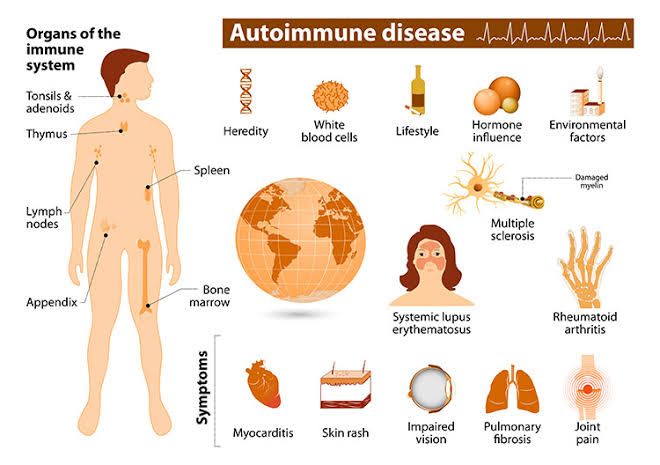
Autoimmune disorders are characterized by a dysregulated immune system that targets the body’s own tissues. Many of these conditions are systemic, affecting multiple organ systems. The kidney, with its intricate vascular network and function as a sophisticated filter, is a frequent and significant target of autoimmune-mediated injury. The resulting renal damage can lead to severe complications, including hypertension, nephrotic syndrome, and end-stage renal disease (ESRD).
Classification of Pathological Entities Involving the Kidneys
Renal involvement in autoimmune disease is diagnosed and classified based on histological findings from a kidney biopsy. This classification is crucial as it informs prognosis and directs therapeutic decisions.
A. Systemic Lupus Erythematosus (Lupus Nephritis)
Lupus Nephritis (LN) is one of the most severe manifestations of SLE, affecting up to 60% of patients. The pathology is primarily driven by the deposition of immune complexes (containing anti-dsDNA antibodies) in various structures of the glomerulus. The definitive classification is provided by the International Society of Nephrology/Renal Pathology Society (ISN/RPS).
ISN/RPS Classification of Lupus Nephritis (2003, Revised 2018):
- Class I: Minimal Mesangial Lupus Nephritis
- Pathology: Immune deposits are confined to the mesangium, visible only by immunofluorescence or electron microscopy. The glomeruli appear normal under light microscopy.
- Clinical Significance: Clinically silent or associated with only minor urinary abnormalities. Generally carries an excellent prognosis.
- Class II: Mesangial Proliferative Lupus Nephritis
- Pathology: Characterized by mesangial hypercellularity (an increased number of mesangial cells) in addition to mesangial immune deposits.
- Clinical Significance: May present with microscopic hematuria and/or mild proteinuria. Progression to severe nephritis is uncommon but possible.
- Class III: Focal Lupus Nephritis
- Pathology: Immune complex deposition in the subendothelial space, leading to endothelial injury and inflammatory cell infiltration that affects less than 50% of the glomeruli. Lesions can be active (proliferative) or chronic (sclerotic).
- Clinical Significance: A severe form of LN. Patients often present with hematuria, proteinuria, hypertension, and rising serum creatinine. Requires aggressive immunosuppressive therapy.
- Class IV: Diffuse Lupus Nephritis
- Pathology: Similar to Class III but more severe, affecting 50% or more of the glomeruli. It can be segmental or global within the affected glomeruli. This is the most common and most aggressive form of LN.
- Clinical Significance: Presents with significant hematuria, heavy proteinuria (often in the nephrotic range), hypertension, and a rapid decline in renal function. This class carries a high risk of progression to ESRD if not treated promptly.
- Class V: Membranous Lupus Nephritis
- Pathology: Characterized by diffuse thickening of the glomerular basement membrane (GBM) due to subepithelial immune deposits. It can occur in isolation or, commonly, in combination with Class III or IV lesions.
- Clinical Significance: The classic presentation is nephrotic syndrome (heavy proteinuria, edema, hypoalbuminemia). Renal function may be preserved initially but can decline over time.
- Class VI: Advanced Sclerotic Lupus Nephritis
- Pathology: Represents irreversible kidney damage, with more than 90% of glomeruli globally sclerosed (scarred).
- Clinical Significance: Corresponds to end-stage renal disease. Patients require renal replacement therapy (dialysis or transplantation).
B. Rheumatoid Arthritis (RA)
Renal involvement in RA is less common and more heterogeneous than in SLE. The pathological entities can be related to the chronic inflammatory state of RA itself or, more frequently, to the medications used for its treatment.
- Membranous Nephropathy (MN): This is the most frequently reported primary glomerulonephritis in RA patients. It involves the formation of subepithelial immune deposits, leading to GBM thickening and proteinuria. The exact link to RA is not fully understood but is thought to be immune-mediated.
- Secondary (AA) Amyloidosis: Historically a major cause of renal disease in RA, its incidence has declined with the advent of effective biologic therapies. Chronic, poorly controlled inflammation leads to overproduction of serum amyloid A (SAA) protein, which misfolds and deposits in tissues, including the glomeruli and blood vessels of the kidney, causing progressive renal failure.
- Drug-Induced Nephropathy: Many drugs used to treat RA can be nephrotoxic.
- NSAIDs: Can cause acute interstitial nephritis (AIN) or hemodynamic acute kidney injury by inhibiting prostaglandins.
- Gold Salts and D-penicillamine: Historically used agents known to cause membranous nephropathy.
- Methotrexate: High doses can cause crystalline nephropathy, but standard RA doses rarely cause direct renal toxicity, though dose adjustment is needed in pre-existing renal impairment.
- Other Glomerulonephritides: Less commonly, RA can be associated with mesangial proliferative glomerulonephritis or focal segmental glomerulosclerosis (FSGS).
C. Other Autoimmune Disorders
- ANCA-Associated Vasculitis (e.g., Granulomatosis with Polyangiitis): The classic renal lesion is a pauci-immune (few or no immune deposits) crescentic, necrotizing glomerulonephritis, leading to a rapidly progressive decline in renal function.
- Sjögren’s Syndrome: The most common renal manifestation is tubulointerstitial nephritis, which can present with renal tubular acidosis and a slow, progressive decline in GFR.
- Systemic Sclerosis (Scleroderma): The most feared renal complication is the Scleroderma Renal Crisis (SRC), an emergency characterized by malignant hypertension and acute renal failure due to severe vascular narrowing and injury.
Renal Complications and Management in SLE and RA
A. Systemic Lupus Erythematosus (Lupus Nephritis)
Renal Complications: The complications of LN directly correlate with the underlying pathological class and disease activity.
- Proteinuria and Nephrotic Syndrome: Heavy protein loss leads to edema, hyperlipidemia, and a hypercoagulable state, increasing the risk of thrombosis.
- Hypertension: A common finding, which both results from and contributes to kidney damage.
- Acute Kidney Injury (AKI) and Chronic Kidney Disease (CKD): Proliferative forms (Class III/IV) can cause a rapid decline in GFR. Over time, chronic inflammation and scarring lead to irreversible CKD and progression to ESRD.
Step-by-Step Management of Lupus Nephritis:
- Diagnosis and Monitoring: The gold standard for diagnosis and classification is a renal biopsy. Monitoring involves regular checks of blood pressure, urinalysis for protein and red blood cells, serum creatinine (to calculate eGFR), and serological markers like complement levels (C3, C4) and anti-dsDNA titers.
- General Supportive Measures:
- Blood Pressure Control: Target <130/80 mmHg, primarily using ACE inhibitors or ARBs, which also have an antiproteinuric effect.
- Proteinuria Management: ACE inhibitors/ARBs are first-line.
- Hyperlipidemia: Statins are used to manage dyslipidemia associated with nephrotic syndrome.
- Hydroxychloroquine: Recommended for all SLE patients, including those with LN, as it reduces disease flares and improves long-term outcomes.
- Induction Therapy (for Active Proliferative LN – Class III/IV): The goal is to rapidly control inflammation and achieve remission. This phase typically lasts 3-6 months.
- Corticosteroids: A course of high-dose intravenous methylprednisolone (“pulse therapy”) followed by high-dose oral prednisone with a gradual taper.
- Immunosuppressive Agent:
- Mycophenolate Mofetil (MMF): Often preferred as first-line due to a better long-term safety profile, especially concerning fertility and malignancy risk.
- Cyclophosphamide (CYC): A potent alkylating agent, highly effective but associated with significant toxicity (infertility, hemorrhagic cystitis, malignancy). Reserved for more severe cases or when MMF fails.
- Maintenance Therapy: Once remission is achieved, a less intensive regimen is continued for several years to prevent relapse.
- Mycophenolate Mofetil (MMF) or Azathioprine (AZA) are the standard maintenance agents, used in combination with a low-dose corticosteroid.
- Newer Biologic Therapies:
- Belimumab: A monoclonal antibody that inhibits B-cell activating factor (BAFF), approved as an add-on therapy for LN.
- Voclosporin: A novel calcineurin inhibitor approved specifically for LN, used in combination with MMF and corticosteroids.
B. Rheumatoid Arthritis
Renal Complications:
- Proteinuria: The most common sign, which can range from mild to nephrotic-range depending on the underlying pathology (e.g., membranous nephropathy).
- Chronic Kidney Disease: Can develop slowly due to chronic inflammation, amyloidosis, or long-term medication effects.
- Acute Kidney Injury: Often related to medication (especially NSAIDs) or, rarely, vasculitis.
Step-by-Step Management of RA-Associated Renal Disease:
- Identify the Cause: A thorough review of medications is paramount. A renal biopsy is often necessary to distinguish between drug-induced injury, membranous nephropathy, and amyloidosis, as the treatment differs significantly.
- Optimize RA Control: The cornerstone of management is achieving tight control of the underlying systemic inflammation of RA. Effective use of Disease-Modifying Antirheumatic Drugs (DMARDs) and biologics can halt the progression of AA amyloidosis and may improve other forms of glomerulonephritis.
- Manage Drug-Induced Nephropathy:
- The primary step is discontinuation of the offending agent.
- For NSAID-induced AIN, a short course of corticosteroids may be beneficial.
- Manage Specific Glomerulonephritis:
- Membranous Nephropathy: Management includes ACE inhibitors/ARBs for proteinuria and blood pressure control. If proteinuria is severe and persistent despite optimized RA control, immunosuppressive therapy (e.g., corticosteroids, rituximab) may be considered, though evidence is less robust than for LN.
- AA Amyloidosis: There is no treatment to remove existing amyloid deposits. The sole focus is on aggressively suppressing the underlying inflammation with potent DMARDs/biologics (e.g., TNF inhibitors, IL-6 inhibitors) to prevent further deposition.
References:
- Hahn, B. H., McMahon, M. A., Wilkinson, A., et al. (2012). American College of Rheumatology guidelines for screening, treatment, and management of lupus nephritis. Arthritis Care & Research, 64(6), 797–808.
- Weening, J. J., D’Agati, V. D., Schwartz, M. M., et al. (2004). The classification of glomerulonephritis in systemic lupus erythematosus revisited. Journal of the American Society of Nephrology, 15(2), 241–250.
- Fanouriakis, A., Kostopoulou, M., Cheema, K., et al. (2020). 2019 Update of the Joint European League Against Rheumatism and European Renal Association-European Dialysis and Transplant Association (EULAR/ERA-EDTA) recommendations for the management of lupus nephritis. Annals of the Rheumatic Diseases, 79(6), 713–723.
- Sparks, J. A., Chang, S. C., Tieu, J., et al. (2018). Extra-articular manifestations of rheumatoid arthritis: a comprehensive review. Rheumatology and Therapy, 5(2), 297–333.
- Icardi, A., Araghi, P., Ciabattoni, M., et al. (2004). Kidney involvement in rheumatoid arthritis. Reumatismo, 56(3), 153-162.
- Rovin, B. H., Furie, R., Latinis, K., et al. (2021). Efficacy and safety of voclosporin versus placebo for lupus nephritis (AURORA 1): a double-blind, randomised, multicentre, placebo-controlled, phase 3 trial. The Lancet, 397(10289), 2070-2080.