Characteristics of Microorganisms that Cause Infection of the Cardiovascular System: Their Pathogenicity and Methods of Identification
Introduction to Cardiovascular Infections
Infections of the cardiovascular system can be caused by various microorganisms, including bacteria, viruses, fungi, and parasites. These infections can lead to serious conditions such as endocarditis, myocarditis, pericarditis, and sepsis. Understanding the characteristics of these pathogens is crucial for effective diagnosis and treatment.
Pathogenicity of Microorganisms
- Bacteria
- Staphylococcus aureus: This bacterium is a common cause of infective endocarditis. It has virulence factors such as protein A, which helps it evade the immune response, and the ability to form biofilms on heart valves.
- Streptococcus viridans: Often found in the oral cavity, this group of bacteria can enter the bloodstream during dental procedures or poor oral hygiene. They are known for their ability to adhere to damaged heart valves.
- Enterococcus species: These bacteria are part of normal intestinal flora but can cause infections in immunocompromised patients or those with underlying heart conditions.
- Viruses
- Coxsackievirus B: This virus is associated with myocarditis and can lead to inflammation of the heart muscle. Its pathogenicity is linked to its ability to replicate within cardiac myocytes.
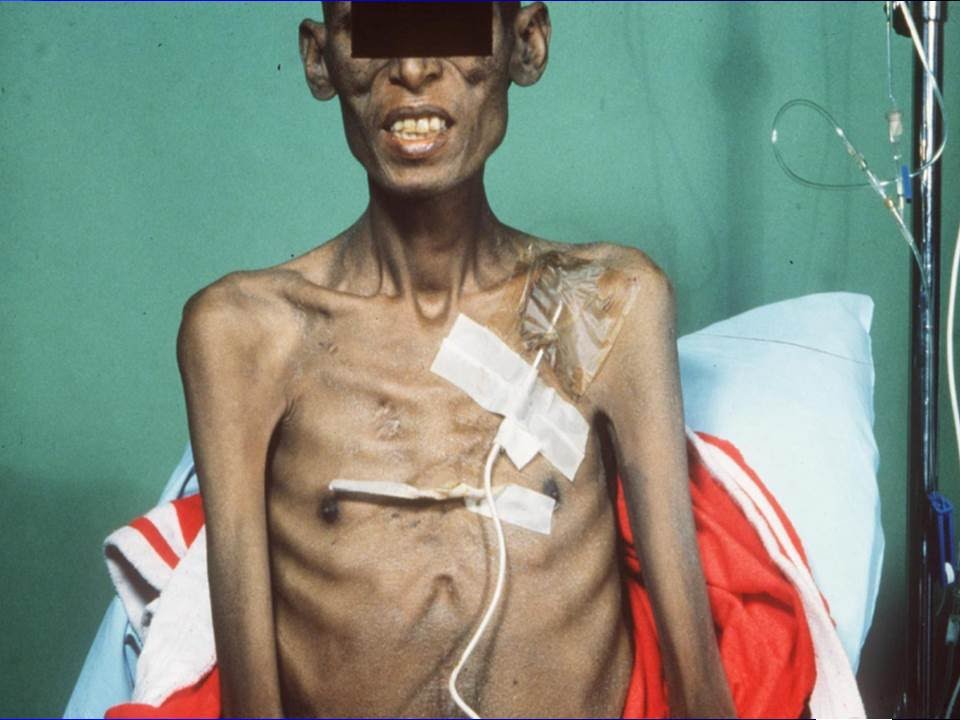
- Human Immunodeficiency Virus (HIV): While primarily affecting the immune system, HIV can also lead to cardiovascular complications through chronic inflammation and opportunistic infections.
- Fungi
- Candida species: These fungi can cause endocarditis in immunocompromised individuals or those with prosthetic heart valves. Their pathogenicity is enhanced by their ability to form biofilms and resist antifungal treatments.
- Aspergillus species: Known for causing invasive infections in immunocompromised patients, they can also affect cardiac tissues directly or indirectly through systemic spread.
- Parasites
- Trypanosoma cruzi: The causative agent of Chagas disease, this parasite affects cardiac tissues leading to cardiomyopathy over time. Its pathogenicity involves direct invasion of cardiac cells and an inflammatory response.
- Leishmania species: Although primarily associated with cutaneous leishmaniasis, certain species can affect the cardiovascular system in severe cases.
Methods of Identification
- Microbiological Cultures
- Blood cultures are essential for identifying bacterial pathogens in cases of suspected endocarditis or sepsis. Specific media may be used depending on whether aerobic or anaerobic bacteria are suspected.
- Serological Tests
- Serological assays can detect antibodies against specific pathogens (e.g., Coxsackievirus) or antigens from fungi (e.g., Candida). These tests help confirm diagnoses when cultures are negative.
- Polymerase Chain Reaction (PCR)
- PCR techniques allow for rapid identification of microbial DNA from blood samples or tissue biopsies. This method is particularly useful for detecting viral pathogens like HIV or Coxsackievirus that may not grow well in culture.
- Imaging Techniques
- Echocardiography is crucial for visualizing vegetations on heart valves caused by bacterial infections like endocarditis. MRI may also be used for assessing myocarditis caused by viral infections.
- Histopathological Examination
- Tissue samples obtained from biopsies can be examined under a microscope to identify fungal elements or inflammatory changes indicative of infection.
- Molecular Typing
- Advanced techniques such as whole-genome sequencing enable detailed characterization of pathogens involved in outbreaks or recurrent infections.
In summary, microorganisms that infect the cardiovascular system exhibit diverse pathogenic mechanisms and require various identification methods tailored to their unique characteristics.
Role of Streptococcus viridans in Endocarditis
Introduction to Streptococcus viridans
Streptococcus viridans is a group of alpha-hemolytic streptococci that are part of the normal flora of the human mouth and upper respiratory tract. This group includes several species, with Streptococcus sanguinis and Streptococcus mutans being among the most notable. While these bacteria are typically harmless in healthy individuals, they can become pathogenic under certain conditions, particularly in cases where there is disruption to the normal barriers of the body.
Pathogenesis of Endocarditis
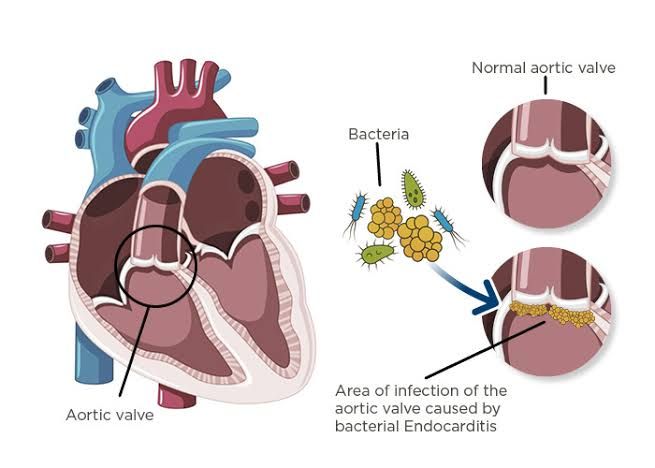
Infective endocarditis (IE) occurs when bacteria enter the bloodstream and adhere to heart valves or damaged heart tissue. Streptococcus viridans is one of the most common causes of subacute bacterial endocarditis, particularly affecting individuals with pre-existing heart conditions such as valvular heart disease or congenital heart defects. The pathogenesis involves several steps:
- Bacteremia: The introduction of S. viridans into the bloodstream can occur through various means, including dental procedures, poor oral hygiene, or even routine activities like brushing teeth. When dental work is performed, bacteria from the oral cavity can enter the bloodstream.
- Adherence to Heart Valves: Once in circulation, S. viridans can adhere to damaged or abnormal heart valves due to their ability to form biofilms. This adherence is facilitated by surface proteins that allow them to bind to fibrin and platelets on injured endothelial surfaces.
- Vegetation Formation: After adherence, S. viridans proliferates and forms vegetations—masses of platelets, fibrin, and microorganisms—on the heart valves. These vegetations can disrupt normal valve function and lead to complications such as regurgitation or obstruction.
- Immune Response: The presence of these vegetations triggers an immune response that can result in further damage to cardiac tissues and systemic emboli if parts of the vegetation break off and travel through the bloodstream.
Clinical Presentation
Patients with endocarditis caused by S. viridans may present with a variety of symptoms including fever, chills, fatigue, weight loss, and signs related to embolic events (such as petechiae or splinter hemorrhages). In some cases, patients may also experience murmurs due to valvular dysfunction.
Diagnosis
The diagnosis of endocarditis typically involves blood cultures that reveal bacteremia with S. viridans along with echocardiographic findings showing vegetations on heart valves. Transthoracic echocardiography (TTE) is often used initially; however, transesophageal echocardiography (TEE) may be required for better visualization in certain cases.
Treatment
The treatment for infective endocarditis caused by S. viridans usually involves prolonged courses of intravenous antibiotics tailored based on susceptibility patterns. Commonly used antibiotics include penicillin or ceftriaxone combined with gentamicin for synergistic effect during initial therapy.
In cases where there is significant valve damage or persistent infection despite antibiotic therapy, surgical intervention may be necessary to repair or replace affected valves.
Conclusion
Streptococcus viridans plays a significant role in infective endocarditis primarily associated with dental health issues and underlying cardiac conditions. Its ability to cause disease underscores the importance of maintaining good oral hygiene and monitoring at-risk populations for early detection and management of potential endocarditis.
Role of Streptococcus pyogenes in Rheumatic Fever
Introduction to Streptococcus pyogenes and Acute Rheumatic Fever (ARF)
Streptococcus pyogenes, also known as Group A Streptococcus (GAS), is a bacterium responsible for various infections, including pharyngitis (strep throat) and skin infections. Following these infections, particularly pharyngitis, some individuals may develop acute rheumatic fever (ARF), a serious autoimmune condition that can lead to significant morbidity and mortality. The onset of ARF typically occurs 1 to 5 weeks after the initial streptococcal infection.
Mechanism of Autoimmunity
The pathogenesis of ARF is primarily attributed to an autoimmune response triggered by the infection with S. pyogenes. This autoimmune response is believed to be mediated through a mechanism known as molecular mimicry, where the immune system mistakenly targets host tissues due to similarities between bacterial antigens and human proteins. In particular, the M protein found on the surface of S. pyogenes has been implicated in this process because it shares structural similarities with cardiac myosin, leading to cross-reactivity that can damage heart tissues.
Clinical Manifestations of ARF
ARF can affect multiple organ systems, but its most severe consequences are often seen in the cardiovascular system. Carditis, which occurs in approximately 50% to 70% of first episodes of ARF, can result in long-term complications such as rheumatic heart disease (RHD). Other manifestations include arthritis, chorea (a neurological disorder), and skin lesions such as erythema marginatum and subcutaneous nodules.
Collagen Binding and Immune Response
Recent studies have highlighted specific strains of S. pyogenes—particularly serotypes M3 and M18—that possess unique capabilities to bind collagen type IV found in human basement membranes. This binding may facilitate colonization and contribute to the pathogenicity of these strains during ARF outbreaks. The presence of anti-collagen antibodies has been observed in patients with ARF, suggesting that these antibodies may play a role in the autoimmune processes associated with the disease.
Risk Factors for Developing ARF
Certain populations are at higher risk for developing ARF following streptococcal infections. These include children aged 5 to 15 years, individuals living in crowded conditions (such as schools or military barracks), and those with a history of previous rheumatic fever episodes. The risk is particularly pronounced within the first few years following an initial episode.
Conclusion: The Link Between S. pyogenes and Rheumatic Fever
In summary, Streptococcus pyogenes plays a critical role in the development of acute rheumatic fever through its ability to trigger an autoimmune response via molecular mimicry, leading to inflammation and damage across multiple organ systems. Understanding this relationship is essential for developing preventive strategies against both streptococcal infections and their sequelae.