
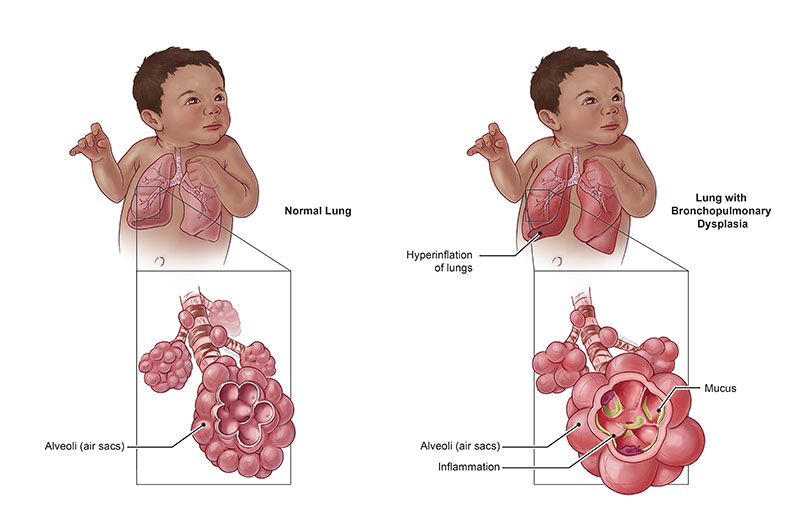
Bronchopulmonary dysplasia (BPD), frequently referred to as chronic lung disease of prematurity, represents a significant cause of...
PEDIATRICS

Apnea of Prematurity (AOP) is a common and often concerning clinical phenomenon encountered in the neonatal intensive...

The transition from fetal to extrauterine life represents one of the most physiologically significant events in human...

Transient Tachypnea of the Newborn (TTN), historically referred to as “wet lung,” is the most common respiratory...
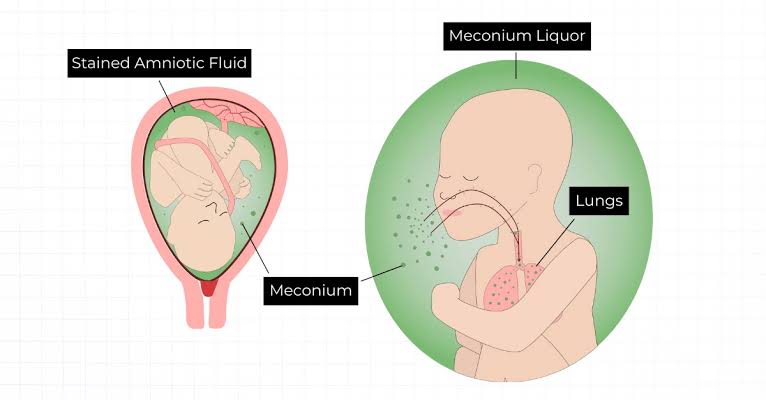
Meconium Aspiration Syndrome (MAS) represents one of the most significant challenges in neonatal resuscitation and critical care....

In pediatrics, few events are as terrifying for caregivers and as challenging for clinicians as the sudden,...

Sudden Unexpected Infant Death (SUID) is a broad term that encompasses all sudden and unexplained deaths in...

Stool incontinence, medically known as encopresis, is a challenging and often distressing condition characterized by the repeated...

Urinary incontinence, the involuntary leakage of urine, is a common and often distressing condition in the pediatric...

Respiratory tract infections are a leading cause of global morbidity and mortality, particularly among vulnerable populations such...
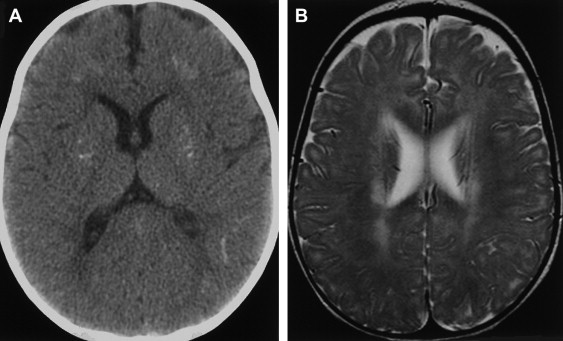
Progressive Rubella Panencephalitis (PRP) is an exceptionally rare and devastatingly fatal neurodegenerative disorder that represents a late-stage...
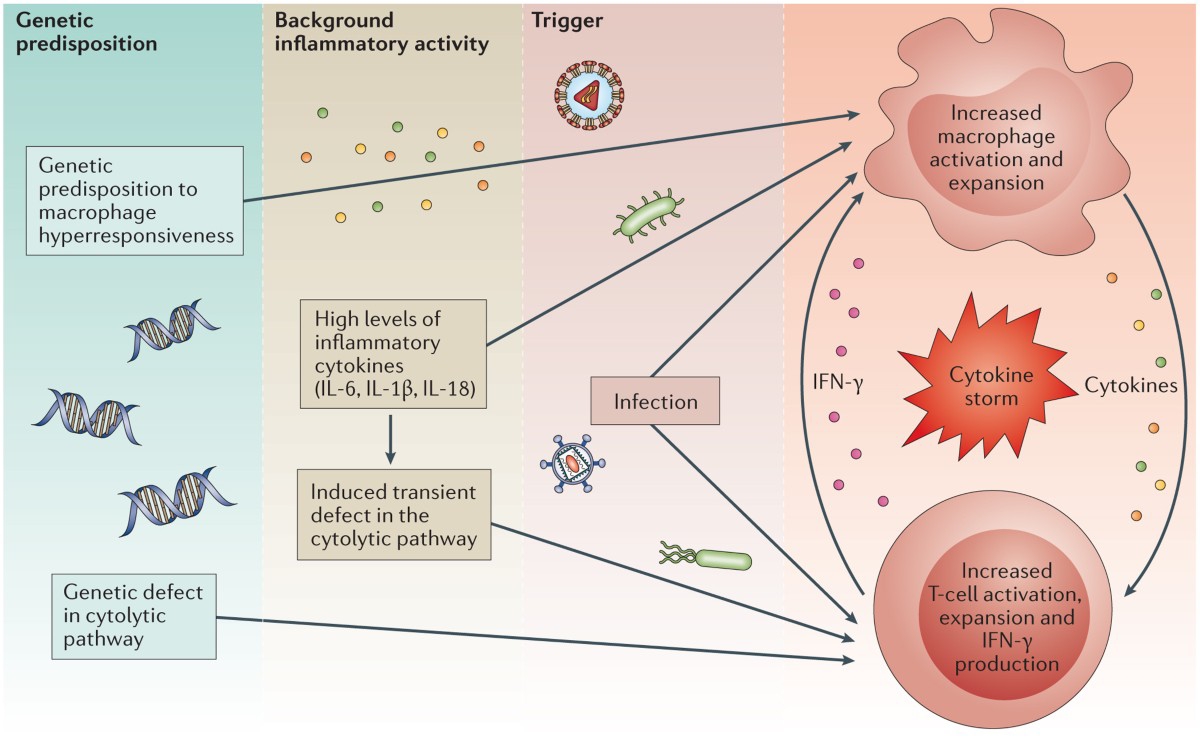
Macrophage Activation Syndrome (MAS) represents one of the most severe and life-threatening complications encountered in the field...

Neurofibromatosis (NF) represents a group of complex genetic disorders that primarily affect the nervous system, causing tumors...
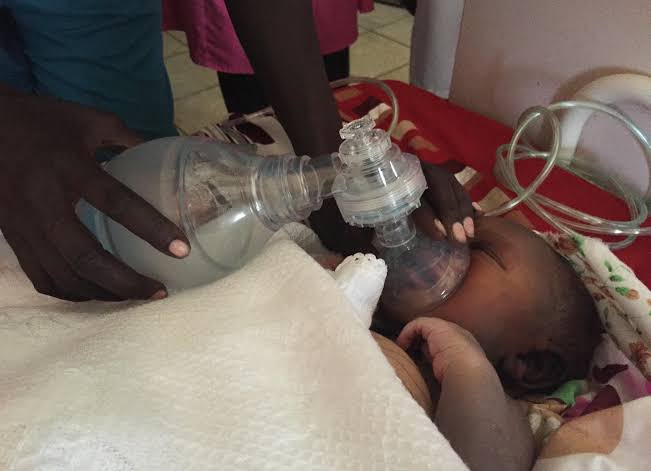
The miracle of birth is often fraught with challenges, particularly in low-resource settings where access to advanced...
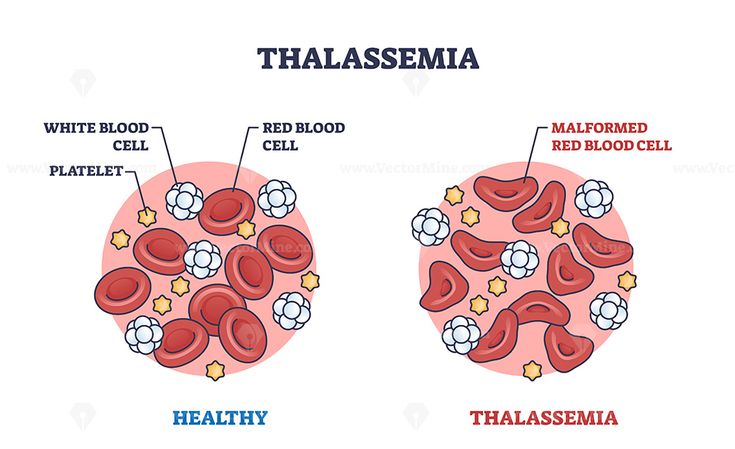
Thalassemia is a group of inherited hemoglobinopathies characterized by the reduced or absent synthesis of one or...

Immediate care of the newborn is a critical, high-stakes period requiring synchronized interprofessional collaboration to ensure optimal...

Friedreich’s Ataxia (FA) is the most common inherited ataxia, a progressive neurodegenerative disorder characterized by damage to...
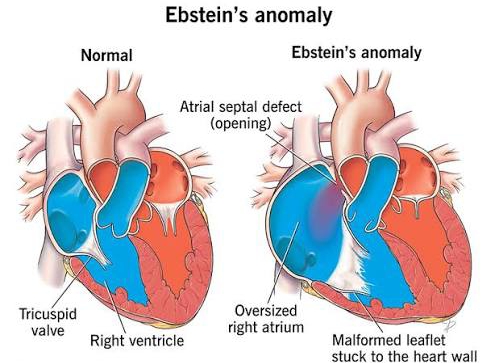
Ebstein anomaly is a rare, complex congenital heart defect characterized by an apical displacement of the septal...
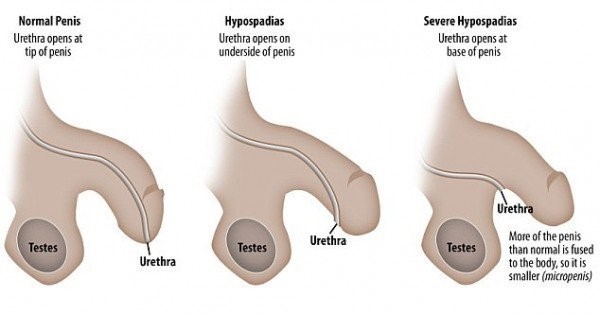
Hypospadias is one of the most common congenital anomalies of the male genitourinary tract, characterized by an...
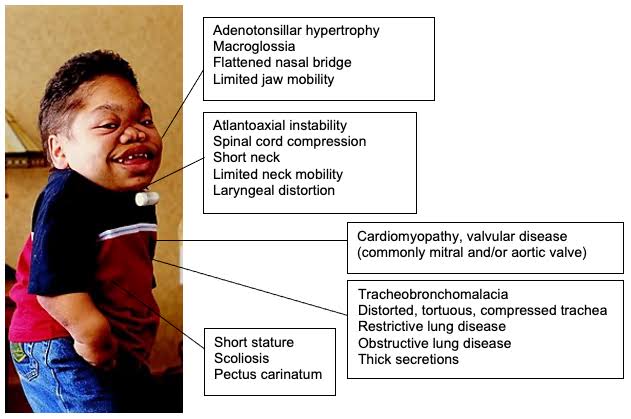
Mucopolysaccharidoses (MPS) are a group of rare, inherited lysosomal storage disorders characterized by the deficiency of specific...

Tricuspid atresia (TA) is a complex cyanotic congenital heart defect characterized by the complete absence of the...
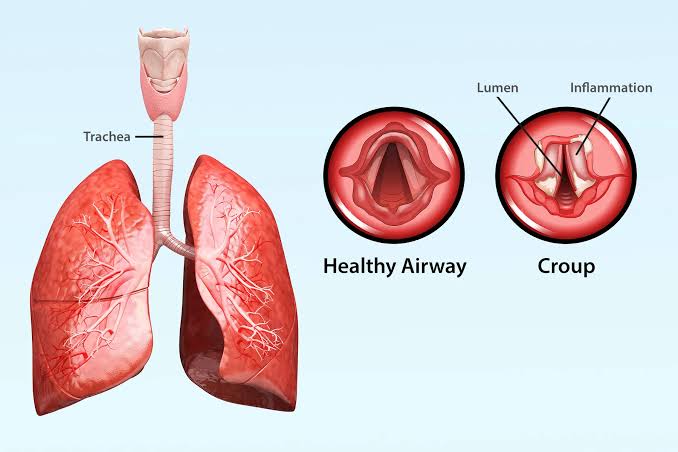
Croup, clinically known as Laryngotracheobronchitis, is a common acute upper airway obstruction syndrome predominantly affecting infants and...

Hereditary neuropathies, also known as inherited neuropathies, are a large and heterogeneous group of genetic disorders that...

Developmental assessment is a structured, in-depth process used by healthcare professionals, psychologists, and educators to evaluate a...
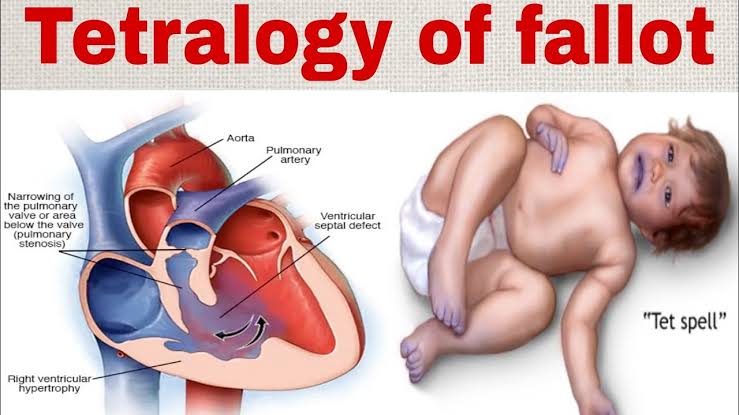
Tetralogy of Fallot (TOF) is the most common cyanotic congenital heart defect, representing approximately 10% of all...

Supraventricular tachycardia (SVT) is the most common symptomatic arrhythmia encountered in the pediatric population. It is characterized...

Neonates, especially those born prematurely, are vulnerable due to their immature physiological systems. Understanding and expeditiously managing...

Diabetes in children, predominantly Type 1 Diabetes Mellitus (T1DM), is a chronic condition requiring lifelong management. Early...

Stridor, derived from the Latin word “stridor” meaning a harsh, grating, or creaking sound, is a high-pitched,...
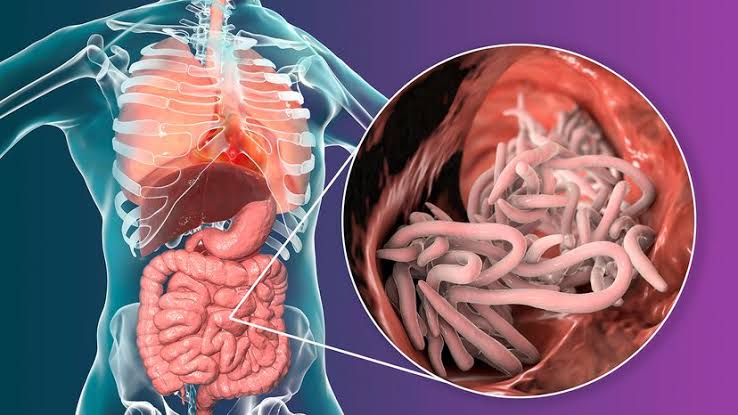
Helminthic infestations, commonly known as worm infections, remain a significant public health challenge globally, particularly in regions...

Metabolic and Toxic Disorders Common in Children Metabolic and toxic disorders in children encompass a range of...

Failure to Thrive (FTT) in Children: Etiopathogenesis, Clinical Features, and Management (a) Etiopathogenesis of Failure to Thrive...

Inborn errors of metabolism are rare genetic disorders that affect the body’s ability to convert food into...

Different Presentations of Upper Respiratory Tract Infections in Children Upper respiratory tract infections (URIs) are among the...
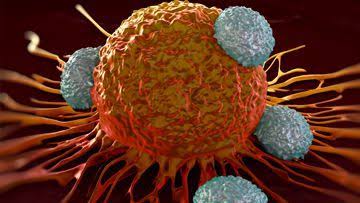
Categories of Solid Tumors in Children Solid tumors in children can be categorized based on their origin,...
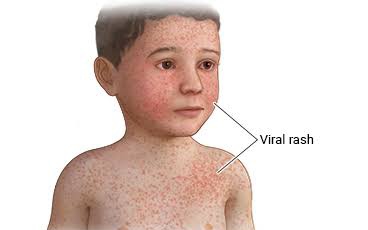
Understanding the Variant Definitions of Skin Lesions in Children The classification and understanding of skin lesions in...

Birth asphyxia is a medical condition that occurs when a baby does not receive enough oxygen and blood...

Signs of Respiratory Distress in Newborns Respiratory distress in newborns is a critical condition that requires immediate...

Neonatal resuscitation is a critical intervention aimed at stabilizing newborns who are not breathing or have inadequate...

What is Enuresis? Enuresis, commonly known as bedwetting, refers to the involuntary release of urine during sleep....

Acute flaccid paralysis (AFP) is a rare but serious neurological condition characterized by the rapid onset of...

Main Cause of Hypotonia in Children Hypotonia, or decreased muscle tone, can arise from a variety of...

Different Types of Formula Used in Infants Infant formula is designed to provide the necessary nutrition for...

Types and Causes of Acyanotic Congenital Heart Disease Types of Acyanotic Congenital Heart Disease Acyanotic congenital heart...

Clinical Significance and Types of Cyanosis Cyanosis is a clinical sign characterized by a bluish or purplish...

Wheezing is a common respiratory symptom characterized by a high-pitched whistling sound during breathing, particularly during expiration....

Anemia in a child is a medical condition characterized by a deficiency of red blood cells or...

Prematurity refers to the condition of being born before the completion of a full term of gestation,...

Puberty is the period of physical and psychological development during which a child’s body matures into an...

Neonatal sepsis is a serious medical condition characterized by a systemic infection in newborn infants within the...

Gestational diabetes is a type of diabetes that develops during pregnancy in women who did not have...
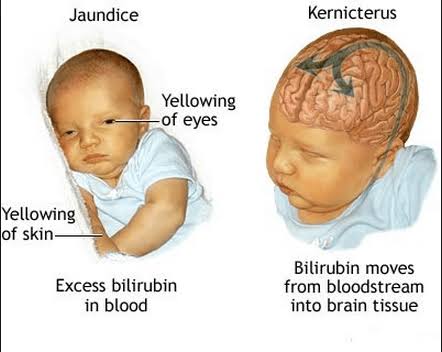
Neonatal jaundice, also known as hyperbilirubinemia, is a common condition in newborns characterized by the yellow discoloration...