
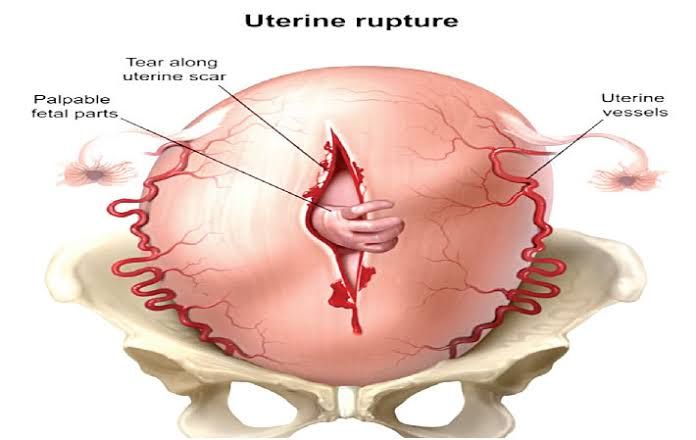
Definition of Ruptured Uterus
A ruptured uterus, or uterine rupture, is a serious obstetric complication characterized by the tearing of the muscular wall of the uterus. This condition can occur during labor or delivery, particularly in individuals who have had previous cesarean sections (C-sections). The rupture typically happens along the scar line from prior surgical interventions. When a rupture occurs, it creates a hole in the uterus and can lead to severe complications for both the birthing person and the fetus, including significant blood loss and fetal distress.
Differentiation from Perforation
While both uterine rupture and perforation involve damage to the uterine wall, they are distinct conditions with different implications:
- Uterine Rupture:
- This condition usually occurs during labor or delivery and is often associated with previous uterine surgery, such as C-sections. It involves a complete tear through all layers of the uterine wall, which can lead to immediate medical emergencies requiring surgical intervention.
- Symptoms may include sudden abdominal pain, vaginal bleeding, changes in fetal heart rate, and signs of shock due to internal bleeding.
- Uterine Perforation:
- Perforation refers to a breach in the uterine wall that may occur due to various reasons including surgical procedures (such as dilation and curettage), trauma, or certain medical conditions. Unlike rupture, perforation does not necessarily involve labor or delivery.
- The severity of perforation can vary; it may be partial (involving only some layers) or complete but is generally less common than rupture during childbirth scenarios.
- Symptoms might also include abdominal pain and bleeding but can be more subtle depending on the cause and extent of the perforation.
In summary, while both conditions involve damage to the uterus, a ruptured uterus is primarily associated with childbirth complications following previous surgeries, whereas perforation can result from various causes unrelated to labor.
Causes of Ruptured Uterus
The causes of a ruptured uterus can be categorized based on whether they occur during pregnancy or labor, and whether they are spontaneous or induced.
1. Causes During Pregnancy
- Previous Uterine Surgery: A history of cesarean section (C-section) or other uterine surgeries (e.g., myomectomy) can weaken the uterine wall, increasing the risk of rupture in subsequent pregnancies.
- Uterine Anomalies: Congenital anomalies such as uterine didelphys, bicornuate uterus, or septate uterus may predispose individuals to rupture due to abnormal structural integrity.
- Multiple Gestations: Carrying twins or higher-order multiples increases the size and pressure within the uterus, which may contribute to rupture.
- Polyhydramnios: Excessive amniotic fluid can stretch the uterus beyond its normal capacity, potentially leading to rupture.
- Trauma: Abdominal trauma from accidents or falls can cause direct injury to the uterus.
2. Causes During Labor
- Induced Labor: The use of medications such as oxytocin (Pitocin) for labor induction can increase uterine contractions’ intensity and frequency, raising the risk of rupture, especially in women with previous uterine surgery.
- Prolonged Labor: Extended labor can lead to fatigue of the uterine muscles and increased stress on the uterine wall, which may result in rupture.
- Fetal Macrosomia: A larger-than-average baby (macrosomia) increases pressure on the uterine walls during delivery, which may contribute to rupture.
- Malpresentation: Abnormal fetal positions (e.g., breech presentation) can complicate delivery and increase stress on the uterus.
- Forceful Delivery Techniques: Use of forceps or vacuum extraction during delivery can exert excessive force on the uterus and lead to rupture.
3. Spontaneous vs. Induced Rupture
- Spontaneous Rupture:
- This type occurs without any medical intervention. Factors contributing include:
- Weakness in the uterine wall due to previous surgeries.
- Congenital anomalies.
- Trauma.
- This type occurs without any medical intervention. Factors contributing include:
- Induced Rupture:
- This occurs as a result of medical interventions during labor. Contributing factors include:
- Use of medications like oxytocin.
- Mechanical interventions such as artificial rupture of membranes (amniotomy).
- Aggressive management of prolonged labor.
- This occurs as a result of medical interventions during labor. Contributing factors include:
In summary, a ruptured uterus can arise from various causes related to both pregnancy and labor stages. Understanding these causes is crucial for prevention and timely intervention in at-risk individuals.
Mechanism of Spontaneous Rupture in Labor
The spontaneous rupture of membranes (ROM) during labor is a significant event that typically occurs at full term, marking the transition from pregnancy to labor. The mechanism behind this process involves several physiological changes and factors:
1. Increased Uterine Contractions: As labor progresses, the frequency and intensity of uterine contractions increase. These contractions are driven by hormonal changes, particularly the release of oxytocin and prostaglandins. The contractions exert pressure on the amniotic sac, which can lead to its rupture.
2. Pressure Dynamics: The position of the fetus within the uterus plays a crucial role in ROM. As the fetal head descends into the birth canal, it exerts pressure on the lower segment of the uterus and cervix. This pressure can create tension on the membranes surrounding the amniotic fluid, making them more susceptible to rupture.
3. Membrane Integrity: The integrity of the amniotic sac is influenced by various factors, including its composition and structural properties. Over time, as pregnancy progresses, biochemical changes occur within the membranes that may weaken their structure. For instance, increased levels of enzymes such as collagenase can degrade collagen fibers in the membranes, reducing their tensile strength.
4. Hormonal Influence: Hormones play a pivotal role in preparing for labor and delivery. Prostaglandins not only stimulate uterine contractions but also contribute to cervical ripening—softening and dilation of the cervix—which can further facilitate membrane rupture.
5. Mechanical Factors: In addition to hormonal influences, mechanical factors such as fetal movements can contribute to ROM. As the fetus moves and shifts position during labor, it may apply additional stress on specific areas of the amniotic sac, leading to localized ruptures.
6. Timing During Labor: Spontaneous rupture often occurs during active labor when cervical dilation reaches around 4-6 centimeters or more. At this stage, uterine contractions are strong enough to exert sufficient force on the membranes.
In summary, the mechanism of spontaneous rupture during labor involves increased uterine contractions applying pressure on weakened membranes due to hormonal changes and mechanical forces from fetal descent, ultimately leading to a rupture that releases amniotic fluid.
Types of Uterine Rupture
Uterine rupture can be classified into two main types: complete rupture and incomplete rupture.
- Complete Rupture: This type involves a full-thickness tear through the uterine wall, which can extend into the surrounding structures, such as the abdominal cavity. It poses significant risks to both the mother and fetus, including severe hemorrhage and fetal distress.
- Incomplete Rupture: In this case, the tear does not extend through all layers of the uterine wall. The muscle layers may be torn, but the peritoneum (the lining of the abdominal cavity) remains intact. While still serious, incomplete ruptures may have less immediate risk compared to complete ruptures.
Silent Rupture
A silent rupture refers to a situation where a uterine rupture occurs without noticeable symptoms or signs that are typically associated with this condition. This can make diagnosis challenging because the affected individual may not experience the acute pain or distress that usually accompanies a rupture. Silent ruptures are particularly dangerous as they can lead to significant complications without timely medical intervention. Symptoms may be subtle or mistaken for other conditions, leading to delays in treatment that could be life-threatening for both the mother and fetus.
Dehiscence
Uterine dehiscence is a related but distinct condition from uterine rupture. It refers to a partial separation of the uterine wall at the site of a previous incision or scar, often from a prior cesarean section. Unlike complete rupture, dehiscence does not involve a full-thickness tear through all layers of tissue; instead, it may involve only some layers being compromised while others remain intact.
Dehiscence can occur during labor or delivery and may present with fewer symptoms than complete rupture, making it harder to detect without careful monitoring by healthcare providers. Although it is generally considered less severe than complete rupture, dehiscence can still pose risks such as increased bleeding and potential complications for future pregnancies.
In summary:
- Types of Uterine Rupture: Complete and Incomplete
- Silent Rupture: Occurs without noticeable symptoms.
- Dehiscence: Partial separation of uterine wall at an incision site.
Clinical Picture of Ruptured Uterus
The clinical presentation of a ruptured uterus can vary, but it typically includes several key signs and symptoms that may indicate this life-threatening condition.
- Abdominal Pain: One of the most common initial symptoms is sudden, severe abdominal pain. Patients may describe this pain as feeling like their abdomen is “ripping” or “tearing.” This pain often occurs abruptly and may be accompanied by a sense of impending doom.
- Fetal Heart Rate Changes: A significant indicator of uterine rupture is fetal heart rate abnormalities. This can manifest as fetal bradycardia (a slow heart rate) or variable decelerations in the fetal heart rate pattern. These changes are critical signs that require immediate medical evaluation.
- Signs of Hypovolemia: As the rupture leads to internal bleeding, maternal symptoms may include signs of hypovolemia such as rapid heart rate, low blood pressure, dizziness, and fainting. These symptoms indicate significant blood loss and require urgent intervention.
- Loss of Fetal Station: During a cervical examination, healthcare providers may note a loss of fetal station—meaning that the fetus has moved from its expected position within the uterus into the abdominal cavity due to the rupture.
- Physical Examination Findings: On physical examination, there may be tenderness over the abdomen, and in some cases, palpable fetal parts may be felt outside the uterus if the fetus has been expelled into the peritoneal cavity. Additionally, there might be evidence of peritoneal irritation or rebound tenderness indicating intra-abdominal bleeding.
- Other Symptoms: Other potential symptoms include nausea and vomiting, decreased fetal movement reported by the mother, and in severe cases, shock due to massive hemorrhage.
The diagnosis of uterine rupture is often confirmed through surgical exploration (laparotomy), where direct visualization allows for assessment of uterine integrity and any necessary interventions to deliver the fetus and manage maternal hemorrhage.
In summary, uterine rupture presents with acute abdominal pain, abnormal fetal heart patterns, signs of maternal hypovolemia, loss of fetal station during examination, and specific findings upon physical assessment—all necessitating immediate medical attention to prevent severe morbidity or mortality for both mother and child.
Lines of Management of Ruptured Uterus
1. Immediate Assessment and Stabilization: The first step in managing a ruptured uterus is to assess the patient’s condition. This includes checking vital signs, level of consciousness, and signs of hypovolemic shock. Intravenous (IV) access should be established for fluid resuscitation and blood transfusions if necessary.
2. Emergency Surgical Intervention: Surgical intervention is typically required to manage a ruptured uterus. The type of surgery performed may vary based on the extent of the rupture and the patient’s condition:
- Laparotomy: A surgical incision into the abdominal cavity is made to directly visualize and assess the uterus.
- Repair or Hysterectomy: If the rupture is manageable, the surgeon may repair the uterine wall. However, if there is significant damage or if the patient has had multiple previous cesarean sections, a total abdominal hysterectomy may be necessary.
3. Control of Hemorrhage: During surgery, controlling any hemorrhage is critical. This may involve clamping blood vessels or performing a hysterectomy if bleeding cannot be controlled through other means.
4. Postoperative Care: Post-surgery, patients require close monitoring in a recovery area for signs of infection, further bleeding, or complications related to anesthesia. Pain management and emotional support are also important components of postoperative care.
5. Counseling and Future Pregnancy Planning: After stabilization and recovery from surgery, it’s essential to provide counseling regarding future pregnancies. Patients who have experienced a uterine rupture are generally advised about the risks associated with subsequent pregnancies and deliveries, including considerations for planned cesarean deliveries.
6. Multidisciplinary Approach: Involving a multidisciplinary team—including obstetricians, anesthesiologists, nurses, and possibly mental health professionals—can enhance patient outcomes by addressing both physical and psychological needs during recovery.
Complications of Ruptured Uterus
Below are the primary complications associated with a ruptured uterus:
1. Severe Blood Loss (Hemorrhage)
When the uterus ruptures, it can lead to significant blood loss due to the tearing of blood vessels within the uterine wall. This hemorrhage can be life-threatening and may require immediate surgical intervention, such as a hysterectomy (removal of the uterus) or other measures to control bleeding.
2. Fetal Distress or Death
The rupture exposes the fetus to the abdominal cavity, which can lead to a lack of oxygen (hypoxia) and potential brain damage or suffocation. The fetal heart rate may show signs of distress, such as prolonged deceleration or bradycardia, indicating that immediate delivery is necessary to prevent death or severe injury.
3. Infection
The exposure of internal organs and tissues due to a ruptured uterus increases the risk of infection, including endometritis (infection of the uterine lining) and peritonitis (infection of the abdominal cavity). These infections can complicate recovery and may require antibiotic treatment or further surgical intervention.
4. Organ Damage
In some cases, a uterine rupture can cause damage to surrounding organs, such as the bladder or intestines. This can lead to additional complications requiring surgical repair and extended recovery time.
5. Long-term Reproductive Issues
A ruptured uterus often necessitates surgical interventions that may affect future pregnancies. For instance, if a hysterectomy is performed, it will eliminate any possibility of future pregnancies. Even if only repair surgery is done, there may be increased risks in subsequent pregnancies, including higher chances of uterine rupture in future deliveries.
6. Maternal Morbidity
The physical trauma from a ruptured uterus can result in long-term health issues for the birthing person, including chronic pain or psychological effects related to traumatic birth experiences.
7. Anemia
Significant blood loss from a ruptured uterus can lead to anemia, which occurs when there are not enough red blood cells to carry adequate oxygen throughout the body. This condition may require blood transfusions and prolonged recovery.
In summary, a ruptured uterus poses serious risks that necessitate immediate medical attention to mitigate potential complications for both mother and child.
Signs of Shock from a Ruptured Uterus
When a uterine rupture occurs, it can lead to significant maternal and fetal complications, including shock. Shock is a critical condition that arises when the body does not receive enough blood flow, leading to insufficient oxygen delivery to tissues. The signs of shock associated with a ruptured uterus can be categorized into several key areas:
1. Hemodynamic Changes:
- Tachycardia: An increased heart rate is often one of the first signs of shock. The body compensates for decreased blood volume by increasing heart rate to maintain cardiac output.
- Hypotension: Low blood pressure may occur as blood volume decreases due to hemorrhage. This is particularly concerning if systolic blood pressure drops below 90 mmHg.
2. Respiratory Changes:
- Tachypnea: Increased respiratory rate may be observed as the body attempts to compensate for reduced oxygen delivery.
- Shortness of Breath: Patients may experience difficulty breathing due to hypovolemia and inadequate perfusion.
3. Skin Changes:
- Pallor or Cyanosis: The skin may appear pale or bluish due to poor perfusion and oxygenation.
- Cool, Clammy Skin: Peripheral vasoconstriction in response to shock can lead to cool and sweaty skin.
4. Neurological Signs:
- Altered Mental Status: Patients may exhibit confusion, lethargy, or decreased responsiveness due to inadequate cerebral perfusion.
- Anxiety or Restlessness: Early signs of shock can include feelings of anxiety or agitation as the body senses distress.
5. Gastrointestinal Symptoms:
- Nausea and Vomiting: These symptoms can occur as part of the body’s stress response during shock.
- Decreased Bowel Sounds: Hypoperfusion can lead to reduced gastrointestinal activity.
6. Urinary Output:
- Oliguria or Anuria: Decreased urine output is a sign of renal hypoperfusion and indicates severe fluid loss.
Recognizing these signs early is crucial for timely intervention, which may include fluid resuscitation, blood transfusions, and surgical intervention to manage the rupture and stabilize the patient.
Importance of Rapid Intervention
Uterine rupture is a critical obstetric emergency that can have severe consequences for both the birthing person and the fetus. The importance of rapid intervention in cases of uterine rupture can be outlined as follows:
- Prevention of Maternal Morbidity and Mortality: Uterine rupture can lead to significant maternal complications, including severe hemorrhage, shock, and even death. Quick surgical intervention is essential to control bleeding and repair the uterus, which can drastically reduce the risk of life-threatening conditions.
- Protection of Fetal Well-being: When a uterine rupture occurs, the fetus is at immediate risk due to loss of protective amniotic fluid and potential lack of oxygen. Rapid delivery through emergency cesarean section is crucial to minimize fetal distress and prevent long-term neurological damage or stillbirth.
- Reduction in Complications: Timely diagnosis and intervention can help mitigate complications such as infection, need for blood transfusions, or additional surgeries (e.g., hysterectomy). The quicker the response, the better the chances are for preserving reproductive health for future pregnancies.
- Improved Outcomes: Studies indicate that swift management following a uterine rupture significantly improves outcomes for both mother and child. Early recognition by healthcare providers and immediate surgical action can lead to successful repairs with fewer long-term effects.
- Enhanced Recovery: Rapid intervention not only addresses acute issues but also facilitates a smoother recovery process post-surgery, allowing mothers to return to their normal lives more quickly while ensuring proper care for their newborns.
In summary, the urgency associated with managing a ruptured uterus cannot be overstated; it is vital for safeguarding maternal and fetal health.
Roles of Healthcare Professionals
- Obstetricians: They play a central role in diagnosing uterine rupture through clinical assessment and imaging studies such as ultrasound or CT scans. Their expertise is crucial during surgical interventions, whether it be an emergency cesarean section or laparotomy.
- Anesthesiologists: These professionals are vital for managing anesthesia during surgery, ensuring that the patient is stable and comfortable throughout the procedure. They also monitor vital signs and manage pain relief postoperatively.
- Nurses: Nursing staff are essential for providing continuous care before, during, and after surgery. They monitor the patient’s condition, administer medications, assist with preparations for surgery, and provide emotional support to the patient and family members.
- Radiologists: In cases where imaging is required to confirm a diagnosis of uterine rupture, radiologists interpret CT scans or ultrasounds quickly to provide timely information that guides treatment decisions.
- Neonatologists: If the fetus is viable at the time of rupture, neonatologists are involved immediately after delivery to assess and manage any complications that may arise in the newborn due to the emergency situation.
- Social Workers/Psychologists: After a traumatic event like uterine rupture, psychological support becomes important for both mothers who may experience grief or trauma from loss and families adjusting to new realities.
Communication and Coordination
Effective communication among team members is paramount in managing uterine rupture cases. Regular briefings ensure that everyone understands their roles and responsibilities during an emergency situation. Utilizing checklists can help streamline processes such as surgical preparation and postoperative care.
Training and Simulation
Regular training sessions, including simulation exercises for obstetric emergencies like uterine rupture, enhance team readiness. These simulations allow team members to practice their roles in a controlled environment, improving coordination under pressure when real-life emergencies occur.
Conclusion
The management of ruptured uterus exemplifies how teamwork can significantly impact patient outcomes in high-stakes situations. Each member’s contribution—from diagnosis through surgical intervention to postoperative care—highlights the necessity of collaboration in healthcare settings.