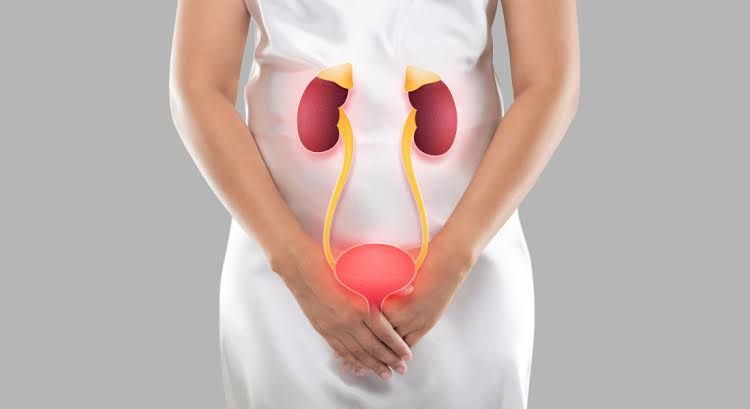
Urinary incontinence (UI) is defined as the involuntary loss of urine, which can significantly affect a woman’s quality of life.
Types of Urinary Incontinence
Urinary incontinence (UI) is a common condition affecting women, particularly during and after pregnancy. The main types of urinary incontinence include:
- Stress Incontinence: This type occurs when there is involuntary leakage of urine during activities that increase abdominal pressure, such as coughing, sneezing, laughing, or exercising. It is often due to weakened pelvic floor muscles or urethral sphincter dysfunction.
- Urge Incontinence: Characterized by a sudden and intense urge to urinate followed by involuntary loss of urine. This can be associated with overactive bladder syndrome, where the bladder muscles contract uncontrollably.
- Mixed Incontinence: A combination of stress and urge incontinence symptoms. Patients may experience both involuntary leakage during physical activity and an urgent need to urinate.
- Overflow Incontinence: This occurs when the bladder does not empty completely, leading to frequent or constant dribbling of urine. It can be caused by bladder outlet obstruction or underactive bladder muscle function.
- Functional Incontinence: This type results from physical or cognitive impairments that prevent timely access to a toilet, rather than issues with the urinary tract itself.
Pathophysiology of the Main Types of Incontinence
- Stress Incontinence: The pathophysiology involves a failure of the pelvic support structures (such as the pelvic floor muscles and connective tissues) that normally maintain urethral closure during increased intra-abdominal pressure. Hormonal changes during pregnancy can also contribute to this weakening.
- Urge Incontinence: This condition is linked to hyperactivity of the detrusor muscle (the muscle responsible for bladder contraction). Neurological conditions, inflammation, or irritation can lead to inappropriate contractions resulting in urgency and involuntary leakage.
- Mixed Incontinence: The pathophysiology combines elements from both stress and urge incontinence mechanisms, making it essential for treatment approaches to address both components effectively.
- Overflow Incontinence: Often related to detrusor underactivity or obstruction at the level of the bladder neck or urethra (e.g., due to prostate enlargement in men), leading to incomplete bladder emptying and subsequent overflow leakage.
- Functional Incontinence: The underlying causes are not related directly to urinary tract dysfunction but rather involve factors like mobility limitations or cognitive impairments that hinder timely toilet access.
Approach to Patient with Incontinence
The evaluation begins with a thorough history taking and physical examination focusing on:
- Symptoms characterization (frequency, volume, triggers).
- Medical history including obstetric history.
- Physical examination assessing pelvic floor strength.
- Urinalysis to rule out infections.
- Bladder diary may be utilized for quantifying fluid intake and output patterns.
Further investigations may include urodynamic studies if surgical intervention is being considered or if conservative management fails.
Medical Management of Different Types of Urinary Incontinence
- Stress Incontinence:
- Pelvic floor exercises (Kegel exercises) are first-line treatments.
- Behavioral modifications such as weight loss if overweight.
- Pharmacological options include topical estrogen therapy for postmenopausal women.
- Urge Incontinence:
- Anticholinergic medications (e.g., oxybutynin) are commonly prescribed.
- Beta-3 adrenergic agonists (e.g., mirabegron) can also be effective.
- Bladder training techniques help retrain the bladder’s response.
- Mixed Incontinence:
- A combination approach addressing both stress and urge components through behavioral therapies and medications tailored accordingly.
- Overflow Incontinence:
- Treatment focuses on addressing underlying causes; catheterization may be necessary for complete emptying.
- Medications like alpha-blockers may help relieve obstruction symptoms.
- Functional Incontinence:
- Strategies focus on improving mobility (physical therapy) or cognitive function support.
- Scheduled toileting regimens can assist patients who have difficulty recognizing their need to void.
Surgical Management of Different Types of Urinary Incontinence
- Stress Incontinence:
- Surgical options include mid-urethral sling procedures (e.g., tension-free vaginal tape), Burch colposuspension, or autologous fascial sling procedures aimed at providing support to the urethra.
- Urge Incontinence:
- Surgical interventions like sacral neuromodulation may be considered for refractory cases where conservative measures fail.
- Mixed Incontinence:
- Surgical management should prioritize addressing stress incontinence first while considering additional treatments for urge symptoms thereafter based on patient response.
- Overflow Incontinence:
- Surgical options might include procedures aimed at relieving obstruction such as transurethral resection of the prostate in men or augmentation cystoplasty if indicated for severe cases.
- Functional Incontinence:
- Surgical interventions are rarely indicated; however, strategies enhancing accessibility may improve outcomes significantly without invasive procedures.
In conclusion, urinary incontinence encompasses various types with distinct pathophysiologies requiring tailored approaches for management—both medically and surgically—to optimize patient outcomes effectively while considering individual circumstances and preferences throughout treatment planning.