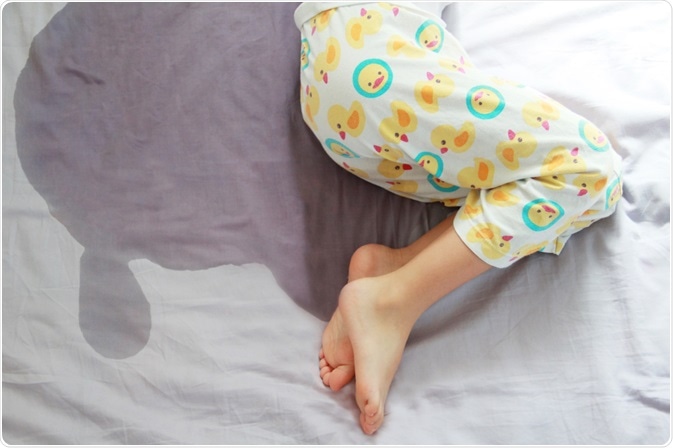

Urinary incontinence, the involuntary leakage of urine, is a common and often distressing condition in the pediatric population. While nighttime incontinence (nocturnal enuresis or “bedwetting”) is frequently discussed, daytime incontinence can be equally challenging for children and their families, impacting self-esteem, social interactions, and overall quality of life. It is crucial to understand that for most children, achieving consistent bladder control is a complex developmental process typically accomplished between the ages of 4 and 6. Incontinence is not considered a diagnosable problem until a child is at least 5 years old and has episodes for a minimum of three consecutive months.
Pathophysiology of Urinary Incontinence in Children
The pathophysiology of childhood incontinence is multifactorial, revolving around a disruption in the intricate balance between bladder storage and emptying. Normal micturition requires a coordinated effort between the detrusor muscle of the bladder, the internal and external urethral sphincters, and the complex neural control systems of the brain, spinal cord, and peripheral nerves.
The primary mechanisms can be broken down into two categories: bladder overactivity and bladder underactivity.
- Bladder Overactivity (Overactive Bladder – OAB): This is a common cause of daytime incontinence. It is characterized by involuntary detrusor contractions during the bladder-filling phase, leading to a sudden, compelling urge to void that is often difficult to defer. In children, these uninhibited contractions can occur due to a delay in the maturation of central inhibitory pathways. The brain, specifically the pontine micturition center, fails to suppress spontaneous bladder contractions, resulting in urgency and frequent, small-volume voids or incontinence. This is often seen in children who exhibit “holding maneuvers,” such as squatting, crossing legs, or sitting on a heel, to physically suppress the urge.
- Bladder Underactivity (Lazy Bladder Syndrome): This condition involves impaired detrusor contractility. Children with this issue infrequently empty their bladder, leading to chronic overdistension. The bladder muscle becomes stretched and weak, failing to generate an adequate contraction for complete emptying. This results in large residual urine volumes post-void. The pathophysiology often involves habitual postponement of urination, leading to a dilated bladder with a high capacity but poor emptying efficiency. The incontinence in this case is often overflow incontinence, where leakage occurs because the bladder is beyond its functional capacity.
- Dysfunctional Voiding: This term describes a lack of coordination between the detrusor muscle and the external urethral sphincter. Normally, when the detrusor contracts, the sphincter should relax (synergia). In dysfunctional voiding, the sphincter contracts simultaneously with or instead of the detrusor (dyssynergia). This dysfunctional holding pattern increases bladder pressure, prevents complete emptying, and can lead to high-pressure storage, which is a risk factor for vesicoureteral reflux (VUR) and renal damage over time.
- Nocturnal Polyuria and Arousal Failure: For nocturnal enuresis, the pathophysiology often involves three key factors: nocturnal polyuria (an insufficient nighttime surge of antidiuretic hormone (ADH), leading to excess urine production at night), bladder overactivity during sleep, and a failure to arouse from sleep in response to a full bladder signal. A child’s inability to wake up to the sensation of a full bladder is a central component of primary nocturnal enuresis.
Etiology of Urinary Incontinence in Children
The causes of incontinence are broadly categorized into functional (non-organic) and organic causes, with the vast majority (>90%) being functional.
A. Functional Causes:
- Bladder-Bowel Dysfunction (BBD): This is an umbrella term for a spectrum of lower urinary tract symptoms often coupled with constipation. Fecal impaction in the rectum can compress the bladder, reducing its functional capacity and irritability, leading to urgency and incontinence.
- Developmental Delay: A simple delay in the maturation of neurological control over the bladder is a common cause, especially in primary nocturnal enuresis, which often has a strong genetic component.
- Voiding Postponement: Children, engrossed in play or other activities, may ignore the urge to void, leading to overdistension and eventual incontinence.
- Psychological Factors: While rarely a primary cause, stress, anxiety (e.g., from school problems, parental divorce, or the birth of a sibling) can exacerbate incontinence. It is more often a consequence than a cause.
B. Organic Causes (Less Common but Important to Rule Out):
- Neurological Disorders: Conditions like spina bifida occulta, tethered cord syndrome, or spinal cord tumors disrupt the neural pathways essential for coordinated voiding, leading to neurogenic bladder.
- Anatomical Abnormalities: Ectopic ureter (especially in a girl with continuous dripping incontinence), posterior urethral valves (in boys), and urethral obstruction can cause incontinence.
- Urinary Tract Infection (UTI): Infections can cause bladder irritation, leading to transient symptoms of urgency, frequency, and incontinence.
- Polyuria from Systemic Diseases: Diabetes mellitus and diabetes insipidus cause the production of large volumes of urine, which can overwhelm a child’s bladder capacity.
- Constipation: As a key component of BBD, chronic constipation is one of the most common underlying and treatable organic contributors.
Evaluation of Urinary Incontinence in Children
A thorough and structured evaluation is essential to determine the etiology and guide appropriate treatment. The cornerstone of evaluation is a detailed history and physical exam.
Step 1: Comprehensive History
- Voiding Diary: A 2-3 day record of fluid intake, voiding times, voided volumes, incontinence episodes, and bowel movements is invaluable. It provides objective data on frequency, functional bladder capacity, and patterns.
- Symptom Assessment: Clarify the type of incontinence (urge, stress, continuous, overflow), presence of urgency, frequency, straining, or dysuria. For nocturnal enuresis, determine the number of wet nights per week and whether it is primary or secondary.
- Bowel History: Inquire about stool frequency, consistency (using the Bristol Stool Scale), presence of encopresis (fecal soiling), and abdominal pain. Constipation is a frequently missed culprit.
- Past Medical History: Include prenatal, birth, developmental, and surgical history. Ask about history of UTIs.
- Family History: A strong family history is common in nocturnal enuresis.
- Psychosocial History: Assess for stressors, school performance, and the impact of incontinence on the child’s life.
Step 2: Physical Examination
- Abdominal Exam: Palpate for a distended bladder or impacted stool in the lower abdomen.
- Back and Spine Inspection: Look for cutaneous signs of occult spinal dysraphism, such as a sacral dimple, tuft of hair, or skin tag.
- Genitourinary Exam: Check for anatomical abnormalities, phimosis in boys, and vulvovaginitis or urethral ectopy in girls.
- Neurological Exam: Assess lower extremity strength, reflexes, gait, and perineal sensation to evaluate for a neurogenic cause.
Step 3: Investigations
- Urinalysis: Mandatory to rule out infection, glycosuria (diabetes), and low specific gravity.
- Post-Void Residual (PVR) Measurement: Using a bladder scanner or catheter after a voluntary void, this assesses emptying efficiency. A high PVR suggests underactive bladder or outlet obstruction.
- Ultrasound of Kidneys and Bladder: Assesses renal anatomy, bladder wall thickness, and can confirm significant constipation or a large PVR.
- Uroflowmetry with EMG: Measures urine flow rate and patterns while simultaneously recording pelvic floor (sphincter) activity. It is a key non-invasive test to diagnose dysfunctional voiding.
- Further Specialized Testing: Video urodynamics, MRI of the spine, or cystoscopy are reserved for complex cases where a neurological or anatomical lesion is suspected and not confirmed by initial tests.
Treatment of Urinary Incontinence in Children
Treatment is tailored to the specific diagnosis and is always initiated with conservative, non-pharmacological measures first.
1. Standard Therapies (First-Line for All Patients):
- Education and Demystification: Explain the condition to the child and parents in an age-appropriate manner. Reassurance that it is a common problem and not the child’s fault is paramount.
- Healthy Bladder and Bowel Habits:
- Regular Timed Voids: Encourage voiding every 2-3 hours during the day, regardless of urge, to prevent overdistension.
- Adequate Hydration: Spread fluid intake evenly throughout the day, with reduction in the evenings for enuresis.
- Proper Voiding Technique: Ensure relaxed voiding with feet supported and without straining.
- Treatment of Constipation: This is a critical and often transformative step. This involves high-fiber diet, increased fluids, and may require a prolonged course of stool softeners (e.g., polyethylene glycol) under medical guidance.
2. Specific Therapies:
- For Overactive Bladder (OAB):
- Bladder Retraining: Using the timed voiding schedule to gradually increase the interval between voids.
- Urge Control Techniques: Teach “the dance” (squatting, crossing legs) and deep breathing to suppress the urgent sensation.
- Pharmacotherapy: Anticholinergic medications (e.g., oxybutynin, tolterodine) are used to reduce bladder contractions and increase capacity. They are second-line after behavioral modifications and are used cautiously due to side effects (e.g., dry mouth, constipation, facial flushing).
- For Nocturnal Enuresis:
- Enuresis Alarm: The first-line and most effective treatment with the lowest relapse rate. The alarm conditions the child to awaken to the sensation of a full bladder or to contract the sphincter.
- Desmopressin Acetate (DDAVP): A synthetic analog of ADH that reduces nighttime urine production. It works quickly but is best for short-term situations (sleepovers, camp) and relapse is common upon discontinuation.
- For Dysfunctional Voiding and Poor Emptying:
- Biofeedback Therapy: A highly effective non-invasive technique where children use computer games controlled by sensors to visually learn how to relax their pelvic floor during voiding. This improves coordination and emptying.
- For Underactive Bladder:
- Double Voiding: Encouraging the child to try to void again a few minutes after the first void to empty the bladder more completely.
- Intermittent Catheterization: Reserved for severe cases with very high residuals and risk to the upper tracts, often in the context of a neurogenic bladder.
3. Support and Follow-up: Positive reinforcement, motivational therapy (e.g., star charts for dry days), and ongoing support are essential components of successful management. Regular follow-up is required to monitor progress, adjust treatment plans, and provide continuous encouragement to the child and family.
In conclusion, urinary incontinence in children is a multifactorial disorder whose successful management hinges on a systematic approach to understanding its underlying pathophysiology and etiology. A comprehensive evaluation, focusing on history and non-invasive diagnostics, allows for targeted intervention. Treatment is rooted in education, behavioral modification, and bowel management, with more specialized therapies reserved for specific diagnoses. With patience, empathy, and a structured plan, the vast majority of children can achieve dryness and significantly improve their quality of life.
References
- Austin, P. F., Bauer, S. B., Bower, W., Chase, J., Franco, I., Hoebeke, P., … & Neveus, T. (2016). The standardization of terminology of lower urinary tract function in children and adolescents: Update report from the Standardization Committee of the International Children’s Continence Society. Neurourology and Urodynamics, 35(4), 471-481.
- Nevéus, T., Fonseca, E., Franco, I., Kawauchi, A., Kovacevic, L., Nieuwhof-Leppink, A., … & Yang, S. (2020). Management and treatment of nocturnal enuresis—an updated standardization document from the International Children’s Continence Society. Journal of Pediatric Urology, 16(1), 10-19.
- Hoebeke, P., Bower, W., Combs, A., De Jong, T., & Yang, S. (2010). Diagnostic evaluation of children with daytime incontinence. The Journal of Urology, 183(2), 699-703.
- Burgers, R. E., Mugie, S. M., Chase, J., Cooper, C. S., von Gontard, A., Rittig, C. S., … & Benninga, M. A. (2013). Management of functional constipation in children with lower urinary tract symptoms: report from the Standardization Committee of the International Children’s Continence Society. The Journal of Urology, 190(1), 29-36.
- Tabbers, M. M., DiLorenzo, C., Berger, M. Y., Faure, C., Langendam, M. W., Nurko, S., … & Benninga, M. A. (2014). Evaluation and treatment of functional constipation in infants and children: evidence-based recommendations from ESPGHAN and NASPGHAN. Journal of Pediatric Gastroenterology and Nutrition, 58(2), 258-274.
- Caldwell, P. H., Deshpande, A. V., & Von Gontard, A. (2013). Management of nocturnal enuresis. BMJ (Clinical research ed.), 347, f6259.
- The National Institute of Diabetes and Digestive and Kidney Diseases (NIDDK). (2019). Bladder Control Problems & Bedwetting in Children. Retrieved from https://www.niddk.nih.gov/health-information/urologic-diseases/bladder-control-problems-bedwetting-children