Respiratory tract infections are a leading cause of global morbidity and mortality, particularly among vulnerable populations such as infants, the elderly, and the immunocompromised. Among the myriad of pathogens, two closely related viruses, Respiratory Syncytial Virus (RSV) and Human Metapneumovirus (hMPV), stand out as significant contributors to respiratory disease worldwide. Often causing indistinguishable clinical syndromes, these viruses present a considerable challenge to healthcare systems, especially during seasonal outbreaks.
Understanding the Pathogens and Their Clinical Presentation (Symptoms and Signs)
Respiratory Syncytial Virus (RSV) is an enveloped, single-stranded RNA virus belonging to the Pneumoviridae family. It was first isolated in 1956 and is recognized as the most common cause of bronchiolitis and pneumonia in children under one year of age. Human Metapneumovirus (hMPV), discovered much later in 2001, is a closely related virus within the same family. Its clinical impact is remarkably similar to that of RSV, and it is now understood to be a major etiological agent of respiratory infections across all age groups.
The symptoms of RSV and hMPV infections are largely overlapping, making it impossible to distinguish them based on clinical presentation alone. The infection typically begins with upper respiratory tract symptoms before potentially progressing to the lower airways.
In infants and young children:
- Initial Symptoms: Rhinorrhea (runny nose), nasal congestion, cough, low-grade fever, and sore throat. These often resemble a common cold.
- Progression to Lower Respiratory Tract: In a significant subset, particularly with first-time infections, the virus descends into the lower airways, causing:
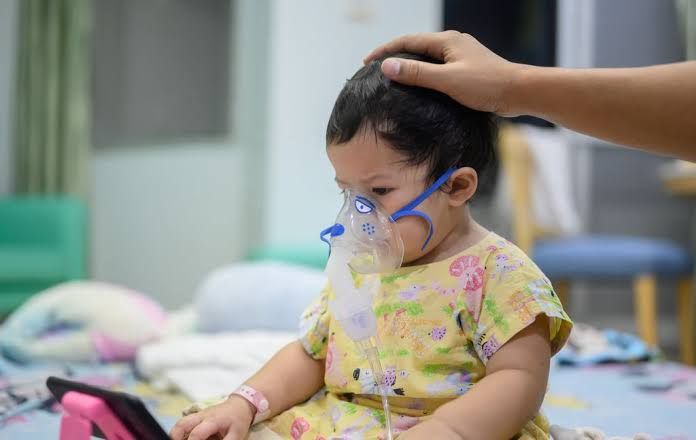
- Bronchiolitis: Inflammation of the small airways (bronchioles), characterized by wheezing, increased respiratory rate (tachypnea), labored breathing (dyspnea), and use of accessory muscles. A hallmark sign is audible crackles (rales) on auscultation.
- Pneumonia: Infection of the lung tissue itself.
- Apnea: pauses in breathing, which can be a presenting sign in very young infants (<2 months old) even before significant respiratory distress appears.
- Signs of Severe Disease: Cyanosis (bluish discoloration of the skin), grunting, nasal flaring, and chest wall retractions indicate severe respiratory distress and require immediate medical attention.
In healthy adults and older children: Infections are usually milder, presenting as a common cold, laryngitis, or tracheobronchitis with a persistent, nagging cough. However, both viruses can cause significant disease in high-risk adult populations.
In the elderly and immunocompromised adults: RSV and hMPV can lead to severe and potentially fatal complications, including exacerbations of underlying conditions like COPD (Chronic Obstructive Pulmonary Disease) and asthma, severe pneumonia, and respiratory failure. The burden of disease in this demographic is increasingly recognized.
Establishing a Diagnosis
Due to the non-specific nature of the symptoms, clinical diagnosis of a specific viral pathogen is unreliable. Laboratory testing is essential for definitive diagnosis, which aids in cohorting patients in hospital settings to prevent outbreaks, guides treatment decisions, and reduces the unnecessary use of antibiotics.
- Nasopharyngeal Swab/Sample: The standard method for specimen collection. A swab is inserted into the nasal passage to the nasopharynx to collect secretions. Aspirates or washes can also be used, especially in young children, as they often yield a better sample.
- Laboratory Tests:
- Rapid Antigen Detection Tests (RADTs): Commonly used for RSV (and increasingly for hMPV) as point-of-care tests. They provide results in minutes but have lower sensitivity, especially in adults who may shed less virus. A negative test does not rule out infection.
- Reverse Transcription-Polymerase Chain Reaction (RT-PCR): This is the gold standard for detecting both RSV and hMPV. Multiplex PCR panels can simultaneously test for a broad array of respiratory pathogens (influenza, COVID-19, adenovirus, etc.) with high sensitivity and specificity. This is particularly useful for identifying co-infections, which can lead to more severe disease.
- Viral Culture: Historically the standard but is now rarely used for routine diagnostics due to its slow turnaround time (3-7 days). It is primarily used in research settings.
- Serology: Testing for virus-specific antibodies is not helpful for acute diagnosis, as it requires paired sera (acute and convalescent) and is more useful for epidemiological studies to determine past exposure.
Implementing Treatment Strategies
Management for both RSV and hMPV is primarily supportive, as there are no widely approved, effective antiviral drugs for routine use, particularly for hMPV.
Supportive Care (The Mainstay of Therapy):
- Hydration: Ensuring adequate fluid intake is critical to prevent dehydration from fever and tachypnea. Intravenous (IV) fluids may be necessary for hospitalized infants who are feeding poorly.
- Oxygen Therapy: Supplemental oxygen is administered to maintain adequate oxygen saturation (>90-92%).
- Nasal Suctioning: Gentle suctioning of nasal secretions can provide significant relief to infants struggling to breathe and feed.
- Nutritional Support: Small, frequent feeds are encouraged. In severe cases, a nasogastric tube may be temporarily required.
Pharmacological Interventions:
- Bronchodilators: Medications like albuterol are sometimes trialed in a controlled setting for children with significant wheezing. However, response is variable and not consistently effective for viral bronchiolitis.
- Corticosteroids: Systemic or inhaled steroids are not routinely recommended for typical RSV or hMPV bronchiolitis, as evidence of benefit is lacking.
- Antibiotics: These are only indicated if there is a confirmed or strong suspicion of a secondary bacterial infection (e.g., bacterial pneumonia, otitis media).
- Antivirals: Ribavirin, an antiviral drug, is approved for treating severe RSV in hospitalized infants but is rarely used due to its limited proven efficacy, potential toxicity, and cumbersome administration (aerosolized). It is not approved for hMPV. For immunocompromised patients with severe RSV or hMPV pneumonia, ribavirin (sometimes with intravenous immunoglobulins) may be considered on a case-by-case basis, though evidence is limited.
Prioritizing Prevention
Prevention is the most effective strategy for reducing the burden of RSV and hMPV, focusing on two main pillars: immunoprophylaxis and infection control.
Immunoprophylaxis:
- RSV Monoclonal Antibody (Nirsevimab): A landmark advancement, this long-acting monoclonal antibody (sold as Beyfortus®) provides passive immunity. It is recommended as a single intramuscular injection for all infants under 8 months old entering their first RSV season and for high-risk children aged 8-19 months. It is highly effective at preventing severe RSV disease.
- RSV Maternal Vaccine (Abrysvo™): A vaccine administered to pregnant individuals during weeks 32 through 36 of pregnancy. It induces antibodies that are transferred across the placenta to the fetus, protecting the newborn during their first, most vulnerable months.
- RSV Vaccines for Older Adults: Vaccines (Arexvy™ and Abrysvo™) are now approved for adults aged 60 and older to protect against lower respiratory tract disease caused by RSV.
- Palivizumab: A older, short-acting monoclonal antibody requiring monthly injections during RSV season. Its use is now restricted to a very small subset of high-risk infants (e.g., those with significant congenital heart disease or chronic lung disease of prematurity) who do not qualify for nirsevimab.
- hMPV Vaccines: As of now, there are no approved vaccines or immunoprophylaxis agents for hMPV, though several candidates are in development.
Infection Control: Strict hygiene measures are paramount, as both viruses are highly contagious and spread through respiratory droplets and contaminated surfaces.
- Hand Hygiene: Frequent and thorough handwashing with soap and water or an alcohol-based hand sanitizer is the single most important measure.
- Respiratory Etiquette: Covering coughs and sneezes with a tissue or elbow.
- Surface Disinfection: Regular cleaning of high-touch surfaces (doorknobs, toys, counters).
- Avoiding Exposure: Keeping high-risk individuals away from crowded settings and sick contacts, especially during peak season (typically fall, winter, and spring).
- Isolation Precautions: In healthcare settings, patients with confirmed or suspected RSV/hMPV should be placed on contact and droplet precautions to prevent nosocomial transmission.
Conclusion
Respiratory Syncytial Virus and Human Metapneumovirus are two major, closely related respiratory pathogens that pose a significant threat to global health. Their clinical presentations are indistinguishable, ranging from mild colds to life-threatening bronchiolitis and pneumonia, primarily affecting the very young and the very old. Diagnosis has been revolutionized by highly sensitive molecular PCR tests, allowing for accurate and rapid identification. While treatment remains largely supportive, the recent advent of effective long-acting monoclonal antibodies and vaccines for RSV marks a transformative era in prevention, offering the promise of drastically reducing the severe disease burden. Continued emphasis on basic infection control practices, alongside these new medical advancements, provides a comprehensive strategy to mitigate the impact of these persistent viral challenges.
References
- American Academy of Pediatrics. (2023). Updated Guidance for Palivizumab Prophylaxis Among Infants and Young Children at Increased Risk of Hospitalization for Respiratory Syncytial Virus Infection. Pediatrics, 152(4), e2023061804.
- Centers for Disease Control and Prevention (CDC). (2023, October). Respiratory Syncytial Virus Infection (RSV). Retrieved from https://www.cdc.gov/rsv/index.html
- Falsey, A. R., et al. (2005). Human Metapneumovirus Infections in Young and Elderly Adults. The Journal of Infectious Diseases, 191(3), 382–386.
- Hamid, S., et al. (2023). Respiratory Syncytial Virus (RSV) Illness in Older Adults: An Underrecognized Problem. Journal of the American Geriatrics Society, 71(4), 1015-1025.
- Hammond, C., & Kurinczuk, J. J. (2023). Nirsevimab for prevention of RSV in infants. The New England Journal of Medicine, 389(19), 1824-1825.
- Higgins, D., et al. (2023). Human Metapneumovirus: A Largely Unrecognized Threat to Human Health. Pathogens, 12(9), 1095.
- Piedimonte, G., & Perez, M. K. (2014). Respiratory Syncytial Virus Infection and Bronchiolitis. Pediatrics in Review, 35(12), 519–530.
- Schuster, J. E., & Williams, J. V. (2023). Human Metapneumovirus. Pediatrics in Review, 44(1), 28-38.
- Walsh, E. E., et al. (2013). Human Metapneumovirus Infections in Adults: Another Piece of the Puzzle. Archives of Internal Medicine, 173(15), 1453–1458.
- World Health Organization (WHO). (2023). WHO recommends first respiratory syncytial virus (RSV) vaccine. Retrieved from https://www.who.int/news/item/03-05-2023-who-recommends-first-respiratory-syncytial-virus–rsv–vaccine