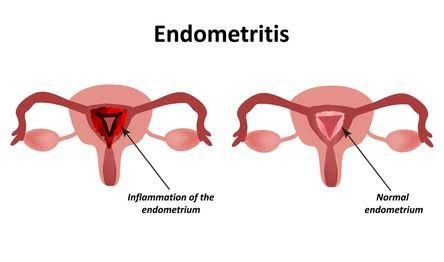
Endometritis, an inflammatory condition of the endometrial lining of the uterus, represents a significant gynecological and obstetric challenge. It can manifest acutely, often presenting with fever, pelvic pain, and abnormal uterine bleeding, or chronically, frequently remaining subclinical yet impacting fertility and pregnancy outcomes. Understanding the etiology (causes) and pathogenesis (mechanisms of development) of endometritis is crucial for accurate diagnosis, effective treatment, and ultimately, improving patient health.
Introduction to Endometritis
Endometritis is characterized by inflammation of the endometrium, the inner lining of the uterus. This inflammation is typically triggered by an infection, though non-infectious causes are rare. Clinically, it is broadly categorized into acute and chronic forms. Acute endometritis is an overt infection, often polymicrobial, common after childbirth or uterine instrumentation. Chronic endometritis, in contrast, is a more subtle, persistent inflammation, frequently asymptomatic or presenting with non-specific symptoms such as abnormal uterine bleeding, pelvic pain, or infertility. The distinction between these two forms is important as their etiologies and pathogenetic pathways, while overlapping, also possess unique characteristics.
Etiology of Endometritis: The Initiating Causes
The etiology of endometritis is predominantly infectious, arising from an ascending spread of microorganisms from the lower genital tract. However, the specific microbial agents and predisposing factors vary significantly between acute and chronic presentations.
1. Etiology of Acute Endometritis
Acute endometritis is most commonly associated with events that disrupt the normal cervical barrier and introduce bacteria into the sterile uterine cavity, or those that create an environment conducive to bacterial proliferation.
- Post-partum and Post-abortion Infections: This is the most prevalent cause. During childbirth or abortion, the cervix dilates, the decidual lining is disrupted, and blood/tissue (e.g., retained placental fragments) provide an excellent culture medium. Common pathogens include:
- Polymicrobial flora: Often a mix of aerobic and anaerobic bacteria from the vaginal flora, such as Group B Streptococcus (GBS), Escherichia coli, Klebsiella pneumoniae, Proteus mirabilis, Staphylococcus aureus, Bacteroides species, Clostridium perfringens, and Peptostreptococcus.
- Specific Risk Factors: Prolonged labor, premature rupture of membranes, multiple vaginal examinations, manual removal of placenta, cesarean section (particularly with prolonged labor or ruptured membranes), and unsterile abortion procedures significantly increase the risk.
- Sexually Transmitted Infections (STIs): Acute endometritis can be a component of Pelvic Inflammatory Disease (PID). Key STI pathogens include:
- Neisseria gonorrhoeae: Causes a robust inflammatory response.
- Chlamydia trachomatis: Often causes a more subacute or chronic inflammation, but can present acutely.
- Mycoplasma genitalium: Increasingly recognized as a contributor to PID.
- Instrumentation and Procedures: Any procedure that violates the cervical barrier or introduces foreign material into the uterus can lead to acute endometritis:
- Intrauterine Device (IUD) Insertion: Especially in the first few weeks post-insertion.
- Hysterosalpingography (HSG), Hysteroscopy, Endometrial Biopsy, Dilation and Curettage (D&C): Contamination during these procedures can introduce bacteria.
- Other Causes: Rarely, acute endometritis can result from hematogenous spread (e.g., in tuberculosis, though typically chronic) or direct extension from adjacent organs.
2. Etiology of Chronic Endometritis
Chronic endometritis (CE) is characterized by a persistent inflammatory infiltrate, often without overt clinical signs of acute infection. Its etiology is frequently more subtle or persistent.
- Bacterial Infections (Non-STI): A wide range of bacteria, often part of the normal vaginal or gut flora, can establish persistent, low-grade infections:
- Enterococcus faecalis, Escherichia coli, Streptococcus species (non-GBS), Staphylococcus species (coagulase-negative).
- Ureaplasma urealyticum and Mycoplasma hominis.
- These bacteria may form biofilms, contributing to persistence and antibiotic resistance.
- Persistent STIs:
- Chlamydia trachomatis: Known for its ability to cause persistent, low-grade inflammation that can lead to chronic endometritis and scarring, contributing to infertility.
- Tuberculosis (Granulomatous Endometritis): Mycobacterium tuberculosis is a rare but significant cause of chronic endometritis, particularly in endemic regions. It leads to a specific granulomatous inflammatory response.
- Foreign Bodies:
- Intrauterine Devices (IUDs): Can serve as a nidus for bacterial colonization and biofilm formation, leading to chronic low-grade inflammation. The IUD itself is not sterile upon insertion, and its presence can alter the local immune environment.
- Retained products of conception: Persistent, small fragments of placenta or fetal tissue after pregnancy or abortion can cause chronic inflammation.
- Unknown Etiology: In a significant proportion of cases, particularly in women with recurrent implantation failure (RIF) or recurrent pregnancy loss (RPL), no specific pathogen is identified, suggesting complex multifactorial causes or an yet-unknown microbial entity.
Pathogenesis of Endometritis: The Mechanisms of Disease Development
Pathogenesis describes the molecular and cellular events that occur from the initial exposure to a causative agent to the manifestation of the disease. In endometritis, this involves a complex interplay between microbial invasion, host immune response, and tissue damage.
(a) General Pathogenesis: Ascending Infection
The primary pathogenetic pathway for most forms of endometritis is an ascending infection from the lower genital tract (vagina and cervix) into the uterine cavity.
- Breach of Cervical Barrier: The cervix normally acts as a physical and immunological barrier. Factors like cervical dilation (during menstruation, childbirth, abortion, or instrumentation), cervical injury, or altered cervical mucus can compromise this barrier.
- Microbial Ascent: Once the barrier is breached, microorganisms (bacteria, sometimes viruses or fungi) can ascend from the vagina and endocervix into the endometrial cavity. Factors assisting ascent include flagellar motility of bacteria, uterine contractions, and ciliary action of endometrial cells.
- Endometrial Colonization and Adherence: Pathogens adhere to the endometrial epithelial cells, often utilizing specific adhesins or surface proteins, to establish colonization.
- Invasion and Proliferation: Once adhered, bacteria may invade the superficial endometrial stroma or proliferate on the surface, releasing toxins and antigens.
(b) Pathogenesis of Acute Endometritis
The pathogenesis of acute endometritis is characterized by a rapid and robust innate immune response to bacterial invasion.
- Recognition of Pathogen-Associated Molecular Patterns (PAMPs): Endometrial cells, resident macrophages, and natural killer (NK) cells possess Pattern Recognition Receptors (PRRs), such as Toll-like Receptors (TLRs). These receptors recognize conserved microbial molecules (PAMPs) like lipopolysaccharide (LPS) from Gram-negative bacteria, peptidoglycan from Gram-positive bacteria, and bacterial DNA/RNA.
- Activation of Inflammatory Signaling Pathways: TLR activation triggers intracellular signaling cascades (e.g., NF-κB pathway), leading to the production and release of pro-inflammatory mediators.
- Cytokine and Chemokine Release: The activated endometrial cells and immune cells release a cascade of pro-inflammatory cytokines (e.g., Interleukin-1β (IL-1β), Tumor Necrosis Factor-α (TNF-α), IL-6) and chemokines (e.g., IL-8, CCL2/MCP-1).
- Cytokines: Mediate systemic symptoms like fever (IL-1β, TNF-α, IL-6), influence B and T cell activity, and contribute to overall inflammation.
- Chemokines: Act as chemoattractants, recruiting specific types of immune cells to the site of infection.
- Infiltration of Neutrophils: IL-8, a potent neutrophil chemoattractant, rapidly recruits polymorphonuclear leukocytes (neutrophils) from the bloodstream into the endometrial stroma and lumen. Neutrophil infiltration is the hallmark of acute inflammation.
- Phagocytosis and Microbial Killing: Neutrophils engulf and destroy bacteria through mechanisms like phagocytosis, generation of reactive oxygen species (ROS), and release of antimicrobial peptides and proteases.
- Tissue Damage and Clinical Manifestations: The intense inflammatory response, including the release of lysosomal enzymes and ROS by neutrophils, can lead to localized tissue damage, edema, and microabscess formation. This process gives rise to the characteristic clinical symptoms of acute endometritis:
- Fever: Systemic effect of pro-inflammatory cytokines.
- Pelvic Pain: Due to inflammation and irritation of uterine tissues.
- Abnormal Uterine Bleeding/Purulent Discharge: Resulting from endometrial tissue breakdown and exudation.
- Uterine Tenderness: Direct palpation of the inflamed uterus.
(c) Pathogenesis of Chronic Endometritis
Chronic endometritis represents a sustained, often low-grade inflammatory response, distinctly characterized by the presence of plasma cells in the endometrial stroma. The pathogenesis involves a failure to clear the initial infectious insult, leading to persistent inflammation.
- Persistent Microbial Presence: Unlike acute endometritis where pathogens are often rapidly cleared (or cause severe, overt disease), chronic endometritis involves bacteria that persist within the endometrium. This persistence can be due to:
- Intracellular Survival: Some pathogens (e.g., Chlamydia trachomatis) can survive and replicate within host cells, evading immune detection.
- Biofilm Formation: Bacteria encased in a biofilm matrix are protected from antibiotics and host immune cells, allowing for chronic colonization.
- Suboptimal Host Response: A less robust or dysregulated immune response may fail to eradicate the infection.
- Sustained Immune Cell Recruitment: Continuous antigenic stimulation from persistent microbes leads to ongoing recruitment of immune cells, with a particular emphasis on lymphocytes and plasma cells.
- Plasma Cell Infiltration: The presence of plasma cells (differentiated B lymphocytes producing antibodies) in the endometrial stroma is the histological gold standard for diagnosing chronic endometritis. This indicates a chronic, antigen-driven humoral immune response.
- Lymphocytes and Macrophages: Other immune cells, including T cells and macrophages, also infiltrate the tissue, contributing to the persistent inflammatory state. Their presence leads to the ongoing release of cytokines and chemokines, perpetuating the cycle of inflammation.
- Alterations in Endometrial Receptivity: The chronic inflammatory environment can significantly impair endometrial receptivity, which is the ability of the endometrium to support embryo implantation. This occurs through several mechanisms:
- Disruption of Adhesion Molecules: Inflammation can downregulate the expression of critical adhesion molecules (e.g., integrins, HOXA10, LIF, pinopodes) on the endometrial surface, which are necessary for embryo attachment.
- Impaired Endometrial Stromal Cell Differentiation (Decidualization): Chronic inflammation can interfere with the proper differentiation of endometrial stromal cells into decidual cells, a process vital for successful implantation and placentation.
- Altered Cytokine Milieu: The persistent presence of pro-inflammatory cytokines (IL-1β, TNF-α, IL-6) can be detrimental to embryo development and implantation, as a balanced immune environment is crucial for successful pregnancy.
- Fibrosis and Scarring (in severe/prolonged cases): Although less common than in acute inflammatory conditions, prolonged chronic inflammation can lead to tissue remodeling, mild fibrosis, and permanent changes in the endometrial architecture, which can further impact function.
Specific Etiological and Pathogenetic Pathways
1. Post-partum/Post-abortion Endometritis
The pathogenesis here is driven by the unique post-delivery or post-abortion uterine environment. The large, open placental site provides a vast surface for bacterial colonization. Retained products of conception act as foreign bodies and culture media. The dilated cervix facilitates microbial ascent. Anaerobic bacteria thrive in the hypoxic, tissue-rich environment, contributing to severe disease. The inflammatory response is acute and robust, often resulting in significant systemic symptoms.
2. STI-Related Endometritis (PID Component)
- Neisseria gonorrhoeae: These bacteria possess pili and outer membrane proteins that facilitate adherence to non-ciliated epithelial cells. They invade mucosal cells and trigger a potent inflammatory response, characterized by massive neutrophil influx and cytokine release. The rapid and destructive nature of gonococcal infection often leads to severe acute symptoms.
- Chlamydia trachomatis: Chlamydia has a unique biphasic life cycle, alternating between infectious elementary bodies and intracellular, metabolically active reticulate bodies. This intracellular lifestyle allows it to evade host immune responses, leading to a more persistent, subacute infection that often causes chronic inflammation and fibrosis, despite often milder initial symptoms. The chronic inflammatory response can lead to scarring of the fallopian tubes, a major cause of infertility.
3. IUD-Related Endometritis
The IUD acts as a physical foreign body. Its presence can alter the local uterine microbiome, provide a surface for bacterial adhesion and biofilm formation, and potentially facilitate bacterial ascent during or after insertion. The IUD string, extending into the vagina, may act as a wick for bacterial migration. The ongoing immune response to the foreign body and associated persistent low-grade infection contributes to chronic inflammation, often with a prominent plasma cell infiltrate.
4. Granulomatous Endometritis (e.g., Tuberculosis)
In tuberculous endometritis, Mycobacterium tuberculosis typically reaches the uterus via hematogenous spread from a primary lung infection. The host immune response to this intracellular bacterium involves the formation of granulomas, which are organized aggregates of macrophages (epithelioid cells), lymphocytes, and sometimes multinucleated giant cells, often with central caseating necrosis. This is a distinct form of chronic inflammation reflecting the body’s attempt to wall off and contain the persistent infection.
Conclusion
Endometritis, whether acute or chronic, is a multifaceted condition whose etiology is primarily infectious and whose pathogenesis involves a complex interplay of microbial invasion and the host’s immune response. Acute forms are typically a rapid, robust inflammatory reaction to ascending polymicrobial or STI pathogens, often triggered by obstetric or gynecological procedures. Chronic endometritis, in contrast, results from persistent low-grade infections, often by diverse bacterial species, including those capable of biofilm formation or intracellular survival, leading to a sustained inflammatory state characterized by plasma cell infiltrates. Understanding these distinct etiologies and pathogenetic mechanisms is fundamental for tailoring appropriate diagnostic strategies, such as endometrial biopsy for plasma cells in chronic cases or specific microbial cultures in acute settings, and for guiding effective antimicrobial or anti-inflammatory therapies to preserve fertility and improve overall uterine health.
References
- Acute Endometritis:
- Smaill, F. M., & Grivell, R. M. (2015). Antibiotic prophylaxis versus no prophylaxis for preventing infection in women undergoing manual removal of placenta. Cochrane Database of Systematic Reviews, (10). DOI: 10.1002/14651858.CD004902.pub3
- French, L. M., & Smaill, F. M. (2006). Antibiotic regimens for endometritis after delivery. Cochrane Database of Systematic Reviews, (4). DOI: 10.1002/14651858.CD001087.pub2
- Centers for Disease Control and Prevention. (2021). Sexually Transmitted Infections Treatment Guidelines, 2021. MMWR Recomm Rep 2021;70(No. 4):5–187. Available from: https://www.cdc.gov/std/treatment-guidelines/toc.htm
- Chronic Endometritis:
- Kitaya, K., Tada, Y., & Taguchi, S. (2021). Chronic endometritis: a critical review of the current concept. Reproductive BioMedicine Online, 43(6), 1146-1153. DOI: 10.1016/j.rbmo.2021.09.006
- Cicinelli, E., De Ziegler, D., Nicoletti, R., Colafiglio, G., Salatto, R., & Rizzi, D. (2018). Chronic endometritis: what we know and what we don’t know. Journal of Endometriosis and Pelvic Pain Disorders, 10(1), 1-10. DOI: 10.5301/je.5000293
- Bouet, P. E., Essaadi, L., Le Strat, N., Kadoch, O., Gervaise, A., & Fernandez, H. (2016). Chronic endometritis in assisted reproductive technology: a systematic review. Journal of Assisted Reproduction and Genetics, 33(9), 1121-1129. DOI: 10.1007/s10815-016-0761-0
- General Pathogenesis and Diagnostics:
- Taylor, R. N., & Giudice, L. C. (2017). Endometriosis and Infertility: An Endocrine Perspective. Fertility and Sterility, 107(4), 882-893. DOI: 10.1016/j.fertnstert.2017.02.100 (While focused on endometriosis, often discusses endometrial biology and inflammation relevant to endometritis context).
- Bayer, A. S., & Speer, C. P. (Eds.). (2014). Infectious Diseases of the Female Genital Tract. Springer. (Comprehensive textbook covering various infections).
- Cohen, C. R., Wølner-Hanssen, P., & Eschenbach, D. A. (2014). Pelvic inflammatory disease: A comprehensive review. Obstetrics & Gynecology Clinics, 41(3), 391-404. DOI: 10.1016/j.ogc.2014.05.006