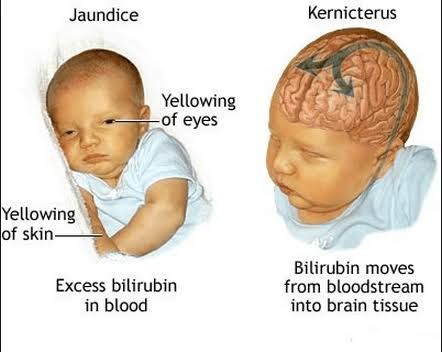
Neonatal jaundice, also known as hyperbilirubinemia, is a common condition in newborns characterized by the yellow discoloration of the skin and eyes due to elevated levels of bilirubin in the blood. Bilirubin is a yellow pigment produced during the breakdown of red blood cells and is normally processed by the liver and excreted in bile. In neonates, however, the liver may not be fully developed or functioning optimally, leading to an accumulation of bilirubin in the blood.
The physiology of neonatal jaundice involves several factors. One key factor is the increased breakdown of fetal red blood cells after birth, which results in a higher production of bilirubin. Additionally, newborns have a limited capacity to conjugate bilirubin (a process that makes it water-soluble for excretion), further contributing to its accumulation in the blood. The immature liver enzymes in neonates also play a role in delayed bilirubin clearance.
Physiological jaundice typically appears within the first few days after birth and peaks around day 3-5 before gradually resolving as the baby’s liver matures and becomes more efficient at processing bilirubin. In most cases, neonatal jaundice is benign and self-limiting, requiring only monitoring and supportive care. However, severe or prolonged jaundice may indicate underlying conditions such as hemolytic disease, infections, or metabolic disorders that require further evaluation and treatment.
Overall, understanding the physiology of neonatal jaundice is crucial for healthcare providers to differentiate normal physiological jaundice from pathological causes and provide appropriate management to ensure the well-being of newborns.
Pathology of neonatal jaundice
There are several types of neonatal jaundice, each with its own underlying causes:
- Physiological jaundice: This is the most common type of neonatal jaundice and typically occurs within the first week of life. It is caused by the normal breakdown of fetal red blood cells and immature liver function.
- Breastfeeding jaundice: This type of jaundice can occur when a newborn is not getting enough breast milk, leading to dehydration and reduced bilirubin excretion.
- Breast milk jaundice: This occurs in some breastfed infants due to substances in breast milk that can interfere with bilirubin metabolism.
- Hemolytic jaundice: This type of jaundice results from increased breakdown of red blood cells, leading to higher levels of bilirubin in the blood. Causes include blood group incompatibility between mother and baby or genetic conditions such as glucose-6-phosphate dehydrogenase (G6PD) deficiency.
- Obstructive jaundice: This rare form of neonatal jaundice is caused by blockage in the bile ducts, preventing proper excretion of bilirubin from the liver.
In most cases, neonatal jaundice resolves on its own without treatment. However, severe or prolonged jaundice may require intervention to prevent complications such as kernicterus, a rare but serious condition characterized by brain damage due to high levels of unconjugated bilirubin crossing the blood-brain barrier.
Overall, neonatal jaundice is a common and usually benign condition in newborns that requires monitoring and sometimes treatment to prevent potential complications.
Clinical features of Kernicterus
Kernicterus is a rare but serious condition that occurs when high levels of bilirubin build up in a newborn’s blood and brain, leading to neurological damage. The clinical features of kernicterus can vary depending on the severity of the condition, but common symptoms include:
- Jaundice: Kernicterus often presents with severe jaundice, where the baby’s skin and whites of the eyes appear yellow due to elevated levels of bilirubin in the blood.
- Hypotonia: Infants with kernicterus may exhibit decreased muscle tone, resulting in floppy movements and poor muscle control.
- Delayed developmental milestones: Children affected by kernicterus may experience delays in reaching developmental milestones such as sitting up, crawling, and walking.
- Hearing loss: Kernicterus can cause permanent hearing impairment due to damage to the auditory nerve pathways in the brain.
- Abnormal eye movements: Children with kernicterus may display abnormal eye movements, known as oculomotor abnormalities, which can affect vision and coordination.
- Seizures: In severe cases, kernicterus can lead to seizures or epilepsy due to neurological damage caused by high levels of bilirubin.
- Cerebral palsy: Some children with kernicterus may develop cerebral palsy, a group of disorders that affect movement and posture.
- Intellectual disability: Kernicterus can result in cognitive impairments and intellectual disabilities due to brain damage from bilirubin toxicity.
Early detection and treatment of jaundice are crucial in preventing kernicterus. Phototherapy or exchange transfusion are common treatments used to lower bilirubin levels in newborns at risk for developing this condition.
Prevention of Hyperbilirubinemia
Hyperbilirubinemia, also known as jaundice, is a condition characterized by an excess of bilirubin in the blood. It can occur in newborns due to the immature liver’s inability to process bilirubin efficiently. Preventing hyperbilirubinemia in newborns is crucial to avoid potential complications such as kernicterus, a rare but serious neurological condition caused by high levels of bilirubin in the brain.
There are several strategies to prevent hyperbilirubinemia in newborns:
- Monitoring: Regular monitoring of bilirubin levels in newborns can help detect early signs of hyperbilirubinemia. This can be done through blood tests or non-invasive methods such as transcutaneous bilirubinometry.
- Feeding: Ensuring adequate feeding of breast milk or formula can help prevent dehydration, which can contribute to elevated bilirubin levels.
- Phototherapy: Phototherapy involves exposing the baby’s skin to special lights that help break down bilirubin and facilitate its excretion from the body.
- Exchange transfusion: In severe cases of hyperbilirubinemia, exchange transfusion may be necessary to replace the baby’s blood with donor blood and reduce bilirubin levels rapidly.
- Risk factor assessment: Identifying and managing risk factors for hyperbilirubinemia, such as prematurity, ABO or Rh incompatibility, and breastfeeding difficulties, can help prevent its development.
By implementing these preventive measures, healthcare providers can effectively manage and reduce the risk of hyperbilirubinemia in newborns.
Diagnosis and management of kernicterus
The diagnosis of kernicterus involves a combination of clinical assessment, physical examination, and laboratory tests to evaluate the levels of bilirubin in the blood. Healthcare providers typically follow specific steps to diagnose kernicterus in newborns:
- Clinical Assessment: Healthcare providers will first conduct a thorough physical examination of the newborn to assess symptoms such as jaundice, irritability, poor feeding, and seizures. Any noticeable changes in behavior or appearance should be reported promptly.
- Bilirubin Testing: Two primary tests are used to measure bilirubin levels in the blood:
- Light Meter Test: A light meter is utilized to estimate bilirubin levels by shining light on the baby’s skin and analyzing how it reflects back.
- Bilirubin Blood Test: A small blood sample is taken from the baby’s heel to determine the exact amount of bilirubin present in the bloodstream.
- Total Serum Bilirubin (TSB) Level Measurement: The total serum bilirubin level is crucial in diagnosing kernicterus. Normal TSB levels range from 0.1 to 1.2 mg/dL, with symptoms of jaundice appearing at 2.0 mg/dL. A TSB level of 25 mg/dL or higher indicates severe hyperbilirubinemia associated with kernicterus.
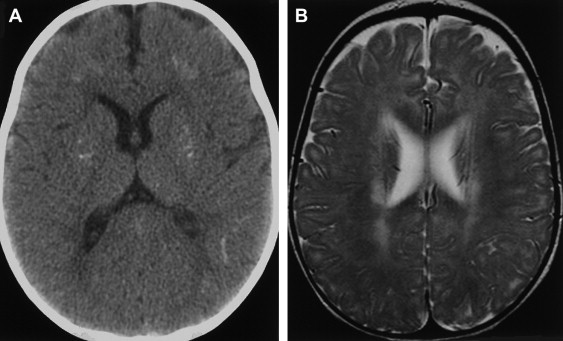
- Imaging Tests: While not always necessary for diagnosis, imaging tests like head ultrasounds, CT scans, or MRIs may be performed to rule out other conditions with similar symptoms.
Management of Kernicterus:
The management of kernicterus focuses on reducing bilirubin levels and preventing further complications associated with high bilirubin concentrations in the blood and brain tissue:
- Treatment Options:
- Phototherapy: This involves exposing the baby’s skin to special lights that help break down excess bilirubin.
- Exchange Transfusion: In severe cases, where phototherapy is ineffective, exchange transfusion may be performed to replace the baby’s blood with donor blood.
- Nutritional Support: Ensuring adequate feeding is essential as passing stool helps eliminate waste products like bilirubin from the body.
- Monitoring and Follow-Up:
- Regular monitoring of bilirubin levels post-treatment is crucial to ensure they are decreasing towards normal ranges.
- Follow-up appointments with healthcare providers are necessary to track the baby’s progress and address any emerging concerns or complications.
- Long-Term Support:
- Babies who have experienced late-stage symptoms may face irreversible complications; however, supportive care can help them adapt as they grow.
- Parents should ensure their child receives proper nutrition and meets feeding requirements for optimal recovery.
In conclusion, early diagnosis through clinical assessment and bilirubin testing followed by appropriate treatment modalities such as phototherapy or exchange transfusion are key components in managing kernicterus effectively.