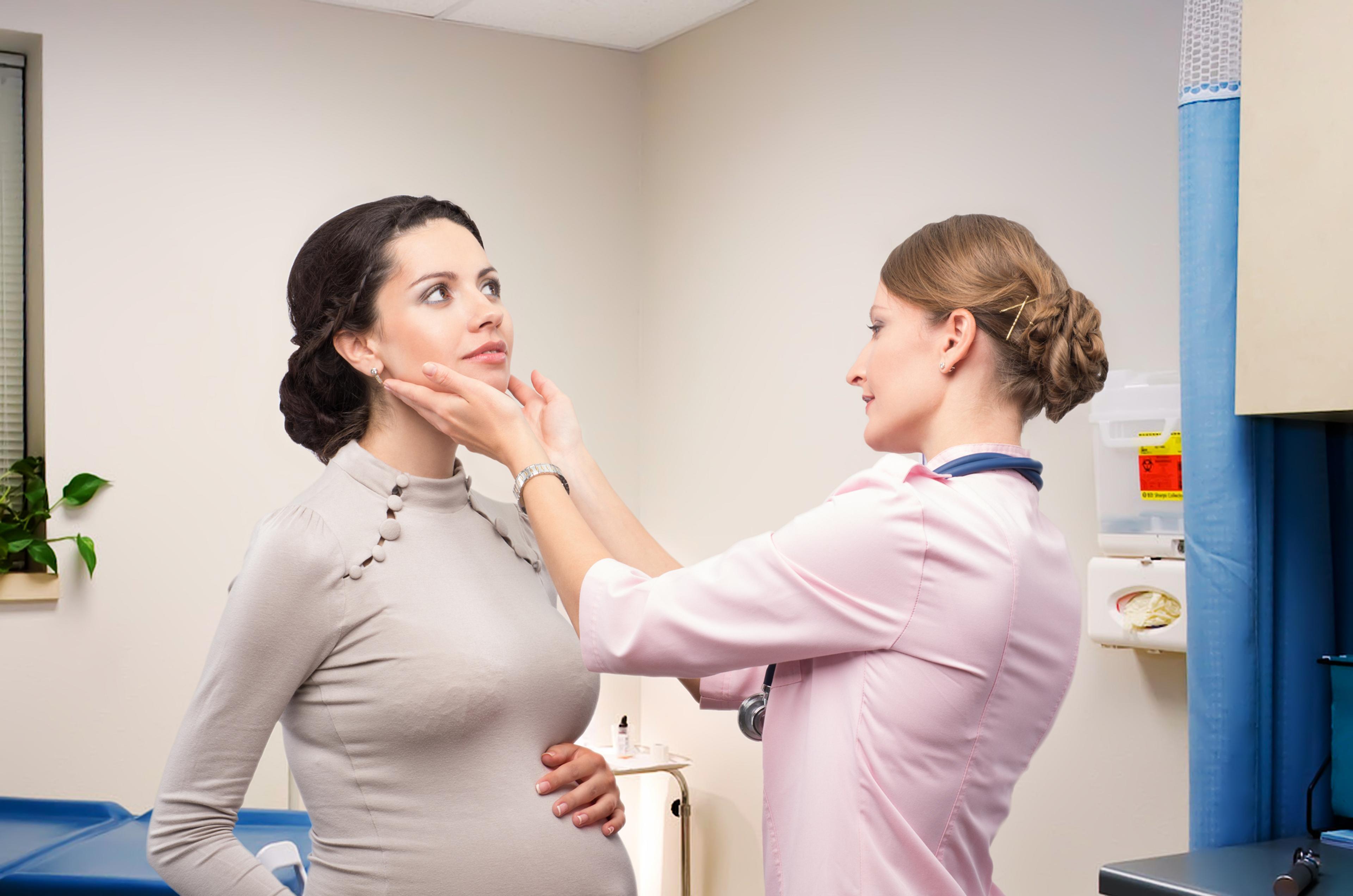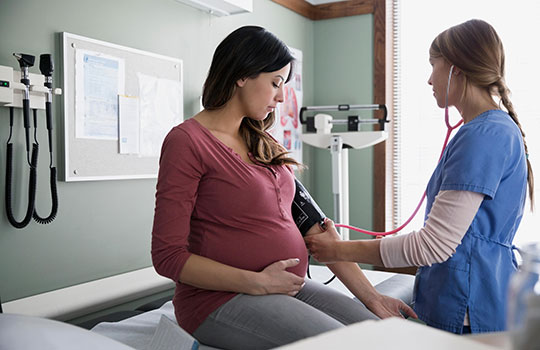

Surgical conditions arising during pregnancy present unique challenges for both clinicians and patients due to the dual considerations of maternal health and fetal well-being. While surgery during pregnancy is relatively uncommon, certain disorders necessitate surgical intervention to prevent life-threatening complications. The decision to operate requires a multidisciplinary approach involving obstetricians, surgeons, anesthesiologists, and maternal-fetal medicine specialists.
Understanding the Epidemiology and Risk Assessment
Surgery during pregnancy occurs in approximately 1 to 2 per 1,000 pregnancies, with non-obstetric surgical procedures accounting for the majority. While elective surgeries are generally deferred until after delivery, emergent or urgent conditions may require prompt surgical management. The most common non-obstetric surgical emergencies in pregnant women include appendicitis, cholecystitis, ovarian torsion, bowel obstruction, and trauma-related injuries. The physiological changes of pregnancy—including elevated progesterone levels, increased abdominal pressure, diaphragmatic elevation, and immune modulation—can mask typical clinical signs, complicating diagnosis and delaying appropriate treatment.
The risk of surgery during pregnancy must be balanced against the risk of untreated pathology. For example, untreated appendicitis can lead to perforation and peritonitis, increasing maternal mortality and preterm birth risk. Studies consistently show that timely surgical intervention is associated with improved maternal and fetal outcomes compared to delayed or conservative management. Early consultation with a multidisciplinary team is crucial for accurate risk stratification and shared decision-making.
1. Appendicitis – Diagnosis and Management
Acute appendicitis is the most frequent non-obstetric surgical condition during pregnancy, affecting approximately 1 in 1,000 pregnancies. Due to anatomical changes during gestation—such as the upward displacement of the appendix by the growing uterus—the typical right lower quadrant pain may be absent or mislocalized to the right upper quadrant, complicating diagnosis.
Clinical evaluation remains the cornerstone, but imaging is often necessary. Ultrasound is typically the first-line modality due to its lack of ionizing radiation, although its sensitivity decreases in later trimesters. Magnetic resonance imaging (MRI) without contrast is the preferred imaging technique when ultrasound is inconclusive, offering high sensitivity and specificity without fetal risk.
Once diagnosed, appendectomy is the definitive treatment. Laparoscopic appendectomy is safe during pregnancy and is associated with lower rates of wound infection, shorter hospital stays, and reduced preterm labor compared to open surgery, particularly in the first and second trimesters. Recent meta-analyses confirm that laparoscopic surgery does not increase the risk of miscarriage or fetal loss when performed by experienced surgeons. The second trimester is generally considered the ideal time for surgery, as organogenesis is complete and the risk of preterm labor is lowest.
2. Acute Cholecystitis and Biliary Disease
Gallstone disease affects up to 6% of pregnant women and is the second most common indication for non-obstetric surgery. Pregnancy increases the risk of gallstone formation due to elevated progesterone, which reduces gallbladder motility and increases bile cholesterol saturation. Symptoms of acute cholecystitis—right upper quadrant pain, nausea, and fever—can mimic normal pregnancy discomforts, leading to delayed diagnosis.
Initial management may include conservative treatment with antibiotics and bowel rest, but recurrent or severe disease often necessitates cholecystectomy. Laparoscopic cholecystectomy is the preferred approach and is considered safe during all trimesters, though the second trimester is again optimal. Delaying surgery increases the risk of complications such as choledocholithiasis, pancreatitis, and sepsis. Studies demonstrate that early laparoscopic surgery results in fewer complications and shorter hospital stays compared to delayed intervention.
Intraoperative care includes left uterine displacement to prevent aortocaval compression and careful Veress needle placement during insufflation to avoid uterine injury. There is no significant increase in fetal loss or preterm birth when surgery is performed appropriately.
3. Ovarian Torsion and Gynecologic Emergencies
Ovarian torsion occurs when an ovary twists on its vascular pedicle, leading to compromised blood flow and potential necrosis. Pregnancy-related hormonal changes increase the risk of ovarian cyst formation, particularly corpus luteum cysts, which can predispose to torsion. Symptoms include acute pelvic or abdominal pain, nausea, and vomiting.
Diagnosis is challenging due to overlapping symptoms with other pregnancy-related conditions. Transvaginal ultrasound with Doppler is the imaging modality of choice, showing absent or reduced blood flow to the ovary. However, the presence of some venous flow does not rule out torsion.
Prompt surgical intervention is essential to preserve ovarian function. Laparoscopy is preferred and allows for detorsion and cystectomy or oophorectomy if necrosis is present. Contrary to past practices, detorsion is now routinely performed even if the ovary appears necrotic, as studies show ovarian function can recover after untwisting. Fertility-sparing surgery is emphasized, particularly in young women.
The timing of surgery is urgent but not emergent, and can be coordinated with obstetric and anesthesia teams. Fetal outcomes are generally favorable when surgery is timely, with no increased risk of congenital malformations.
4. Bowel Obstruction and Intestinal Pathologies
Bowel obstruction during pregnancy is rare but serious, with an incidence of approximately 1 in 3,000 pregnancies. Causes include adhesions from prior surgery, volvulus, incarcerated hernias, or malignancy. The dilated uterus can precipitate intestinal kinking, especially in the third trimester.
Symptoms include severe abdominal pain, distension, vomiting, and constipation. Diagnosis is complicated by normal gastrointestinal changes in pregnancy, such as slowed motility. Imaging is essential; abdominal X-rays are limited due to fetal radiation concerns. MRI or low-dose CT with shielding can be used when necessary. Ultrasound may show dilated bowel loops and fluid levels.
Conservative management—NPO status, nasogastric decompression, and IV fluids—may be attempted for partial obstructions, but surgical intervention is required for complete or strangulated obstructions. The goal is to relieve the obstruction while minimizing manipulation of the uterus. Laparotomy is typically used over laparoscopy in advanced pregnancy due to limited abdominal space.
Outcomes depend on the timeliness of intervention. Delayed diagnosis increases risks of bowel necrosis, sepsis, and fetal demise. Maternal mortality remains significant in cases of untreated strangulated obstruction.
5. Trauma and Surgical Intervention
Trauma is a leading cause of non-obstetric maternal death and may require urgent surgery. Motor vehicle accidents, falls, and assaults are common causes. Even minor trauma can have serious implications due to placental abruption, uterine rupture, or fetal injury.
Initial assessment follows advanced trauma life support (ATLS) principles with modifications for pregnancy. Left lateral tilt is essential to relieve aortocaval compression. Fetal monitoring should begin as soon as maternal stabilization is achieved.
Diagnostic imaging, including CT scans, should not be withheld if clinically indicated, as the benefits outweigh theoretical radiation risks. Ultrasound (FAST exam) and fetal monitoring are integral. Surgical intervention depends on injury type—splenectomy for splenic rupture, craniotomy for head trauma, or exploratory laparotomy for intra-abdominal bleeding.
Perioperative care includes oxygenation, volume resuscitation, and avoidance of hypotension to maintain uteroplacental perfusion. Cesarean delivery may be indicated if the mother is unstable near viability or in cases of fetal distress unresponsive to resuscitation.
Perioperative Considerations and Fetal Monitoring
Regardless of the surgical indication, several perioperative principles apply. Maternal physiology changes during pregnancy—increased cardiac output, oxygen consumption, and decreased functional residual capacity—require careful anesthesia planning. Regional anesthesia is preferred when possible, but general anesthesia may be necessary for emergent procedures.
Fetal monitoring is recommended intraoperatively for pregnancies beyond 23–24 weeks, the limit of fetal viability. Continuous electronic fetal monitoring helps detect signs of fetal distress. Corticosteroids may be administered to promote fetal lung maturity if surgery occurs before 34 weeks and preterm delivery is a concern.
Postoperatively, tocolytic therapy is not routinely recommended unless signs of preterm labor are present. Prophylactic antibiotics, DVT prophylaxis, and early mobilization are standard.
Conclusion
Surgical disorders during pregnancy, though uncommon, require prompt diagnosis and expert management to safeguard both maternal and fetal health. The most frequent conditions—appendicitis, cholecystitis, ovarian torsion, bowel obstruction, and trauma-related injuries—demand a high index of suspicion and timely intervention. The second trimester is generally the safest window for surgery, and laparoscopic techniques are preferred when feasible. A multidisciplinary approach, meticulous perioperative care, and appropriate use of imaging and fetal monitoring are essential for optimal outcomes. With advances in surgical and anesthetic techniques, both maternal and fetal survival rates have significantly improved, reinforcing that surgery during pregnancy, when indicated, is not only safe but often life-saving.
References
- Weber, T., & Meinhold, S. (2020). Surgical management in pregnancy. Deutsches Arzteblatt International, 117(11), 179–186. https://doi.org/10.3238/arztebl.2020.0179
- Sauerland, S., Agresta, F., Bergamaschi, R., et al. (2010). Laparoscopy for abdominal emergencies: Evidence-based guidelines of the European Association for Endoscopic Surgery. Surgical Endoscopy, 24(2), 242–259. https://doi.org/10.1007/s00464-009-0890-6
- Asrari, C., & Jaremko, J. L. (2019). MRI for acute abdominal pain in pregnancy: Review of current guidelines and imaging findings. Clinical Radiology, 74(3), 175–186. https://doi.org/10.1016/j.crad.2018.11.008
- Raghavan, R., et al. (2015). Maternal and fetal outcomes after appendectomy in pregnancy: A 10-year experience. American Journal of Surgery, 210(2), 276–280. https://doi.org/10.1016/j.amjsurg.2014.12.026
- ACOG Committee Opinion No. 779: Surgery and Surgical Procedures in Pregnancy. (2019). Obstetrics & Gynecology, 134(1), e1–e7. https://doi.org/10.1097/AOG.0000000000003305
- Livingston, E. H., & Rege, R. V. (2004). The relationship between caloric intake, body mass index, and gallstone formation. Journal of Surgical Research, 117(2), 141–147. https://doi.org/10.1016/S0022-4804(03)00252-X