
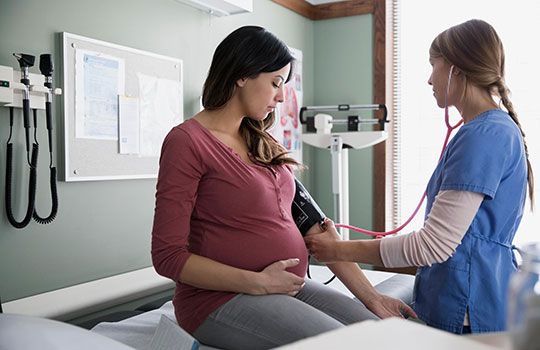
Renal insufficiency in pregnancy, also referred to as chronic kidney disease (CKD) during gestation, poses significant challenges for both maternal and fetal health. Pregnancy induces a series of physiological adaptations in the maternal body, particularly in the cardiovascular and renal systems. These adaptations include increased glomerular filtration rate (GFR), renal plasma flow, and sodium retention—normal changes aimed at supporting fetal development. However, when a woman enters pregnancy with pre-existing renal insufficiency or develops acute or chronic kidney dysfunction during gestation, these physiological adjustments may be compromised, leading to increased risks for adverse outcomes.
Definition and Classification of Renal Insufficiency in Pregnancy
Renal insufficiency refers to a reduction in kidney function, typically defined by a decline in the glomerular filtration rate (GFR) and/or markers of kidney damage such as proteinuria, hematuria, or structural abnormalities. In pregnancy, renal insufficiency can be pre-existing (chronic) or acquired de novo (acute kidney injury, or worsening of undiagnosed CKD). The Kidney Disease: Improving Global Outcomes (KDIGO) guidelines classify CKD into five stages based on GFR:
- Stage 1: GFR ≥ 90 mL/min/1.73 m² with kidney damage
- Stage 2: GFR 60–89 mL/min/1.73 m² with kidney damage
- Stage 3a: GFR 45–59 mL/min/1.73 m²
- Stage 3b: GFR 30–44 mL/min/1.73 m²
- Stage 4: GFR 15–29 mL/min/1.73 m²
- Stage 5: GFR < 15 mL/min/1.73 m² (end-stage renal disease)
Pregnancy in women with CKD stages 3 and above carries a particularly high risk of complications, including preeclampsia, preterm birth, intrauterine growth restriction (IUGR), and maternal end-stage renal disease progression.
Epidemiology and Risk Factors
The prevalence of CKD in women of reproductive age is estimated at 3–4%, though many remain undiagnosed. While most pregnancies in women with mild renal insufficiency (Stage 1–2 CKD) proceed without major complications, the risk escalates significantly in moderate to severe CKD. Studies indicate that approximately 10–25% of pregnant women with CKD experience worsening renal function during gestation, and those with baseline proteinuria or hypertension face the highest risks.
Common causes of pre-existing renal insufficiency in pregnant women include:
- Glomerulonephritis (e.g., IgA nephropathy, lupus nephritis)
- Diabetic nephropathy
- Polycystic kidney disease
- Hypertensive nephrosclerosis
- Congenital anomalies of the kidney and urinary tract
Additional risk factors for adverse outcomes include advanced maternal age, obesity, smoking, and poor preconception renal care.
Physiological Changes in Renal Function During Normal Pregnancy
Understanding the normal physiology of the kidneys in pregnancy is crucial to recognizing deviations in women with renal insufficiency. During gestation, hormonal changes—particularly elevated progesterone and relaxin—lead to smooth muscle relaxation in the urinary tract and systemic vasodilation. Cardiac output increases by 30–50%, resulting in a 40–65% rise in renal plasma flow and GFR, which peaks at 12–16 weeks and remains elevated until term.
Other notable changes include:
- Mild proteinuria (up to 300 mg/24 hours considered normal)
- Slight decrease in serum creatinine (typically to 0.5–0.6 mg/dL)
- Increased frequency of urination due to compression of the bladder
- Reduced serum osmolality and plasma sodium
In women with pre-existing renal disease, these adaptive changes may not occur or may exacerbate underlying kidney damage. For instance, women with reduced nephron mass may not tolerate the hyperfiltration state, accelerating glomerulosclerosis.
Maternal and Fetal Complications
The interplay between maternal renal function and pregnancy outcomes is complex. Women with CKD are at elevated risk for several maternal complications:
- Preeclampsia: The risk increases proportionally with the severity of renal disease. In CKD patients, preeclampsia develops in up to 20–50% of pregnancies, often earlier and more severely than in the general population.
- Worsening Renal Function: Up to 30% of women with baseline CKD experience a permanent decline in GFR postpartum, particularly if proteinuria exceeds 1 g/day or if blood pressure is poorly controlled.
- Hypertensive Disorders: Chronic hypertension is common in CKD and may worsen during pregnancy, necessitating aggressive management.
- Anemia: Due to reduced erythropoietin production and iron deficiency, anemia is more prevalent and severe.
Fetal complications are equally concerning:
- Preterm Birth: Rates exceed 30–50% in women with moderate to severe CKD.
- Intrauterine Growth Restriction (IUGR): Resulting from placental insufficiency, hypertension, and reduced uteroplacental perfusion.
- Low Birth Weight: Common due to prematurity and IUGR.
- Neonatal Intensive Care Unit (NICU) Admission: Higher rates due to respiratory distress and other complications.
Diagnostic Evaluation
Early and accurate diagnosis is critical for managing renal insufficiency in pregnancy. The diagnostic process should begin preconception but continues throughout gestation.
- Baseline Assessment: Women with known CKD should undergo preconception counseling. Evaluation includes serum creatinine, electrolytes, urinalysis, proteinuria quantification (24-hour urine or spot urine protein-to-creatinine ratio), blood pressure, and assessment of underlying etiology.
- Monitoring During Pregnancy: Monthly monitoring of serum creatinine, blood pressure, and urine protein is standard. GFR calculated using creatinine-based equations (e.g., CKD-EPI) must be interpreted cautiously due to pregnancy-induced reductions in serum creatinine.
- Doppler Ultrasound: Used to assess fetal growth, amniotic fluid volume, and umbilical artery resistance.
- Differential Diagnosis: Distinguishing between CKD exacerbation and other pregnancy-related renal conditions such as preeclampsia, acute kidney injury, or hemolysis, elevated liver enzymes, and low platelet count (HELLP) syndrome is essential. Preeclampsia may present with new-onset hypertension and proteinuria after 20 weeks, whereas CKD often presents with pre-existing proteinuria and hypertension.
Management Strategies
Management is multidisciplinary and tailored to disease severity, underlying etiology, and gestational stage.
- Blood Pressure Control: Goal is <130/80 mmHg. Preferred agents include labetalol, nifedipine, and methyldopa. Angiotensin-converting enzyme inhibitors (ACEIs) and angiotensin receptor blockers (ARBs) are contraindicated due to teratogenicity.
- Proteinuria Reduction: While ACEIs are avoided, optimizing blood pressure and using statins (if indicated) may help reduce proteinuria.
- Nutritional Support: A balanced diet with adequate protein (0.8–1.2 g/kg/day), restricted sodium, and appropriate hydration is recommended. Avoidance of nephrotoxins (e.g., NSAIDs) is critical.
- Anemia Management: Iron supplementation and, in severe cases, erythropoiesis-stimulating agents (off-label use in pregnancy) may be considered.
- Immunosuppressive Therapy: In autoimmune causes like lupus nephritis, medications such as hydroxychloroquine, azathioprine, or corticosteroids may be continued or adjusted under close supervision.
- Timing and Mode of Delivery: Delivery is typically recommended between 37–39 weeks in stable CKD; earlier if complications like preeclampsia or IUGR arise. Cesarean section is reserved for obstetric indications.
Postpartum Care and Long-Term Considerations
Postpartum follow-up is essential. Renal function should be reassessed at 6–12 weeks postpartum. Some women experience partial recovery, while others may have permanent deterioration. Long-term risks include progression to end-stage renal disease (ESRD), requiring dialysis or transplantation. Breastfeeding is generally encouraged, but medication safety must be evaluated (e.g., methyldopa and labetalol are compatible).
Women should be counseled about future pregnancies, particularly if they have advanced CKD, as recurrence risks are high.
Conclusion
Renal insufficiency in pregnancy is a high-risk condition requiring careful preconception planning, close monitoring, and coordinated care between nephrologists, maternal-fetal medicine specialists, and primary care providers. Understanding the physiological changes of pregnancy, recognizing the signs of disease progression, and implementing timely interventions are critical to improving maternal and fetal outcomes. With appropriate management, many women with mild to moderate renal insufficiency can achieve successful pregnancies. However, those with severe CKD face significant challenges, underscoring the importance of early detection and multidisciplinary collaboration.
References
- American College of Obstetricians and Gynecologists (ACOG). (2020). ACOG Practice Bulletin No. 212: Pregnancy and Chronic Hypertension. Obstetrics & Gynecology, 135(4), e237–e263. https://doi.org/10.1097/AOG.0000000000003795
- Piccoli, G. B., et al. (2015). Kidney disease and pregnancy: a position statement by the Italian Association of Nephrologists and the Italian Society of Nephrology. Journal of Nephrology, 28(2), 153–167. https://doi.org/10.1007/s40620-014-0139-3
- KDIGO Clinical Practice Guideline for the Evaluation and Management of Chronic Kidney Disease. (2012). Kidney International Supplements, 3(1), 1–150.
- Durnwald, C. (2017). Chronic Kidney Disease and Pregnancy. Clinical Obstetrics and Gynecology, 60(1), 157–167. https://doi.org/10.1097/GRF.0000000000000253
- Bavishi, M., & Atta, M. G. (2016). Chronic Kidney Disease and Pregnancy Outcomes. Advances in Chronic Kidney Disease, 23(1), 48–53. https://doi.org/10.1053/j.ackd.2015.09.008