
Synchronized electrical cardioversion (SCV) is a critical intervention utilized in emergency medicine and cardiology to terminate specific, symptomatic, or unstable tachyarrhythmias by delivering a precisely timed electrical shock. Unlike unsynchronized defibrillation, which is used for pulseless rhythms (Ventricular Fibrillation or pulseless Ventricular Tachycardia), SCV delivers energy precisely on the peak of the R wave (QRS complex). This synchronization is vital; shocking during the vulnerable repolarization phase (T wave) can induce Ventricular Fibrillation (VF), a phenomenon known as R-on-T.
Indications and Initial Assessment
Synchronized cardioversion is indicated for patients exhibiting hemodynamically unstable or persistent tachyarrhythmias, including:
- Atrial Fibrillation (AFib): Especially if rapid ventricular response leads to instability (hypotension, acute heart failure, or active ischemia).
- Atrial Flutter (AFlutter).
- Supraventricular Tachycardia (SVT): If pharmacological management fails or the patient is unstable.
- Monomorphic Ventricular Tachycardia (VT) with a Pulse: If the patient is unstable.
- Note: Polymorphic VT or Torsades de Pointes should be managed as VF (defibrillation) due to the difficulty in achieving reliable synchronization.
Anticoagulation Consideration (Crucial Safety Step)
Before performing elective cardioversion for AFib or AFlutter, the duration of the arrhythmia must be ascertained. If the arrhythmia has persisted for more than 48 hours, or the duration is unknown, the risk of stroke due to atrial thrombus dislodgement is high. In such cases, the patient must be anticoagulated for three weeks prior to the procedure, or a Transesophageal Echocardiogram (TEE) must confirm the absence of left atrial appendage thrombus. Emergency cardioversion (for unstable patients) overrides this requirement, but immediate post-procedure anticoagulation is mandatory.
Pre-Procedure Preparation and Safety Checklist
Successful cardioversion is dependent on meticulous preparation, emphasizing patient safety and rapid access to resuscitative measures.
A. Equipment and Personnel
- Defibrillator/Monitor: Ensure the device is fully charged, functional, and equipped with monitoring leads and appropriate adhesive pads (preferred over handheld paddles).
- Resuscitation Equipment: Have a crash cart immediately available. This includes airway management supplies (bag-valve-mask, intubation tools, suction), emergency drug kits, and standard IV fluids.
- Vascular Access: Establish at least one, preferably two, large-bore intravenous (IV) lines.
- Sedation Team: A dedicated practitioner (physician, anesthesiologist, or specially trained nurse/mid-level provider) must be responsible solely for administering and monitoring sedation and airway status.
B. Patient Preparation and Monitoring
- Consent and Time-Out: Obtain informed consent (if elective). Perform a definitive time-out verifying the patient, procedure, indication, and equipment.
- Safety Removal: Remove any metallic jewelry, transdermal medication patches (especially nitroglycerin or nicotine patches, which can explode or cause skin burns due to conduction), and excess moisture from the chest area.
- Continuous Monitoring: Apply continuous cardiac monitoring (EKG), pulse oximetry, and non-invasive blood pressure monitoring (set to cycle frequently). Capnography (EtCO2 monitoring) is highly recommended during sedation.
Sedation and Analgesia
Synchronized cardioversion is a painful procedure. Adequate procedural sedation is non-negotiable for patient comfort, compliance, and procedural success.
A. Agent Selection
Rapid-acting, short-duration agents are preferred to ensure rapid recovery and decrease the risk of prolonged respiratory depression. Dosing should be titrated to achieve deep sedation while maintaining spontaneous respiration.
- Preferred Agents:
- Etomidate: Provides rapid onset, short duration, and minimal historical effect on blood pressure (though adrenal suppression is a risk with repeated dosing). Initial dose: 0.1 to 0.3 mg/kg IV.
- Propofol: Excellent for rapid onset and offset, but requires careful administration due to potential for significant hypotension and respiratory depression. Initial dose: 0.5 to 1.0 mg/kg IV.
- Midazolam/Fentanyl: A benzodiazepine/opioid combination can be used for lighter sedation, though the prolonged duration of benzodiazepines may delay recovery.
B. Airway Management
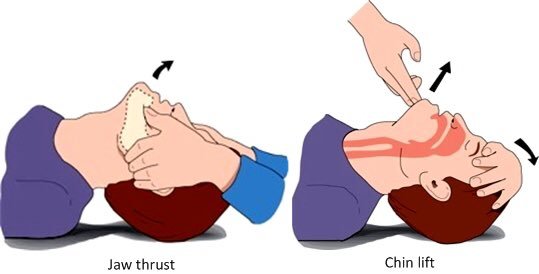
The patient’s head should be positioned for optimal airway management (sniffing position). Supplemental oxygen (non-rebreather mask or nasal cannula) should be applied and maintained until the patient is fully awake and ventilating adequately following the procedure.
Technical Steps for Cardioversion
The execution phase requires precision in pad placement, energy selection, and, crucially, engaging the synchronization mode.
A. Pad Placement
Adhesive cardioversion pads are superior to handheld paddles as they ensure better contact and allow the operator to stand clear. Two primary placements are utilized:
- Anterolateral: Negative pad placed on the right sternal border, second intercostal space; positive pad placed lateral to the left nipple in the mid-axillary line. (Most common and effective).
- Anterior-Posterior (AP): Negative pad placed over the precordium/left sternal border; positive pad placed on the back, inferior to the left scapula. (Often preferred for atrial flutter/AFib as it may capture more atrial mass).
B. Engaging Synchronization Mode
This is the most critical technical step distinguishing SCV from defibrillation.
- Press the “Sync” Button: Activate synchronization mode on the defibrillator.
- Verify R-Wave Detection: The monitor must display clear markers (usually vertical bars or arrows) above every R wave of the QRS complex. If the device fails to detect the R wave reliably (e.g., due to low amplitude or artifact), adjust the gain or select a different monitoring lead until detection is perfect. If the markers are irregular or absent, the device may deliver an unsynchronized shock.
C. Energy Selection (Biphasic Preferred)
Modern biphasic defibrillators require lower energy levels and are more effective than monophasic devices. Initial energy selection depends specifically on the target arrhythmia:
| Target Arrhythmia | Initial Energy Dose (Biphasic) | Subsequent Doses |
|---|---|---|
| Atrial Fibrillation (AFib) | 120 – 200 Joules (J) | Escalate energy level stepwise. |
| Atrial Flutter (AFlutter) | 50 – 100 J | Can often convert with low energy. |
| SVT (Paroxysmal) | 50 – 100 J | If first shock fails. |
| Monomorphic VT with Pulse | 100 J | Escalate to 200 J if unsuccessful. |
D. Delivery of the Shock
- Charge the Device: Select the appropriate energy level and press the charge button.
- Safety Sweep: Once charged, verbally and visually confirm that all personnel are clear of the patient, the bed, and any grounded metal surfaces. Crucially, confirm oxygen flow is momentarily stopped and the mask is removed to eliminate fire risk.
- Deliver the Shock: Press and hold both discharge buttons simultaneously. The device will wait until it detects the next R wave before firing. The operator must continue to hold the buttons until the shock is delivered. (If the shock is unsuccessful, the synchronization mode must be re-engaged as it often defaults back to defibrillation mode).
Post-Procedure Management and Documentation
A. Immediate Assessment
- Rhythm Check: Immediately assess the resultant rhythm. If the shock was successful, the patient should be in Sinus Rhythm (SR). Obtain a post-conversion 12-lead EKG.
- Vital Signs: Check blood pressure, heart rate, oxygen saturation, and respiratory status. Hypotension is common after successful conversion or due to sedative agents and may require a fluid bolus or vasopressor support.
- Failed Conversion: If the first shock fails, reassess the patient’s status, increase the energy level (using the next highest energy step), re-engage the synchronization mode, and deliver a second shock. Consider chemical cardioversion if multiple shocks fail.
B. Monitoring and Documentation
The patient must be continuously monitored in a monitored setting (e.g., ICU or specialized recovery unit) until they are fully awake, responsive, and hemodynamically stable.
Detailed documentation must include:
- Indication for the procedure.
- Pre- and post-procedure rhythm strips and EKG results.
- Type and total dose of sedation/analgesia administered.
- Number of shocks delivered and the energy level (Joules) of each shock.
- Any complications, patient response, and time of discharge from the monitored setting.
C. Potential Complications
While generally safe, SCV carries risks, including:
- Pro-arrhythmia: Conversion to a different malignant rhythm (e.g., VF, if the shock was accidentally delivered off the T wave).
- Thromboembolism: Despite precautions, clot dislodgement resulting in stroke or systemic emboli remains the most significant risk in non-anticoagulated patients.
- Hypotension/Respiratory Depression: Primarily due to pharmacological sedation agents.
- Skin Burns: Typically minor, caused by poor pad contact or high electrical impedance.
Conclusion
Synchronized cardioversion is a time-sensitive, high-acuity intervention that requires expert technical skill and meticulous preparation. Adherence to structured protocols for equipment checks, patient sedation, precise synchronization verification, and appropriate biphasic energy selection is paramount to ensuring patient safety and achieving successful conversion back to a stable sinus rhythm.
References
- American Heart Association (AHA). (2020). ACLS Provider Manual: Advanced Cardiovascular Life Support. Dallas, TX: American Heart Association.
- Link, M. S., et al. (2015). Part 7: Adult Advanced Cardiovascular Life Support: 2015 American Heart Association Guidelines Update for Cardiopulmonary Resuscitation and Emergency Cardiovascular Care. Circulation, 132(18 Suppl 2), S444–S464.
- January, C. T., et al. (2019). 2019 AHA/ACC/HRS Focused Update of the 2014 AHA/ACC/HRS Guideline for the Management of Patients With Atrial Fibrillation. Circulation, 140(2), e125–e151.
- Neumar, R. W., et al. (2010). Part 8: Post–cardiac arrest care: 2010 American Heart Association Guidelines for Cardiopulmonary Resuscitation and Emergency Cardiovascular Care. Circulation, 122(18 Suppl 3), S768-S786.
- Diercks, D. B. (2023). Synchronized Cardioversion. UpToDate. Retrieved from clinical reference databases.