The implantation of a transvenous pacemaker is a common and life-saving cardiovascular procedure designed to regulate the heart rate and rhythm in patients experiencing symptomatic bradycardia, heart block, or other conduction abnormalities. This intricate process requires meticulous attention to detail, a thorough understanding of cardiac anatomy, and stringent adherence to sterile technique.
Introduction to Transvenous Pacemakers
A transvenous pacemaker system consists of a pulse generator (battery and circuitry) and one or more leads (insulated wires). The leads are advanced through a vein into the heart chambers, where they deliver electrical impulses from the generator to stimulate cardiac contraction when the heart’s natural electrical system fails. Transvenous pacemakers can be temporary, using an external generator for short-term pacing, or permanent, with an implanted generator. This guide primarily focuses on the permanent implantation procedure.
Pre-Procedure Considerations
Before commencing the procedure, thorough preparation is paramount to ensure patient safety and optimize procedural success.
A. Indications and Contraindications: Typical indications include symptomatic bradycardia, high-degree atrioventricular (AV) block, sick sinus syndrome, and certain types of bundle branch block. Absolute contraindications are rare but include active infection at the implant site or severe coagulopathy that cannot be corrected. Relative contraindications may include severe tricuspid valve disease or a history of lead complications.
B. Patient Preparation:
- Informed Consent: A comprehensive discussion with the patient regarding the procedure, its benefits, risks, and alternatives is essential, followed by obtaining written informed consent.
- Medical History & Physical Exam: Review the patient’s full medical history, allergies (especially to local anesthetics, contrast dyes, and antibiotics), and current medications. Conduct a focused physical examination, noting any anatomical variations.
- Laboratory Studies: Routine pre-operative blood work, including a complete blood count, electrolyte levels, renal function tests, and coagulation profile (PT/INR, PTT), should be conducted.
- Imaging: A recent chest X-ray is typically required to assess lung fields and cardiac silhouette.
- Medication Management: Anticoagulants and antiplatelet medications may need to be held or bridged according to institutional protocols and patient risk profiles. IV antibiotics are typically administered prophylactically prior to incision.
- NPO Status: Patients should be kept nil per os (NPO) for usually 6-8 hours prior to the procedure, depending on anesthesia requirements.
- IV Access: Establish secure peripheral intravenous access for medication administration and fluid resuscitation.
C. Equipment Preparation: A sterile operating environment is critical. The following equipment should be prepared:
- Sterile Drapes and Gowns: For maintaining a sterile field.
- Local Anesthetic: Lignocaine (lidocaine) with or without adrenaline.
- Surgical Instruments: Scalpels, forceps, needle drivers, scissors, hemostats, electrocautery.
- Venous Access Kits: Introducer sheaths (e.g., Peel-Away®), guidewires, dilators, needles (18G, 22G).
- Pacemaker System: Pulse generator (single or dual chamber), appropriate pacing leads (ventricular, atrial), stylets.
- Pacing System Analyzer (PSA): For measuring pacing thresholds, sensing, and lead impedance.
- Fluoroscopy Unit: Essential for real-time visualization of lead advancement.
- Electrocardiogram (ECG) Machine: For continuous cardiac monitoring and rhythm analysis.
- Defibrillator: Readily available in case of life-threatening arrhythmias.
- Sutures: Non-absorbable for lead fixation and absorbable for subcutaneous closure.
- Sterile Saline Flush: For maintaining patency of introducer sheaths.
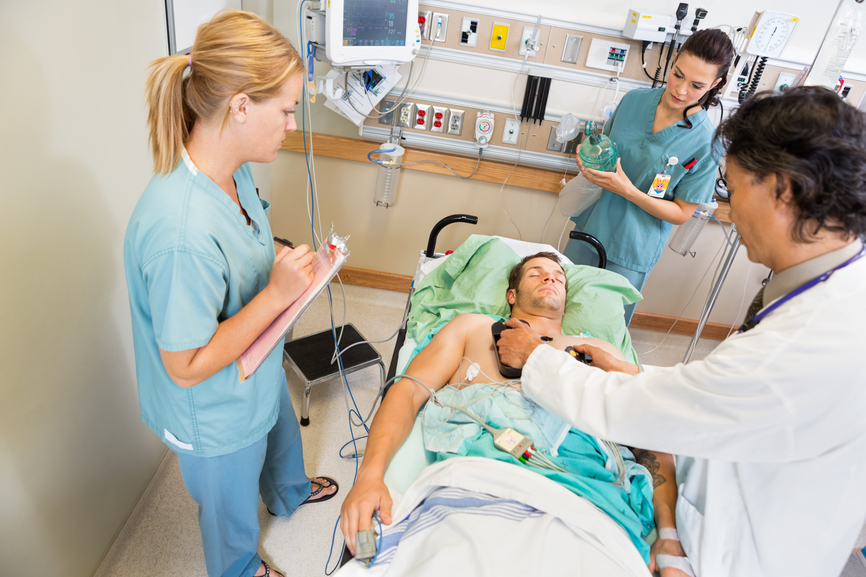
D. Team Briefing: A pre-procedure briefing involving the implanter, nurses, and radiographers ensures everyone understands their roles, potential complications, and contingency plans.
Procedure Steps for Transvenous Pacemaker Insertion
The procedure is typically performed in a cardiac catheterization laboratory or dedicated electrophysiology suite under fluoroscopic guidance and sterile conditions.
A. Patient Positioning and Preparation:
- Positioning: The patient is positioned supine on the fluoroscopy table with the left arm (for left-sided implant) abducted and externally rotated, allowing access to the deltopectoral groove.
- Monitoring: Continuous ECG, pulse oximetry, and non-invasive blood pressure monitoring are initiated.
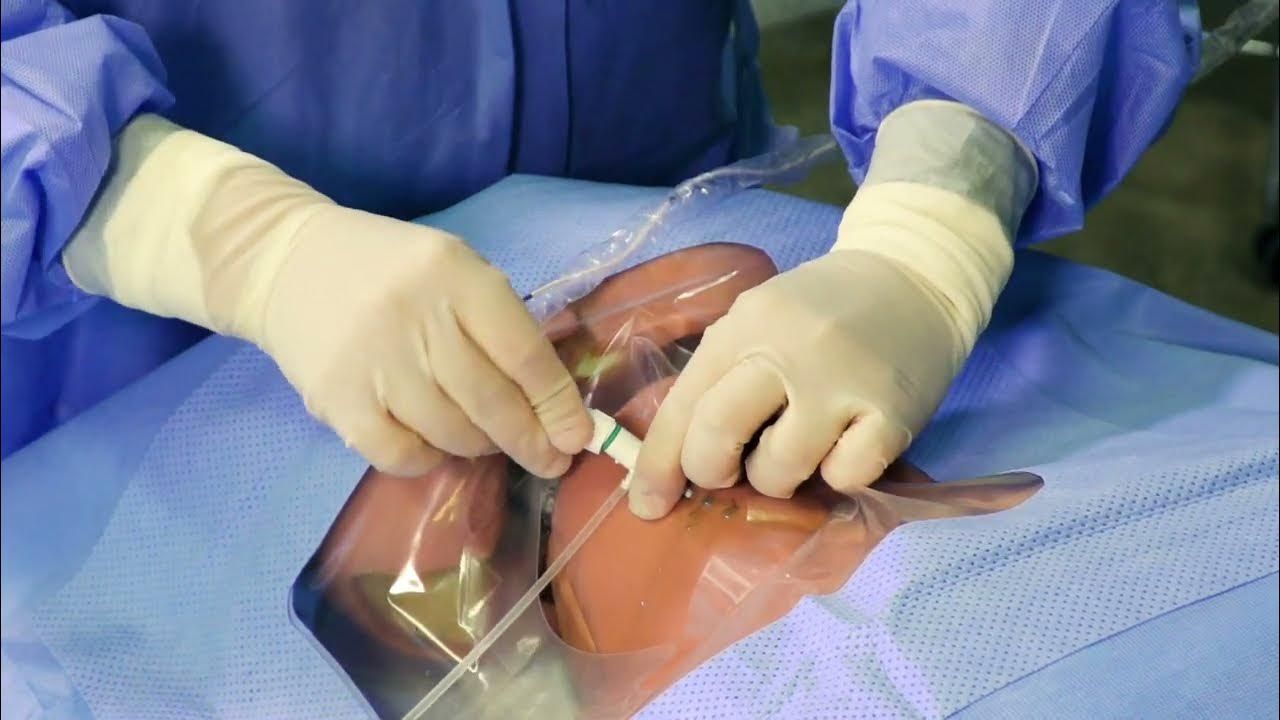
- Sterile Field: The chest and shoulder area (typically left infraclavicular) are extensively prepped with an antiseptic solution (e.g., chlorhexidine) and draped to create a broad sterile field.
B. Venous Access:
- Incision Site: The superior aspect of the deltopectoral groove, approximately 1-2 cm inferior and medial to the coracoid process, is commonly chosen.
- Local Anesthesia: Infiltrate the skin, subcutaneous tissue, and muscle layers with local anesthetic.
- Pocket Creation: A small incision (typically 3-5 cm) is made to create a subcutaneous pocket for the pulse generator. This is usually created inferior to the clavicle, above the pectoralis major muscle. Hemostasis is meticulously achieved.
- Venous Access:
- Cephalic Vein Cutdown (Preferred): The cephalic vein, a superficial vein in the deltopectoral groove, is identified, ligated distally, and a venotomy is performed. This approach avoids the risk of pneumothorax or subclavian artery puncture.
- Subclavian Vein Puncture: If the cephalic vein is unsuitable, the subclavian vein may be accessed via a percutaneous puncture. This carries a higher risk of pneumothorax, hemothorax, and lead crush syndrome. The axillary vein is another percutaneous option.
- Internal Jugular Vein Puncture: Less common for permanent implantation due to cosmetic and patient comfort issues, but often used for temporary pacing.
- Guidewire and Introducer Sheath: Once venous access is established, a guidewire is advanced into the vein, then an introducer sheath (often a peel-away sheath for permanent leads) is advanced over the guidewire into the superior vena cava, with fluoroscopic confirmation. The guidewire and dilator are then removed, leaving the sheath in place.
C. Pacemaker Lead Insertion and Advancement:
- Lead Introduction: The pacing lead, with an appropriate stylet inserted, is gently introduced through the introducer sheath into the subclavian vein and advanced towards the heart.
- Right Atrial Lead Placement (if dual chamber):
- Under fluoroscopic guidance, the atrial lead is advanced through the superior vena cava into the right atrium.
- The J-shaped stylet (for active fixation leads) or carefully curved lead tip (for passive fixation leads) is maneuvered to engage the right atrial appendage or septal wall.
- Fluoroscopic views (e.g., RAO 30°, LAO 30°) are used to confirm stable position and lack of perforation.
- Right Ventricular Lead Placement (single or dual chamber):
- The ventricular lead (with an appropriate stylet) is advanced through the tricuspid valve into the right ventricle.
- The most common final position is the right ventricular apex. The lead is advanced to the apex and then curled back slightly to ensure good contact and stability, forming a broad curve in the ventricle.
- Alternatively, septal pacing (mid-septum, RV outflow tract) may be chosen based on patient anatomy or specific pacing requirements.
- Fluoroscopic views (e.g., RAO 30°, LAO 30°, AP) are critical to confirm the lead’s path, apical position, and to rule out cardiac perforation (visible as a “dancing” lead tip or a loop of the lead outside the cardiac silhouette).
D. Lead Placement Confirmation and Testing: Once the leads are positioned, comprehensive electrical testing is performed using the Pacing System Analyzer (PSA) to ensure optimal function and safety.
- Pacing Threshold: The minimum electrical output (in milliamps, mA) required to consistently capture the heart is measured. A low threshold (<1.0V at 0.5ms pulse width) indicates good lead-myocardium contact.
- Sensing Threshold: The amplitude of the heart’s intrinsic electrical signal (in millivolts, mV) detected by the lead is measured. A high sensing value indicates good sensing capability.
- Lead Impedance: The resistance to current flow (in ohms, Ω) within the lead system is measured. Normal range is typically 400-1200 Ω. High impedance may suggest a lead fracture, while very low impedance might indicate insulation breach.
- Diaphragmatic Stimulation: The pacing output is increased to suprathreshold levels to check for phrenic nerve stimulation, which would manifest as diaphragmatic twitching. This indicates the lead tip is too close to the diaphragm and requires repositioning.
E. Securing the Leads and Generator Implantation:
- Lead Fixation: Once optimal electrical parameters are achieved, the leads are secured to the surrounding muscle or fascia (e.g., pectoralis muscle) with non-absorbable sutures using a lead anchor sleeve to prevent dislodgement. Sufficient slack is left to accommodate movement.
- Connecting to Generator: The leads are then connected to the pulse generator, ensuring proper polarity and secure connections.
- Generator Placement: The pulse generator is carefully placed into the pre-made subcutaneous pocket. Care is taken to ensure it sits comfortably and securely without tension, and that there are no sharp edges or excessive pressure on the skin.
- Final Electrical Test: A final test of the entire system (leads connected to the generator) is often performed to confirm everything is functioning correctly before closure.
F. Skin Closure:
- Hemostasis: Ensure meticulous hemostasis of the pocket.
- Layered Closure: The subcutaneous layers are closed with absorbable sutures.
- Skin Closure: The skin incision is closed using absorbable sutures, staples, or surgical adhesive, according to surgeon preference.
- Sterile Dressing: A sterile dressing is applied.
Post-Procedure Care
Post-procedure care is crucial for monitoring, complication detection, and patient recovery.
- Chest X-ray: A post-procedure chest X-ray is mandatory to confirm lead position, evaluate lung expansion, and rule out complications such as pneumothorax or hemothorax.
- Telemetry Monitoring: Continuous cardiac telemetry is initiated for at least 24 hours to monitor for arrhythmias, lead dislodgement, or pacing malfunction.
- Wound Care: The incision site is regularly inspected for signs of infection, hematoma, or dehiscence. Patient education on proper wound care is provided.
- Activity Restrictions: Patients are advised to limit arm movement on the side of the implant for several weeks to prevent lead dislodgement.
- Pacemaker Interrogation: The pacemaker is interrogated by an electrophysiologist or trained technician to program settings and ensure optimal function before discharge.
- Patient Education: Patients receive comprehensive instructions on their pacemaker, device identification cards, warning signs of complications, and follow-up schedules.
Potential Complications
While generally safe, pacemaker implantation carries potential risks:
- Procedural Complications: Pneumothorax, hemothorax, cardiac perforation (potentially leading to tamponade), air embolism, vessel damage, bleeding, hematoma, stroke.
- Early Post-Implant Complications: Lead dislodgement, infection (pocket or systemic), device malfunction, pocket erosion.
- Late Complications: Lead fracture, lead insulation failure, chronic pain, device infection, pacing-induced cardiomyopathy.
Conclusion
The insertion of a transvenous pacemaker is a complex yet highly effective procedure that significantly improves the quality of life for patients with rhythm disturbances. Successful implantation hinges on rigorous pre-operative planning, precise technical execution under fluoroscopic guidance, meticulous electrical testing, and diligent post-operative monitoring. Adherence to these steps, coupled with a deep understanding of cardiac physiology and potential complications, is essential for ensuring patient safety and achieving optimal, long-term therapeutic outcomes.
References
- Epstein, A. E., DiMarco, J. P., Ellenbogen, K. A., Estes III, N. A. M., Freedman, L. R. A., Gettes, G., et al. (2008). ACC/AHA/HRS 2008 Guidelines for Device-Based Therapy of Cardiac Rhythm Abnormalities: a report of the American College of Cardiology/American Heart Association Task Force on Practice Guidelines (Writing Committee to Revise the ACC/AHA/NASPE 2002 Guideline Update for Implantation of Cardiac Pacemakers and Antiarrhythmia Devices) Developed in Collaboration With the American Association for Thoracic Surgery and Society of Thoracic Surgeons. Journal of the American College of Cardiology, 51(21), e1-e62.
- Gregoratos, G., Cheitlin, M. D., Conill, A., Epstein, A. E., Francis, C., Frankl, W. S., et al. (1998). ACC/AHA Guidelines for Implantation of Cardiac Pacemakers and Antiarrhythmia Devices: a report of the American College of Cardiology/American Heart Association Task Force on Practice Guidelines (Committee on Pacemaker Implantation). Journal of the American College of Cardiology, 31(5), 1175-1209.
- Kusumoto, F. M., Schoenfeld, M. H., Wilkoff, R. L., Briceno, D. F., Buxton, A. E., Dong, P. J., et al. (2019). 2018 ACC/AHA/HRS Guideline on the Evaluation and Management of Patients With Bradycardia and Cardiac Conduction Delay: A Report of the American College of Cardiology/American Heart Association Task Force on Clinical Practice Guidelines and the Heart Rhythm Society. Circulation, 140(9), e382-e482.
- Wilkoff, R. L., Cook, J. R., Epstein, A. E., Greene, H. L., Hallstrom, A. P., Hsia, H., et al. (2002). Dual-chamber pacing or ventricular pacing in patients with an indication for a permanent pacemaker. The New England Journal of Medicine, 346(24), 1827-1833.
- Barold, S. S., & Stroobandt, R. X. (2007). Cardiac Pacemakers and Resynchronization: Clinical Considerations and Practical Aspects. Blackwell Futura.
- Hayes, D. L., Asirvatham, S. J., & Friedman, P. A. (2013). Cardiac Pacing, Defibrillation and Resynchronization: A Clinical Approach. Wiley-Blackwell.