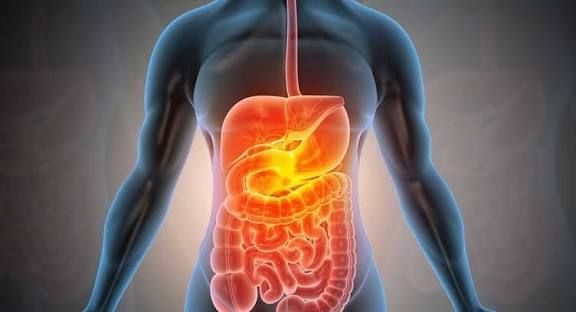
The human digestive system is a remarkably complex and efficient machinery, meticulously designed to break down food into absorbable nutrients and eliminate waste. This multi-stage process, involving a sophisticated interplay of organs, enzymes, and specialized transporters, is fundamental to life, providing the body with the energy and building blocks required for growth, repair, and metabolic functions.
Sites and Enzymes Involved in Digestion
Digestion is a sequential process beginning in the mouth and concluding in the small intestine, with each segment contributing specific enzymatic actions.
- The Mouth: Mechanical digestion (chewing) initiates the process, increasing surface area for chemical digestion. Salivary glands release salivary amylase (ptyalin), an enzyme that begins the breakdown of complex carbohydrates (starches) into smaller polysaccharides and disaccharides. Lingual lipase is also secreted, though its activity is minimal in the mouth’s neutral pH.
- The Stomach: Food, now termed bolus, travels down the esophagus to the stomach. The highly acidic environment (pH 1.5-3.5) due to hydrochloric acid (HCl) serves multiple purposes: denaturing proteins, killing most ingested microorganisms, and activating pepsinogen into its active form, pepsin. Pepsin, a protease, is responsible for initiating protein digestion, breaking them into smaller polypeptides. Gastric lipase also contributes to a minor extent in triglyceride digestion, particularly in infants.
- The Small Intestine: This is the primary site for both chemical digestion and nutrient absorption. The chyme (partially digested food from the stomach) enters the duodenum, where it encounters secretions from the pancreas and gallbladder.
- Pancreatic Enzymes: The pancreas releases a potent cocktail of enzymes into the duodenum:
- Pancreatic amylase: Continues starch digestion, breaking it down into disaccharides (maltose) and trisaccharides.
- Proteases: Trypsinogen and chymotrypsinogen are inactive precursors activated by enteropeptidase (secreted by the small intestine) into trypsin and chymotrypsin, respectively. These, along with carboxypeptidases, further break down polypeptides into smaller peptides and amino acids.
- Pancreatic lipase: The most crucial enzyme for fat digestion, breaking triglycerides into monoglycerides and free fatty acids. It requires the presence of bile salts for efficient action.
- Nucleases: Digest nucleic acids (DNA and RNA) into nucleotides.
- Bile: Produced by the liver and stored in the gallbladder, bile salts emulsify dietary fats. This physical process breaks large fat globules into smaller micelles, increasing the surface area for pancreatic lipase to act upon. Bile is not an enzyme but is essential for lipid digestion.
- Brush Border Enzymes: The epithelial cells lining the small intestine (enterocytes) possess microvilli, forming a “brush border” rich in enzymes that complete digestion:
- Disaccharidases: Lactase (lactose to glucose and galactose), sucrase (sucrose to glucose and fructose), and maltase (maltose to glucose) break down disaccharides into monosaccharides.
- Peptidases: Aminopeptidases and dipeptidases cleave small peptides into individual amino acids, dipeptides, or tripeptides.
- Intestinal lipase: Contributes to remaining fat digestion.
- Pancreatic Enzymes: The pancreas releases a potent cocktail of enzymes into the duodenum:
- The Large Intestine: While some water and electrolyte absorption occurs here, significant enzymatic digestion by human enzymes is minimal. However, resident bacteria ferment indigestible carbohydrates (fiber), producing short-chain fatty acids (SCFAs) and gases, contributing to overall gut health.
Classification and Functions of Glucose Transporters
Glucose, a polar molecule, cannot freely diffuse across the lipid bilayer of cell membranes. Its uptake and distribution rely on specialized membrane proteins known as glucose transporters. These are broadly classified into two main families: Sodium-Glucose Linked Transporters (SGLTs) and Glucose Transporters (GLUTs).
- Sodium-Glucose Linked Transporters (SGLTs):
- Classification: SGLTs are a family of secondary active transporters that utilize the electrochemical gradient of sodium ions to move glucose against its concentration gradient. They belong to the solute carrier family 5 (SLC5).
- Functions:
- SGLT1: Primarily found on the apical (luminal) membrane of intestinal enterocytes and renal tubules. In the small intestine, SGLT1 is responsible for the active absorption of glucose and galactose from the gut lumen into the enterocyte. In the kidney, it reabsorbs glucose from the primary filtrate back into circulation. It has a high affinity but low capacity for glucose.
- Mechanism: SGLT1 co-transports one glucose molecule with two sodium ions. The sodium gradient is maintained by the Na+/K+-ATPase pump on the basolateral membrane, which actively pumps Na+ out of the cell, creating a low intracellular Na+ concentration.
- Glucose Transporters (GLUTs):
- Classification: GLUTs are a family of facilitated diffusion transporters belonging to the solute carrier family 2 (SLC2). They move glucose down its concentration gradient, requiring no direct energy expenditure. There are at least 14 known isoforms, each with distinct tissue distribution and functional characteristics.
- Functions:
- GLUT1: Responsible for basal glucose uptake in most cell types, particularly important for tissues with a high and constant glucose demand, such as red blood cells and the brain. It has a high affinity for glucose.
- GLUT2: A high-capacity, low-affinity transporter found on the basolateral membrane of intestinal enterocytes (for glucose exit into the bloodstream), renal tubules, liver cells (hepatocytes), and pancreatic β-cells. In the liver, it facilitates both glucose uptake and release depending on blood glucose levels. In pancreatic β-cells, it plays a crucial role in glucose sensing for insulin secretion.
- GLUT3: A high-affinity transporter predominantly found in neurons, ensuring a constant supply of glucose to the brain, even at low blood glucose concentrations.
- GLUT4: The most important insulin-regulated glucose transporter, found primarily in insulin-sensitive tissues like skeletal muscle and adipose tissue. In response to insulin, GLUT4 translocates from intracellular vesicles to the plasma membrane, increasing glucose uptake significantly. This process is vital for maintaining glucose homeostasis.
- GLUT5: Primarily a fructose transporter, found in the small intestine, kidneys, and testis.
In summary, SGLTs actively absorb glucose against a gradient (e.g., from gut lumen), while GLUTs facilitate glucose movement down a gradient for cellular uptake or release, playing distinct yet complementary roles in glucose metabolism and homeostasis.
Factors Affecting Rate of Absorption
The efficiency of nutrient absorption in the gastrointestinal tract is influenced by a multitude of interconnected factors:
- Surface Area: The small intestine’s immense absorptive surface area is its most critical feature. The presence of circular folds (plicae circulares), villi (finger-like projections), and microvilli (brush border on enterocytes) collectively increase the surface area by an estimated 600-fold compared to a smooth tube. A larger surface area allows for more contact points between digested nutrients and absorptive cells, significantly enhancing absorption.
- Transit Time: The speed at which chyme moves through the GI tract directly impacts absorption. An optimal transit time allows sufficient opportunity for digestion and contact with the absorptive epithelium. If transit is too rapid (e.g., in diarrhea), nutrients may not be fully absorbed, leading to malabsorption. Conversely, excessively slow transit can lead to discomfort and altered microbial activity.
- Concentration Gradient: Many nutrients, particularly monosaccharides, amino acids, and some ions, are absorbed via facilitated diffusion or simple diffusion down their concentration gradients. A higher concentration of nutrients in the intestinal lumen relative to the enterocyte cytoplasm drives more rapid absorption. Subsequent removal of absorbed nutrients by blood flow maintains this gradient.
- Solubility and Molecular Size:
- Lipid-soluble substances: Vitamins A, D, E, K, cholesterol, and fatty acids can readily diffuse through the lipid bilayer of enterocytes, particularly when emulsified into micelles.
- Water-soluble substances: Glucose, amino acids, most vitamins, and minerals require specific transporters or channels to cross the membrane. Larger molecules generally require more complex transport mechanisms or more extensive digestion.
- Presence and Activity of Specific Transporters: The availability, density, and functional state of specific membrane transporters (e.g., SGLTs, GLUTs, amino acid transporters, peptide transporters) are paramount. Genetic variations, disease states, or nutritional deficiencies can impair transporter function, leading to malabsorption.
- Blood Flow: A robust blood supply to the intestinal villi is crucial for maintaining absorption. Once absorbed into enterocytes, nutrients (except most fats, which enter lacteals) are rapidly transported into the capillaries within the villi. High blood flow quickly carries these nutrients away, maintaining a low concentration in the interstitial fluid and preserving the concentration gradient for further absorption from the lumen.
- pH Environment: The optimal pH for various digestive enzymes and the solubility of certain nutrients (e.g., iron absorption is enhanced by acidic pH) influences overall digestive efficiency and therefore absorption. For instance, stomach acid plays a role in releasing Vitamin B12 from food proteins, making it available for subsequent absorption.
- Nutrient Interactions: The absorption of one nutrient can be affected by the presence or absence of others. For example, fructose can inhibit glucose absorption if present in high concentrations, while Vitamin C enhances non-heme iron absorption. Competition for shared transporters can also occur.
- Hormonal and Nervous Regulation: Hormones like gastrin, secretin, cholecystokinin (CCK), and GLP-1 (Glucagon-like peptide-1) influence digestion (e.g., enzyme release, gastric emptying) and indirectly impact absorption. The enteric nervous system also modulates gut motility and blood flow.
- Integrity of the Mucosal Barrier: A healthy intestinal epithelium is essential. Conditions that damage the integrity of the brush border or enterocytes (e.g., Celiac disease, Crohn’s disease, infections, nutrient deficiencies) reduce the absorptive surface and impair transporter function, leading to malabsorption.
Lactose Intolerance
Lactose intolerance is a common digestive disorder characterized by the inability to fully digest lactose, a disaccharide sugar found in milk and dairy products.
- Cause: The root cause is a deficiency of the enzyme lactase (beta-galactosidase), which is normally produced by the enterocytes lining the small intestine. Lactase’s function is to hydrolyze lactose into its constituent monosaccharides, glucose and galactose, which can then be absorbed. When lactase levels are insufficient, undigested lactose remains in the intestinal lumen.
- Types of Lactase Deficiency:
- Primary (Adult-type hypolactasia): This is the most common type, affecting a significant portion of the global adult population (ranging from ~5% in Northern Europe to ~90% in some Asian and African populations). It is genetically predetermined, where lactase production naturally declines after infancy, often becoming noticeable in adolescence or adulthood. This is considered the normal mammalian genetic pattern, as milk consumption typically ceases after weaning.
- Secondary Lactase Deficiency: This type results from injury to the small intestinal lining, where lactase-producing cells are located. Causes include gastroenteritis (e.g., rotavirus), Celiac disease, Crohn’s disease, chemotherapy, or intestinal surgery. This form is often temporary and reversible once the underlying condition is treated and the intestinal lining heals.
- Congenital Lactase Deficiency (Alactasia): A rare, autosomal recessive genetic disorder where an infant is born with little to no lactase activity. Symptoms appear almost immediately after the first milk feeding and can be severe if not managed promptly.
- Mechanism of Symptoms: When undigested lactose reaches the large intestine, two primary mechanisms lead to symptoms:
- Osmotic Effect: Lactose is an osmotically active molecule, meaning it draws water into the large intestine. This increased water content contributes to diarrhea.
- Bacterial Fermentation: Resident bacteria in the colon ferment the undigested lactose. This fermentation process produces various byproducts:
- Short-chain fatty acids (SCFAs): Such as acetate, propionate, and butyrate, which can contribute to gas and potentially influence gut motility.
- Gases: Primarily hydrogen, methane, and carbon dioxide. The accumulation of these gases leads to common symptoms like bloating, abdominal cramps, and flatulence.
- Symptoms: The severity of symptoms varies greatly depending on the degree of lactase deficiency and the amount of lactose consumed. Common symptoms include:
- Abdominal pain and cramping
- Bloating
- Flatulence
- Diarrhea
- Nausea, sometimes vomiting
- Diagnosis:
- Hydrogen Breath Test: The most common diagnostic test. After consuming a lactose-containing drink, the patient’s breath is analyzed for elevated hydrogen levels, which indicate bacterial fermentation of undigested lactose in the colon.
- Lactose Tolerance Test: Blood glucose levels are measured after lactose ingestion. In individuals with lactase deficiency, blood glucose will not rise significantly because lactose is not broken down into glucose and galactose for absorption.
- Intestinal Biopsy: Rarely performed, but can directly measure lactase enzyme activity in a tissue sample from the small intestine.
- Lactose Elimination Diet: A temporary dietary intervention to see if symptoms improve upon removing lactose-containing foods.
- Management:
- Dietary Avoidance/Reduction: The primary management strategy involves reducing or eliminating lactose-containing foods from the diet. Many individuals can tolerate small amounts of lactose.
- Lactase Enzyme Supplements: Over-the-counter lactase enzyme preparations can be taken before consuming dairy products to aid in lactose digestion.
- Lactose-Free Products: A wide range of lactose-free milk, cheese, and yogurt products are available.
- Probiotics: Some individuals find relief with probiotic supplements, as certain beneficial bacteria can help metabolize lactose.
In conclusion, the processes of digestion and absorption are marvels of biological engineering, meticulously orchestrated to extract vital nutrients from our food. From the sequential action of enzymes at various sites to the precise operation of glucose transporters and the numerous factors influencing nutrient uptake, understanding these mechanisms is crucial for appreciating human physiology. Conditions like lactose intolerance highlight the delicate balance required for efficient digestion and underscore the impact of specific enzyme deficiencies on overall health and quality of life.
References:
- Boron, W. F., & Boulpaep, E. L. (2017). Medical Physiology (3rd ed.). Elsevier.
- Guyton, A. C., & Hall, J. E. (2020). Textbook of Medical Physiology (14th ed.). Elsevier.
- Holt, P. R. (2007). Disorders of intestinal absorption. In Cecil Medicine (23rd ed.). Saunders Elsevier.
- Johnson, R. L., & Salisbury, J. L. (2016). Lange Text of Human Physiology (2nd ed.). McGraw-Hill Education.
- Marks, D. B., Marks, A. D., & Smith, C. M. (2012). Basic Medical Biochemistry: A Clinical Approach (4th ed.). Lippincott Williams & Wilkins.
- Ringov, C. (2000). The SGLT1 glucose transporter: A novel target for the treatment of metabolic disorders. Molecular Medicine Today, 6(9), 350-356.
- Sable, P. S., & Gupta, A. (2020). Lactose intolerance: Pathophysiology, Diagnosis, and Management. Indian Journal of Pediatrics, 87(11), 939-946.
- Scheepers, A., Joost, H. G., & Schürmann, A. (2004). The glucose transporter families GLUT and SGLT. The FEBS Journal, 271(1), 1-13.