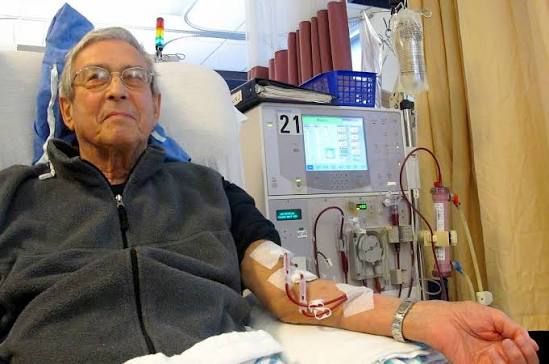
Kidney failure, whether acute or chronic, leads to a perilous accumulation of waste products and excess fluid in the body, a condition that rapidly becomes life-threatening. When the kidneys can no longer adequately perform their vital functions of filtering blood, regulating electrolytes, and maintaining fluid balance, renal replacement therapy becomes essential. Dialysis is a critical medical procedure that artificially performs these functions, sustaining life for millions worldwide.
Defining Dialysis and the Mechanism of Function of an Artificial Kidney
Dialysis is a medical procedure that removes waste products, such as urea, creatinine, and excess salts, and extra fluid from the blood when the kidneys are no longer able to do so effectively. It serves to restore electrolyte balance and maintain a stable internal environment, preventing the severe health consequences of kidney failure. The primary goal of dialysis is to mimic the natural filtration process of healthy kidneys.
The most common form of dialysis is hemodialysis, which utilizes an artificial kidney, also known as a hemodialyzer. The mechanism of function of an artificial kidney is based on the principles of diffusion, osmosis, and ultrafiltration across a semi-permeable membrane.
- Blood Access: Before hemodialysis can begin, a vascular access point is created, typically a surgically constructed arteriovenous (AV) fistula or graft in the arm, or a central venous catheter. This access allows a significant volume of blood to be continuously withdrawn from the patient’s body and returned after purification.
- Blood Flow through the Dialyzer: The patient’s blood is pumped from the vascular access through a sterile tubing system into the dialyzer. Inside the dialyzer, the blood flows through numerous tiny, hollow fibers made of a semi-permeable membrane. The blood flows on one side of this membrane.
- Dialysate Flow: Simultaneously, a specially formulated fluid called dialysate flows in the opposite direction (counter-current) on the other side of the semi-permeable membrane, surrounding the hollow fibers. This counter-current flow maximizes the concentration gradients, enhancing the efficiency of waste removal.
- Principles of Filtration:
- Diffusion: This is the primary mechanism for removing waste products like urea, creatinine, potassium, and phosphorus. Solutes move from an area of higher concentration (the patient’s blood) to an area of lower concentration (the dialysate) across the semi-permeable membrane. The dialysate is formulated to either contain no or very low concentrations of these waste products, thereby creating a steep concentration gradient that drives their removal from the blood.
- Osmosis: While diffusion handles solutes, osmosis is crucial for water movement. Water moves from an area of higher water concentration (lower solute concentration) to an area of lower water concentration (higher solute concentration) across the membrane. Although less direct for solute removal, it plays a role in fluid shifts.
- Ultrafiltration: This process is responsible for removing excess fluid (water) from the blood. A pressure gradient, known as transmembrane pressure (TMP), is created across the dialyzer membrane. This involves applying negative pressure (suction) to the dialysate compartment and/or positive pressure to the blood compartment. This pressure difference forces water and some dissolved solutes (solvent drag) from the blood compartment through the semi-permeable membrane into the dialysate, effectively removing excess fluid that the kidneys can no longer excrete. The amount of fluid removed is carefully controlled based on the patient’s target dry weight.
- Clean Blood Return: After passing through the dialyzer and being processed, the purified blood is returned to the patient’s body through the venous limb of the vascular access. This cycle continues for several hours, typically three to four times a week, until the desired level of waste removal and fluid balance is achieved.
Dialysate and Uraemia
1. Dialysate is a sterile, specially formulated solution used in dialysis to draw waste products and excess fluid from the blood. Its composition is meticulously controlled to mimic normal plasma, minus the waste products. Key components typically include:
- Purified Water: The base of dialysate, highly purified to prevent the introduction of harmful contaminants into the patient’s bloodstream.
- Electrolytes: Precise concentrations of sodium, potassium, calcium, magnesium, and chloride are included. The concentrations are adjusted to correct electrolyte imbalances in the patient’s blood; for example, potassium is often kept low to remove excess potassium, which can be life-threatening.
- Buffer: Usually bicarbonate (or acetate, which is metabolized to bicarbonate), is added to help correct the metabolic acidosis that commonly occurs in kidney failure.
- Glucose (Dextrose): Included to prevent excessive removal of glucose from the patient’s blood and to contribute to the osmotic gradient in peritoneal dialysis.
The specific composition of dialysate can be customized for individual patient needs, ensuring optimal electrolyte and acid-base balance during treatment.
2. Uraemia (Uremia) refers to the clinical syndrome encompassing the signs and symptoms of kidney failure, arising from the accumulation of nitrogenous waste products (like urea, creatinine) and other toxins in the blood that are normally cleared by healthy kidneys. It is the end-stage manifestation of kidney dysfunction. The symptoms of uraemia can be diverse and debilitating, affecting multiple organ systems. These include:
- Gastrointestinal: Nausea, vomiting, loss of appetite, metallic taste in the mouth.
- Neurological: Fatigue, weakness, confusion, impaired concentration, muscle twitching, restless legs syndrome, peripheral neuropathy, and in severe cases, seizures and coma (uremic encephalopathy).
- Cardiovascular: Fluid overload leading to hypertension, pulmonary edema, pericarditis, and accelerated atherosclerosis.
- Hematological: Anemia (due to reduced erythropoietin production and shortened red blood cell lifespan) and platelet dysfunction.
- Dermatological: Pruritus (itching), skin discoloration.
- Metabolic: Metabolic acidosis, hyperkalemia, hyperphosphatemia, and impaired calcium and vitamin D metabolism leading to renal bone disease.
Uraemia is a life-threatening condition that necessitates renal replacement therapy, such as dialysis or kidney transplantation, to remove the accumulated toxins and alleviate symptoms.
Peritoneal Dialysis Technique
Peritoneal Dialysis (PD) is another form of dialysis that utilizes the patient’s own peritoneal membrane, lining the abdominal cavity, as the semi-permeable filter. Unlike hemodialysis, which filters blood externally, PD is typically performed at home, offering greater flexibility and independence.
The technique involves the following steps:
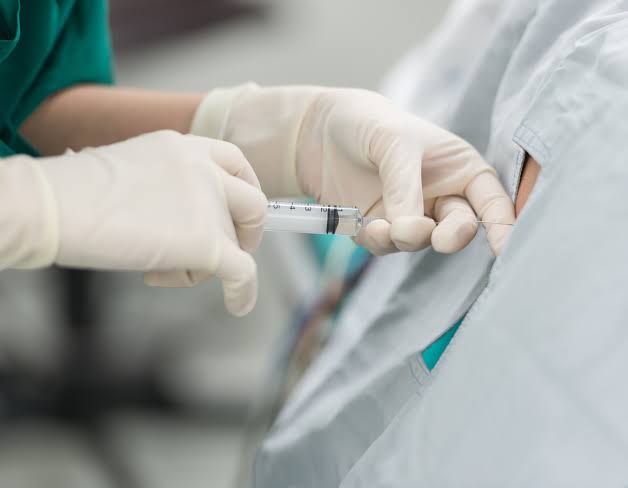
- Catheter Placement: A soft, flexible tube called a Tenckhoff catheter is surgically placed, usually into the lower abdomen, with one end extending into the peritoneal cavity and the other end exiting the body for connection to the dialysis fluid bags. This catheter remains in place permanently.
- Fill Phase: A sterile dialysate solution, similar in composition to that used in hemodialysis but often containing a higher concentration of glucose (dextrose) to create an osmotic gradient, is infused through the catheter into the peritoneal cavity. This process typically takes 10-20 minutes.
- Dwell Phase: Once the dialysate is in the peritoneal cavity, it remains there for a prescribed period, known as the “dwell time.” This period can range from 4 to 8 hours, or even overnight. During the dwell time, the peritoneal membrane acts as the semi-permeable filter. The rich network of capillaries within the peritoneal membrane facilitates the exchange of substances:
- Diffusion: Waste products (urea, creatinine, potassium, phosphorus) and excess electrolytes move from the patient’s blood in the peritoneal capillaries across the peritoneal membrane into the dialysate solution, driven by concentration gradients.
- Ultrafiltration (Osmosis): The high concentration of glucose in the dialysate creates an osmotic gradient, drawing excess water and some additional solutes from the blood into the dialysate. The higher the glucose concentration, the more fluid is removed.
- Drain Phase: After the dwell time, the used dialysate, now laden with waste products and excess fluid, is drained from the peritoneal cavity back into a sterile collection bag. This “effluent” is then discarded. The drain phase typically takes 20-30 minutes.
- Exchange: The fill, dwell, and drain phases together constitute one “exchange.” Patients perform multiple exchanges per day.
There are two main types of peritoneal dialysis:
- Continuous Ambulatory Peritoneal Dialysis (CAPD): The patient manually performs 3-5 exchanges per day, typically during waking hours, with each dwell lasting several hours.
- Automated Peritoneal Dialysis (APD): A machine called a cycler performs multiple exchanges automatically overnight while the patient sleeps. This allows the patient to be free of exchanges during the day, offering greater convenience.
PD allows for continuous, gentle filtration, which can be less physically demanding than hemodialysis for some patients.
Complications of Dialysis
While dialysis is a life-sustaining therapy, it is not without potential complications. These can range from minor discomforts to severe, life-threatening events.
General Complications (Applicable to both Hemodialysis and Peritoneal Dialysis):
- Infection: A significant risk. For hemodialysis, infections can occur at the vascular access site (fistula, graft, or catheter) or lead to systemic bloodstream infections (sepsis). For peritoneal dialysis, peritonitis (infection of the peritoneal lining) is the most serious and common complication, usually caused by bacteria entering through the catheter site or during exchanges.
- Fluid and Electrolyte Imbalances: Despite the goal of balancing these, rapid shifts can occur. Hypotension (low blood pressure) is common in hemodialysis due to aggressive fluid removal. Hypertension (high blood pressure) can also occur if fluid removal is inadequate. Electrolyte disturbances (e.g., hyperkalemia, hypokalemia, hypocalcemia) remain a risk if dialysate prescription or patient adherence is not optimal.
- Anemia: Kidney failure affects the production of erythropoietin, a hormone that stimulates red blood cell production, leading to anemia. Dialysis itself can also contribute through blood loss in the extracorporeal circuit (HD) or frequent blood draws.
- Malnutrition: Patients on dialysis often experience appetite loss, inflammation, and loss of nutrients during dialysis, contributing to protein-energy wasting.
- Bone and Mineral Disorder (Renal Osteodystrophy): Long-term kidney failure and dialysis disrupt the balance of calcium, phosphorus, parathyroid hormone, and vitamin D, leading to weakened bones, bone pain, and vascular calcification.
- Cardiovascular Disease: This is the leading cause of death in dialysis patients. Dialysis patients have an accelerated risk of heart failure, arrhythmias, and atherosclerotic disease, often exacerbated by fluid overload, hypertension, inflammation, and mineral abnormalities.
- Psychological Impact: Living with chronic kidney disease and the demanding dialysis regimen can lead to depression, anxiety, body image issues, and reduced quality of life.
(a) Complications Specific to Hemodialysis:
- Vascular Access Complications: Problems with the AV fistula, graft, or central catheter are frequent. These include:
- Thrombosis/Clotting: Blockage of the access, requiring intervention.
- Stenosis: Narrowing of the blood vessel, impairing flow.
- Infection: As mentioned above.
- Aneurysm/Pseudoaneurysm: Weakening or ballooning of the vessel wall.
- Steal Syndrome: Reduced blood flow to the hand due to the fistula “stealing” blood, leading to pain, numbness, or coldness.
- Hypotension: Frequent and often symptomatic drop in blood pressure during or immediately after treatment, often due to aggressive fluid removal.
- Muscle Cramps: Painful muscle spasms, particularly in the legs, often related to fluid and electrolyte shifts.
- Dialysis Disequilibrium Syndrome: A rare but serious neurological complication, usually occurring during the first few dialysis sessions, due to rapid removal of solutes from the blood faster than from the brain, causing cerebral edema. Symptoms include headache, nausea, confusion, and seizures.
(b) Complications Specific to Peritoneal Dialysis:
- Peritonitis: The most common and serious complication, an infection of the peritoneal membrane. Symptoms include abdominal pain, cloudy dialysate, and fever. It requires prompt antibiotic treatment and can lead to catheter removal or permanent damage to the peritoneal membrane.
- Exit-Site and Tunnel Infections: Infection around where the catheter exits the skin or in the tunnel under the skin.
- Catheter Malfunction: The catheter can become blocked by fibrin, omentum, or simply migrate, leading to poor inflow or outflow of dialysate.
- Fluid Leaks: Dialysate can leak around the catheter exit site or into other body cavities, such as forming a hydrothorax (fluid in the chest cavity) or contributing to hernias.
- Weight Gain/Obesity: Due to the absorption of glucose from the dialysate, patients can consume significant calories, leading to weight gain and potentially impacting glycemic control in diabetic patients.
- Encapsulating Peritoneal Sclerosis (EPS): A rare but severe long-term complication where the peritoneal membrane thickens and scars, leading to bowel obstruction. Its risk increases with the duration of PD.
Conclusion
Dialysis represents a cornerstone of modern medicine, offering a lifeline to individuals suffering from end-stage renal disease. Both hemodialysis and peritoneal dialysis are sophisticated medical procedures designed to replicate the essential functions of healthy kidneys, albeit with different methodologies and implications for patient lifestyle. Understanding the mechanisms of the artificial kidney, the composition and role of dialysate, the severe consequences of uraemia, and the critical steps involved in peritoneal dialysis, along with the spectrum of potential complications, is crucial for patients, caregivers, and healthcare professionals alike. Ongoing advancements continue to improve the efficacy, safety, and quality of life for those reliant on this vital therapy.
References:
- National Institute of Diabetes and Digestive and Kidney Diseases (NIDDK). (2023). Dialysis – NIDDK. Retrieved from https://www.niddk.nih.gov/health-information/kidney-disease/kidney-failure/dialysis
- UpToDate. (2023). Overview of hemodialysis. Retrieved from https://www.uptodate.com/contents/overview-of-hemodialysis (Subscription required for full access, but topic outlines are visible)
- Peritoneal Dialysis International. (2022). ISPD Peritoneal Dialysis Guidelines. Retrieved from https://www.pdiconnect.com/pd-guidelines/
- American Society of Nephrology (ASN). (2023). Kidney Disease Basics. Retrieved from https://www.asn-online.org/education/kidney_365/disease/
- Lewis, S. L., Bucher, L., Heitkemper, M. M., Harding, M., Kwong, J., & Roberts, D. (2019). Medical-Surgical Nursing: Assessment and Management of Clinical Problems. (11th ed.). Mosby. (General reference for medical-surgical nursing content on renal failure and dialysis).