
Female sex hormones, primarily estrogens and progestins, are lipophilic steroid molecules that orchestrate the intricate processes of female sexual development, reproduction, and overall physiological homeostasis. Their profound influence extends beyond the reproductive system to impact bone density, cardiovascular health, cognitive function, and mood. Understanding their synthesis, diverse roles, and precise mechanisms of action is fundamental to comprehending female biology and addressing various health conditions.
The Synthesis of Female Sex Hormones (Steroidogenesis)
All steroid hormones, including female sex hormones, originate from cholesterol, a ubiquitous precursor. The synthesis pathway, termed steroidogenesis, is a multi-step enzymatic process occurring primarily in the ovaries, but also to a lesser extent in the adrenal glands and peripheral tissues.
Step-by-Step Ovarian Steroidogenesis:
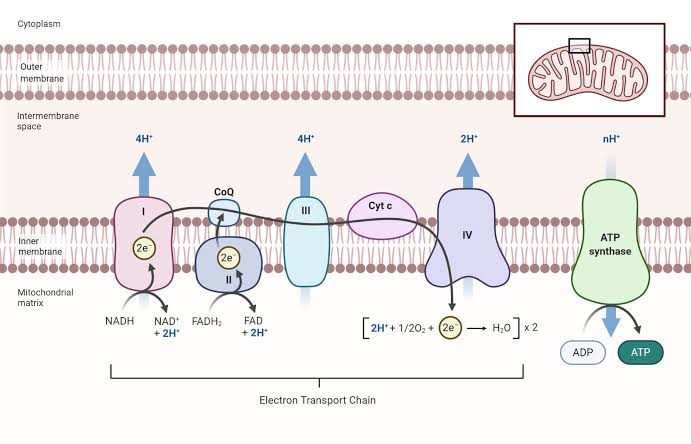
- Cholesterol to Pregnenolone: The initial and rate-limiting step involves the conversion of cholesterol to pregnenolone. This reaction occurs within the mitochondria and is catalyzed by cholesterol desmolase (also known as P450scc or CYP11A1). This enzyme removes the cholesterol side chain, forming the 21-carbon steroid pregnenolone.
- Pregnenolone to Progesterone: Pregnenolone is then converted to progesterone in the endoplasmic reticulum by the enzyme 3β-hydroxysteroid dehydrogenase (3β-HSD) and Δ5-Δ4 isomerase. Progesterone is a key intermediate and also a primary female sex hormone.
- Androgen Synthesis (Theca Cell Pathway for Estrogen Precursors): To synthesize estrogens, progesterone undergoes further modifications to become androgens, which are then aromatized. This process primarily occurs in a two-cell, two-gonadotropin model within the ovarian follicles:
- Theca Cells (LH-dependent): Under the stimulation of Luteinizing Hormone (LH), theca cells, located in the outer layer of the ovarian follicle, take up cholesterol, synthesize pregnenolone and progesterone as described above. They then possess the enzymes necessary to convert these intermediates into androgens:
- Progesterone is converted to 17α-hydroxyprogesterone by 17α-hydroxylase (CYP17A1).
- 17α-hydroxyprogesterone is further converted to androstenedione by the 17,20-lyase activity of the same CYP17A1 enzyme. Androstenedione is a weak androgen.
- Some androstenedione can be converted to testosterone within the theca cells by 17β-hydroxysteroid dehydrogenase (17β-HSD).
- These androgens (androstenedione and testosterone) are lipid-soluble and diffuse out of the theca cells into the adjacent granulosa cells.
- Theca Cells (LH-dependent): Under the stimulation of Luteinizing Hormone (LH), theca cells, located in the outer layer of the ovarian follicle, take up cholesterol, synthesize pregnenolone and progesterone as described above. They then possess the enzymes necessary to convert these intermediates into androgens:
- Estrogen Synthesis (Granulosa Cell Pathway for Aromatization):
- Granulosa Cells (FSH-dependent): Under the stimulation of Follicle-Stimulating Hormone (FSH), granulosa cells, which surround the oocyte, express high levels of the enzyme aromatase (also known as P450arom or CYP19A1).
- Aromatase catalyzes the conversion of the androgens received from the theca cells into estrogens:
- Androstenedione is converted to estrone (E1).
- Testosterone is converted to estradiol (E2).
- Estrone can also be converted to the more potent estradiol by 17β-HSD, and vice-versa. Estradiol (E2) is the most potent and predominant estrogen during the reproductive years.
- Corpus Luteum Synthesis: After ovulation, the ruptured follicle transforms into the corpus luteum under the influence of LH. The corpus luteum becomes the primary site of progesterone synthesis, essential for preparing and maintaining the uterus for potential pregnancy. It also produces significant amounts of estradiol.
Extragonadal Synthesis: While the ovaries are the primary source of female sex hormones in reproductive-aged women, the adrenal glands produce androgen precursors (e.g., dehydroepiandrosterone, DHEA and androstenedione) that can be converted to estrogens in peripheral tissues (e.g., adipose tissue, skin, liver). This becomes particularly significant after menopause when ovarian estrogen production ceases, making peripheral aromatization of adrenal androgens the main source of circulating estrone. During pregnancy, the placenta becomes a major endocrine organ, synthesizing large quantities of progesterone and estriol (E3), a weaker estrogen.
Key Female Sex Hormones
The primary female sex hormones are:
- Estrogens: A group of steroid hormones responsible for the development and regulation of the female reproductive system and secondary sex characteristics.
- Estradiol (E2): The most potent and quantitatively dominant estrogen during a woman’s reproductive years, primarily produced by ovarian follicles.
- Estrone (E1): A weaker estrogen, primarily produced from the peripheral conversion of adrenal androgens, becoming the predominant estrogen after menopause.
- Estriol (E3): The weakest of the three major estrogens, produced in significant amounts during pregnancy by the placenta.
- Progestins: A class of hormones that prepare the uterus for pregnancy and maintain it.
- Progesterone: The most important progestin, primarily produced by the corpus luteum after ovulation and by the placenta during pregnancy.
Role and Physiological Functions
Female sex hormones exert a wide range of physiological effects across various organ systems.
Roles of Estrogens:
- Reproductive System Development:
- Puberty: Drive the development of primary (uterus, fallopian tubes, vagina) and secondary female sexual characteristics (breast development, female fat distribution, widening of the pelvis, growth spurt, onset of menstruation).
- Menstrual Cycle: During the follicular phase, estrogens stimulate the proliferation of the endometrial lining, preparing it for possible implantation. High estrogen levels also trigger the LH surge necessary for ovulation.
- Pregnancy: Promote uterine growth, increase uterine blood flow, and prepare mammary glands for lactation.
- Bone Health: Estrogens play a critical role in maintaining bone mineral density by inhibiting osteoclast (bone-resorbing cells) activity and promoting osteoblast (bone-forming cells) function. Estrogen deficiency, particularly after menopause, leads to increased bone resorption and a higher risk of osteoporosis.
- Cardiovascular System: Estrogens have complex effects on the cardiovascular system. They can positively influence lipid profiles (decreasing LDL cholesterol and increasing HDL cholesterol), maintain endothelial function, and improve arterial elasticity. However, their role in preventing cardiovascular disease is multifaceted and dependent on timing and context, especially in older women.
- Central Nervous System (CNS): Influence mood, cognitive function, memory, and neuroprotection. Estrogen receptors are widely distributed throughout the brain. They also play a role in thermoregulation, contributing to hot flashes during estrogen withdrawal.
- Skin and Hair: Contribute to skin hydration, elasticity, and collagen production, and influence hair growth patterns.
Roles of Progesterone:
- Menstrual Cycle:
- Luteal Phase: Progesterone is the dominant hormone during the luteal phase. It transforms the estrogen-primed proliferative endometrium into a secretory endometrium, making it receptive for embryo implantation. It also increases endometrial vascularity and glandular secretions.
- Negative Feedback: Progesterone inhibits the release of GnRH, FSH, and LH, thus preventing new follicular development and ovulation during the luteal phase.
- Pregnancy:
- Maintenance of Pregnancy: Often called the “hormone of pregnancy,” progesterone maintains uterine quiescence by suppressing uterine contractions, preventing premature labor.
- Cervical Changes: Promotes the formation of a thick cervical mucous plug, guarding against ascending infection.
- Mammary Gland Development: Along with estrogens, progesterone promotes the development of lobulo-alveolar structures in the mammary glands, preparing them for milk production.
- Thermoregulation: Progesterone increases basal body temperature by approximately 0.5-1.0°C after ovulation, a physiological change often used as an indicator of ovulation.
- CNS: Progesterone has sedative and anxiolytic effects, influencing sleep and mood.
Mechanism of Action
Female sex hormones, being lipophilic steroid molecules, primarily exert their effects through genomic and, to a lesser extent, non-genomic pathways.
Genomic Mechanism (Classical Pathway):
The classical mechanism involves binding to intracellular steroid hormone receptors, leading to changes in gene expression. This process unfolds in several steps:
- Diffusion and Receptor Binding: Due to their lipid-soluble nature, estrogens and progesterone readily diffuse across the cell membrane and bind to highly specific, high-affinity intracellular receptor proteins located in the cytoplasm or nucleus of target cells. These are known as Estrogen Receptors (ERs) and Progesterone Receptors (PRs), respectively.
- Receptor Activation and Conformational Change: Upon ligand (hormone) binding, the receptor undergoes a conformational change. This often causes the dissociation of heat shock proteins (HSPs) that normally keep the receptor in an inactive state, unmasking the DNA-binding domain.
- Translocation to the Nucleus (if cytoplasmic): If the receptor is initially in the cytoplasm, the activated hormone-receptor complex translocates into the nucleus. Nuclear receptors are already located within the nucleus.
- Dimerization and DNA Binding: Activated receptors typically dimerize (form pairs, either homodimers or heterodimers). These receptor dimers then bind to specific sequences of DNA known as Hormone Response Elements (HREs) located in the promoter regions of target genes. For estrogens, these are Estrogen Response Elements (EREs); for progesterone, they are Progesterone Response Elements (PREs).
- Recruitment of Co-regulators and Gene Transcription Modulation: The hormone-receptor-DNA complex then recruits other proteins, known as co-activators or co-repressors.
- Co-activators: Enhance gene transcription by modifying chromatin structure and interacting with the basal transcriptional machinery, leading to increased synthesis of specific messenger RNA (mRNA) and subsequently new proteins.
- Co-repressors: Inhibit gene transcription, leading to decreased protein synthesis. The newly synthesized proteins mediate the specific physiological responses attributed to the hormone.
Specifics for Estrogen Receptors (ERs): There are two main isoforms of estrogen receptors, ERα and ERβ, encoded by different genes. They have distinct tissue distributions, ligand affinities, and can form homo- or heterodimers (ERα/ERα, ERβ/ERβ, or ERα/ERβ). The specific physiological outcome often depends on the relative expression and activation of these receptor subtypes in a given tissue.
Specifics for Progesterone Receptors (PRs): Progesterone receptors also exist in two main isoforms, PR-A and PR-B. Both are expressed from the same gene but PR-A is a truncated version of PR-B. PR-B is generally considered the full-length, transcriptionally active receptor, while PR-A often acts as a transcriptional repressor of PR-B, modulating the overall progesterone response.
Non-genomic/Rapid Actions: In addition to the classic genomic pathway, female sex hormones can also mediate rapid, non-genomic effects within seconds to minutes, independent of gene transcription. These actions involve membrane-bound receptors (mERs or mPRs) or intracellular receptors coupled to various signaling pathways (e.g., G protein-coupled receptors, tyrosine kinase receptors). These rapid actions can modulate ion channels, activate second messenger systems (like cAMP or calcium), and influence kinase cascades, thereby altering cell function directly. While less studied than the genomic pathway, these rapid effects are increasingly recognized as important contributors to hormone signaling.
Regulation of Female Sex Hormone Production
The synthesis and release of female sex hormones are tightly regulated by the Hypothalamic-Pituitary-Gonadal (HPG) axis:
- Hypothalamus: Releases Gonadotropin-Releasing Hormone (GnRH) in a pulsatile manner.
- Anterior Pituitary: GnRH stimulates the anterior pituitary to release Follicle-Stimulating Hormone (FSH) and Luteinizing Hormone (LH).
- Ovaries: FSH stimulates follicular growth and estrogen synthesis by granulosa cells. LH primarily stimulates androgen synthesis by theca cells and triggers ovulation, also converting the ruptured follicle into the corpus luteum for progesterone production.
- Feedback Loops:
- Negative Feedback: High levels of estrogens and progesterone exert negative feedback on the hypothalamus and pituitary, inhibiting the release of GnRH, FSH, and LH, thus regulating their own production.
- Positive Feedback: During the late follicular phase, rising estrogen levels reach a threshold that, for a brief period, switches to positive feedback on the pituitary, leading to the LH surge that precipitates ovulation.
Conclusion
Female sex hormones, estrogens and progestins, are indispensable for the intricate choreography of female physiology. Their synthesis, beginning from cholesterol, involves a complex enzymatic cascade primarily within the ovarian follicle, meticulously regulated by the HPG axis. These hormones orchestrate not only the cyclic events of menstruation and the profound transformations of pregnancy but also play vital roles in maintaining bone integrity, cardiovascular health, and neurocognitive function. Their mechanism of action, predominantly via genomic regulation of gene expression through intracellular receptors, dictates the precise and diverse cellular responses that define female health throughout the lifespan. A comprehensive understanding of these hormones is crucial for diagnostics, therapeutic interventions, and promoting holistic well-being in women.
References:
- Speroff, L., Fritz, M. A. (2019). Clinical Gynecologic Endocrinology and Infertility (9th ed.). Wolters Kluwer. (This is a foundational textbook for reproductive endocrinology, covering synthesis, roles, and mechanisms in detail).
- Hall, J. E. (2020). Guyton and Hall Textbook of Medical Physiology (14th ed.). Elsevier. (Provides comprehensive coverage of human physiology, including detailed sections on reproductive endocrinology and steroid hormone mechanisms).
- Miller, W. L., & Auchus, R. J. (2019). The Molecular Biology, Biochemistry, and Physiology of Human Steroidogenesis. Endocrine Reviews, 40(2), 358–413. (A specialist review article for detailed biochemical pathways of steroid synthesis).
- Marino, M., Galluzzo, P., & Bartella, L. (2006). Non-genomic mechanisms of action of estrogen receptors. The Journal of Steroid Biochemistry and Molecular Biology, 102(1-5), 18-24. (Focuses specifically on the non-genomic actions of estrogen receptors).
- Graham, J. D., & Clarke, C. L. (2019). The Progesterone Receptor. In Hormone Action in Cancer (pp. 1-22). Springer, Cham. (Provides an in-depth look at progesterone receptors and their isoforms).