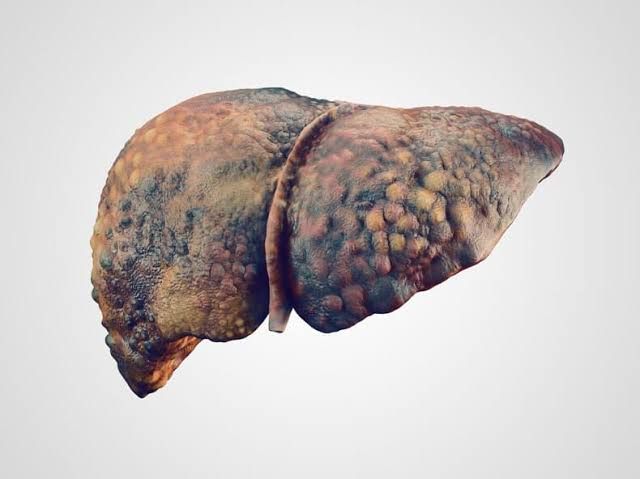
Chronic liver diseases represent a significant global health burden, with two of the most prevalent being Alcoholic Liver Disease (ALD) and Nonalcoholic Fatty Liver Disease (NAFLD). While both involve the accumulation of fat in the liver and can progress to severe conditions like cirrhosis and hepatocellular carcinoma, they stem from distinct etiologies and exhibit unique pathogenic pathways.
1. Alcoholic Liver Disease (ALD)
Alcoholic Liver Disease encompasses a spectrum of liver injuries caused by excessive and prolonged alcohol consumption, ranging from simple steatosis (fatty liver) to alcoholic hepatitis, fibrosis, and ultimately, cirrhosis, the most advanced stage.
1.1 Etiology
The primary etiological factor for ALD is chronic, heavy alcohol consumption. While there is no universally agreed-upon threshold, typically, a sustained intake of >20-30 g/day for women and >40-60 g/day for men over several years significantly increases the risk. However, individual susceptibility varies considerably due to a complex interplay of factors:
- Quantity and Duration: The cumulative dose of alcohol consumed over time is the most critical risk factor.
- Drinking Patterns: Binge drinking, even if total intake is moderate, can be particularly harmful.
- Gender: Women tend to be more susceptible to ALD at lower cumulative alcohol doses than men, possibly due to differences in gastric alcohol dehydrogenase activity and hormonal factors.
- Genetic Predisposition: Polymorphisms in genes encoding alcohol-metabolizing enzymes (e.g., ADH, ALDH) and inflammatory pathways may influence susceptibility.
- Nutritional Status: Malnutrition, common in heavy drinkers, can exacerbate liver damage.
- Co-existing Liver Diseases: Concomitant viral hepatitis (e.g., Hepatitis C), nonalcoholic fatty liver disease, or hemochromatosis can accelerate the progression of ALD.
- Obesity: Increases the risk and severity of ALD, particularly contributing to steatosis and inflammation.
1.2 Pathogenesis
The pathogenesis of ALD is multi-faceted, involving direct hepatotoxicity, inflammation, and fibrogenesis, driven by alcohol metabolism and its byproducts:
- Alcohol Metabolism and Toxic Metabolites: Ethanol is primarily metabolized in the liver by three main enzyme systems:
- Alcohol Dehydrogenase (ADH): Converts ethanol to acetaldehyde, producing NADH. Increased NADH/NAD+ ratio inhibits fatty acid oxidation and promotes lipogenesis, leading to steatosis.
- Microsomal Ethanol Oxidizing System (MEOS), primarily CYP2E1: Induced by chronic alcohol use, this pathway generates reactive oxygen species (ROS) and consumes NADPH, contributing to oxidative stress.
- Catalase: A minor pathway. Acetaldehyde is highly toxic, forming protein and DNA adducts that impair cellular function, damage mitochondria, and induce immune responses.
- Oxidative Stress: Chronic alcohol consumption leads to a significant increase in ROS (e.g., superoxide radicals, hydrogen peroxide) and reactive nitrogen species, while depleting antioxidant defenses (e.g., glutathione). This results in lipid peroxidation, protein damage, and DNA mutations, causing hepatocyte injury and necrosis.
- Inflammation and Immune Response:
- Gut Dysbiosis and Endotoxin Translocation: Alcohol alters the gut microbiome and increases intestinal permeability, allowing bacterial products like lipopolysaccharide (LPS) to enter the portal circulation.
- Kupffer Cell Activation: LPS activates Kupffer cells (resident liver macrophages) via Toll-like receptor 4 (TLR4), leading to the release of pro-inflammatory cytokines such as TNF-alpha, IL-6, and IL-8. These cytokines recruit neutrophils, which further exacerbate liver injury in alcoholic hepatitis.
- Adaptive Immune Response: Alcohol can also trigger adaptive immune responses against altered hepatocyte proteins.
- Hepatocyte Injury and Death: The combination of acetaldehyde toxicity, oxidative stress, and inflammation leads to hepatocyte ballooning degeneration, necrosis, and apoptosis. Mallory-Denk bodies, aggregates of damaged intermediate filaments, are a characteristic histological feature.
- Fibrosis and Cirrhosis: Chronic injury and inflammation activate hepatic stellate cells (HSCs), the primary collagen-producing cells in the liver. Activated HSCs transform into myofibroblast-like cells, depositing excessive extracellular matrix components, leading to fibrosis. Persistent fibrosis progresses to cirrhosis, characterized by widespread nodules and scar tissue, distorting liver architecture and impairing function.
1.3 Clinical Features
The clinical presentation of ALD varies depending on the stage of the disease:
- Alcoholic Steatosis (Fatty Liver): Often asymptomatic. May present with vague right upper quadrant discomfort, fatigue, and mild hepatomegaly. It is usually reversible with alcohol abstinence.
- Alcoholic Hepatitis: An acute inflammatory syndrome, often occurring after a recent bout of heavy drinking. Symptoms include:
- Jaundice: Yellowing of skin and eyes.
- Fever: Often low-grade.
- Malaise, Anorexia, Nausea, Vomiting: General unwellness and digestive upset.
- Tender Hepatomegaly: Enlarged and painful liver.
- Ascites: Fluid accumulation in the abdomen.
- Hepatic Encephalopathy: In severe cases, confusion, disorientation, lethargy, or coma due to impaired liver detoxification.
- Alcoholic Cirrhosis: Represents end-stage liver disease. Symptoms may include:
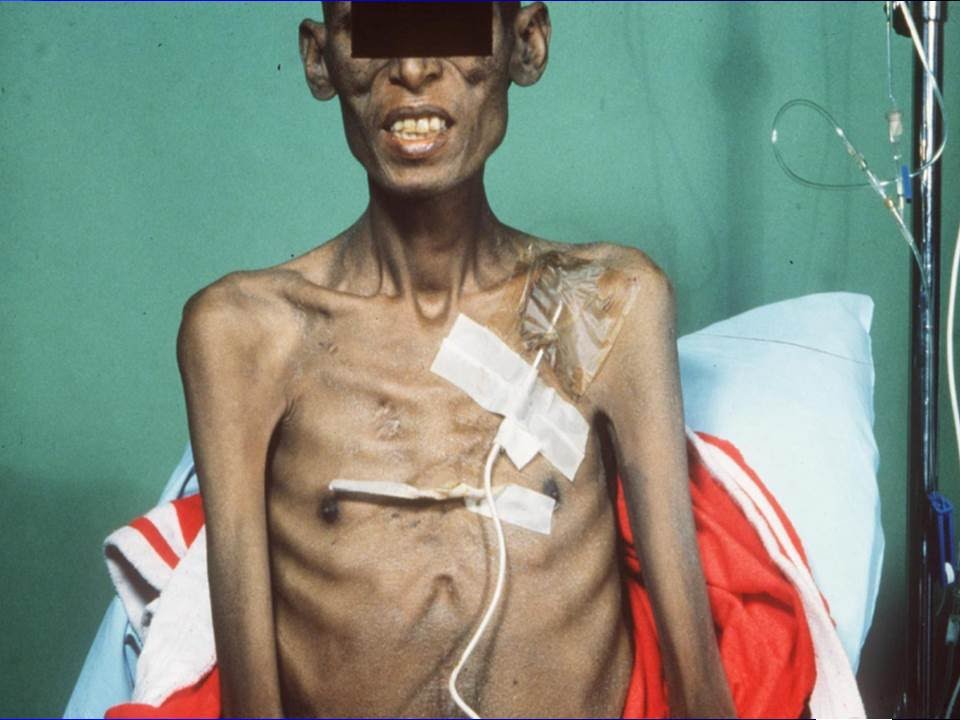
- General: Fatigue, weakness, weight loss, muscle wasting.
- Skin: Jaundice, spider angiomata (spider-like blood vessels), palmar erythema (red palms), white nails.
- Abdomen: Ascites, umbilical hernia, caput medusae (distended periumbilical veins).
- Hematological: Easy bruising/bleeding (coagulopathy), anemia.
- Endocrine: Gynecomastia (men), testicular atrophy (men), irregular menses (women).
- Complications of Portal Hypertension: Variceal bleeding (esophageal/gastric), hepatic encephalopathy, spontaneous bacterial peritonitis.
1.4 Diagnostic Criteria
Diagnosis of ALD relies on a combination of patient history, laboratory tests, imaging, and sometimes liver biopsy:
- History: Crucial to ascertain a history of significant and chronic alcohol intake.
- Laboratory Tests:
- Liver Enzymes: Elevated AST (aspartate aminotransferase) and ALT (alanine aminotransferase), with a characteristic AST:ALT ratio > 2:1 (often >3:1) due to mitochondrial damage and pyridoxal phosphate deficiency.
- GGT (Gamma-glutamyl transferase): Often significantly elevated, a sensitive but non-specific marker of alcohol consumption and liver injury.
- Bilirubin: Elevated, especially in alcoholic hepatitis and cirrhosis.
- INR (International Normalized Ratio) / PT (Prothrombin Time): Prolonged in liver dysfunction due to decreased synthesis of clotting factors.
- Albumin: Low in chronic disease due to impaired synthesis.
- CBC (Complete Blood Count): Macrocytosis (elevated MCV) is common due to folate deficiency or direct alcohol effect on red blood cells. Anemia and leukocytosis (especially neutrophilic in alcoholic hepatitis) may be present.
- Renal Function Tests: Elevated creatinine/BUN may indicate hepatorenal syndrome in advanced disease.
- Imaging:
- Ultrasound: Can detect steatosis (hyperechoic liver), hepatomegaly, and signs of cirrhosis (nodular liver, ascites, portal vein dilation).
- CT/MRI: More detailed assessment of steatosis, liver morphology, portal hypertension, and exclusion of other pathologies.
- Transient Elastography (FibroScan): Measures liver stiffness, indicating fibrosis severity.
- Liver Biopsy: Historically the gold standard, particularly useful in cases of diagnostic uncertainty or to stage fibrosis. Histological features include steatosis, ballooning degeneration, Mallory-Denk bodies, neutrophil infiltration (in alcoholic hepatitis), and varying degrees of fibrosis or cirrhosis. It helps differentiate ALD from other liver diseases.
- Exclusion of Other Liver Diseases: It is essential to rule out other causes of liver injury, such as viral hepatitis, autoimmune hepatitis, hemochromatosis, and drug-induced liver injury, although co-existence is possible.
2. Nonalcoholic Fatty Liver Disease (NAFLD)
Nonalcoholic Fatty Liver Disease is characterized by the accumulation of fat (steatosis) in the liver in individuals who consume little or no alcohol. It represents a spectrum ranging from simple hepatic steatosis (NAFL) to nonalcoholic steatohepatitis (NASH), which is associated with inflammation, hepatocyte injury, and can progress to fibrosis, cirrhosis, and hepatocellular carcinoma (HCC). It is now frequently referred to as Metabolic Dysfunction-Associated Steatotic Liver Disease (MASLD).
2.1 Etiology
The primary etiology of NAFLD is the metabolic syndrome and its components. NAFLD is considered the hepatic manifestation of metabolic syndrome, strongly associated with:
- Obesity: Especially visceral adiposity, is the strongest risk factor.
- Insulin Resistance / Type 2 Diabetes Mellitus (T2DM): Found in a high percentage of NAFLD patients, driving lipogenesis and impairing fat oxidation.
- Dyslipidemia: High triglycerides, low HDL cholesterol.
- Hypertension (High Blood Pressure).
- Genetic Factors: Common genetic variants (e.g., PNPLA3, TM6SF2) increase susceptibility to both steatosis and progression to NASH.
- Dietary Factors: High intake of refined carbohydrates (especially fructose), saturated fats, and ultra-processed foods contributes to hepatic steatosis and inflammation.
- Gut Microbiome: Dysbiosis, altered gut barrier function, and production of microbial metabolites (e.g., short-chain fatty acids, ethanol) play a role.
- Sleep Apnea: An independent risk factor.
- Hypothyroidism and Polycystic Ovary Syndrome (PCOS): Also associated with increased risk.
2.2 Pathogenesis
The pathogenesis of NAFLD, particularly the progression from simple steatosis (NAFL) to NASH, is complex and involves multiple “hits” or parallel pathways:
- “First Hit” – Hepatic Steatosis: Insulin resistance is central.
- Increased Free Fatty Acid (FFA) Flux: Insulin resistance in adipose tissue leads to increased lipolysis, releasing large amounts of FFAs into the circulation, which are then taken up by the liver.
- Increased Hepatic De Novo Lipogenesis (DNL): Insulin resistance, coupled with high carbohydrate intake (especially fructose), promotes the liver’s synthesis of new fatty acids.
- Decreased Fatty Acid Oxidation: Impaired mitochondrial function reduces the liver’s ability to burn FFAs.
- Impaired Very Low-Density Lipoprotein (VLDL) Secretion: Reduced export of triglycerides from the liver. The net effect is excessive accumulation of triglycerides within hepatocytes, leading to steatosis.
- “Second Hit” / “Multiple Parallel Hits” – Progression to NASH: Once steatosis is established, various factors trigger inflammation and hepatocyte injury:
- Oxidative Stress: Increased FFA oxidation, mitochondrial dysfunction, and activation of CYP2E1 (similar to alcohol) generate ROS. This leads to lipid peroxidation, damaging cell membranes and proteins, and activating inflammatory cascades.
- Inflammation: Damaged hepatocytes release damage-associated molecular patterns (DAMPs). Along with gut-derived bacterial products (LPS), these activate Kupffer cells and other immune cells, leading to the release of pro-inflammatory cytokines (e.g., TNF-alpha, IL-6) and chemokines, recruiting inflammatory cells.
- Lipotoxicity: Accumulation of specific, more toxic lipid species (e.g., diacylglycerols, ceramides, lysophosphatidylcholine) rather than just triglycerides, directly induces hepatocyte injury, endoplasmic reticulum stress, and apoptosis.
- Endoplasmic Reticulum (ER) Stress: Overload of protein synthesis and lipid metabolism can lead to ER stress, triggering inflammatory and apoptotic pathways.
- Gut-Liver Axis: Dysbiosis and increased intestinal permeability allow bacterial components and metabolites (e.g., ethanol produced by gut bacteria) to reach the liver, contributing to inflammation and fibrosis.
- Adipokines: Adipose tissue dysfunction in obesity leads to altered secretion of adipokines (e.g., decreased adiponectin, increased leptin, resistin), which can promote inflammation and fibrosis in the liver.
- Fibrosis and Cirrhosis: Chronic inflammation and hepatocyte injury activate hepatic stellate cells (HSCs) via various factors (e.g., TGF-beta, inflammatory cytokines, ROS). Activated HSCs produce excessive extracellular matrix, leading to progressive fibrosis and eventually cirrhosis.
2.3 Clinical Features
NAFLD often progresses silently, especially in its earlier stages:
- NAFL (Simple Steatosis): Majority of patients are asymptomatic. Some may report vague fatigue, malaise, or dull right upper quadrant discomfort. Hepatomegaly may be present on physical examination.
- NASH: Still often asymptomatic. When symptoms occur, they are similar to NAFL but may be more pronounced:
- Fatigue: Persistent tiredness.
- Malaise: General feeling of discomfort or illness.
- Dull Right Upper Quadrant Pain: Due to liver distension.
- Hepatomegaly: Enlarged liver.
- Signs of Metabolic Syndrome: Obesity (central adiposity), acanthosis nigricans (dark, velvety skin patches), and other signs of T2DM or dyslipidemia may be present.
- Advanced Fibrosis/Cirrhosis (from NASH): Symptoms are similar to those of any chronic liver disease, often reflecting portal hypertension and liver failure:
- Jaundice, Ascites, Peripheral Edema, Hepatic Encephalopathy.
- Pruritus (itching), Spider angiomata, Palmar Erythema.
- Variceal bleeding, Spontaneous bacterial peritonitis.
- Increased risk of Hepatocellular Carcinoma (HCC).
2.4 Diagnostic Criteria
The diagnosis of NAFLD is a diagnosis of exclusion and confirmation of steatosis:
- Exclusion of Significant Alcohol Consumption: This is paramount. The commonly accepted threshold is <20 g/day for women and <30 g/day for men.
- Exclusion of Other Causes of Hepatic Steatosis: Other forms of chronic liver disease (e.g., viral hepatitis, autoimmune hepatitis, hemochromatosis, drug-induced liver injury, Wilson’s disease) must be ruled out.
- Evidence of Hepatic Steatosis:
- Imaging:
- Ultrasound: Often the first-line imaging, showing a “bright” or hyperechoic liver. It is good for detecting moderate to severe steatosis but less sensitive for mild steatosis (<20-30% fat).
- Computed Tomography (CT) / Magnetic Resonance Imaging (MRI): More sensitive than ultrasound. MRI Proton Density Fat Fraction (MRI-PDFF) is highly accurate for quantifying liver fat and can detect mild steatosis.
- Liver Biopsy: Considered the gold standard for definitively diagnosing NASH and staging fibrosis. It is the only method that can distinguish simple steatosis from NASH. Histological features include steatosis (macrovesicular), ballooning degeneration, lobular inflammation, and varying degrees of fibrosis (perisinusoidal/pericellular fibrosis).
- Imaging:
- Clinical Context: Presence of metabolic risk factors (obesity, T2DM, dyslipidemia, hypertension).
- Laboratory Tests:
- Liver Enzymes: Mildly elevated ALT and AST (often ALT > AST), typically <2-4 times the upper limit of normal. GGT may also be elevated.
- Metabolic Panel: Abnormal fasting glucose/HbA1c, lipid panel (high triglycerides, low HDL), indicating underlying metabolic syndrome.
- Serological Markers: Negative for viral hepatitis (HBsAg, anti-HCV), autoimmune markers (ANA, ASMA), and normal iron studies (ferritin, transferrin saturation) to rule out other causes.
- Non-invasive Fibrosis Assessment:
- APRI (AST to Platelet Ratio Index) and FIB-4 Score: Calculation based on routine lab parameters, used to identify patients at low or high risk of advanced fibrosis.
- Transient Elastography (FibroScan): Measures liver stiffness, a surrogate marker for fibrosis severity, highly effective for screening and monitoring.
Conclusion
Alcoholic Liver Disease and Nonalcoholic Fatty Liver Disease represent two major and distinct forms of chronic liver injury that can lead to significant morbidity and mortality. While ALD is directly linked to chronic alcohol abuse, NAFLD is intricately tied to metabolic dysfunction, particularly insulin resistance and obesity. Understanding their unique etiologies, complex pathogenic mechanisms, varied clinical presentations, and specific diagnostic criteria is crucial for accurate diagnosis, effective management, and prevention of progression to end-stage liver disease. Early identification and targeted interventions, including lifestyle modifications and cessation of alcohol, are paramount in mitigating the impact of these prevalent liver conditions.
References
- Osna, N. A., & Ganesan, M. (2017). Alcoholic liver disease: pathogenesis and clinical management. Translational Gastroenterology and Hepatology, 2, 19.
- Gao, B., & Bataller, R. (2011). Alcoholic liver disease: pathogenesis and new therapeutic targets. Gastroenterology, 141(5), 1572-1585.
- EASL-ALEH Clinical Practice Guidelines: Non-invasive tests for evaluation of liver disease severity and prognosis in patients with chronic liver disease. (2015). Journal of Hepatology, 63(1), 237-254.
- European Association for the Study of the Liver (EASL), European Association for the Study of Diabetes (EASD), & European Association for the Study of Obesity (EASO). (2016). EASL–EASD–EASO Clinical Practice Guidelines for the management of non-alcoholic fatty liver disease. Journal of Hepatology, 64(6), 1386-1402.
- Chalasani, N., Younossi, Z., Lavine, J. E., Charlton, A. O., Cusi, K., Ferrell, S. A., … & Sanyal, A. J. (2018). The diagnosis and management of nonalcoholic fatty liver disease: Practice guidance from the American Association for the Study of Liver Diseases. Hepatology, 67(1), 328-357.
- Powell, E. E., & Ramezani-Moghadam, M. (2020). Liver biopsy for evaluation of fatty liver disease. Endocrinology and Metabolism Clinics of North America, 49(1), 75-87.