
Hypoglycemic coma represents a critical medical emergency characterized by profound central nervous system dysfunction resulting from severe glucose deprivation to the brain. While most commonly associated with diabetes mellitus, particularly in individuals treated with insulin or insulin secretagogues, it can also stem from a range of non-diabetic conditions. Prompt recognition and aggressive management are paramount, as prolonged or recurrent hypoglycemic episodes can lead to irreversible neurological damage and even death.
Etiology of Hypoglycemic Coma
Hypoglycemia, defined typically as a plasma glucose level below 70 mg/dL (3.9 mmol/L), progresses to severe hypoglycemia (requiring assistance from others for recovery) and potentially coma when glucose levels fall critically low, often below 40 mg/dL (2.2 mmol/L), leading to significant neuroglycopenia. The causes can be broadly categorized into diabetes-related and non-diabetes-related factors.
A. Diabetes-Related Causes: The vast majority of hypoglycemic coma incidents occur in individuals with diabetes, primarily due to the therapeutic interventions aimed at lowering blood glucose.
- Insulin Overdose or Mismatch:
- Absolute Overdose: Accidental or intentional administration of too much insulin.
- Relative Overdose: Normal insulin dose combined with insufficient carbohydrate intake, delayed meals, excessive or unplanned physical activity, or vomiting/diarrhea hindering nutrient absorption.
- Incorrect Timing: Taking rapid-acting insulin too far in advance of a meal or basal insulin at an inappropriate time for a patient’s routine.
- Increased Insulin Sensitivity: Occurs after weight loss, increased physical fitness, or during the “honeymoon period” in newly diagnosed Type 1 diabetes.
- Reduced Insulin Clearance: Renal impairment prolongs the half-life of insulin, leading to an increased risk of hypoglycemia.
- Oral Hypoglycemic Agents (OHAs):
- Sulfonylureas (e.g., glipizide, glyburide, glimepiride): These agents stimulate pancreatic insulin secretion independent of glucose levels, making them potent causes of prolonged and severe hypoglycemia, especially in elderly patients, those with renal or hepatic dysfunction, or when combined with certain medications (e.g., alcohol, specific antifungals, some antibiotics).
- Glinides (e.g., repaglinide, nateglinide): While shorter-acting than sulfonylureas, they can still cause hypoglycemia if meals are missed or delayed after administration.
- Other OHAs (e.g., metformin, GLP-1 receptor agonists, SGLT-2 inhibitors, DPP-4 inhibitors) generally carry a lower risk of hypoglycemia when used as monotherapy but can contribute when combined with insulin or sulfonylureas.
- Other Factors in Diabetes:
- Alcohol Consumption: Alcohol impairs hepatic gluconeogenesis, reducing the liver’s ability to produce glucose, especially on an empty stomach.
- Autonomic Neuropathy: Can impair the counter-regulatory hormone response to falling glucose, leading to hypoglycemia unawareness.
- Duration of Diabetes: Longer duration often correlates with increased risk due to progressive beta-cell dysfunction and impaired counter-regulatory responses.
- Intensive Glycemic Control: Tightly controlled regimens, while beneficial for long-term complications, increase the short-term risk of hypoglycemia.
B. Non-Diabetes-Related Causes: Though less common, these causes are critical to identify as their management differs significantly.
- Excessive Insulin Production:
- Insulinoma: A rare, insulin-producing pancreatic tumor.
- Autoimmune Hypoglycemia: Antibodies against insulin or the insulin receptor.
- Non-islet Cell Tumor Hypoglycemia (NICTH): Large mesenchymal tumors (e.g., hemangiopericytomas, fibrosarcomas) that produce insulin-like growth factor II (IGF-II).
- Critical Illness:
- Sepsis: Increased glucose utilization and impaired gluconeogenesis.
- Liver Failure: Impaired glycogenolysis and gluconeogenesis.
- Renal Failure: Reduced insulin clearance and impaired gluconeogenesis.
- Heart Failure, Malnutrition: Depletion of glycogen stores.
- Endocrine Deficiencies:
- Adrenal Insufficiency (Addison’s disease): Deficiency of cortisol, which is crucial for glucose homeostasis and stress response.
- Growth Hormone Deficiency: Growth hormone is a counter-regulatory hormone that opposes insulin action.
- Medications (Non-Diabetic):
- Alcohol: As mentioned above.
- Quinine, Pentamidine: Can stimulate insulin release.
- Salicylate Toxicity: Especially in children, can uncouple oxidative phosphorylation and interfere with gluconeogenesis.
- Beta-blockers: Can mask the adrenergic symptoms of hypoglycemia and impair the recovery response.
- Factitious Hypoglycemia: Deliberate self-administration of insulin or OHAs, often seen in individuals with psychiatric conditions or for secondary gain.
Clinical Features of Hypoglycemic Coma
The clinical manifestations of hypoglycemia are diverse and depend on the severity and rate of glucose decline. They progress through stages, from mild to severe, culminating in coma. Symptoms arise from two main mechanisms: autonomic (neurogenic) activation and neuroglycopenia (brain glucose deprivation).
A. Autonomic (Neurogenic) Symptoms: These symptoms are typically the first to appear as the body attempts to raise blood glucose through sympathetic nervous system activation. They serve as warning signs, although they can be blunted or absent in hypoglycemia unawareness.
- Adrenergic Manifestations: Related to epinephrine release.
- Palpitations, tachycardia
- Tremor, shakiness
- Anxiety, nervousness, irritability
- Pallor (pale skin)
- Cholinergic Manifestations: Related to acetylcholine release.
- Sweating (often profuse)
- Hunger
- Tingling sensation around the mouth or in extremities
B. Neuroglycopenic Symptoms: These symptoms occur when brain glucose supply becomes inadequate, leading to neurological dysfunction. They appear as hypoglycemia worsens and directly precede coma.
- Cognitive Impairment:
- Difficulty concentrating, confusion, disorientation
- Slowed thought processes, slurred speech
- Memory problems, amnesia for the event
- Behavioral Changes:
- Irritability, aggression, combativeness
- Bizarre or inappropriate behavior (e.g., removing clothes in public)
- Lack of cooperation
- Motor Dysfunction:
- Weakness, fatigue
- Ataxia (impaired coordination), clumsiness, unsteady gait
- Paresis (weakness), especially hemiparesis, mimicking stroke
- Visual Disturbances:
- Blurred vision, diplopia (double vision)
- Other:
- Headache, dizziness
- Nausea
- Seizures (generalized tonic-clonic)
- Coma: The most severe manifestation, characterized by unresponsiveness to stimuli, often with absent protective reflexes (e.g., gag reflex), and sometimes decorticate or decerebrate posturing.
C. Hypoglycemia Unawareness: A particularly dangerous condition where individuals lose the ability to perceive the early warning (autonomic) symptoms of hypoglycemia. This is common in patients with long-standing diabetes, recurrent severe hypoglycemia, or autonomic neuropathy. Without these warnings, the patient progresses directly to neuroglycopenic symptoms, increasing the risk of severe hypoglycemia and coma without prior intervention. Beta-blockers can also exacerbate this by masking adrenergic symptoms.
D. Differential Diagnosis: In a comatose patient, it’s crucial to differentiate hypoglycemic coma from other causes of altered mental status, such as stroke, seizure disorder, drug overdose, alcohol intoxication, sepsis, or other metabolic encephalopathies. A rapid bedside glucose check is the fastest way to confirm or rule out hypoglycemia.
Management of Hypoglycemic Coma
The management of hypoglycemic coma is a medical emergency requiring immediate and decisive action. The primary goal is to rapidly restore brain glucose supply, prevent neurological damage, and identify/address the underlying cause.
A. Immediate On-Site (Pre-Hospital) Management: For an unconscious individual suspected of having hypoglycemic coma, the following steps are critical:
- Assess Responsiveness and Airway:
- Check for responsiveness. If unconscious, ensure a patent airway.
- Place the patient in the recovery position if there is no suspicion of spinal injury, to prevent aspiration, especially if vomiting occurs.
- Do NOT attempt to give oral fluids or food to an unconscious patient due to the high risk of aspiration.
- Emergency Glucagon Administration:
- If a glucagon emergency kit is available and trained personnel (family, friend, or first responder) are present:
- Dose: 1 mg for adults and children weighing >20 kg or >6-8 years old. 0.5 mg for children <20 kg or <6-8 years old.
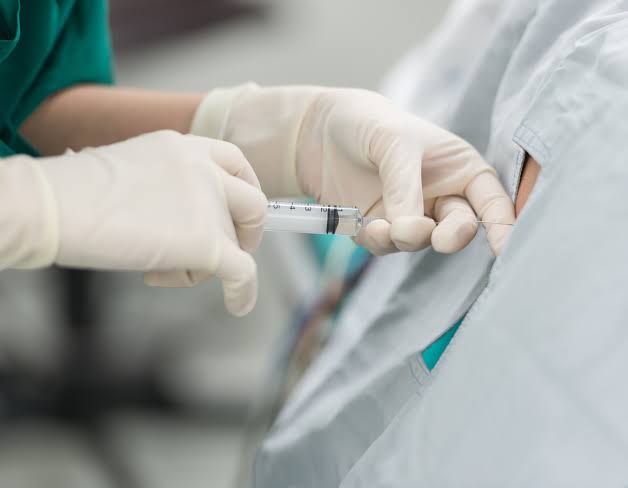
- Route: Administer intramuscularly (IM) into the thigh, arm, or buttock, or subcutaneously (SC).
- Mechanism: Glucagon stimulates hepatic glycogenolysis (breakdown of glycogen stores in the liver) to release glucose into the bloodstream.
- Limitations: Glucagon is effective only if liver glycogen stores are adequate (e.g., less effective in malnourished individuals, alcoholics, or after prolonged fasting). It typically raises blood glucose within 10-15 minutes.
- Side Effects: Nausea and vomiting are common after glucagon administration.
- Call for Emergency Medical Services (EMS): Immediately call for professional medical help (e.g., 911/112) regardless of glucagon administration, especially if the patient does not recover rapidly or if glucagon is unavailable.
- If a glucagon emergency kit is available and trained personnel (family, friend, or first responder) are present:
- Monitoring: Remain with the patient, monitor vital signs and level of consciousness until EMS arrives or the patient fully recovers.
B. Hospital Management (Emergency Department and In-patient): Upon arrival at a healthcare facility, management focuses on confirming the diagnosis, rapidly correcting hypoglycemia, and preventing recurrence.
- Rapid Bedside Glucose Measurement:
- Confirm hypoglycemia with a blood glucose reading (e.g., glucometer). If the patient is comatose, assume hypoglycemia until proven otherwise and treat empirically while awaiting confirmatory tests.
- Intravenous (IV) Glucose Administration:
- This is the cornerstone of treatment in a healthcare setting for an unconscious or severely hypoglycemic patient.
- Adults: Administer 25 mL of 50% Dextrose (D50W) or 50 mL of 25% Dextrose (D25W) intravenously, slowly over 1-3 minutes. D50W is highly hyperosmolar and should be given through a large, patent vein to prevent local irritation, phlebitis, or extravasation.
- Children: 0.5-1 g/kg of dextrose (e.g., 2-4 mL/kg of D25W or 5-10 mL/kg of D10W).
- Response: Patients typically regain consciousness within minutes. If there is no neurological improvement, consider other causes of coma.
- Post-Initial Bolus: Once consciousness is restored, oral carbohydrates should be given if the patient can safely swallow. If not, or if hypoglycemia recurs, a continuous infusion of 5-10% dextrose (D5W or D10W) may be necessary to maintain glucose levels above 100 mg/dL (5.6 mmol/L).
- Identify and Treat the Underlying Cause:
- Thorough History: Obtain a detailed history from the patient (if conscious), family, or bystanders regarding diabetes type, medications (insulin, OHAs, other drugs), last meal, alcohol intake, and recent illness or changes in routine.
- Laboratory Investigations:
- Repeat blood glucose frequently (every 15-30 minutes initially, then hourly once stable).
- Electrolytes, renal and liver function tests (to assess for organ dysfunction).
- Insulin and C-peptide levels (drawn during the hypoglycemic episode, if possible, before glucose administration) are crucial for diagnosing non-diabetic causes like insulinoma or factitious hypoglycemia.
- Screen for sulfonylurea levels if overdose is suspected.
- Cortisol levels if adrenal insufficiency is suspected.
- Ethanol level if alcohol intake is a concern.
- Review Medications: Adjust diabetes medication dosages. Discontinue or modify any other drugs contributing to hypoglycemia.
- Observation and Prevention of Recurrence:
- Prolonged Observation: Patients, especially those on long-acting insulin, sulfonylureas, or with impaired renal/hepatic function, require an extended period of observation (often 12-24 hours or more) due to the risk of recurrent hypoglycemia.
- Frequent Glucose Monitoring: Continue to monitor blood glucose levels closely.
- Patient Education: Before discharge, provide comprehensive education to the patient and family:
- Recognition of hypoglycemic symptoms (mild, moderate, severe).
- Emergency treatment of mild/moderate hypoglycemia (oral fast-acting carbohydrates followed by long-acting ones).
- Proper use of the glucagon emergency kit.
- Importance of regular meals and consistent carbohydrate intake.
- Adjusting medication doses during illness, exercise, or when alcohol is consumed.
- Wearing a medical alert identification.
- Carrying emergency carbohydrates at all times.
- Reviewing and adjusting the diabetes management plan with their healthcare provider.
Conclusion
Hypoglycemic coma is a life-threatening complication that demands immediate and knowledgeable intervention. Understanding its diverse etiologies, recognizing the progression of clinical features, and implementing a structured management plan are critical to improving patient outcomes and preventing neurological sequelae. Beyond acute treatment, a strong emphasis on patient and family education, coupled with a thorough review of the diabetes management regimen, is essential for minimizing the risk of future episodes and empowering individuals to safely manage their condition.
References:
- American Diabetes Association. (2024). Standards of Care in Diabetes—2024. Diabetes Care, 47(Supplement 1), S1-S291.
- Cryer, P. E., Axelrod, L., Grossman, A. B., Heller, S. R., Montori, E. A., Patrak, E. R., … & Schrier, R. W. (2009). Evaluation and management of adult hypoglycemic disorders: an Endocrine Society Clinical Practice Guideline. Journal of Clinical Endocrinology & Metabolism, 94(3), 709-728.
- Powers, A. C. (2018). Diabetes Mellitus. In J. L. Jameson, A. S. Fauci, D. L. Kasper, S. L. Hauser, D. L. Longo, & J. Loscalzo (Eds.), Harrison’s Principles of Internal Medicine (20th ed.). McGraw-Hill Education.
- Frank, R. J., & Pambianco, G. (2020). Hypoglycemia. In E. J. Tintinalli, J. Ma, D. M. Cline, S. K. D. Cydulka, K. H. Meckler, & C. S. Stapczynski (Eds.), Tintinalli’s Emergency Medicine: A Comprehensive Study Guide (9th ed.). McGraw-Hill Education.