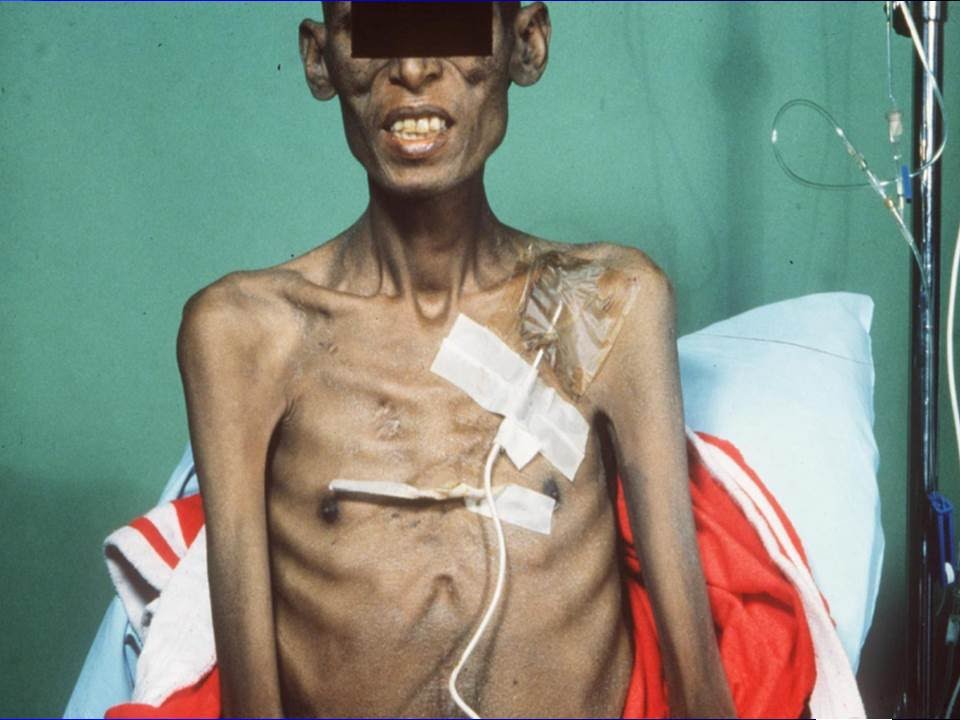

Breaking bad news is one of the most challenging yet essential communication tasks in healthcare and counselling. Delivering difficult information in a compassionate and structured manner helps patients and families process the news effectively while maintaining trust. The SPIKES model, developed by Baile et al. (2000), provides a systematic, six-step framework to facilitate effective communication during such sensitive conversations.
1. Setting Up the Interview (S)
Before delivering bad news, the healthcare provider or counsellor must ensure the conversation occurs in an appropriate environment. This involves:
- Choosing the Right Location – A quiet, private space where the patient feels comfortable and free from interruptions.
- Ensuring Physical Comfort – Both the clinician and patient should sit at eye level to foster a sense of connection.
- Confirming Presence of Support Persons – If the patient wishes, family members or close friends can be present, provided the patient consents.
- Managing Time Constraints – Allocate sufficient time for the discussion to prevent rushing, which can heighten distress.
Why it matters: A well-structured environment reduces anxiety and promotes active listening. Studies indicate that patients respond better to bad news when delivered in a controlled and empathetic setting (Baile et al., 2000).
2. Assessing the Patient’s Perception (P)
Before disclosing the news, it is crucial to gauge the patient’s understanding of their condition. This can be done using open-ended questions such as:
- “What have you been told about your condition so far?”
- “How would you describe what’s been happening with your health?”
This step helps identify gaps in knowledge, unrealistic expectations, or denial, allowing the provider to tailor the discussion accordingly.
Why it matters: Misconceptions can lead to emotional distress or poor decision-making. Assessing perception ensures the clinician addresses the patient’s specific concerns (Buckman, 1992).
3. Inviting the Patient to Share Their Information Preferences (I)
Not all patients want full disclosure immediately. Some prefer gradual information, while others desire detailed explanations. Respecting their autonomy involves asking:
- “Do you prefer to hear all the details at once, or would you like information in stages?”
- “Would you like me to explain things directly, or would you prefer to discuss options first?”
Why it matters: Tailoring communication to patient preferences improves psychological adjustment and satisfaction (Vandekieft, 2001).
4. Providing Knowledge and Information (K)
With the groundwork set, the clinician delivers the news clearly and sensitively. Key strategies include:
- Using Simple Language – Avoid medical jargon.
- Providing Information Gradually – Breaking down complex details into manageable parts.
- Being Honest Yet Empathetic – E.g., “I’m afraid the test results show that the cancer has progressed…”
- Pausing Frequently – Allowing the patient time to process.
Why it matters: Clear communication reduces confusion, while empathy fosters trust, even when the news is difficult (Fallowfield & Jenkins, 2004).
5. Addressing Emotions with Empathy (E)
Patients often react emotionally to bad news—shock, anger, grief, or despair. The clinician should:
- Acknowledge Emotions – E.g., “I can see this is upsetting for you…”
- Use Non-Verbal Cues – Nodding, maintaining eye contact, and allowing silence.
- Avoid Premature Reassurance – Phrases like “Don’t worry” can invalidate feelings.
Why it matters: Validating emotions reduces distress and strengthens the therapeutic relationship (Back et al., 2007).
6. Strategy and Summary (S)
Finally, the clinician collaborates with the patient on the next steps:
- Summarizing Key Points – Reinforces understanding.
- Discussing Treatment Plans – Presenting options clearly.
- Ensuring Follow-Up – Scheduling another meeting for questions.
Why it matters: A structured plan helps patients regain a sense of control (Baile & Beale, 2003).
Conclusion
The SPIKES model provides a compassionate, structured approach to breaking bad news. By following these steps—Setting up the interview, assessing Perception, Inviting preferences, providing Knowledge, addressing Emotions, and outlining Strategy—clinicians can improve patient outcomes, reduce distress, and maintain trust.
References
- Baile, W. F., Buckman, R., Lenzi, R., Glober, G., Beale, E. A., & Kudelka, A. P. (2000). SPIKES—A six-step protocol for delivering bad news: Application to the patient with cancer. The Oncologist, 5(4), 302-311.
- Buckman, R. (1992). How to Break Bad News: A Guide for Healthcare Professionals. Johns Hopkins University Press.
- Fallowfield, L., & Jenkins, V. (2004). Communicating sad, bad, and difficult news in medicine. The Lancet, 363(9405), 312-319.
- Back, A. L., Arnold, R. M., & Tulsky, J. A. (2007). Mastering Communication with Seriously Ill Patients. Cambridge University Press.
- Vandekieft, G. K. (2001). Breaking bad news. American Family Physician, 64(12), 1975-1978.