Immunodeficiency represents a state where the body’s immune system is compromised, leading to an increased susceptibility to infections, and in some cases, a higher risk of autoimmune diseases or malignancies. This compromised state can arise from various factors, broadly categorized into two main types: Primary Immunodeficiency (PID) and Secondary Immunodeficiency (SID). Understanding the distinct origins and mechanisms of these conditions is crucial for accurate diagnosis, effective management, and improved patient outcomes. This guide will meticulously detail each type, exploring their causes, manifestations, and the fundamental differences that set them apart.
Primary Immunodeficiency (PID) and Its Causes
Primary Immunodeficiency Disorders, often referred to as inborn errors of immunity, are a heterogeneous group of genetic conditions that directly affect the development or function of the immune system. Unlike secondary forms, PIDs are inherited or result from spontaneous genetic mutations, meaning individuals are born with these defects. They can manifest across the lifespan, from infancy to adulthood, depending on the specific genetic defect and its impact on immune function.
Defining PID: PID encompasses over 450 distinct genetic disorders that impair various components of the immune system, including B lymphocytes (antibody production), T lymphocytes (cell-mediated immunity), phagocytes (innate immune cells), and the complement system (a cascade of proteins that aids immunity). The severity of PID can range from mild, characterized by recurrent common infections, to severe, life-threatening conditions involving opportunistic pathogens, autoimmunity, and malignancy.
Causes of Primary Immunodeficiency: The root cause of all PIDs lies in genetic mutations. These mutations can affect a single gene or, in some complex cases, multiple genes, leading to a specific defect in an immune pathway or cell type. The inheritance patterns can vary significantly:
- Autosomal Recessive Inheritance: Both parents carry a copy of the mutated gene, and the child inherits two copies of the mutated gene (one from each parent) to develop the condition. Examples include Severe Combined Immunodeficiency (SCID) due to Adenosine Deaminase (ADA) deficiency and Chronic Granulomatous Disease (CGD).
- Autosomal Dominant Inheritance: Only one copy of the mutated gene (from either parent) is sufficient to cause the disease. Variable penetrance can lead to different severities even within the same family. Examples include some forms of Common Variable Immunodeficiency (CVID) and STAT1 gain-of-function mutations.
- X-linked Inheritance: The mutated gene is located on the X chromosome, predominantly affecting males. Females are typically carriers and usually asymptomatic, though some may exhibit milder symptoms due to skewed X-inactivation. Bruton’s Tyrosine Kinase (BTK) deficiency, leading to X-linked agammaglobulinemia (XLA), and X-linked SCID are classic examples.
- Spontaneous Mutations: In some instances, a new mutation occurs in an individual without being inherited from parents. This is less common but can equally lead to a PID.
Categorization of PIDs based on the affected immune component helps in understanding their diverse manifestations:
- Combined Immunodeficiencies (Affecting T and B Cells): These are among the most severe PIDs.
- Severe Combined Immunodeficiency (SCID): Often called “bubble boy disease,” SCID involves profound defects in both T and B lymphocyte development and function. Genetic defects can affect various genes crucial for lymphocyte development, such as RAG1/2, ADA, IL7RA, or components of the common gamma chain receptor (IL2RG, X-linked SCID). This leads to a near-absence of functional T and B cells, making infants highly susceptible to severe, opportunistic infections.
- Predominantly Antibody Deficiencies: These are the most common type of PID.
- X-linked Agammaglobulinemia (XLA): Caused by mutations in the BTK gene, leading to a block in B cell development. Affected individuals lack mature B cells and antibodies, resulting in recurrent bacterial infections of the respiratory and gastrointestinal tracts.
- Common Variable Immunodeficiency (CVID): A diverse group of disorders characterized by low levels of immunoglobulins (IgG, IgA, and often IgM) and impaired specific antibody responses. Genetic causes are heterogeneous and complex, involving genes like ICOS, TACI, CD19, LRBA, and CTLA4, though many cases remain genetically undefined. CVID patients suffer from recurrent bacterial infections, but also have a higher risk of autoimmunity, lymphoproliferation, and malignancy.
- Selective IgA Deficiency: The most common PID, often asymptomatic, but some individuals experience recurrent sinopulmonary infections or autoimmune diseases.
- Disorders of Phagocyte Number or Function:
- Chronic Granulomatous Disease (CGD): Caused by defects in the NADPH oxidase complex, which is essential for phagocytes to produce reactive oxygen species to kill internalized pathogens. Patients develop recurrent severe bacterial and fungal infections, particularly forming granulomas in various organs.
- Leukocyte Adhesion Deficiency (LAD): Defects in adhesion molecules necessary for phagocytes to migrate to sites of infection, leading to recurrent, non-purulent infections.
- Defects in Innate Immunity (e.g., Toll-like receptor signaling): Affect the early recognition and response to pathogens.
- Disorders of Immune Dysregulation: Characterized not just by infection susceptibility but also by severe autoimmunity and inflammation.
- IPEX Syndrome (Immune dysregulation, Polyendocrinopathy, Enteropathy, X-linked): Caused by mutations in the FOXP3 gene, critical for regulatory T cells, leading to severe autoimmune enteropathy, type 1 diabetes, and eczema.
- Complement Deficiencies: Affect components of the complement system, leading to increased susceptibility to specific bacterial infections (e.g., Neisseria species in C5-C9 deficiencies) or autoimmune diseases (e.g., SLE in C1, C2, C4 deficiencies).
The clinical presentation of PID guides diagnostic efforts, which often involve a combination of detailed family and medical history, physical examination, complete blood counts, immunoglobulin levels, specific antibody responses to vaccines, flow cytometry to analyze immune cell populations, and ultimately, genetic testing to identify the causative mutation.
Secondary Immunodeficiency (SID) and Its Causes
Secondary, or acquired, Immunodeficiency refers to a compromised immune system that is not due to an inherited genetic defect, but rather develops as a consequence of external factors, underlying diseases, or medical treatments. SID is significantly more common than PID and can affect individuals of any age. The impairment of immune function in SID is often reversible if the underlying cause can be successfully managed or eliminated.
Defining SID: SID results from extrinsic factors that disrupt the normal functioning of an otherwise healthy immune system. This disruption can involve various immune components, leading to increased susceptibility to infections, similar to PID, but with a distinct etiology.
Causes of Secondary Immunodeficiency: The causes of SID are diverse and widespread, often stemming from conditions and interventions that are common in modern medicine and daily life.
- Infections:
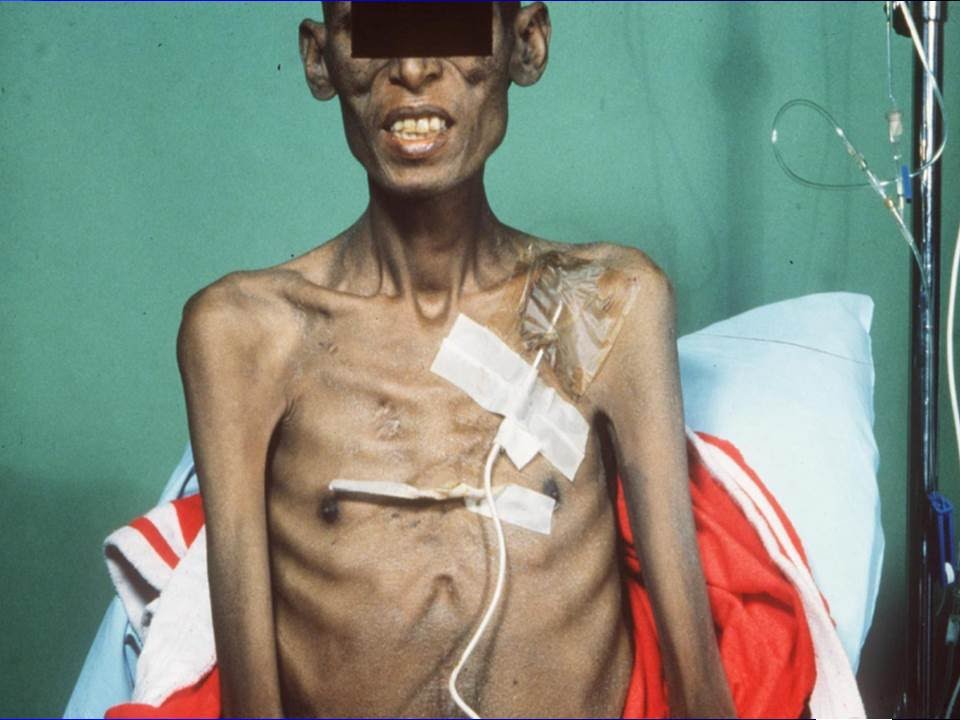
- Human Immunodeficiency Virus (HIV) Infection: This is the most infamous and significant cause of SID (Acquired Immunodeficiency Syndrome – AIDS). HIV primarily targets and destroys CD4+ T lymphocytes, which are crucial for orchestrating adaptive immune responses. The progressive depletion of CD4+ T cells leads to a profound immunodeficiency, making individuals highly vulnerable to opportunistic infections (e.g., Pneumocystis pneumonia, Kaposi’s sarcoma, certain fungal infections) and certain cancers.
- Other Viral Infections: Viruses like measles, cytomegalovirus (CMV), Epstein-Barr virus (EBV), and varicella-zoster virus (VZV) can cause temporary but significant immunosuppression by directly infecting immune cells or by inducing an immune response that transiently depletes or functionally impairs certain lymphocyte populations.
- Sepsis: Overwhelming systemic infection can lead to a state of profound immunosuppression, known as “immunoparalysis,” characterized by impaired T cell and monocyte function, which paradoxically increases susceptibility to secondary infections.
- Malnutrition:
- Protein-Calorie Malnutrition: A leading cause of SID globally. Deficiency in essential proteins and calories severely impairs the development and function of both innate and adaptive immune cells. Lymphoid tissue atrophy, reduced T-cell numbers and function, impaired phagocyte activity, and reduced antibody production are common.
- Specific Nutrient Deficiencies: Deficiencies in micronutrients like zinc, iron, selenium, and vitamins A, C, D, E, and B-complex can also significantly impair immune function, as these are crucial co-factors and regulators for various immune processes.
- Medical Treatments and Interventions:
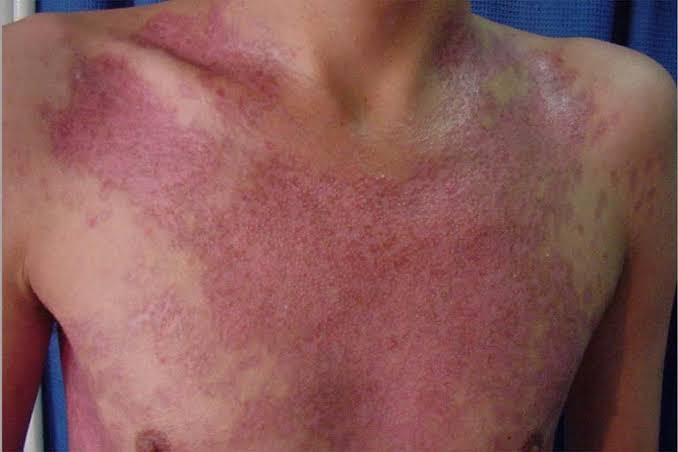
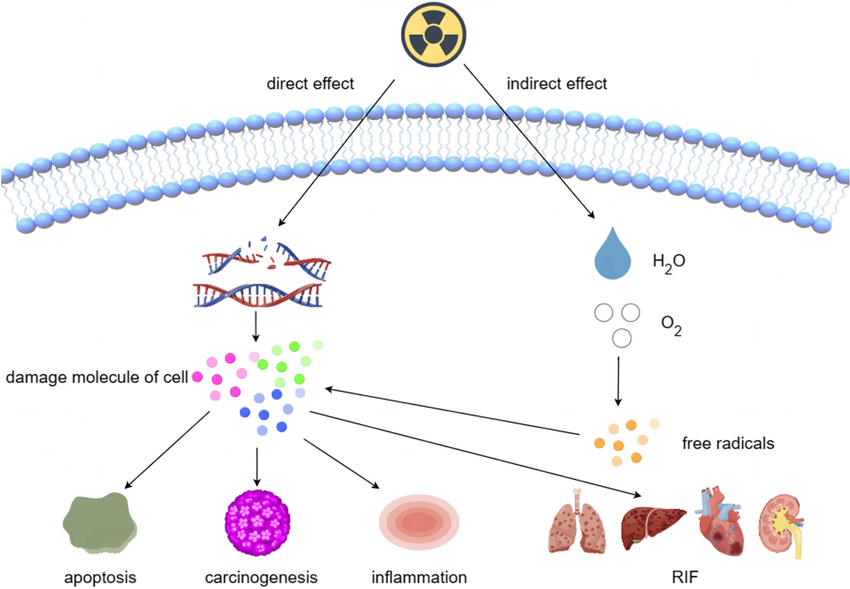
- Chemotherapy and Radiation Therapy: Used in cancer treatment, these therapies are highly cytotoxic and non-specifically target rapidly dividing cells, including bone marrow stem cells that produce immune cells. This leads to myelosuppression, causing neutropenia, lymphopenia, and overall immune suppression.
- Immunosuppressive Drugs: Essential for preventing organ transplant rejection and managing autoimmune diseases (e.g., systemic lupus erythematosus, rheumatoid arthritis). Medications like corticosteroids (prednisone), calcineurin inhibitors (cyclosporine, tacrolimus), mTOR inhibitors (sirolimus), antimetabolites (azathioprine, mycophenolate mofetil), and biologic agents (anti-TNF-α, anti-CD20) intentionally suppress immune responses, making patients susceptible to infections.
- Splenectomy: Surgical removal of the spleen, often due to trauma or hematological disorders (e.g., ITP, hereditary spherocytosis), leads to a lifelong increased risk of overwhelming infection, especially from encapsulated bacteria (e.g., Streptococcus pneumoniae, Haemophilus influenzae, Neisseria meningitidis), as the spleen plays a crucial role in filtering blood and initiating immune responses (antibody production) against these pathogens.
- Chronic Diseases:
- Cancer: Malignancies, particularly hematological cancers (leukemias, lymphomas, multiple myeloma), directly impair immune cell production or function. Solid tumors can also cause malnutrition, produce immunosuppressive factors, and lead to opportunistic infections, often exacerbated by anti-cancer treatments.
- Renal Failure (Chronic Kidney Disease): Uremia, the accumulation of waste products, and the demands of dialysis can impair both humoral and cellular immunity. Patients exhibit reduced T-cell function, impaired phagocytosis, and diminished antibody responses.
- Diabetes Mellitus: Both type 1 and type 2 diabetes lead to impaired neutrophil function (chemotaxis, phagocytosis), T-cell dysfunction, and microvascular complications that can compromise tissue integrity, making patients prone to bacterial and fungal infections, particularly skin, urinary tract, and soft tissue infections.
- Chronic Liver Disease (e.g., Cirrhosis): Impaired liver function can lead to reduced synthesis of complement proteins, opsonins, and other immune mediators. Portal hypertension and ascites can lead to bacterial translocation from the gut, further increasing infection risk (e.g., spontaneous bacterial peritonitis).
- Autoimmune Diseases: While often treated with immunosuppressants, the diseases themselves (e.g., lupus, rheumatoid arthritis) can cause intrinsic immune dysregulation that contributes to infection susceptibility, even independent of treatment, by altering immune cell function or causing tissue damage.
- Aging (Immunosenescence):
- As individuals age, the immune system undergoes a natural decline in function, termed immunosenescence. This involves a decrease in the production of new T cells (thymic involution), a narrowing of the T-cell repertoire, decreased responsiveness of B cells to new antigens, impaired phagocyte function, and reduced vaccine effectiveness. This makes older adults more susceptible to infections (e.g., influenza, pneumonia, herpes zoster) and less able to clear them effectively.
- Other Factors:
- Severe Trauma and Burns: The systemic inflammatory response following severe injury or burns can lead to a compensatory immunosuppressive state, increasing the risk of nosocomial and opportunistic infections.
- Substance Abuse: Alcoholism and drug abuse can directly suppress immune function, impair nutrition, and increase exposure to pathogens, leading to chronic infections.
The diagnosis of SID relies heavily on a thorough medical history to identify potential underlying causes, followed by targeted laboratory investigations to assess the extent of immune compromise. Management primarily focuses on treating or removing the underlying cause, alongside prophylactic measures and aggressive treatment of infections.
In summary, while both primary and secondary immunodeficiencies share the common endpoint of a compromised immune system and increased infection susceptibility, their origins are fundamentally different. PIDs are rooted in inherited genetic defects affecting the immune system’s intrinsic machinery, whereas SIDs are acquired, resulting from external factors, infections, diseases, or medical interventions. A clear understanding of these distinctions is paramount for accurate diagnosis, appropriate therapeutic strategies, and ultimately, improving the lives of affected individuals.
References:
- Chapel, H., et al. (2014). Primary and secondary immunodeficiencies. Clinical & Experimental Immunology, 176(1), 1-16.
- Notarangelo, L. D. (2010). Primary immunodeficiencies. Journal of Allergy and Clinical Immunology, 125(2 Suppl 2), S182-S194.
- Abbas, A. K., Lichtman, A. H., & Pillai, S. (2021). Cellular and Molecular Immunology (10th ed.). Elsevier.
- Bonilla, F. A., et al. (2015). Primary immunodeficiencies: an update on definitions, diagnosis, and treatment. Journal of Allergy and Clinical Immunology, 136(3), e1-e63.
- Rosenzweig, S. D., & Holland, S. M. (2020). Defects in Innate Immunity. In Mandell, Douglas, and Bennett’s Principles and Practice of Infectious Diseases (9th ed., pp. 195-212). Elsevier.