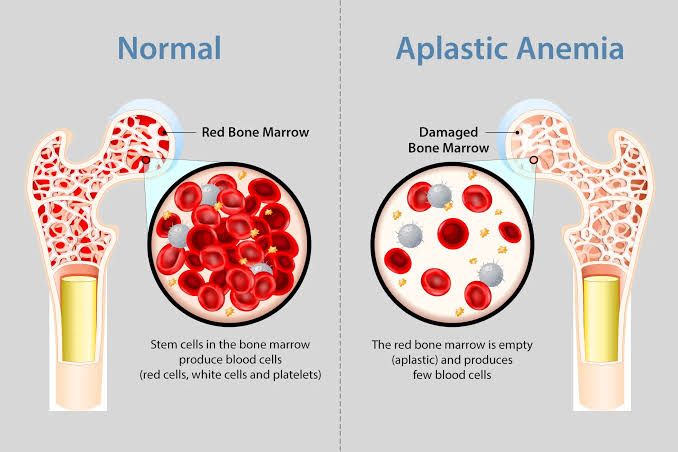
Aplastic anemia (AA) is a rare but severe and potentially life-threatening hematologic disorder characterized by pancytopenia resulting from hypoplasia or aplasia of the bone marrow. It represents a profound failure of hematopoietic stem cells (HSCs) to produce mature blood cells, leading to a deficiency in red blood cells (anemia), white blood cells (leukopenia, specifically neutropenia), and platelets (thrombocytopenia). The condition can manifest acutely or insidiously, and its diagnosis requires careful evaluation to differentiate it from other causes of bone marrow failure. Understanding the intricate causes, pathogenesis, varied clinical presentations, and meticulous laboratory diagnostic approaches is paramount for effective management and improved patient outcomes.
Causes (Etiology) of Aplastic Anemia
The etiology of aplastic anemia is broadly classified into acquired and inherited forms, with acquired AA accounting for the vast majority of cases.
A. Acquired Aplastic Anemia (Most Common Form): Approximately 80% of acquired AA cases are idiopathic, meaning no specific cause can be identified. However, an underlying autoimmune mechanism is strongly suspected. For the remaining cases, identifiable triggers include:
- Chemicals and Toxins: Exposure to certain chemicals is a well-established risk factor. Benzene, a widely used industrial solvent, is a notorious myelotoxin. Other organic solvents, insecticides (e.g., organophosphates), and heavy metals have also been implicated.
- Drugs:
- Chemotherapeutic Agents: These are designed to suppress cell proliferation and frequently cause dose-dependent bone marrow suppression.
- Chloramphenicol: This antibiotic, though rarely used now due to its hematologic toxicity, is historically associated with idiosyncratic, irreversible AA.
- Non-Steroidal Anti-Inflammatory Drugs (NSAIDs): Phenylbutazone and indomethacin have been linked in rare cases.
- Antiepileptic Drugs: Phenytoin and carbamazepine.
- Sulfonamides: Certain antibiotics and diuretics.
- Gold Salts: Used in rheumatoid arthritis treatment.
- Viral Infections: Viral infections are thought to be common initiators of immune-mediated bone marrow injury.
- Hepatitis Viruses: Non-A, non-B, non-C, non-G hepatitis (most commonly hepatitis E or other unidentified viruses) are particularly associated with post-hepatitis aplastic anemia, often with a severe presentation.
- Epstein-Barr Virus (EBV), Cytomegalovirus (CMV), Human Immunodeficiency Virus (HIV), Parvovirus B19: These viruses can also trigger marrow suppression, though less commonly leading to chronic AA compared to hepatitis viruses.
- Immunological Disorders: Aplastic anemia can occur in association with other autoimmune conditions, such as systemic lupus erythematosus (SLE) or rheumatoid arthritis, although this is rare. Paroxysmal nocturnal hemoglobinuria (PNH) often co-exists with or precedes AA, sharing common pathogenic mechanisms.
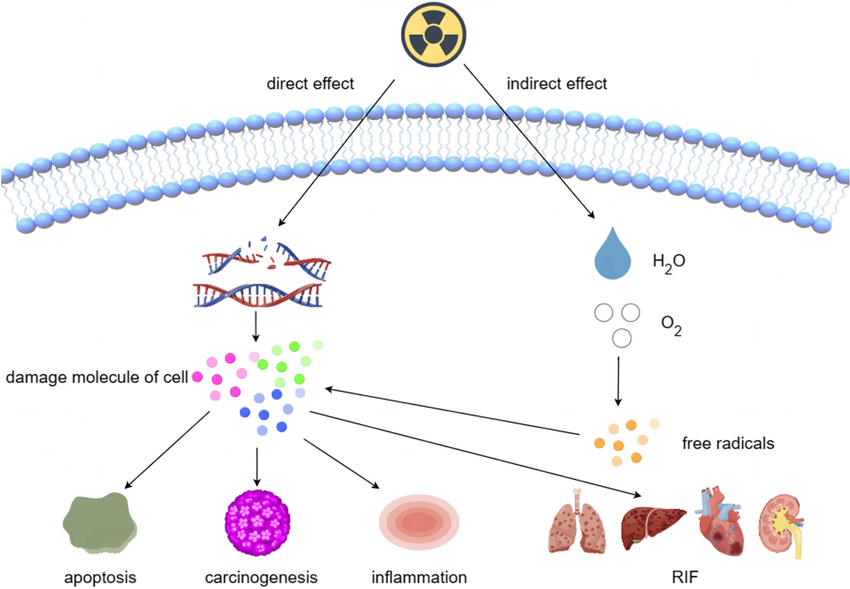
- Ionizing Radiation: Exposure to high doses of radiation, such as in accidental events or medical therapeutic radiation, can cause acute and severe bone marrow aplasia.
- Pregnancy: Very rarely, AA can develop during pregnancy, often resolving spontaneously postpartum, suggesting a hormonal or immunological link.
B. Inherited/Constitutional Aplastic Anemia: These forms are typically diagnosed in childhood or adolescence and are associated with characteristic physical anomalies or predispositions to other medical conditions.
- Fanconi Anemia (FA): The most common inherited bone marrow failure syndrome, caused by mutations in genes involved in DNA repair pathways. Patients often present with short stature, skin pigmentation abnormalities (café-au-lait spots), skeletal defects (e.g., thumb or radial anomalies), renal malformations, and are at increased risk of developing myelodysplastic syndrome (MDS) or acute myeloid leukemia (AML).
- Dyskeratosis Congenita (DC): An inherited disorder of telomere biology, resulting from mutations in genes encoding telomere maintenance proteins (e.g., TERT, TERC). Characterized by a classic triad of nail dystrophy, reticular skin hyperpigmentation, and oral leukoplakia, along with increased cancer risk.
- Shwachman-Diamond Syndrome (SDS): Autosomal recessive disorder affecting exocrine pancreatic function, skeletal development, and hematopoiesis, leading to neutropenia and sometimes aplastic anemia.
- Telomere Biology Disorders (Non-DC): Other germline mutations in telomere maintenance genes can solely lead to marrow failure without the full DC phenotype.
Pathogenesis of Aplastic Anemia
The core pathogenetic mechanism in acquired aplastic anemia is immune-mediated destruction or suppression of hematopoietic stem and progenitor cells (HSCs) in the bone marrow. This leads to a progressive decline in the production of all blood cell lineages.
A. Immune-Mediated Destruction (Acquired AA):
- Initiating Event: The process often begins with an environmental trigger (e.g., viral infection, drug exposure, or chemical toxin) that causes initial damage to HSCs or alters their surface antigens. This trigger is often transient and not directly cytotoxic but rather initiates an aberrant immune response.
- T-Cell Activation and Expansion: The altered HSCs or self-peptides presented by antigen-presenting cells are recognized as foreign by the immune system, leading to the activation and clonal expansion of cytotoxic T lymphocytes (CTLs), primarily CD8+ T cells. These T cells become autoreactive.
- Targeting of Hematopoietic Stem Cells: The activated CD8+ CTLs infiltrate the bone marrow and directly target and destroy or functionally suppress the patient’s existing HSCs. This is distinct from leukemia where malignant cells proliferate; in AA, the marrow is empty due to immune attack.
- Cytokine-Mediated Inhibition: These activated T cells also produce and secrete high levels of pro-inflammatory cytokines, notably interferon-gamma (IFN-γ) and tumor necrosis factor-alpha (TNF-α). These cytokines are potent inhibitors of hematopoiesis, directly suppressing the proliferation, differentiation, and survival of residual HSCs and progenitor cells. IFN-γ can induce apoptosis in hematopoietic progenitor cells and reduce their responsiveness to growth factors.
- Role of Regulatory T Cells: There may also be a defect in the number or function of regulatory T cells (Tregs), which normally help to maintain immune tolerance and prevent autoimmunity. A deficiency or dysfunction of Tregs could contribute to the uncontrolled auto-reactive T-cell response.
- Clonal Evolution and PNH: The relentless immune attack on normal HSCs creates a selective pressure. Clones of HSCs with specific genetic mutations, particularly in the PIGA gene, which are resistant to the immune-mediated destruction (e.g., through lack of GPI-anchored proteins like CD55 and CD59), can expand. This leads to the development of a paroxysmal nocturnal hemoglobinuria (PNH) clone, which is frequently found in patients with AA and can be a marker of the underlying immune dysregulation.
B. Intrinsic Stem Cell Defects: While immune destruction is the primary mechanism in acquired AA, there is growing evidence that some intrinsic defects in HSCs may contribute to susceptibility or perpetuate the disease. These defects might include increased susceptibility to apoptosis, subtle telomere shortening (even in acquired AA), or impaired DNA repair mechanisms, making HSCs more vulnerable to immune attack or environmental insults.
C. Pathogenesis of Inherited Aplastic Anemias: In contrast to acquired AA, inherited forms are caused by germline genetic mutations that directly impair HSC function or maintenance.
- Fanconi Anemia: Mutations in FA genes lead to defective DNA repair, making cells, particularly HSCs, highly susceptible to DNA damage, oxidative stress, and apoptosis, resulting in progressive bone marrow failure.
- Dyskeratosis Congenita: Mutations in telomere biology genes lead to critically short telomeres, which are vital for chromosome stability and cell division. HSCs with critically short telomeres undergo premature senescence or apoptosis, leading to marrow failure.
Clinical Features
The clinical manifestations of aplastic anemia are directly attributable to the pancytopenia, reflecting the deficiency of red blood cells, white blood cells (specifically neutrophils), and platelets. The onset can be insidious, with symptoms worsening gradually, or abrupt, particularly in severe cases.
A. Symptoms Related to Anemia (Low Red Blood Cells):
- Fatigue and Weakness: Due to reduced oxygen-carrying capacity.
- Pallor: Pale skin and mucous membranes.
- Dyspnea on Exertion: Shortness of breath with physical activity.
- Palpitations: Awareness of heartbeats as the heart compensates for reduced oxygen delivery.
- Headache and Dizziness: Cerebral hypoxia.
B. Symptoms Related to Neutropenia (Low Neutrophils):
- Recurrent Infections: Patients are highly susceptible to bacterial, fungal, and viral infections.
- Fever: Often the first and only sign of infection, requiring immediate investigation.
- Oral Ulcers and Pharyngitis: Common sites of infection due to the constant presence of microorganisms.
- Cellulitis, Pneumonia, Sepsis: Infections can rapidly progress to life-threatening conditions due to the severely compromised immune response. Infections may lack typical signs of inflammation (pus formation) due to the absence of neutrophils.
C. Symptoms Related to Thrombocytopenia (Low Platelets):
- Mucocutaneous Bleeding:
- Petechiae: Pinpoint red or purple spots on the skin, typically on dependent areas (legs).
- Purpura and Ecchymoses: Larger patches of bruising.
- Epistaxis: Nosebleeds.
- Gingival Bleeding: Bleeding from the gums.
- Menorrhagia: Heavy or prolonged menstrual bleeding in women.
- Serious Bleeding:
- Gastrointestinal Bleeding: Manifesting as melena (black, tarry stools) or hematemesis (vomiting blood).
- Intracranial Hemorrhage: A rare but catastrophic complication, leading to neurological deficits, seizures, or coma, and is a major cause of mortality.
D. Physical Examination Findings:
- Pallor: Evident in skin, conjunctivae, and nail beds.
- Petechiae and Purpura: Indicative of thrombocytopenia.
- Signs of Infection: Fever, oral lesions, signs of pneumonia, skin infections.
- Absence of Organomegaly: A crucial differentiating feature from other causes of pancytopenia (e.g., leukemia, myelodysplastic syndrome, myelofibrosis, lymphoma, hypersplenism). Splenomegaly (enlarged spleen) or hepatomegaly (enlarged liver) or lymphadenopathy are typically absent in AA. Their presence should prompt consideration of alternative diagnoses.
- Specific Features of Inherited AA:
- Fanconi Anemia: Short stature, microcephaly, skin pigmentation (café-au-lait spots), skeletal abnormalities (absent or hypoplastic thumbs/radii, abnormal fingers), renal defects, hypogonadism.
- Dyskeratosis Congenita: Dysplastic nails, reticular skin hyperpigmentation (especially neck and chest), oral leukoplakia.
Laboratory Diagnosis
The diagnosis of aplastic anemia relies on a combination of peripheral blood abnormalities and a characteristic bone marrow biopsy finding, in conjunction with the careful exclusion of other causes of pancytopenia.
A. Complete Blood Count (CBC) and Peripheral Blood Smear:
- Pancytopenia: This is the hallmark of AA.
- Anemia: Hemoglobin levels are typically low, often severe (< 7 g/dL). Red blood cell indices are usually normocytic (MCV 80-100 fL) or slightly macrocytic (MCV > 100 fL), but not megaloblastic.
- Leukopenia: Total white blood cell count is low, primarily due to neutropenia (absolute neutrophil count < 1.5 x 10^9/L, often < 0.5 x 10^9/L in severe cases). Lymphocyte counts are relatively preserved or mildly reduced.
- Thrombocytopenia: Platelet count is low (< 100 x 10^9/L, often < 20 x 10^9/L in severe cases).
- Reticulocyte Count: Markedly reduced or absent (< 1%), indicating the bone marrow’s severe inability to produce new red blood cells. This is a critical indicator of marrow failure rather than peripheral destruction.
- Peripheral Blood Smear: Typically shows a paucity of all cell lines. There should be no abnormal cells (e.g., blasts, immature myeloid forms, dysplastic features), which helps differentiate AA from leukemia or MDS. Some macro-ovalocytes may be seen in severe anemia.
B. Bone Marrow Aspiration and Biopsy: This is the definitive diagnostic procedure and is crucial for confirming cellularity and excluding other marrow diseases.
- Hypocellularity: The diagnostic hallmark of AA is a profoundly hypocellular bone marrow, where hematopoietic cells are replaced by adipose (fat) tissue. Cellularity is often < 25% (or < 30% if the patient is older than 60 years), with a significant reduction in all hematopoietic lineages.
- Severe Aplastic Anemia (SAA): Defined by bone marrow cellularity < 25% (or < 50% if < 30% are hematopoietic cells) PLUS two of the following: absolute neutrophil count < 0.5 x 10^9/L, platelet count < 20 x 10^9/L, or absolute reticulocyte count < 20 x 10^9/L.
- Very Severe Aplastic Anemia (VSAA): Same criteria as SAA, but ANC < 0.2 x 10^9/L.
- Dry Tap: A bone marrow aspiration often yields little or no material (“dry tap”) due to the extreme hypocellularity, necessitating a biopsy.
- Absence of Abnormal Cells: The biopsy should show no evidence of malignant cells (blasts of leukemia, lymphoma cells), myelofibrosis, granulomas, or infectious organisms.
- Increased Iron Stores: Often observed in macrophages due to ineffective erythropoiesis and repeated blood transfusions.
C. Exclusion of Other Causes of Pancytopenia: A comprehensive differential diagnosis is essential:
- Myelodysplastic Syndromes (MDS): Can present with hypocellularity (hypoplastic MDS). Differentiation from AA involves looking for signs of dysplasia in hematopoietic cells (e.g., pseudo-Pelger-Huët neutrophils, ring sideroblasts, micromegakaryocytes) and specific cytogenetic abnormalities (e.g., monosomy 7, trisomy 8, complex karyotypes) that are characteristic of MDS but generally absent in AA.
- Acute Leukemias: Ruled out by the absence of significant blast populations in the bone marrow or peripheral blood.
- Nutritional Deficiencies: Folic acid or Vitamin B12 deficiency can cause pancytopenia with megaloblastic marrow. Serum levels of these vitamins should be checked.
- Infections: Specific viral infections (HIV, CMV, EBV, parvovirus B19) can cause marrow suppression; serology for these viruses is part of the workup.
- Hypersplenism: Rarely causes severe pancytopenia typical of AA, and is usually associated with splenomegaly.
- Infiltrative Marrow Diseases: Lymphoma, myeloma, metastatic carcinoma, or myelofibrosis can cause pancytopenia by replacing normal marrow elements. These are ruled out by the bone marrow biopsy.
- Autoimmune Diseases: While AA is often immune-mediated, systemic autoimmune diseases (e.g., SLE) can cause pancytopenia. ANA and other autoantibody tests may be performed.
D. Specialized Tests (For Etiology and Prognosis):
- Flow Cytometry for PNH Clone: Measurement of GPI-anchored proteins (CD55, CD59) on red blood cells and granulocytes by flow cytometry is crucial. The presence of a PNH clone supports the diagnosis of immune-mediated AA and has prognostic and therapeutic implications.
- Cytogenetics and FISH (Fluorescence In Situ Hybridization): Performed on bone marrow cells to rule out clonal abnormalities characteristic of MDS or AML. In inherited AA (e.g., Fanconi Anemia), specific chromosomal breakage studies (e.g., with diepoxybutane or mitomycin C) are diagnostic.
- Telomere Length Measurement and Gene Sequencing: For suspected inherited aplastic anemias (Dyskeratosis Congenita, Fanconi Anemia, other telomere biology disorders), telomere length studies and genetic sequencing for specific gene mutations (e.g., TERT, TERC, DKC1, FANCA) can confirm the diagnosis.
- Viral Serologies: To identify specific viral triggers (e.g., Hepatitis A, B, C, E).
In conclusion, aplastic anemia is a complex bone marrow failure syndrome primarily driven by an immune-mediated attack on hematopoietic stem cells in its acquired form. Its diverse etiologies range from idiopathic to specific chemical, drug, or viral exposures, while inherited forms result from germline genetic defects. The clinical picture is one of pancytopenia, leading to symptoms of anemia, recurrent infections, and bleeding. The definitive diagnosis hinges on demonstrating a hypocellular bone marrow and meticulously excluding other causes of pancytopenia. A thorough diagnostic workup, including comprehensive peripheral blood analysis, bone marrow evaluation, and specialized tests, is critical for accurate diagnosis, classification, and guiding appropriate therapeutic interventions, which often include immune suppressive therapy or hematopoietic stem cell transplantation.
References:
- Young, N. S. (2018). Aplastic Anemia. New England Journal of Medicine, 379(17), 1643-1655.
- Marsh, J. C. W., Ball, S. E., Darbyshire, P., Gordon-Smith, E. C., Harrison, C. N., Jenner, M., … & Cook, G. (2019). Guidelines for the diagnosis and management of aplastic anaemia. British Journal of Haematology, 187(2), 159-174.
- DeVita, V. T., Lawrence, T. S., & Rosenberg, S. A. (Eds.). (2019). DeVita, Hellman, and Rosenberg’s Cancer: Principles & Practice of Oncology (11th ed.). Lippincott Williams & Wilkins. (Relevant chapters on bone marrow failure).
- Hoffman, R., Benz Jr, E. J., Silberstein, L. E., Heslop, H. E., Weitz, J. I., & Anastasi, J. J. (Eds.). (2020). Hematology: Basic Principles and Practice (8th ed.). Elsevier. (Chapter on Aplastic Anemia and other bone marrow failure syndromes).
- Camitta, B. M., & Storb, R. (2007). Aplastic Anemia. In: Lanzkowsky’s Manual of Pediatric Hematology and Oncology (4th ed., pp. 581-597). Elsevier.
- Passweg, J. R., & Bacigalupo, A. (2015). Treatment of aplastic anemia: an update. Hematology, 2015(1), 384-389.
- Maciejewski, J. P., & Risitano, A. M. (2021). Acquired Aplastic Anemia: Pathophysiology and Treatment. Annual Review of Medicine, 72, 363-376.