
Sodium, an essential electrolyte, plays a pivotal role in maintaining numerous physiological processes vital for human life. Its precise regulation is paramount for cellular function, fluid balance, nerve transmission, and muscle contraction.
Different Sources of Sodium
Sodium is primarily acquired through dietary intake, though its presence in the human body is also regulated through various physiological mechanisms. Understanding its sources is crucial for managing dietary intake and understanding its impact on health.
A. Dietary Sources:
- Table Salt (Sodium Chloride – NaCl): This is the most common and significant source of sodium in the human diet. It is used extensively in cooking, as a seasoning, and in food preservation. Approximately 90% of dietary sodium comes from sodium chloride.
- Processed and Packaged Foods: A vast majority of dietary sodium, often as much as 75-80% in Western diets, comes from processed and packaged foods. This includes:
- Canned Foods: Vegetables, soups, and meats often contain added sodium for flavor and preservation.
- Processed Meats: Bacon, sausages, ham, deli meats, and cured meats are typically high in sodium.
- Snack Foods: Chips, pretzels, crackers, and salted nuts are notable contributors.
- Baked Goods: Breads, rolls, pastries, and even some sweet baked goods can contain significant amounts of sodium (e.g., from baking soda or baking powder).
- Condiments and Sauces: Soy sauce, ketchup, mustard, salad dressings, and various marinades are often rich in sodium.
- Frozen Meals and Fast Food: These convenience foods are frequently high in sodium.
- Naturally Occurring Sodium in Foods: Sodium is naturally present in varying amounts in almost all foods, although typically in smaller quantities compared to added sodium. Examples include:
- Dairy Products: Milk, cheese, and yogurt contain natural sodium.
- Meats and Poultry: Beef, chicken, and pork naturally contain sodium.
- Shellfish: Shrimp, crab, and other seafood are naturally higher in sodium.
- Vegetables: While generally low, vegetables like celery, spinach, and beets contain some natural sodium.
- “Hidden” Sodium Sources: Beyond table salt and obvious processed foods, sodium can be found in less apparent forms:
- Baking Soda (Sodium Bicarbonate): Used in baking as a leavening agent and in some antacids.
- Baking Powder: A mixture that often includes sodium bicarbonate.
- Monosodium Glutamate (MSG): A flavor enhancer that contains sodium.
- Disodium Phosphate: Used as an emulsifier, stabilizer, or leavening agent.
- Sodium Nitrite/Nitrate: Used in cured meats for preservation and color.
- Sodium Benzoate: A common preservative in acidic foods.
B. Non-Dietary Sources: While less significant for daily physiological needs, sodium can also be introduced intravenously in medical settings (e.g., normal saline or Ringer’s lactate solutions) for rehydration or medication delivery, directly impacting body sodium levels.
Functions of Sodium
Sodium is far more than just a seasoning; it is a fundamental electrolyte indispensable for a myriad of physiological functions. Its ability to create electrical gradients and influence fluid movement underpins its diverse roles.
- Fluid Balance and Blood Pressure Regulation: Sodium is the primary extracellular cation, meaning it is the most abundant positively charged ion outside of cells. Its concentration dictates the osmolality of the extracellular fluid (ECF). Water follows sodium osmotically, meaning that changes in sodium concentration directly lead to shifts in fluid volume between the intracellular and extracellular compartments. This osmotic activity is critical for maintaining overall body fluid volume, which directly impacts blood volume and, consequently, blood pressure. The kidneys, working in concert with hormones like aldosterone and antidiuretic hormone (ADH), finely tune sodium and water excretion to maintain fluid homeostasis.
- Nerve Impulse Transmission (Action Potentials): The nervous system relies heavily on sodium for the generation and propagation of electrical signals, known as action potentials. The resting membrane potential of neurons is maintained by a differential distribution of ions, where sodium is highly concentrated outside the cell. When a nerve impulse is initiated, voltage-gated sodium channels open, allowing a rapid influx of sodium ions into the cell. This influx causes rapid depolarization of the cell membrane, creating an electrical signal that propagates along the neuron. Repolarization then occurs as potassium ions move out of the cell, and the sodium-potassium pump actively restores the original ion gradients.
- Muscle Contraction: Similar to nerve impulse transmission, sodium influx is essential for the initiation of muscle contraction. When an action potential reaches a muscle cell, it triggers the opening of sodium channels, leading to depolarization of the muscle cell membrane. This depolarization event is a crucial step that ultimately leads to the release of calcium within the muscle cell, which then directly facilitates the interaction of actin and myosin filaments, resulting in muscle contraction. This applies to skeletal, cardiac, and smooth muscle.
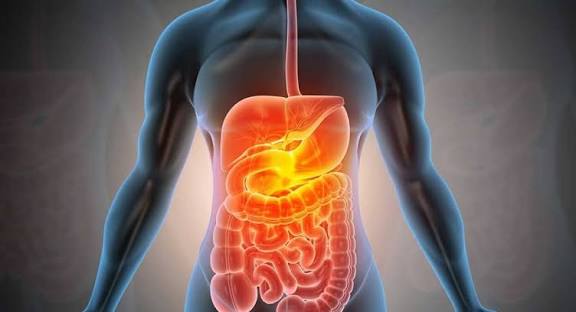
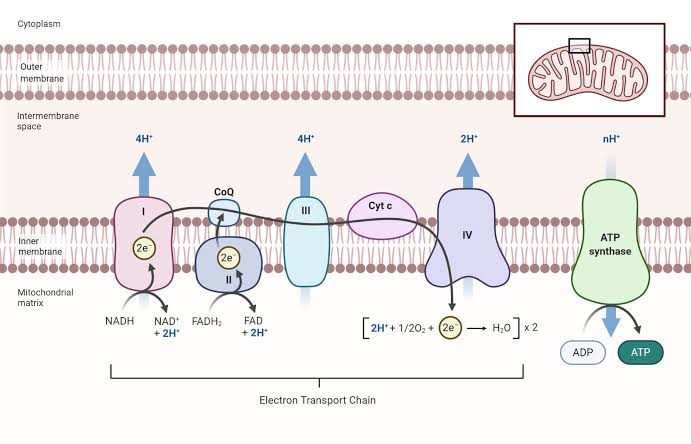
- Nutrient Absorption and Transport: Sodium gradients are vital for the absorption of several essential nutrients in the gastrointestinal tract and their reabsorption in the kidneys. Many nutrient transporters, particularly in the small intestine and renal tubules, are “sodium-dependent cotransporters.” For example, the SGLT (sodium-glucose cotransporter) family facilitates the absorption of glucose from the gut lumen into enterocytes, and its reabsorption in the kidneys. Similarly, various amino acids and other solutes are transported across cell membranes via mechanisms that harness the energy of the sodium gradient established by the Na+/K+ ATPase pump.
- pH Balance (Acid-Base Homeostasis): While bicarbonate is the primary buffer system, sodium plays an indirect role in acid-base balance. The reabsorption of bicarbonate ions in the renal tubules, a critical process for maintaining blood pH, is often coupled with sodium transport. For instance, the Na+/H+ exchanger in the renal tubules facilitates the reabsorption of sodium and the excretion of hydrogen ions, contributing to pH regulation.
Role in Maintaining the Osmolality of Plasma
The maintenance of plasma osmolality within a narrow physiological range is one of the most tightly regulated aspects of human physiology, and sodium is its primary determinant.
A. Understanding Osmolality: Osmolality refers to the concentration of solute particles per unit of solvent (typically water). In the context of body fluids, it reflects the total number of dissolved particles in a fluid, such as plasma, urine, or intracellular fluid. These particles exert osmotic pressure, which is the force that draws water across a semipermeable membrane from an area of lower solute concentration to an area of higher solute concentration.
B. Sodium as the Primary Determinant: In the extracellular fluid (ECF), which includes plasma, interstitial fluid, and transcellular fluid, sodium (Na+) and its accompanying anions (primarily chloride, Cl-, and bicarbonate, HCO3-) are the most abundant solutes. Because sodium contributes approximately 90-95% of the effective osmolality of the ECF, it is considered the primary determinant of plasma osmolality. The formula for calculating effective plasma osmolality often reflects this: Plasma Osmolality ≈ 2 × [Na+] + [Glucose]/18 + [BUN]/2.8 (where BUN is Blood Urea Nitrogen; 18 and 2.8 convert mg/dL to mmol/L for glucose and BUN, respectively). From this formula, it is evident that sodium concentration contributes most significantly to the overall osmolality.
C. Mechanism of Osmotic Influence: Water moves freely across most cell membranes through aquaporins (water channels) and by simple diffusion. This movement is driven by osmotic gradients. If the ECF has a higher osmolality (more solute particles, like sodium) than the intracellular fluid (ICF), water will move from the ICF (lower solute concentration) into the ECF (higher solute concentration) to equalize the concentration. Conversely, if ECF osmolality is lower, water will move from the ECF into the ICF, causing cells to swell. The plasma membrane acts as a semipermeable barrier, allowing water to pass but restricting the movement of large solutes like sodium.
D. Homeostatic Regulation: The body employs sophisticated mechanisms to meticulously regulate plasma sodium concentration and, by extension, plasma osmolality:
- Antidiuretic Hormone (ADH) / Vasopressin: Osmoreceptors in the hypothalamus are highly sensitive to changes in plasma osmolality. An increase in plasma osmolality (even by as little as 1%, indicating higher sodium concentration relative to water) stimulates these osmoreceptors, leading to the release of ADH from the posterior pituitary gland. ADH acts on the collecting ducts of the kidneys, increasing their permeability to water, thus promoting water reabsorption back into the bloodstream and concentrating the urine. This conserves water, diluting the plasma and returning osmolality to normal. Conversely, a decrease in osmolality suppresses ADH release, leading to increased water excretion and more dilute urine.
- Thirst Mechanism: Elevated plasma osmolality also powerfully stimulates the thirst center in the hypothalamus. Drinking water helps to dilute the ECF, directly reducing plasma osmolality and restoring fluid balance. This behavioral response works in tandem with ADH.
- Renin-Angiotensin-Aldosterone System (RAAS): While primarily involved in blood pressure regulation and sodium volume control, aldosterone, a key hormone in the RAAS, promotes sodium reabsorption in the renal tubules. Although increased sodium reabsorption itself can increase osmolality, the RAAS indirectly influences osmolality through its effects on fluid volume and its interaction with ADH. High sodium intake or retention leads to increased ECF volume, which can suppress ADH and ANP release, influencing water excretion.
In essence, sodium’s charged nature and its predominant presence in the ECF make it the primary osmotic agent. Any disturbance in sodium concentration directly alters the osmotic gradient between the ECF and ICF, leading to potentially dangerous shifts of water into or out of cells, impacting cell volume and function, particularly in sensitive tissues like the brain. Therefore, tightly regulated plasma osmolality, chiefly governed by sodium, is critical for cellular integrity and overall physiological stability.
Normal Values of Sodium in Serum and Urine
Clinical measurement of sodium levels in serum (blood plasma) and urine provides crucial insights into a patient’s fluid status, renal function, endocrine balance, and overall electrolyte homeostasis.
A. Normal Values of Sodium in Serum:
- Normal Range: The typical reference range for serum sodium concentration in adults is 135-145 milliequivalents per liter (mEq/L) or 135-145 millimoles per liter (mmol/L). These units are often used interchangeably for sodium.
- Interpretation:
- Hyponatremia (Serum Sodium < 135 mEq/L): This indicates a lower than normal concentration of sodium in the blood. It is the most common electrolyte abnormality and can be caused by various factors, including excessive water intake (dilutional hyponatremia), kidney disease, heart failure, liver cirrhosis, syndrome of inappropriate antidiuretic hormone (SIADH) secretion, certain medications (e.g., diuretics), or significant fluid losses (e.g., vomiting, diarrhea) followed by replacement with hypotonic fluids. Symptoms range from mild (nausea, headache, lethargy) to severe (seizures, coma, brain swelling) depending on the severity and rapidity of onset.
- Hypernatremia (Serum Sodium > 145 mEq/L): This indicates a higher than normal concentration of sodium in the blood. It typically reflects a deficit of water relative to sodium, often due to inadequate water intake, excessive water loss (e.g., severe dehydration, diabetes insipidus, severe burns, prolonged fever), or rarely, excessive sodium intake without sufficient water. Symptoms are primarily neurological, including thirst, confusion, irritability, muscle twitching, and in severe cases, seizures and coma due to brain cell shrinkage.
- Clinical Significance: Serum sodium is routinely measured in virtually all hospitalized patients and is a cornerstone in the assessment of fluid and electrolyte imbalances. It is critical for diagnosing and managing conditions impacting hydration, renal function, and neurological status.
B. Normal Values of Sodium in Urine:
- Normal Range: Urine sodium concentration varies widely based on dietary intake, hydration status, and kidney function. For a 24-hour urine collection, a typical normal range is 40-220 mEq/24 hours (or mmol/24 hours). For a random “spot” urine sample, a concentration over 20 mEq/L is generally considered normal for a well-hydrated individual, but a specific range is less useful due to variability.
- Interpretation: Urine sodium levels reflect how the kidneys are handling sodium and can provide insights into the cause of serum sodium abnormalities, fluid volume status, and renal tubular function.
- High Urine Sodium (> 20 mEq/L in a spot sample or > 220 mEq/24h):
- Normal response to high sodium intake: The kidneys excrete excess sodium.
- Volume Expansion: If the body has too much fluid (hypervolemia), the kidneys excrete more sodium to reduce ECF volume.
- Diuretic Use: Many diuretics work by inhibiting sodium reabsorption in the renal tubules, leading to increased sodium excretion.
- Salt-wasting Nephropathies: Certain kidney diseases impair the kidney’s ability to reabsorb sodium, leading to excessive loss.
- Adrenal Insufficiency (Addison’s Disease): Decreased aldosterone levels lead to impaired sodium reabsorption.
- Low Urine Sodium (< 20 mEq/L in a spot sample or < 40 mEq/24h):
- Volume Depletion (Hypovolemia): When the body is dehydrated or has lost significant fluid (e.g., vomiting, diarrhea, hemorrhage), the kidneys conserve sodium to maintain ECF volume. This is a common finding in pre-renal azotemia.
- Heart Failure, Cirrhosis, Nephrotic Syndrome: In these conditions, effective arterial blood volume is reduced despite normal or increased total body fluid, leading to kidney’s perceiving hypovolemia and conserving sodium.
- Syndrome of Inappropriate Antidiuretic Hormone (SIADH): In some cases of SIADH with euvolemic hyponatremia, urine sodium can be paradoxically normal or high (e.g., >40 mEq/L) because the kidneys are appropriately excreting sodium in an attempt to normalize volume, but water retention overwhelms this leading to dilutional hyponatremia.
- High Urine Sodium (> 20 mEq/L in a spot sample or > 220 mEq/24h):
- Clinical Significance: Urine sodium measurements are particularly valuable when evaluating the cause of hyponatremia or hypernatremia, differentiating between renal and extrarenal causes of fluid imbalances, and assessing the effectiveness of diuretic therapy. It helps clinicians determine whether the body is appropriately conserving or excreting sodium in response to the overall fluid and electrolyte status.
Conclusion
Sodium is an indispensable electrolyte whose precise regulation is fundamental to human health. From dictating fluid distribution and blood pressure to enabling nerve and muscle function, its roles are pervasive and critical. Understanding its dietary sources, the subtle mechanisms by which it maintains plasma osmolality, and the clinical interpretation of its serum and urine levels provides a comprehensive framework for appreciating its profound physiological importance and for diagnosing and managing related imbalances. Maintenance of sodium homeostasis is a testament to the intricate and highly coordinated regulatory systems within the human body.
References
- Guyton, A. C., & Hall, J. E. (2020). Textbook of Medical Physiology (14th ed.). Elsevier.
- Rose, B. D., & Post, T. W. (2009). Clinical Physiology of Acid-Base and Electrolyte Disorders (5th ed.). McGraw-Hill Medical.
- Boron, W. F., & Boulpaep, E. L. (2017). Medical Physiology (3rd ed.). Elsevier Saunders.
- National Academies of Sciences, Engineering, and Medicine. (2019). Dietary Reference Intakes for Sodium and Potassium. The National Academies Press.
- Adrogué, H. J., & Madias, N. E. (2000). Hyponatremia. The New England Journal of Medicine, 342(21), 1581-1589.