Intestinal tuberculosis (ITB) is a chronic granulomatous disease affecting the gastrointestinal tract, most commonly the ileocecal region. A manifestation of extrapulmonary tuberculosis, ITB presents a significant diagnostic and therapeutic challenge due to its protean clinical features and resemblance to other inflammatory bowel conditions, particularly Crohn’s disease. Despite being a treatable condition, delayed diagnosis and treatment can lead to severe complications and increased morbidity and mortality.
Etiology of Intestinal Tuberculosis
Intestinal tuberculosis is predominantly caused by Mycobacterium tuberculosis, the same bacterium responsible for pulmonary tuberculosis. Historically, Mycobacterium bovis, acquired through the ingestion of unpasteurized milk or contaminated dairy products, was a significant cause, but its incidence has declined significantly in regions with stringent pasteurization practices.
The primary routes of infection for ITB include:
- Swallowing of infected sputum: This is the most common route, particularly in patients with active pulmonary tuberculosis who ingest bacilli-laden sputum.
- Hematogenous dissemination: Bacilli can spread from an active pulmonary or other extrapulmonary site (e.g., lymph nodes, bones) via the bloodstream to the intestine.
- Contiguous spread: Direct extension from adjacent infected organs or peritoneal disease.
- Ingestion of contaminated milk or food: This primarily applies to M. bovis infection.
Risk Factors: Several factors predispose individuals to developing ITB:
- Immunosuppression: This is the most crucial risk factor. Conditions like HIV infection, individuals on immunosuppressive medications (e.g., corticosteroids, biologics like TNF-α inhibitors), post-organ transplant recipients, and those undergoing chemotherapy are highly susceptible.
- Malnutrition: Compromises the immune system, making individuals more vulnerable.
- Diabetes mellitus: Impairs immune function.
- Chronic kidney disease and dialysis: Associated with weakened immunity.
- Alcoholism and substance abuse: Contribute to overall poor health and impaired immunity.
- Close contact with active TB cases: Increases exposure risk.
- Living in endemic areas: Higher prevalence of TB increases the likelihood of exposure and subsequent infection.
Pathogenesis of Intestinal Tuberculosis
The pathogenesis of ITB involves a complex interplay between the invading Mycobacterium tuberculosis and the host’s immune response. The ileocecal region is the most frequently affected site (approximately 90% of cases), attributed to its rich lymphoid tissue (Peyer’s patches), relatively slower transit time allowing prolonged contact with bacilli, and the abundance of digestive enzymes which may enhance bacterial absorption.
Upon ingestion, Mycobacterium tuberculosis bacilli typically cross the intestinal mucosal barrier, primarily through M cells overlying Peyer’s patches or directly via enterocytes. Once past the epithelial layer, the bacilli are phagocytosed by macrophages.
The subsequent host immune response dictates the progression of the disease:
- Infection and Macrophage Uptake: Macrophages engulf the bacilli but may fail to kill them due to the unique characteristics of M. tuberculosis (e.g., ability to inhibit phagolysosome fusion). The bacilli can proliferate within macrophages.
- Granuloma Formation: As the immune system mounts a response, T lymphocytes (particularly Th1 cells) are recruited. These T cells activate macrophages, which transform into epithelioid cells and fuse to form multinucleated giant cells (Langhans cells). These cells aggregate to form characteristic granulomas, which are hallmark pathological features of tuberculosis.
- Caseation Necrosis: In ITB, unlike some other forms of TB, these granulomas frequently undergo central caseation necrosis—a cheesy, amorphous material composed of dead cells and tissue debris. This distinct feature aids in differentiation from other granulomatous diseases like Crohn’s.
- Local and Regional Spread: The infection can spread locally within the bowel wall, leading to inflammation, edema, and fibrosis. Bacilli can also disseminate via lymphatic channels to regional mesenteric lymph nodes, causing lymphadenitis. Peritoneal involvement with ascites can occur if the infection extends through the serosa. Hematogenous dissemination to other organs is also possible.
- Pathological Forms: The pathological changes in the bowel wall can manifest in different forms:
- Ulcerative: The most common form (around 60%), characterized by transverse ulcers, often circumferential, due to destruction of the mucosa and submucosa by granulomas. This form is associated with malabsorption and bleeding.
- Hypertrophic: Characterized by significant thickening of the bowel wall, often mimicking a tumor, due to extensive fibrosis, granuloma formation, and muscle hypertrophy. Leads to stricture formation and obstruction.
- Ulcerohypertrophic: A mixed form exhibiting features of both ulcerative and hypertrophic types.
Clinical Features of Intestinal Tuberculosis
The clinical presentation of intestinal tuberculosis is highly variable and often non-specific, making early diagnosis challenging. Symptoms tend to be insidious in onset and mimic a range of gastrointestinal disorders, including inflammatory bowel disease, irritable bowel syndrome, and even malignancy.
Common clinical features include:
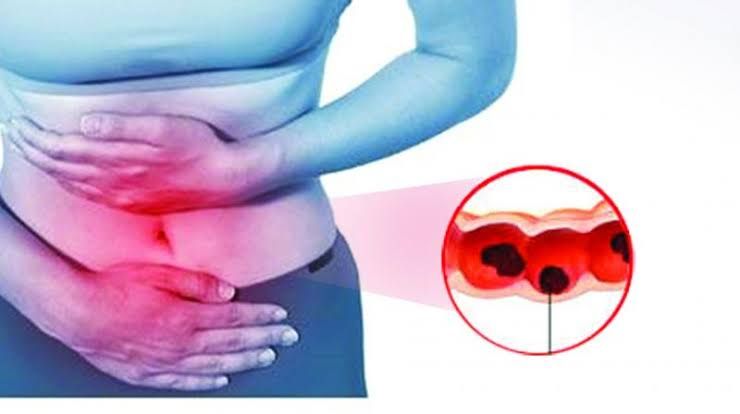
- Abdominal pain: The most frequent symptom, typically chronic, dull, and intermittent. It is often localized to the right iliac fossa (due to ileocecal involvement) or periumbilical region. Pain may worsen after meals.
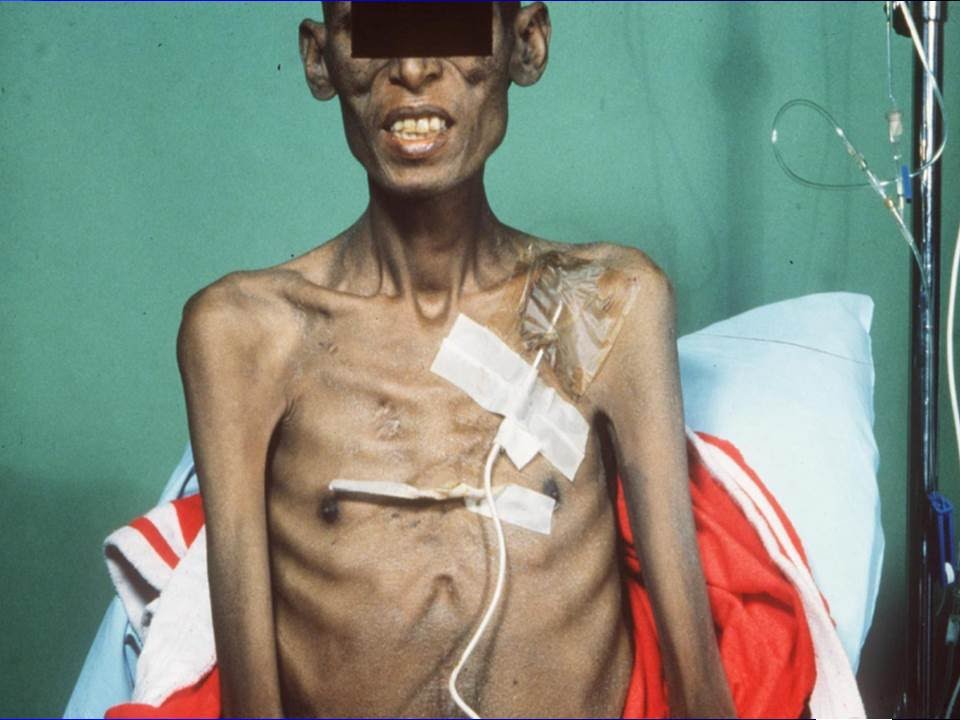
- Weight loss: Significant weight loss is common, even in the absence of severe abdominal symptoms, due to chronic inflammation, malabsorption, and anorexia.
- Fever: Low-grade, persistent fever, often spiking in the evenings, is a classic but not universally present symptom. Night sweats may also occur.
- Anorexia and Nausea: Common, contributing to weight loss. Vomiting may occur, especially in cases with partial intestinal obstruction.
- Changes in Bowel Habit: Diarrhea, constipation, or alternating bowel habits are reported. Diarrhea can be due to malabsorption or mucosal inflammation, while constipation can result from strictures.
- Abdominal mass: A palpable, tender mass, most commonly in the right iliac fossa, may be present due to thickened bowel loops, matted mesenteric lymph nodes, or an abscess.
- Malaise and Fatigue: General constitutional symptoms indicative of chronic illness.
- Anemia: Often present due to chronic inflammation, malabsorption, or intestinal bleeding.
Less common or advanced features include:
- Ascites: Indicating peritoneal involvement, which may present with abdominal distension and fluid thrill.
- Intestinal Obstruction: Manifests with colicky abdominal pain, distension, vomiting, and obstipation, typically caused by stricture formation.
- Perforation: Acute onset of severe abdominal pain, guarding, rigidity, and signs of peritonitis, a life-threatening complication.
- Fistula formation: Abnormal connections between the bowel and other organs (e.g., bladder, skin) or other parts of the bowel, leading to persistent discharge or recurrent infections.
- Rectal bleeding: Less common but can occur with severe ulceration.
The overlap in clinical presentation with Crohn’s disease is particularly challenging, necessitating a high index of suspicion and thorough investigation to differentiate between the two, as their management strategies diverge significantly.
Investigations for Intestinal Tuberculosis
The diagnosis of intestinal tuberculosis requires a multi-modal approach combining clinical suspicion with laboratory, imaging, and endoscopic findings, ideally supported by histological and microbiological confirmation.
- Laboratory Tests:
- Complete Blood Count (CBC): Often reveals anemia of chronic disease. Leukocytosis may be present in acute inflammatory or complicated cases.
- Erythrocyte Sedimentation Rate (ESR) and C-reactive protein (CRP): Usually elevated, indicating systemic inflammation, but are non-specific.
- Liver Function Tests (LFTs): May be deranged if there is hepatic involvement or advanced disease.
- Nutritional markers: Serum albumin, iron studies, and vitamin levels (e.g., Vitamin D, B12) may be low due to malabsorption.
- Tuberculin Skin Test (TST) or Interferon-Gamma Release Assays (IGRAs): These tests detect a host immune response to M. tuberculosis antigens, indicating exposure or latent infection. While useful in ruling out TB in low-prevalence settings (high negative predictive value), a positive test does not confirm active ITB, especially in endemic areas.
- Imaging Studies:
- Abdominal Ultrasound: Can show bowel wall thickening, enlarged mesenteric lymph nodes (often hypoechoic with central necrosis), ascites, and peritoneal thickening.
- Computed Tomography (CT) Abdomen: The preferred initial imaging modality. Key findings include:
- Bowel wall thickening: Most commonly in the ileocecal region, often concentric.
- Mesenteric lymphadenopathy: Enlarged lymph nodes (often >1 cm) with central hypoattenuation (necrosis) and peripheral rim enhancement are highly suggestive.
- Strictures and Dilatation: Pre-stenotic dilatation of bowel loops.
- Ascites: With or without peritoneal thickening or omental caking.
- Pneumoperitoneum: In case of perforation.
- Chest CT: Should be performed to look for concurrent pulmonary tuberculosis, which is present in 15-20% of ITB cases.
- Magnetic Resonance Enterography (MRE): Provides detailed anatomical information, particularly useful for visualizing fistulae, abscesses, and differentiating from Crohn’s disease due to better soft tissue contrast.
- Barium Studies (e.g., Barium Meal Follow-Through): Less commonly used now but can show strictures, ulcers, skip lesions, and a patulous ileocecal valve (“Stierlin’s sign” – rapid emptying of contrast from the ileum to the cecum due to inflammation).
- Endoscopy with Biopsy:
- Colonoscopy with ileoscopy: The gold standard diagnostic procedure. Allows direct visualization of the colonic and terminal ileal mucosa.
- Endoscopic findings: Include transverse ulcers (often circumferential), nodularity, pseudopolyps, strictures, patulous ileocecal valve, and skip lesions. These findings can overlap with Crohn’s disease (Crohn’s typically has longitudinal ulcers, cobblestoning).
- Biopsy: Multiple biopsies (at least 6-8) from affected areas, including ulcer edges and strictures, are crucial for histological and microbiological analysis.
- Histopathology: Presence of epithelioid granulomas with central caseation necrosis is highly suggestive of TB but not pathognomonic (can be seen in some fungal infections or sarcoidosis). Acid-fast bacilli (AFB) can be identified in only a minority (20-30%) of biopsies using Ziehl-Neelsen stain.
- Mycobacterial Culture: Culture of biopsy tissue for M. tuberculosis on Löwenstein-Jensen media or liquid culture systems is the definitive diagnostic test but can take weeks.
- Molecular Tests (e.g., GeneXpert MTB/RIF): Rapid molecular assays on tissue samples or aspirate provide quick detection of M. tuberculosis DNA and simultaneously identify rifampicin resistance mutations. This is highly sensitive and specific.
- Adenosine Deaminase (ADA) levels: Elevated ADA levels in ascitic fluid are indicative of peritoneal tuberculosis but not specific for intestinal involvement.
- Diagnostic Laparoscopy/Laparotomy: In cases where diagnosis remains elusive despite extensive investigations, or for managing complications like obstruction or perforation, surgical exploration may be necessary. Biopsies can be taken directly from affected bowel, lymph nodes, or peritoneum for comprehensive analysis.
Treatment of Intestinal Tuberculosis
The treatment of intestinal tuberculosis primarily involves standard antitubercular therapy (ATT), similar to that used for pulmonary tuberculosis. Prompt initiation of treatment is critical for preventing complications and ensuring a favorable outcome.
- Anti-Tubercular Therapy (ATT):
- Standard Regimen: The recommended regimen typically consists of a multi-drug approach to prevent resistance and ensure efficacy.
- Intensive Phase (2 months): Four drugs are used: Isoniazid (INH), Rifampicin (RIF), Pyrazinamide (PZA), and Ethambutol (ETB).
- Continuation Phase (4-7 months): Reduced to two drugs: Isoniazid (INH) and Rifampicin (RIF).
- Total Duration: The total duration of ATT for uncomplicated ITB is generally 6-9 months. In complicated cases (e.g., extensive disease, associated with HIV, or if there’s extensive fibrosis leading to a stricture that might require surgery later), the duration may be extended to 9-12 months.
- Drug-Resistant TB: If drug resistance is suspected or confirmed (e.g., rifampicin resistance on GeneXpert), a modified regimen tailored to the sensitivity profile is required, often involving second-line anti-TB drugs.
- Monitoring: Patients on ATT require regular monitoring for drug-related side effects, particularly hepatotoxicity (nausea, vomiting, jaundice, elevated LFTs). Visual acuity needs to be monitored for ethambutol, and renal function for pyrazinamide. Adherence to treatment is paramount for successful outcomes and preventing resistance.
- Nutritional Support: Given the high prevalence of malnutrition and malabsorption in ITB patients, nutritional support is crucial. This may include dietary counseling, oral nutritional supplements, or in severe cases, enteral or parenteral nutrition.
- Corticosteroids: While not routinely used, a short course of corticosteroids may be considered in specific situations, such as:
- Severe, symptomatic strictures to reduce inflammation and temporarily relieve obstruction, allowing ATT to work.
- Paradoxical reactions (immune reconstitution inflammatory syndrome) where symptoms worsen despite effective ATT.
- Peritoneal tuberculosis with significant ascites to reduce exudate and adhesions. Corticosteroids should always be initiated after ATT has commenced and under close medical supervision due to the risk of exacerbating infection or masking complications.
- Surgical Intervention: Surgery is generally reserved for complications or when the diagnosis remains uncertain.
- Indications for Surgery:
- Intestinal Obstruction: Especially complete obstruction or failure of medical management of partial obstruction.
- Perforation: A surgical emergency requiring repair and peritoneal lavage.
- Fistula or Abscess: Requiring drainage or resection.
- Mass Mimicking Malignancy: When malignancy cannot be excluded despite extensive investigation.
- Types of Surgery: Resection of the affected bowel segment with primary anastomosis is common. Stricturoplasty may be considered for multiple strictures but is less common than in Crohn’s disease due to the nature of ITB strictures. Anti-tubercular therapy must be continued post-operatively to prevent recurrence.
- Indications for Surgery:
Complications of Intestinal Tuberculosis
Despite effective treatment, intestinal tuberculosis can lead to a range of complications, particularly if diagnosis is delayed or treatment is inadequate. These complications significantly contribute to morbidity and, in severe cases, mortality.
- Intestinal Obstruction: This is the most common and often debilitating complication, occurring in 20-60% of cases. It results from fibrous strictures caused by chronic inflammation and healing, or from hypertrophic thickening of the bowel wall and matted lymph nodes. Symptoms include colicky abdominal pain, abdominal distension, vomiting, and obstipation.
- Intestinal Perforation: A life-threatening complication, occurring in about 5-15% of cases. It results from deep, extensive ulceration of the bowel wall, especially in the setting of acute severe disease, delayed diagnosis, or sometimes due to steroid use without concurrent ATT. It leads to peritonitis, which manifests as acute abdominal pain, guarding, rigidity, and signs of septic shock.
- Fistula Formation: Abnormal tracts can develop between the bowel and other organs (e.g., enterocutaneous, enteroenteric, enterovesical, or enterovaginal fistulas) or to the perineum (perianal fistulas). This occurs due to transmural inflammation and ulceration, and leads to persistent discharge, recurrent infections, or malabsorption.
- Abscess Formation: Intra-abdominal or retroperitoneal abscesses can form due to contained perforation or spread of infection from lymph nodes. These present with localized pain, fever, and a palpable mass.
- Malabsorption and Malnutrition: Extensive involvement of the small intestine, particularly the ileum, can lead to significant malabsorption of nutrients, vitamins (e.g., B12, fat-soluble vitamins), and minerals. This contributes to severe weight loss, anemia, and poor overall health. Surgical resection can further exacerbate malabsorption if the extent of removal is significant (short bowel syndrome).
- Gastrointestinal Bleeding: While not as common as in other inflammatory conditions, significant bleeding can occur from deep ulcerations, typically manifesting as melena or hematochezia.
- Paradoxical Reactions (Immune Reconstitution Inflammatory Syndrome – IRIS): In some patients, particularly those with HIV co-infection or who start ATT with a suppressed immune system, existing lesions may worsen or new lesions may appear after initiating ATT. This is thought to be an exaggerated inflammatory response as the immune system recovers. Management usually involves symptomatic treatment, and sometimes a short course of corticosteroids, while continuing ATT.
- Recurrence: Although rare with adequate treatment, recurrence can occur if ATT is incomplete, non-adherence occurs, or in severely immunocompromised individuals.
- Mortality: While treatable, mortality is higher in patients with complicated disease (e.g., perforation, severe obstruction), delayed diagnosis, or in those with significant comorbidities or immunocompromised states.
In conclusion, intestinal tuberculosis remains a significant health concern, particularly in endemic regions and among immunocompromised populations. Its elusive and non-specific presentation necessitates a high index of suspicion. A comprehensive diagnostic approach involving imaging, endoscopy with biopsy, and molecular testing is crucial for confirmation. Prompt and adequate antitubercular therapy, often combined with nutritional support and occasionally surgery for complications, is key to achieving favorable outcomes and preventing the severe, potentially life-threatening complications associated with this curable disease.
References:
- Sharma, M. P., & Bhatia, V. (2004). Atypical manifestations of tuberculosis. Journal of the Association of Physicians of India, 52, 452-457.
- Makharia, G. K., & Dhingra, N. (2012). Intestinal tuberculosis – An overview. Journal of Clinical Gastroenterology, 46(2), 109-115.
- Pulimood, A. B., Pichaimuthu, A., & Ramakrishna, B. S. (2014). Intestinal Tuberculosis. In: Ramakrishna, B.S., Makharia, G.K. (eds) Textbook of Tropical Gastroenterology. Springer, New Delhi.
- Rathi, P., & Gambhire, P. (2016). Abdominal tuberculosis. Journal of Clinical and Experimental Hepatology, 6(4), 361-369.
- Sheerani, S. J. (2019). Clinical and imaging features of abdominal tuberculosis. Radiology in Practice, 5(2), 52-60.
- Donoghue, H. D., & Taylor, G. M. (2001). Mycobacterium bovis, a human pathogen. Clinical Science, 100(4), 343-346.
- World Health Organization (WHO). (2023). Global Tuberculosis Report 2023. World Health Organization.
- Indian Council of Medical Research (ICMR). (2019). National Guidelines for Tuberculosis Management. Directorate General of Health Services, Ministry of Health & Family Welfare, Government of India.