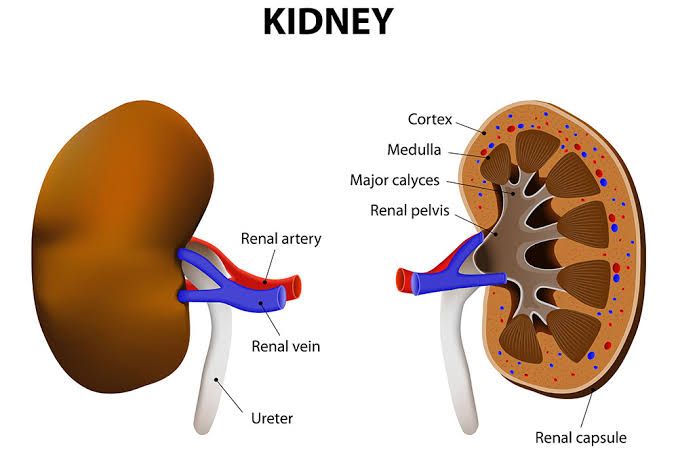
Uremia is a complex and life-threatening clinical syndrome that develops in the final stages of chronic kidney disease (CKD) or in acute kidney injury. It is not simply the presence of high levels of urea in the blood, but rather a constellation of signs and symptoms resulting from the retention of a wide array of waste products, toxins, water, and electrolytes that are normally cleared by healthy kidneys. This systemic intoxication affects virtually every organ system. Understanding the intricate mechanisms, clinical presentation, diagnostic approach, and management strategies is crucial for healthcare professionals.
Understanding the Pathophysiological Mechanisms
The pathophysiology of uremia is multifaceted, stemming from the profound failure of renal function. The kidneys are responsible for excretion, endocrine regulation, and metabolic control. When these functions fail, a cascade of systemic disturbances ensues.
1. Accumulation of Uremic Toxins: The hallmark of uremia is the accumulation of metabolic waste products, collectively known as uremic toxins. Healthy kidneys filter these from the blood and excrete them in urine. When the glomerular filtration rate (GFR) falls below approximately 15 mL/min/1.73m², these substances build up to toxic levels. They are broadly classified based on their molecular weight and protein-binding properties:
- Small Water-Soluble Compounds (<500 Da): This group includes urea and creatinine, which serve as common markers of renal failure. However, other compounds like guanidines are more directly toxic and contribute to neurological symptoms.
- Middle-Molecular-Weight Molecules ( >500 Da): Substances like β2-microglobulin are in this category. Their accumulation is linked to long-term complications such as dialysis-related amyloidosis.
- Protein-Bound Solutes: These are particularly problematic as they are not efficiently cleared by conventional hemodialysis. Examples include indoxyl sulfate and p-cresyl sulfate, which are generated by gut bacteria and contribute to cardiovascular disease, oxidative stress, and the progression of kidney disease itself.
2. Endocrine and Metabolic Dysfunction: The kidneys are vital endocrine organs. Their failure leads to significant hormonal imbalances:
- Erythropoietin (EPO) Deficiency: The kidneys produce EPO, a hormone that stimulates red blood cell production in the bone marrow. In uremia, decreased EPO production leads to severe normocytic, normochromic anemia, which causes fatigue, pallor, and reduced exercise tolerance.
- Impaired Vitamin D Activation: The kidneys perform the final activation step of Vitamin D into its active form, calcitriol (1,25-dihydroxyvitamin D). Lack of calcitriol impairs intestinal calcium absorption, leading to hypocalcemia. This, in turn, stimulates the parathyroid glands to release parathyroid hormone (PTH), causing secondary hyperparathyroidism. Chronically elevated PTH leads to renal osteodystrophy, a painful bone disease characterized by high bone turnover and an increased risk of fractures.
- Insulin Resistance: Uremic toxins can interfere with insulin signaling, leading to glucose intolerance and a state of insulin resistance.
3. Dysregulation of Fluid, Electrolytes, and Acid-Base Balance: The inability to regulate water and solutes is a critical aspect of uremia:
- Volume Overload: Impaired sodium and water excretion leads to an expansion of extracellular fluid volume. This manifests as peripheral edema, pulmonary edema (causing shortness of breath), and severe hypertension.
- Hyperkalemia: The inability to excrete potassium is one of the most immediate life-threatening complications of uremia. Elevated potassium levels (>6.0 mEq/L) can cause fatal cardiac arrhythmias.
- Metabolic Acidosis: The kidneys are responsible for excreting metabolic acids and regenerating bicarbonate. In renal failure, a high-anion-gap metabolic acidosis develops. This contributes to muscle wasting, bone demineralization, and can lead to compensatory deep, rapid breathing (Kussmaul respirations).
Recognizing the Clinical Manifestations
Uremia is a systemic syndrome, and its clinical features reflect the widespread impact of renal failure. Symptoms are often insidious at first but become pronounced as kidney function deteriorates.
- General/Constitutional: Profound fatigue, weakness, malaise, anorexia, nausea, vomiting, and unintentional weight loss.
- Neurological: Uremic encephalopathy is a spectrum of central nervous system dysfunction ranging from mild cognitive impairment, lethargy, and sleep disturbances to confusion, asterixis (a flapping tremor), seizures, and coma. Peripheral neuropathy can also occur, presenting as restless leg syndrome or a “stocking-glove” sensory loss.
- Cardiovascular: Hypertension is nearly universal, driven by volume overload and activation of the renin-angiotensin system. Heart failure, arrhythmias (secondary to hyperkalemia), and pericarditis (inflammation of the sac surrounding the heart) are severe complications. Uremic pericarditis can lead to a life-threatening accumulation of fluid known as pericardial effusion or tamponade.
- Pulmonary: Pulmonary edema from fluid overload (“uremic lung”) causes severe dyspnea (shortness of breath).
- Gastrointestinal: Nausea and vomiting are common. “Uremic fetor,” a distinct ammonia-like or fishy odor on the breath, is caused by the breakdown of urea in saliva. Patients are also at increased risk for gastrointestinal bleeding.
- Hematological: Anemia is a primary feature, causing pallor and fatigue. Platelet dysfunction, another consequence of uremic toxins, leads to an increased tendency for bleeding and bruising.
- Dermatological: Severe pruritus (itching) is a distressing and common symptom. In advanced, untreated cases, “uremic frost” may appear, where high concentrations of urea in sweat crystallize on the skin after evaporation. The skin often has a sallow, yellowish-brown complexion.
- Musculoskeletal: Bone pain, myopathy (muscle weakness), and pathological fractures can result from renal osteodystrophy.
Conducting Investigations for Diagnosis
The diagnosis of uremia is primarily clinical, based on the characteristic signs and symptoms in a patient with severely reduced kidney function. Laboratory and imaging studies are used to confirm the severity, identify complications, and determine the underlying cause.
- Blood Chemistry:
- Serum Creatinine and Blood Urea Nitrogen (BUN): These will be markedly elevated, reflecting poor GFR.
- Estimated Glomerular Filtration Rate (eGFR): This is the key metric. Uremia typically manifests when the eGFR is <15 mL/min/1.73m².
- Electrolytes: Panel will show hyperkalemia, hyperphosphatemia, and often hypocalcemia.
- Arterial/Venous Blood Gas: Will demonstrate a metabolic acidosis with a low serum bicarbonate level.
- Complete Blood Count (CBC): A normocytic, normochromic anemia is expected due to EPO deficiency.
- Electrocardiogram (ECG): Essential to screen for the cardiac effects of hyperkalemia (e.g., peaked T waves, widened QRS complex) and to detect signs of pericarditis.
- Renal Ultrasound: This is a non-invasive imaging modality used to assess the size and structure of the kidneys. In chronic kidney disease, the kidneys are typically small and echogenic. Ultrasound can also rule out an obstructive cause of renal failure.
Implementing Management Strategies
The management of uremia is focused on stabilizing life-threatening complications, replacing lost kidney function, and treating the underlying abnormalities.
1. Immediate Stabilization: The first priority is to address acute, life-threatening issues:
- Hyperkalemia: Managed with intravenous calcium gluconate to stabilize cardiac membranes, followed by measures to shift potassium into cells (insulin and glucose, beta-agonists) and remove it from the body (diuretics, cation-exchange resins, or dialysis).
- Severe Metabolic Acidosis: May require intravenous sodium bicarbonate.
- Pulmonary Edema: Treated with oxygen, vasodilators, and aggressive diuresis or urgent dialysis for fluid removal.
2. Renal Replacement Therapy (RRT): RRT is the definitive treatment for uremia and the cornerstone of management for end-stage renal disease.
- Hemodialysis (HD): The most common form of RRT. Blood is circulated through an external filter (dialyzer or “artificial kidney”) to remove toxins and excess fluid before being returned to the body. This is typically done three times a week for 3-4 hours per session.
- Peritoneal Dialysis (PD): Uses the patient’s own peritoneal membrane in the abdomen as a natural filter. A dialysis solution is instilled into the abdominal cavity, where it dwells for several hours to draw out waste products and fluid, and is then drained.
- Kidney Transplantation: This is the optimal treatment, offering the best quality of life and long-term survival. It involves surgically implanting a healthy kidney from a deceased or living donor. The patient must take lifelong immunosuppressive medications to prevent organ rejection.
3. Conservative and Supportive Care: For patients not yet on dialysis or those who are not candidates for RRT, conservative management aims to slow disease progression and manage symptoms:
- Dietary Management: Protein restriction helps reduce the generation of uremic toxins. Strict control of sodium, potassium, and phosphorus intake is critical.
- Medication Management:
- Phosphate Binders: To control hyperphosphatemia.
- Erythropoiesis-Stimulating Agents (ESAs) and Iron: To treat anemia.
- Active Vitamin D Analogs and Calcimimetics: To manage secondary hyperparathyroidism.
- Antihypertensives: To control blood pressure and reduce cardiovascular risk.
Conclusion
Uremia is the terminal clinical manifestation of kidney failure, a systemic syndrome driven by the retention of toxins and the failure of regulatory functions. Its impact is devastating, affecting every organ system and requiring a comprehensive, multi-disciplinary approach to management. While renal replacement therapies like dialysis and transplantation are life-saving, the ultimate goal in public health is the early detection and management of chronic kidney disease to prevent or delay the onset of this debilitating syndrome.
References
- Meyer, T. W., & Hostetter, T. H. (2007). Uremia. New England Journal of Medicine, 357(13), 1316-1325.
- Vanholder, R., De Smet, R., Glorieux, G., Argilés, A., Baurmeister, U., Brunet, P., … & European Uremic Toxin Work Group (EUTox). (2003). Review on uremic toxins: classification, concentration, and interindividual variability. Kidney international, 63(5), 1934-1943.
- National Kidney Foundation. (2012). KDOQI Clinical Practice Guideline for Anemia in Chronic Kidney Disease. American Journal of Kidney Diseases, 60(5), 821-835.
- Brenner, B. M., & Rector, F. C. (2020). Brenner & Rector’s The Kidney (11th ed.). Elsevier. (Chapter 60: Uremic Syndrome).