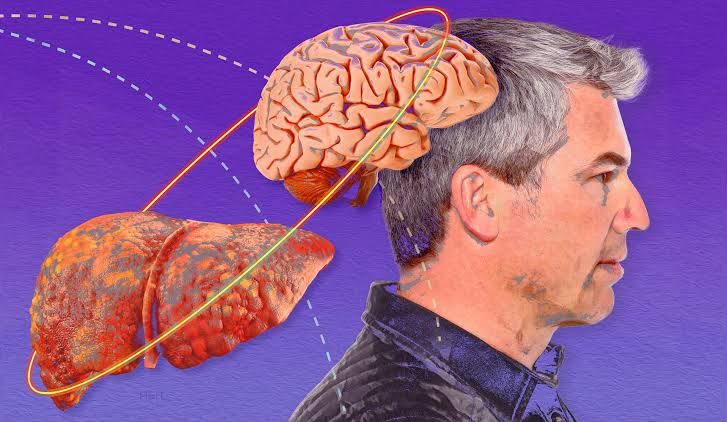
Hepatic encephalopathy (HE) is a brain dysfunction caused by liver insufficiency and/or portosystemic shunting, leading to a wide range of neurological or psychiatric abnormalities. It is a major complication of chronic liver disease, particularly cirrhosis, and can also occur in acute liver failure. The pathogenesis is complex, involving the accumulation of neurotoxins, primarily ammonia, which the damaged liver fails to metabolize, along with systemic inflammation and altered neurotransmission.
Grading System for Hepatic Encephalopathy
The severity of HE is typically categorized using standardized clinical criteria. The most widely accepted framework is the West Haven Criteria (WHC), which classifies HE into five grades based on the level of consciousness, intellectual function, and behavior. This system is essential for guiding treatment decisions and assessing prognosis.
- Grade 0 (Minimal Hepatic Encephalopathy – MHE): Patients exhibit no overt clinical signs or symptoms of HE but may have detectable cognitive deficits on psychometric or neurophysiological tests. These deficits can affect attention, psychomotor speed, and executive function, impacting daily activities like driving or medication adherence. MHE is often a precursor to overt HE.
- Grade 1 (Mild Hepatic Encephalopathy): Characterized by subtle changes in behavior, mood, or sleep patterns. Symptoms may include a shortened attention span, mild confusion, irritability, anxiety, or insomnia/hypersomnia. Asterixis (flapping tremor) may be present but is often intermittent. Patients can still perform most activities of daily living.
- Grade 2 (Moderate Hepatic Encephalopathy): More pronounced neurological symptoms emerge. Patients are typically lethargic or apathetic, with definite disorientation regarding time and place. Speech may be slurred, and personality changes are more evident. Asterixis is usually present and more consistent. Patients require assistance with activities of daily living.
- Grade 3 (Severe Hepatic Encephalopathy): Marked by significant confusion and stupor. Patients are barely rousable, responding only to noxious stimuli. They are often disoriented to person, place, and time, and speech is incomprehensible or absent. Asterixis may be difficult to elicit due to the depth of encephalopathy, or it may be masked by rigidity. Significant neurological deficits requiring close monitoring are present.
- Grade 4 (Coma): The most severe form, characterized by unresponsiveness to any stimuli, including painful ones. Patients are in a comatose state, with or without decerebrate posturing. Deep tendon reflexes may be diminished or absent. This stage indicates critical brain dysfunction and carries a high mortality risk.
While the WHC is the clinical gold standard, other scales like the Glasgow Coma Scale (GCS) can be used for general neurological assessment, particularly in acute settings. The Child-Pugh score and MELD (Model for End-Stage Liver Disease) score provide an assessment of overall liver function and prognosis, indirectly reflecting the risk of HE.
Etiology of Hepatic Encephalopathy
The primary pathophysiological mechanism underlying HE is the failure of the liver to detoxify harmful substances, particularly ammonia, which then accumulate in the systemic circulation and cross the blood-brain barrier. These neurotoxins disrupt normal brain function. While chronic liver disease (most commonly cirrhosis of any etiology—viral hepatitis, alcoholic liver disease, non-alcoholic fatty liver disease (NAFLD), autoimmune hepatitis) is the underlying cause, HE episodes are often precipitated by specific factors.
Primary Underlying Conditions:
- Cirrhosis: The most common cause. The diseased liver loses its capacity for metabolic detoxification, and portal hypertension leads to the formation of portosystemic shunts, allowing blood from the gut to bypass the liver and deliver toxins directly to the systemic circulation and brain.
- Acute Liver Failure (ALF): Rapid onset of severe liver dysfunction without pre-existing liver disease. In ALF, cerebral edema due to widespread inflammation and astrocyte swelling secondary to ammonia toxicity is a significant and life-threatening complication.
- Portosystemic Shunts: Created surgically (e.g., Transjugular Intrahepatic Portosystemic Shunt – TIPS) or occurring naturally, these shunts divert portal blood away from the liver, contributing to increased neurotoxin bypass.
Precipitating Factors (Triggers for Overt HE in Susceptible Individuals):
- Gastrointestinal Bleeding: Blood in the gut is a significant protein load that, when digested by gut bacteria, produces large amounts of ammonia and other nitrogenous compounds.
- Infection: Systemic infections (e.g., spontaneous bacterial peritonitis (SBP), pneumonia, urinary tract infections, sepsis) induce a systemic inflammatory response, which can exacerbate brain edema and neuroinflammation, contributing to HE.
- Electrolyte Imbalances:
- Hypokalemia: Often caused by diuretic use, it leads to increased renal ammonia production and impaired renal ammonia excretion.
- Hyponatremia: Can cause cerebral edema and neurological dysfunction.
- Diuretic Overuse/Dehydration: Excessive fluid loss can lead to hypovolemia, impair renal perfusion, and concentrate toxins.
- Constipation: Prolonged transit time of colonic contents allows for greater bacterial production and absorption of ammonia.
- High Dietary Protein Intake: While often less significant than other factors, excessive protein intake can transiently increase ammonia production.
- Sedatives, Hypnotics, or Narcotics: Medications metabolized by the liver, or those with central nervous system depressant effects, can worsen HE symptoms or precipitate an episode.
- Renal Failure: Impaired renal function reduces the kidney’s ability to excrete ammonia and other toxins.
- TIPS Procedure: While beneficial for managing portal hypertension, TIPS can paradoxically precipitate or worsen HE due to increased portosystemic shunting.
- Alcohol Consumption: Acute alcohol intake can directly impair liver function and brain metabolism.
The accumulation of ammonia is central, leading to astrocyte swelling, oxidative stress, and altered neurotransmission (e.g., changes in GABAergic and glutamatergic systems). Systemic inflammation further exacerbates these neurotoxic effects.
Diagnostic Approach to Hepatic Encephalopathy
Diagnosing HE is primarily a clinical process, often involving a diagnosis of exclusion. It requires a thorough history, physical examination, and careful consideration of other conditions that can mimic HE.
A. Clinical Assessment:
- History: Elicit a history of liver disease, previous HE episodes, medication use (including over-the-counter drugs, herbal supplements, sedatives), recent changes in diet, alcohol intake, or bowel habits. Inquire about symptoms like confusion, disorientation, behavioral changes, sleep disturbances, or motor abnormalities from the patient or caregivers.
- Physical Examination:
- Neurological Examination: Assess level of consciousness (using WHC or GCS), orientation (time, place, person), attention, memory, and speech. Look for asterixis (flapping tremor, typically in outstretched hands), hyperreflexia, muscle rigidity, or clonus.
- General Examination: Look for stigmata of chronic liver disease (jaundice, ascites, spider angiomata, palmar erythema), signs of dehydration, or infection.
- Psychometric/Neurophysiological Tests (for Minimal HE):
- Psychometric Hepatic Encephalopathy Score (PHES): A battery of paper-and-pencil tests assessing psychomotor speed and attention (e.g., Number Connection Test, Digit Symbol Test).
- Critical Flicker Frequency (CFF): Measures the threshold at which a flickering light appears continuous, sensitive to early brain changes.
- These tests are not used for overt HE but are valuable for diagnosing MHE.
B. Exclusion of Other Causes:
This is a critical step, as many conditions can present with altered mental status.
- Metabolic Encephalopathies: Hypoglycemia, hypo/hypernatremia, uremia, thyrotoxicosis, Addisonian crisis.
- Structural Brain Lesions: Intracranial hemorrhage (subdural, epidural), stroke, brain tumor, brain abscess. Requires neuroimaging.
- Infections: Meningitis, encephalitis, intracranial abscess, sepsis (can also precipitate HE). Requires lumbar puncture (LP) if meningitis/encephalitis is suspected.
- Drug-Induced Encephalopathy/Intoxication: Alcohol intoxication/withdrawal, sedative overdose, illicit drug use. Requires toxicology screen.
- Wernicke’s Encephalopathy: Due to thiamine deficiency, especially in alcoholics.
- Seizure Disorder: Non-convulsive status epilepticus.
C. Laboratory Investigations:
- Ammonia Levels (Arterial or Venous): While elevated ammonia is a hallmark of HE, it is not perfectly correlated with the severity of symptoms, and some patients with HE may have normal levels. Ammonia levels are useful for supporting the diagnosis, monitoring treatment response, and assessing prognosis, but they must be interpreted cautiously, considering pre-analytical factors (e.g., rapid transport on ice).
- Liver Function Tests (LFTs): Bilirubin, AST, ALT, alkaline phosphatase, GGT. Provide insight into the severity and nature of liver dysfunction.
- Coagulation Profile: Prothrombin time (PT) and International Normalized Ratio (INR) are markers of liver synthetic function and severity.
- Electrolytes (Na, K, Cl, HCO3), BUN, Creatinine: To identify electrolyte imbalances or renal dysfunction contributing to HE.
- Blood Glucose: To rule out hypoglycemia or hyperglycemia.
- Complete Blood Count (CBC): To check for anemia (e.g., from GI bleed) or signs of infection (leukocytosis).
- Blood Cultures: If infection is suspected.
- Urinalysis and Urine Culture: To rule out urinary tract infection.
- Arterial Blood Gas (ABG): To assess acid-base status and oxygenation.
D. Imaging Studies:
- Brain CT/MRI: Essential to rule out intracranial hemorrhage, stroke, tumor, or cerebral edema, especially in patients with focal neurological deficits, head trauma, or rapidly worsening HE that is unresponsive to initial therapy.
- Abdominal Ultrasound/CT/MRI: To assess the liver morphology (cirrhosis), presence of ascites, portal vein patency, and identify portosystemic shunts.
The diagnosis of HE is confirmed when an individual with known liver disease presents with characteristic neurological symptoms after other causes of altered mental status have been excluded.
Management of Hepatic Encephalopathy
The management of HE involves a multi-pronged approach: identifying and treating precipitating factors, reducing the production and absorption of neurotoxins, and providing supportive care.
A. General Principles and Supportive Care:
- Airway Protection: For patients with severe HE (Grade 3-4), securing the airway via endotracheal intubation may be necessary to prevent aspiration, especially if the Glasgow Coma Scale (GCS) score is low.
- Hemodynamic Support: Maintain adequate blood pressure and perfusion.
- Nutritional Support: Ensure adequate caloric intake. While historically protein restriction was advised, current guidelines recommend maintaining adequate protein intake (1.0-1.5 g/kg/day) as malnutrition can worsen liver disease; plant-based proteins or branched-chain amino acids (BCAAs) may be considered, though BCAAs are not routinely recommended.
- Fluid and Electrolyte Management: Correct any imbalances, particularly hypokalemia and hyponatremia.
B. Identify and Treat Precipitating Factors:
This is the most crucial initial step in acute HE.
- Gastrointestinal Bleeding: Identify the source (e.g., variceal bleed) and perform endoscopic intervention (banding, sclerosis) as needed. Transfuse blood products to maintain hemodynamic stability.
- Infection: Promptly diagnose and treat infections with appropriate antibiotics. Empiric broad-spectrum antibiotics are often initiated while awaiting culture results.
- Electrolyte Imbalances: Replace potassium for hypokalemia, and manage hyponatremia carefully to avoid rapid correction.
- Diuretic Overuse/Dehydration: Adjust diuretic dosage and rehydrate the patient cautiously.
- Constipation: Relieve constipation promptly.
- Medication Review: Discontinue any sedating medications (benzodiazepines, opioids) or other drugs that could worsen HE.
- Renal Failure: Address underlying causes of renal impairment.
C. Pharmacological Management:
The cornerstone of HE treatment involves agents that reduce gut-derived ammonia.
- Lactulose:
- Mechanism: A non-absorbable disaccharide. In the colon, it is metabolized by bacteria into lactic acid and acetic acid, lowering the colonic pH. This acidic environment converts ammonia (NH3) to ammonium (NH4+), which is poorly absorbed and trapped in the colon, leading to its excretion in feces. It also has a laxative effect, promoting bowel movements and expelling nitrogenous waste.
- Dosing: For acute HE, an initial dose of 30-45 mL orally or via nasogastric tube every 1-2 hours until a bowel movement occurs. Then, the dose is titrated to achieve 2-3 soft bowel movements per day. For patients unable to take oral medication, lactulose enemas (300 mL mixed with 700 mL water) can be administered and retained for 30-60 minutes, repeated every 4-6 hours.
- Side Effects: Abdominal cramping, bloating, flatulence, diarrhea, dehydration, and electrolyte disturbances (especially hypernatremia if excessive fluid loss occurs).
- Rifaximin:
- Mechanism: A non-absorbable antibiotic that selectively targets gut bacteria, reducing their ability to produce ammonia and other toxins. It also possesses anti-inflammatory properties.
- Dosing: Typically 550 mg orally twice daily.
- Role: Often used in conjunction with lactulose, especially for patients with recurrent HE or those who do not respond adequately to lactulose alone. It has been shown to be superior to lactulose monotherapy in preventing HE recurrence in some studies and is also effective as monotherapy.
- Side Effects: Generally well-tolerated, with minimal systemic absorption. Potential side effects include nausea, peripheral edema, and dizziness.
- Other Antibiotics (Less Common/Specific Use):
- Metronidazole: Can be used briefly but has concerns about neurotoxicity with prolonged use.
- Neomycin: Effective but carries a risk of ototoxicity and nephrotoxicity due to systemic absorption, limiting its long-term use.
- These are generally considered second-line to rifaximin due to their side effect profiles.
- L-Ornithine L-Aspartate (LOLA):
- Mechanism: Involved in the urea cycle (ornithine) and glutamine synthesis (aspartate), aiding in ammonia detoxification.
- Availability: Available orally and intravenously in some regions.
- Role: Used as an adjunct therapy in some countries, but its efficacy as a primary agent is less established than lactulose and rifaximin.
D. Liver Transplantation:
- For patients with recurrent, severe, or refractory HE despite maximal medical therapy, and who have end-stage liver disease, liver transplantation is the definitive treatment. It resolves the underlying liver dysfunction, thereby eliminating the source of neurotoxins.
Prevention of Hepatic Encephalopathy
Prevention strategies focus on avoiding precipitating factors and long-term pharmacological management in individuals with chronic liver disease, especially those who have experienced previous HE episodes.
A. Primary Prevention (for patients with liver disease who have not yet had overt HE):
- Address Underlying Liver Disease: Optimal management of the underlying cause of liver disease (e.g., antiviral therapy for hepatitis B/C, abstinence for alcoholic liver disease, lifestyle modification for NAFLD) can prevent progression to liver failure.
- Avoid Precipitating Factors:
- Regular Bowel Movements: Educate patients about preventing constipation through adequate fluid intake and fiber.
- Prompt Treatment of Infections: Early detection and treatment of any infection are crucial.
- Cautious Use of Medications: Avoid or carefully monitor sedatives, hypnotics, and narcotics. Educate patients about potential drug interactions.
- Electrolyte Monitoring: Regularly check serum electrolytes, especially in patients on diuretics.
- Dietary Counseling: While not strictly restrictive, provide guidance on a balanced diet.
- Early Detection and Management of Minimal HE (MHE):
- Screening for MHE can be considered in patients at high risk (e.g., those awaiting liver transplantation or with a history of recurrent falls).
- Treatment of MHE with lactulose or rifaximin can improve neurocognitive function and potentially prevent progression to overt HE.
B. Secondary Prevention (for patients who have experienced an episode of overt HE):
- Long-Term Pharmacological Therapy:
- Lactulose: Continuous daily use is the cornerstone of secondary prevention. Patients should be educated on titrating the dose to achieve 2-3 soft bowel movements per day, preventing constipation, and recognizing side effects. Adherence is critical.
- Rifaximin: Often added to lactulose, or used as monotherapy if lactulose is not tolerated. Rifaximin significantly reduces the risk of HE recurrence and rehospitalization. It is particularly recommended for patients with recurrent HE episodes.
- Dietary Management:
- Maintain adequate protein intake (1.0-1.5 g/kg/day) from a variety of sources. Protein restriction is generally not recommended for long-term management as it can worsen malnutrition. Plant-based proteins may be better tolerated than animal proteins in some individuals.
- Regular Monitoring:
- Monitor mental status and neurological symptoms regularly.
- Monitor for side effects of medications.
- Address any new or recurrent precipitating factors promptly.
- Consideration for TIPS Revision/Embolization: If HE is consistently attributed to a large portosystemic shunt (especially after a TIPS procedure) and is refractory to medical management, shunt reduction or embolization may be considered, though this carries its own risks.
- Patient and Caregiver Education: Empower patients and their caregivers to recognize early signs of HE, understand the importance of medication adherence, and seek timely medical attention for any change in mental status or potential precipitating factors.
Conclusion
Hepatic encephalopathy is a challenging yet manageable complication of liver disease. A comprehensive understanding of its grading, diverse etiologies, structured diagnostic approach, multifaceted management strategies, and diligent prevention measures is paramount for optimizing patient outcomes. Through a collaborative effort between healthcare providers, patients, and caregivers, the burden of HE can be significantly mitigated, improving the quality of life for individuals living with liver disease.
References
- Vilstrup, H., Amodio, P., Bajaj, J., Cordoba, J., Ferreira, J. C., Mullen, K. D., … & American Association for the Study of Liver Diseases. (2014). Hepatic encephalopathy in chronic liver disease: 2014 Practice Guideline by the American Association for the Study of Liver Diseases and the European Association for the Study of the Liver. Hepatology, 60(2), 715-735.
- Bajaj, J. S. (2010). Review article: the modern management of hepatic encephalopathy. Alimentary Pharmacology & Therapeutics, 31(6), 537-547.
- Wong, F., & Nadim, M. K. (2025). Hepatic encephalopathy: Diagnosis and treatment. Current Opinion in Critical Care, 31(2), 163-169.
- Cordoba, J. (2015). New treatments for hepatic encephalopathy. Journal of Hepatology, 62(1 Suppl), S220-S232.
- Poordad, F., Mullen, K. D., & Bajaj, J. S. (2020). Hepatic encephalopathy. Gastroenterology, 158(1), 163-176.
- Ferenci, P., Lockwood, A., Mullen, K., Tarter, R., Weissenborn, K., & Blei, A. T. (2002). Hepatic encephalopathy—definition, nomenclature, diagnosis, and quantification: final report of an AASLD/EASL consensus meeting in Vienna. Hepatology, 35(3), 716-721.