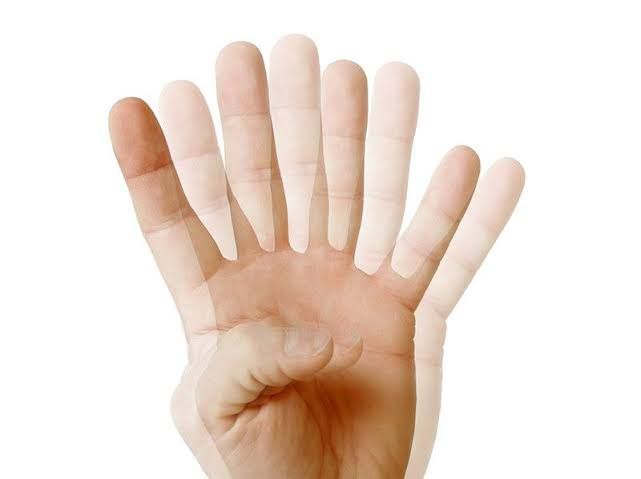
Diplopia, commonly known as double vision, is a debilitating symptom that can arise from a wide array of underlying conditions affecting the visual pathways, extraocular muscles, or neurological control systems. Its proper diagnosis requires a systematic approach, differentiating between monocular and binocular forms, and subsequently investigating the specific causes of ocular misalignment.
Differential Diagnosis and Causes of Diplopia
Diplopia is the perception of two images of a single object. It is crucial to distinguish between monocular and binocular diplopia, as their etiologies differ significantly.
1. Monocular Diplopia Monocular diplopia persists when one eye is covered. It typically indicates an optical aberration within the affected eye itself rather than a misalignment between the two eyes.
- Refractive Errors: Uncorrected astigmatism, especially irregular astigmatism, can cause light to focus on multiple points on the retina.
- Cataracts: Opacities in the lens can scatter light, leading to distorted or double vision.
- Corneal Irregularities: Conditions like keratoconus (conical shape of the cornea), corneal scars, or pterygium can alter the refractive surface of the eye.
- Iris Abnormalities: Polycoria (multiple pupils) or iris coloboma can allow light to enter the eye through multiple apertures.
- Retinal Disorders: Macular edema or epiretinal membranes can distort the retinal surface, leading to image duplication.
- Dry Eye Syndrome: Severe dry eye can cause an irregular tear film, leading to transient monocular diplopia.
- Hysterical/Malingering: In rare cases, monocular diplopia may be psychogenic.
2. Binocular Diplopia Binocular diplopia resolves when either eye is covered. It strongly suggests a misalignment of the visual axes of the two eyes (strabismus or squint), preventing the brain from fusing the two images into a single perception. This misalignment can arise from various causes:
- Neurological Causes:
- Cranial Nerve Palsies (III, IV, VI): The most common causes of acute binocular diplopia. These nerves innervate the extraocular muscles; their dysfunction leads to specific patterns of ocular deviation.
- Myasthenia Gravis: An autoimmune neuromuscular disorder causing fluctuating weakness of skeletal muscles, including extraocular muscles. Diplopia often worsens with fatigue.
- Multiple Sclerosis (MS): Demyelination in the brainstem or cerebellum can affect pathways controlling eye movements, causing internuclear ophthalmoplegia or other oculomotor deficits.
- Brainstem Lesions: Strokes, tumors, or inflammation in the brainstem can disrupt the neural pathways for eye movements.
- Guillain-Barré Syndrome (GBS): An acute demyelinating polyneuropathy that can involve cranial nerves.
- Miller Fisher Syndrome: A variant of GBS characterized by ophthalmoplegia, ataxia, and areflexia.
- Orbital Causes:
- Thyroid Eye Disease (Graves’ Ophthalmopathy): Autoimmune inflammation and enlargement of extraocular muscles, most commonly the inferior and medial recti, leading to restrictive strabismus.
- Orbital Tumors/Pseudotumor: Space-occupying lesions or inflammatory processes within the orbit can restrict eye movement or compress nerves.
- Orbital Cellulitis: Infection of the orbital tissues can restrict eye movement due to inflammation and edema.
- Orbital Trauma: Blowout fractures can entrap extraocular muscles (e.g., inferior rectus in an orbital floor fracture), leading to mechanical restriction.
- Muscular Causes:
- Muscular Dystrophies: Progressive muscular weakness can affect extraocular muscles.
- Chronic Progressive External Ophthalmoplegia (CPEO): A mitochondrial disorder leading to slowly progressive paralysis of extraocular muscles.
- Mechanical Causes:
- Post-Surgical Scarring: Following strabismus surgery or other orbital procedures, scar tissue can restrict eye movement.
- Scleral Buckle: Used in retinal detachment surgery, a scleral buckle can sometimes restrict eye movement.
- Systemic Diseases:
- Diabetes Mellitus: Microvascular ischemia is a common cause of isolated cranial nerve palsies, often affecting CN III, IV, or VI.
- Hypertension: Can also lead to microvascular ischemic nerve damage.
- Aneurysms: Posterior communicating artery aneurysms are notorious for compressing the third cranial nerve.
Definition of Incomitant Squint
Squint (Strabismus) refers to a condition where the eyes do not align properly and point in different directions. The deviation can be constant or intermittent.
Incomitant Squint (also known as non-concomitant strabismus) is a type of squint where the angle of deviation varies with the direction of gaze. This means the amount of misalignment changes depending on which way the patient is looking.
Key characteristics of incomitant squint include:
- Variable Deviation: The magnitude of the deviation is different in various fields of gaze. For example, a patient with a lateral rectus palsy (6th nerve palsy) will have a greater esodeviation (eye turned inward) when attempting to gaze towards the affected side.
- Often Paralytic or Restrictive: Incomitant squints are typically caused by:
- Paralysis or Paresis: Weakness or complete paralysis of one or more extraocular muscles, usually due to a cranial nerve palsy (III, IV, VI).
- Restriction: Physical limitation of eye movement due to mechanical factors (e.g., muscle entrapment in a fracture, orbital tumor, severe thyroid eye disease, post-surgical scarring).
- Associated with Diplopia: Due to the varying misalignment, the brain struggles to fuse the images, almost always resulting in binocular diplopia.
- Compensatory Head Posture: Patients often adopt a specific head posture (e.g., head turn, chin up/down, head tilt) to move their eyes into a field of gaze where their diplopia is minimized or resolved.
In contrast, a concomitant squint has a constant angle of deviation in all directions of gaze, meaning the misalignment is the same regardless of where the patient looks. Concomitant squints are typically non-paralytic and often related to refractive errors or early developmental issues. The presence of incomitancy is a crucial diagnostic clue pointing towards neurological, muscular, or orbital pathology.
Etiology, Clinical Features, Investigation, and Management of 3rd Nerve Palsy (Oculomotor Nerve)
The third cranial nerve (oculomotor nerve) innervates the superior rectus, inferior rectus, medial rectus, inferior oblique muscles, levator palpebrae superioris (causing eyelid elevation), and provides parasympathetic fibers to the pupillary sphincter and ciliary muscle.
1. Etiology:
- Ischemic (Microvascular): Most common cause in adults (40-60%). Often associated with diabetes mellitus, hypertension, and atherosclerosis. Typically “pupil-sparing” as the relatively unprotected parasympathetic fibers on the superficial aspect of the nerve are spared (though not absolute).
- Compression:
- Posterior Communicating Artery (PCOM) Aneurysm: A critical cause, typically “pupil-involving” due to compression of the superficial parasympathetic fibers. Aneurysms account for a significant portion of isolated pupil-involving CN III palsies.
- Tumors: Pituitary adenoma, meningioma, or other intracranial masses compressing the nerve.
- Uncal Herniation: Due to increased intracranial pressure, the uncus of the temporal lobe can compress the nerve against the tentorium cerebelli.
- Trauma: Head injury can damage the nerve.
- Inflammation/Infection: Meningitis, vasculitis (e.g., giant cell arteritis), sarcoidosis, syphilis (rare).
- Congenital: Present from birth.
- Idiopathic: No identifiable cause.
2. Clinical Features: A complete 3rd nerve palsy presents with a characteristic triad:
- Ptosis: Complete drooping of the eyelid due to paralysis of the levator palpebrae superioris.
- Eye Deviation: “Down and Out”:
- Out (Abduction): Due to unopposed action of the lateral rectus (CN VI).
- Down (Depression): Due to unopposed action of the superior oblique (CN IV).
- The eye cannot adduct (medial rectus), elevate (superior/inferior recti), or depress (inferior rectus) effectively.
- Pupillary Involvement (Mydriasis and Non-reactive):
- The pupil is dilated (mydriasis) and poorly or non-reactive to light and accommodation due to paralysis of the pupillary sphincter. Pupillary involvement is a critical sign, highly suggestive of a compressive lesion (e.g., aneurysm) and requires urgent investigation.
- Accommodation Paralysis: Inability to focus on near objects.
- Diplopia: Severe, often vertical and horizontal, in all directions of gaze, except possibly when looking down and out.
3. Investigation:
- Detailed History and Ocular Examination: Assess pupil size, reactivity, degree of ptosis, and full range of extraocular movements. Differentiating pupil-sparing from pupil-involving is paramount.
- Neuroimaging:
- MRI/MRA Brain and Angiography (CT Angiography): Mandatory for pupil-involving 3rd nerve palsies to rule out a posterior communicating artery aneurysm or other compressive lesions. It is also advised for pupil-sparing palsies if risk factors for aneurysm are present, or if there’s no resolution within 3 months, or if other neurological signs develop.
- Blood Tests:
- Glucose/HbA1c: To check for diabetes.
- ESR/CRP: To screen for inflammatory conditions like giant cell arteritis (especially in elderly patients with associated symptoms like headache, jaw claudication, or scalp tenderness).
- Thyroid Function Tests: To rule out thyroid eye disease in atypical presentations.
- Acetylcholine Receptor Antibodies: If myasthenia gravis is suspected.
- Lumbar Puncture: Rarely indicated, only if infectious or inflammatory meningitis is suspected.
4. Management:
- Address Underlying Cause:
- Aneurysm: Neurosurgical intervention (clipping or coiling) is urgent for pupil-involving cases.
- Ischemic: Conservative management, observation for spontaneous recovery (usually within 3-6 months), and control of underlying risk factors (diabetes, hypertension).
- Tumor: Surgical removal, radiotherapy, or chemotherapy.
- Inflammatory/Infectious: Appropriate medical treatment.
- Symptomatic Management of Diplopia and Ptosis:
- Patching: Covering one eye to eliminate diplopia, especially in the acute phase.
- Prisms: Can be used to align images if there is partial recovery and stable deviation, though often difficult with large, variable deviations.
- Strabismus Surgery: Performed once the deviation has stabilized (usually after 6-12 months). Aims to improve ocular alignment in primary gaze and reading position, or expand the field of single vision.
- Ptosis Repair: Surgical correction of ptosis can be considered once the ocular deviation is stable or managed.
Etiology, Clinical Features, Investigation, and Management of 4th Nerve Palsy (Trochlear Nerve)
The fourth cranial nerve (trochlear nerve) is unique in that it is the smallest cranial nerve, has the longest intracranial course, and is the only one to emerge from the dorsal aspect of the brainstem and decussates (crosses over). It innervates a single muscle: the superior oblique. The superior oblique depresses the eye, especially in adduction, and intorts (rotates inward) the eye.
1. Etiology:
- Trauma: The most common cause of isolated CN IV palsy, often due to head injury. The nerve’s long, slender course and decussation make it vulnerable to shearing forces.
- Congenital: Many isolated 4th nerve palsies are congenital but may decompensate and become symptomatic later in life. Often characterized by a large vertical fusional amplitude and a history of a compensatory head tilt since childhood.
- Ischemic (Microvascular): Associated with diabetes and hypertension; spontaneous recovery is common.
- Tumors: Rare, but can involve the brainstem, tentorium, or cavernous sinus.
- Idiopathic: A significant proportion of cases have no identifiable cause.
2. Clinical Features:
- Hypertropia: The affected eye is higher than the unaffected eye (due to weakness of the superior oblique, leading to unopposed action of the inferior oblique and superior rectus).
- Diplopia: Vertical and torsional diplopia, typically worse on downward gaze (e.g., reading, going downstairs) and when looking towards the contralateral side (due to the superior oblique being maximally active when the eye is adducted).
- Compensatory Head Tilt: The patient tilts their head to the opposite (unaffected) shoulder. This maneuver intorts the unaffected eye and extorts the affected eye, minimizing the torsional diplopia and aligning the vertical images.
- Bielschowsky’s Head Tilt Test (Diagnostic): When the head is tilted towards the shoulder of the paretic (affected) eye, the hypertropia of the affected eye increases. This is because the paretic superior oblique cannot intort the eye, while the intact antagonist (inferior oblique) causes extorsion and elevation.
3. Investigation:
- Detailed History and Ocular Examination: Confirming the diagnostic head tilt and Bielschowsky’s test is crucial. Look for signs of chronicity (e.g., facial asymmetry from long-standing head tilt).
- Blood Tests:
- Glucose/HbA1c: To rule out diabetes, especially in older patients.
- ESR/CRP: If vasculitis is suspected in older patients.
- Neuroimaging (MRI Brain): Recommended for all non-traumatic, non-ischemic, or atypical cases. Also indicated if there is no improvement after 3-6 months of observation, or if other neurological signs are present.
4. Management:
- Address Underlying Cause: If a specific etiology (e.g., tumor) is identified.
- Observation: For ischemic or idiopathic cases, spontaneous resolution often occurs within 3-6 months.
- Prisms: Fresnel prisms (temporary) or ground-in prisms (permanent) can be incorporated into spectacles to correct the vertical and torsional diplopia, especially for small, stable deviations.
- Strabismus Surgery: Considered for persistent, symptomatic deviations after 6-12 months of observation. Aims to restore single binocular vision in primary gaze and improve the field of single vision. Procedures often involve weakening the ipsilateral inferior oblique or strengthening the superior oblique.
Etiology, Clinical Features, Investigation, and Management of 6th Nerve Palsy (Abducens Nerve)
The sixth cranial nerve (abducens nerve) innervates a single muscle: the lateral rectus. The lateral rectus is responsible for abducting (moving outward) the eye. The nerve has a long course, making it vulnerable to various pathologies.
1. Etiology:
- Ischemic (Microvascular): The most common cause in adults (30-40%), particularly in those with diabetes mellitus, hypertension, or atherosclerosis. Usually resolves spontaneously.
- Increased Intracranial Pressure (ICP): A common “false localizing sign.” Elevated ICP (e.g., hydrocephalus, pseudotumor cerebri, brain tumors) can stretch or compress the abducens nerve as it crosses the petrous apex, leading to unilateral or bilateral 6th nerve palsy.
- Trauma: Head trauma, especially involving skull base fractures, can damage the nerve.
- Tumors: Brainstem tumors (e.g., pontine glioma), clivus tumors, nasopharyngeal carcinoma, meningiomas, acoustic neuromas.
- Inflammation/Infection: Meningitis, sarcoidosis, vasculitis, syphilis, Lyme disease.
- Idiopathic: A significant number of cases have no identifiable cause.
- Congenital: Present from birth.
2. Clinical Features:
- Esotropia: The affected eye turns inward (converges) in primary gaze due to unopposed action of the medial rectus.
- Diplopia: Horizontal diplopia, worse on ipsilateral gaze (when attempting to look towards the affected side). The two images are side-by-side.
- Limited Abduction: The affected eye cannot move fully outwards.
- Compensatory Face Turn: Patients often turn their face towards the affected side to keep their eyes in the field of gaze where they have single vision (i.e., looking away from the paretic lateral rectus activity).
3. Investigation:
- Detailed History and Ocular Examination: Assess the degree of esotropia in primary gaze and the limitation of abduction on ipsilateral gaze.
- Neuroimaging (MRI Brain with Gadolinium): Essential for most cases, especially if atypical, bilateral, associated with other neurological signs, or no recovery after 3 months. Look for evidence of increased ICP, tumors, or inflammatory lesions. MRI is preferred over CT for posterior fossa evaluation.
- Blood Tests:
- Glucose/HbA1c: To screen for diabetes.
- ESR/CRP: To screen for inflammatory conditions.
- Lyme serology, ANA, VDRL/FTA-ABS: If suspicion for infectious or autoimmune causes.
- Lumbar Puncture: Indicated if increased ICP is suspected (e.g., pseudotumor cerebri, signs of meningitis) or to rule out inflammatory/infectious causes if imaging is normal.
4. Management:
- Address Underlying Cause:
- Ischemic: Conservative management with observation (spontaneous recovery common within 3-6 months), and control of vascular risk factors.
- Increased ICP: Treatment of the underlying cause (e.g., shunting for hydrocephalus, weight loss/acetazolamide for pseudotumor cerebri).
- Tumor: Surgical removal, radiotherapy, or chemotherapy.
- Inflammatory/Infectious: Appropriate medical treatment.
- Symptomatic Management:
- Patching: Covering one eye to eliminate diplopia in the acute phase.
- Prisms: Fresnel prisms or ground-in prisms can be used for small, stable deviations.
- Botulinum Toxin Injection: Injection into the ipsilateral medial rectus muscle to temporarily weaken it and reduce the angle of deviation, providing symptomatic relief and potentially aiding recovery by reducing contracture of the antagonist muscle. Typically effective for 3-4 months.
- Strabismus Surgery: Considered for persistent, significant deviations after 6-12 months of observation, or if botox is not sufficient. Procedures may include medial rectus recession and/or lateral rectus resection on the affected eye, or muscle transposition procedures for complete paralysis.
Conclusion
Diplopia is a cardinal symptom that mandates thorough evaluation to identify its underlying cause. While monocular diplopia often stems from ocular media pathologies, binocular diplopia frequently points to ocular misalignment, with cranial nerve palsies of the third, fourth, and sixth nerves being prominent culprits. Understanding the distinct clinical presentations, targeted investigative approaches, and tailored management strategies for each of these palsies is critical for ophthalmologists and neurologists to ensure optimal patient outcomes and prevent potentially life-threatening complications. Prompt diagnosis and appropriate intervention are paramount in preserving visual function and enhancing patient quality of life.
References
- Miller, N. R., & Newman, N. J. (2018). Walsh and Hoyt’s Clinical Neuro-Ophthalmology. Wolters Kluwer.
- Kanski, J. J., & Bowling, B. (2020). Kanski’s Clinical Ophthalmology: A Systematic Approach. Elsevier.
- American Academy of Ophthalmology. (2023). Preferred Practice Patterns for Comprehensive Adult Medical Eye Evaluation.
- Lee, M. S., & Kim, S. K. (2015). Recent advances in the diagnosis and treatment of ocular motor nerve palsies. Journal of Clinical Neurology, 11(4), 305-314.
- Chang, L., & Lessell, S. (2012). Isolated Third Nerve Palsy: Clinical Features and Causes. Ophthalmology, 119(7), 1438-1443.
- Rush, J. A., & Older, J. J. (1987). Isolated Abducens Paralysis in Patients with Diabetes Mellitus. Archives of Ophthalmology, 105(5), 652-654.
- Thygesen, L., Jensen, R., & Thomsen, H. K. (2009). Trochlear nerve palsy: aetiology, treatment and prognosis. Acta Ophthalmologica, 87(2), 178-183.