Neonatal Respiratory Distress Syndrome (RDS), historically known as hyaline membrane disease, is a critical breathing disorder primarily affecting premature newborns. It represents one of the most significant challenges in neonatal medicine, though advancements in perinatal care have drastically improved outcomes.
What is Respiratory Distress Syndrome (RDS)?
Respiratory Distress Syndrome is a condition of lung immaturity that prevents a newborn from breathing effectively. The core of the problem lies in the insufficient production of a vital substance called surfactant.
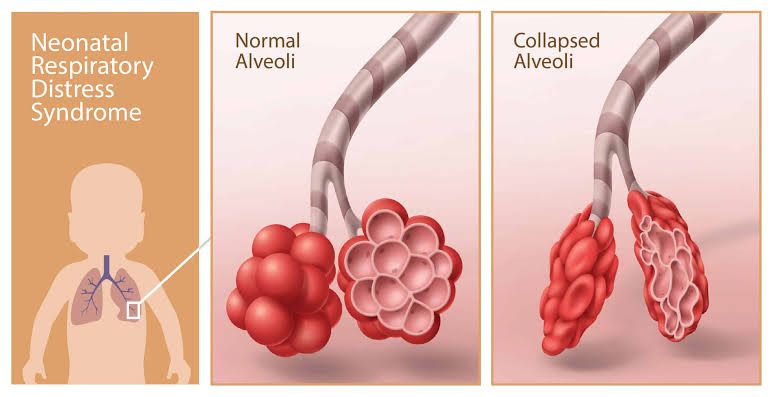
In healthy, full-term infants, the lungs are lined with surfactant, a complex mixture of lipids and proteins. Its primary function is to reduce the surface tension within the alveoli—the tiny, elastic air sacs in the lungs where gas exchange occurs. Think of surfactant as a coating inside a balloon that prevents it from collapsing completely when you exhale, making it much easier to inflate again.
In an infant with RDS, the lack of sufficient surfactant leads to high surface tension within the alveoli. Consequently, with each exhalation, the air sacs tend to collapse. This requires the infant to exert a tremendous amount of energy to reopen them with every breath, leading to progressive fatigue and respiratory failure. The collapsing alveoli also significantly impair the exchange of oxygen and carbon dioxide, resulting in hypoxemia (low oxygen in the blood) and hypercapnia (high carbon dioxide in the blood).
Signs and Symptoms of Respiratory Distress Syndrome
The clinical signs of RDS typically appear within minutes to a few hours after birth and worsen progressively over the first 48 to 72 hours if left untreated. Recognizing these symptoms promptly is crucial for initiating life-saving interventions. The classic signs are collectively indicative of an increased “work of breathing.”
- Tachypnea (Rapid Breathing): This is often the earliest sign. A newborn’s normal respiratory rate is between 30 and 60 breaths per minute. In an infant with RDS, the rate is persistently elevated above 60 breaths per minute as the body attempts to compensate for poor oxygen exchange.
- Nasal Flaring: The infant’s nostrils widen during inhalation. This is an instinctive mechanism to decrease airway resistance and draw more air into the lungs.
- Grunting: This is an audible, short, low-pitched sound heard during exhalation. The infant is forcing air out against a partially closed glottis (the opening between the vocal cords). This physiological maneuver is an attempt to increase the pressure within the lungs at the end of expiration, trying to keep the unstable alveoli from collapsing—a process known as creating auto-PEEP (Positive End-Expiratory Pressure).
- Retractions: These are visible “sucking in” of the skin due to the forceful effort of breathing. Because the lungs are stiff and non-compliant, the infant must use accessory muscles to generate negative pressure to pull air in. This powerful suction causes the more flexible parts of the chest wall to retract inward. Retractions can be observed in several areas:
- Subcostal: Below the rib cage.
- Intercostal: Between the ribs.
- Suprasternal: At the base of the neck, just above the breastbone.
- Cyanosis: This is a bluish discoloration of the skin, lips, and nail beds. It is a direct result of hypoxemia, indicating that the blood is not carrying enough oxygen to the body’s tissues. Central cyanosis (involving the lips and torso) is a sign of severe respiratory distress.
- Apnea: In some cases, particularly as the infant becomes fatigued, there may be periods where breathing ceases for more than 20 seconds.
A chest X-ray is a key diagnostic tool. In a classic case of RDS, it reveals a characteristic “ground-glass” appearance, which signifies widespread alveolar collapse (atelectasis), along with visible air-filled bronchi standing out against the opaque lungs (air bronchograms).
Causes and Risk Factors of Respiratory Distress Syndrome
The single greatest cause of RDS is prematurity. Surfactant production in a fetus begins around 24 to 28 weeks of gestation but only reaches sufficient levels for smooth breathing after approximately 35 weeks. Therefore, the earlier a baby is born, the higher the risk and severity of RDS.
While prematurity is the primary cause, several other factors can increase the risk or contribute to the development of RDS:
- Maternal Diabetes: Poorly controlled diabetes in the mother can lead to high blood sugar levels in the fetus. This, in turn, causes the fetal pancreas to produce excess insulin. High levels of insulin are known to antagonize the effects of cortisol, a hormone essential for stimulating surfactant production, thereby delaying lung maturation.
- Cesarean Section Without Labor: The hormonal surges (particularly corticosteroids) that occur during natural labor play a role in the final stages of fetal lung maturation and the clearance of fluid from the lungs. An elective C-section performed before the onset of labor bypasses this process, increasing the risk of transient breathing problems and RDS.
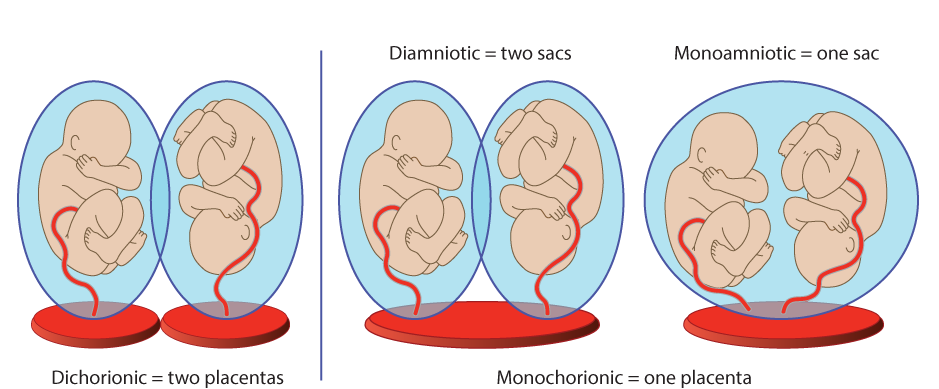
- Multiple Gestation (Twins, Triplets, etc.): Pregnancies with multiple babies are more likely to result in preterm delivery. Additionally, the second-born twin may be at a slightly higher risk.
- Perinatal Asphyxia: A lack of oxygen to the infant before, during, or just after birth can damage the lung cells (pneumocytes) responsible for producing surfactant, further compromising lung function.
- Family History: A genetic component has been identified. If a previous sibling had RDS, the risk for subsequent infants is higher. This is linked to mutations in genes responsible for surfactant proteins.
- Male Gender and Caucasian Race: For reasons not fully understood, male infants and Caucasian infants have a statistically higher incidence of RDS compared to their female and non-Caucasian counterparts at the same gestational age.
Management of Respiratory Distress Syndrome
The management of RDS is multi-faceted and takes place in a Neonatal Intensive Care Unit (NICU). The primary goals are to support breathing, ensure adequate oxygenation, and allow the infant’s lungs time to mature and produce their own surfactant.
Step 1: Surfactant Replacement Therapy
This is the cornerstone of modern RDS treatment and has been responsible for a dramatic reduction in mortality.
- Procedure: An artificial or animal-derived (bovine or porcine) surfactant preparation is administered directly into the infant’s lungs. This is done via an endotracheal tube (a breathing tube placed in the windpipe).
- Effect: The exogenous surfactant immediately begins to reduce surface tension in the alveoli, making the lungs more compliant and easier to inflate. This decreases the work of breathing and improves gas exchange, often within minutes to hours. Doses may be repeated if necessary.
Step 2: Respiratory Support
The level of respiratory support is tailored to the severity of the distress.
- Continuous Positive Airway Pressure (CPAP): For milder cases, or after surfactant administration, CPAP is often used. It is delivered non-invasively through small prongs in the nose or a mask. CPAP provides continuous, low-level air pressure that helps keep the alveoli open during exhalation, preventing collapse and reducing the effort of breathing.
- Mechanical Ventilation: In more severe cases where the infant cannot maintain adequate breathing on their own, a mechanical ventilator is required. An endotracheal tube is connected to a ventilator, a machine that delivers controlled breaths to the infant. The ventilator settings are carefully managed to provide adequate oxygenation while minimizing the risk of lung injury (barotrauma).
Step 3: Comprehensive Supportive Care
Surviving RDS involves more than just lung support. The fragile premature infant requires meticulous care to maintain overall stability.
- Thermoregulation: Premature infants lose body heat rapidly. They are placed in an incubator or under a radiant warmer to maintain a stable body temperature, which minimizes metabolic stress and oxygen consumption.
- Nutritional and Fluid Management: Initially, infants are given intravenous (IV) fluids to maintain hydration and electrolytes. Nutrition is provided through parenteral nutrition (IV feeding) until they are stable enough to tolerate feedings of expressed breast milk or specialized preterm formula, usually delivered through a tiny tube passed into the stomach (gavage feeding).
- Monitoring: Infants with RDS are monitored continuously. This includes a pulse oximeter to track blood oxygen levels, a cardiac monitor for heart rate and rhythm, and blood pressure monitoring. Arterial blood gas (ABG) analysis is performed periodically to precisely measure levels of oxygen, carbon dioxide, and pH in the blood, guiding adjustments in respiratory support.
- Infection Control: Premature infants are highly susceptible to infection. Strict hand hygiene and aseptic techniques are vital. Antibiotics may be administered if there is a suspicion of sepsis, which can mimic or complicate RDS.
With this combination of targeted therapy and intensive supportive care, the prognosis for infants with RDS has improved significantly. Most infants recover as their lungs mature and begin producing sufficient surfactant, typically within 3 to 7 days.
References
- Jobe, A. H. (2011). Lung Development and Maturation. In R. J. Martin, A. A. Fanaroff, & M. C. Walsh (Eds.), Fanaroff and Martin’s Neonatal-Perinatal Medicine: Diseases of the Fetus and Infant (9th ed.). Elsevier Saunders.
- Polin, R. A., & Carlo, W. A. (2014). Surfactant replacement therapy for preterm and term neonates with respiratory distress. Pediatrics, 133(1), 156–163. doi:10.1542/peds.2013-3443
- National Heart, Lung, and Blood Institute (NHLBI). (n.d.). Infant Respiratory Distress Syndrome. Retrieved from https://www.nhlbi.nih.gov/health-topics/infant-respiratory-distress-syndrome
- Sweet, D. G., Carnielli, V., Greisen, G., Hallman, M., Ozek, E., Plavka, R., … & Vento, M. (2019). European Consensus Guidelines on the Management of Respiratory Distress Syndrome – 2019 Update. Neonatology, 115(4), 432-450. doi:10.1159/000499361
- Reuter, S., Moser, C., & Baack, M. (2014). Respiratory Distress in the Newborn. Pediatrics in Review, 35(10), 417-429. doi:10.1542/pir.35-10-417