Pancreas transplantation stands as a definitive and potentially curative therapy for individuals with labile, insulin-dependent Type 1 Diabetes (T1D). While most pancreas transplants utilize organs from deceased donors, the persistent shortage of available organs has spurred the development and refinement of segmental pancreas transplantation from a living donor. This advanced procedure offers a life-altering solution for select recipients but requires meticulous surgical execution and, most critically, an uncompromisingly rigorous evaluation of the donor to ensure their long-term health.
The Rationale: Restoring Endocrine Function and Improving Quality of Life
The primary objective of a pancreas transplant is to restore the body’s natural ability to produce insulin, thereby establishing a state of euglycemia (normal blood glucose levels) without the need for exogenous insulin injections. For patients with T1D, particularly those suffering from severe and debilitating complications, this represents far more than mere convenience.
Key Indications and Rationale:
- Glycemic Lability: Many T1D patients experience extreme, unpredictable fluctuations in blood glucose levels. These swings can lead to frequent and severe episodes of both hyperglycemia (high blood sugar) and hypoglycemia (low blood sugar), which are difficult to manage even with advanced insulin pumps and continuous glucose monitors.
- Hypoglycemic Unawareness: A particularly dangerous complication is the loss of the autonomic warning signs (e.g., sweating, trembling, anxiety) that typically precede a hypoglycemic event. This places patients at high risk for sudden incapacitation, seizures, coma, and even death. A successful transplant eliminates this risk by restoring the body’s physiological glucose-counterregulation mechanisms.
- Halting or Reversing Secondary Complications: Chronic hyperglycemia inflicts progressive damage on various organ systems. Pancreas transplantation has been shown to halt the progression of, and in some cases partially reverse, diabetic complications such as nephropathy (kidney disease), retinopathy (eye disease), and neuropathy (nerve damage). For patients with advanced diabetic nephropathy, a Simultaneous Pancreas-Kidney (SPK) transplant is often the standard of care, but a Pancreas After Kidney (PAK) or Pancreas Transplant Alone (PTA) is indicated for patients with preserved renal function.
- The Living Donor Advantage: The rationale for using a segmental graft from a living donor is rooted in overcoming the limitations of deceased donor organ lists.
- Timeliness: Living donation allows the surgery to be scheduled electively, avoiding the long and uncertain waiting period for a deceased donor organ. This is crucial for patients whose condition is rapidly deteriorating.
- Reduced Ischemia Time: The time the organ is without a blood supply (ischemia time) is dramatically reduced. In a living donor procedure, the graft can be revascularized in the recipient within minutes of its removal from the donor, leading to less organ injury and superior initial and long-term graft function.
- Organ Quality: The organ comes from a healthy, thoroughly evaluated individual, ensuring optimal graft quality.
The anatomical basis for segmental donation lies in the pancreas’s functional redundancy. The distal portion of the pancreas (the body and tail), which comprises approximately 50-60% of the organ’s mass, is rich in the insulin-producing Islets of Langerhans. This segment is sufficient to provide complete endocrine function for the recipient, while the remaining pancreas head is adequate to maintain normal glucose metabolism and digestive function for the donor.
The Surgical Procedure: A Synchronized Operation for Donor and Recipient
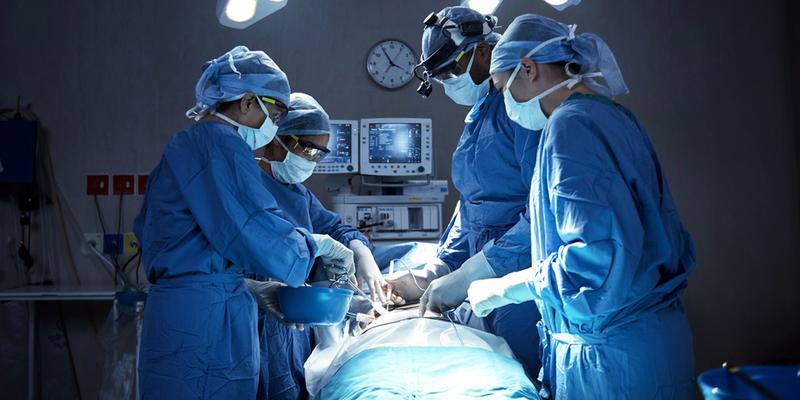
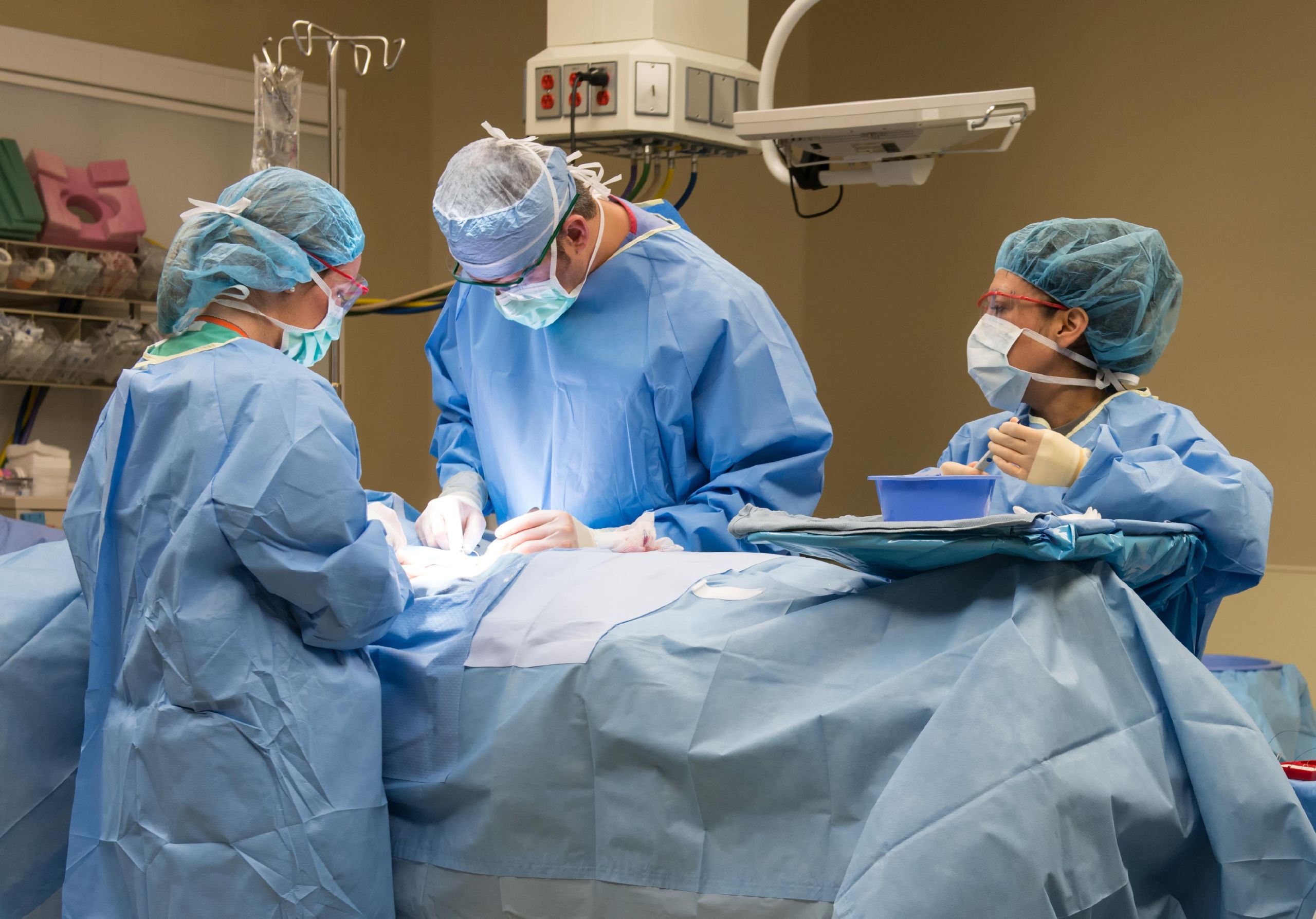
Segmental pancreas transplantation is a complex undertaking involving two simultaneous operations performed by highly specialized surgical teams in adjacent operating rooms.
The Donor Operation: Distal Pancreatectomy and Splenectomy
The goal of the donor surgery is to safely procure the distal pancreas (body and tail) along with its essential blood supply—the splenic artery and vein.
- Incision and Exposure: The surgeon typically makes a midline or bilateral subcostal (chevron) incision to gain access to the abdominal cavity.
- Mobilization: The procedure begins with the mobilization of the spleen and the distal pancreas. These two organs are anatomically linked and share a common blood supply, so they are mobilized together.
- Vascular Dissection: Meticulous dissection is performed to identify and preserve the splenic artery and vein, which run along the superior and posterior aspects of the pancreas, respectively. These vessels will become the lifelines of the transplanted graft.
- Pancreatic Transection: The pancreas is carefully divided at its “neck,” the region overlying major blood vessels like the portal vein and superior mesenteric vein. The surgeon uses specialized surgical staplers or suture techniques to securely close the pancreatic duct and the cut surface of the remaining pancreas (the remnant) in the donor. This step is critical for preventing leakage of corrosive pancreatic enzymes, a major potential complication.
- Graft Removal: Once transected, the graft—consisting of the distal pancreas, the spleen, the splenic artery, and the splenic vein—is removed from the donor. The spleen is almost always removed with the graft (splenopancreatectomy) because separating it would compromise the graft’s vascular integrity. Consequently, donors must receive preoperative vaccinations against encapsulated bacteria to mitigate the risk of post-splenectomy sepsis.
The Recipient Operation: Graft Implantation
As the donor graft is being prepared on a back table, the recipient’s surgical team prepares the implantation site, typically in the right lower quadrant of the abdomen.
- Vascular Anastomosis: The core of the transplant is re-establishing blood flow. The donor splenic artery is connected (anastomosed) to one of the recipient’s iliac arteries (e.g., the external or internal iliac artery). The donor splenic vein is then connected to the recipient’s iliac vein. Once these connections are complete, vascular clamps are released, and the graft is “reperfused,” turning a healthy pink color.
- Management of Exocrine Drainage: The pancreas has two functions: endocrine (insulin production) and exocrine (production of digestive enzymes). While the endocrine function is the goal, the powerful exocrine juices must be safely diverted. The primary method is:
- Enteric Drainage: A small opening is made in the cut end of the donor pancreas graft and is sutured directly to a loop of the recipient’s small intestine (jejunum). This allows the digestive enzymes to flow into the gastrointestinal tract, mimicking normal physiology. This is the preferred method today due to fewer metabolic complications.
- Closure: After ensuring haemostasis (control of bleeding) and proper graft placement, the surgical team closes the abdominal incision, often leaving a temporary surgical drain in place.
Preoperative Donor Evaluation: Minimizing the Risk of Post-Donation Diabetes
The ethical cornerstone of living donation is the principle of primum non nocere—first, do no harm. The evaluation process for a potential living pancreas donor is arguably the most stringent of any living donor procedure. Its single most important goal is to ensure the donor does not develop diabetes or impaired glucose tolerance after donating half of their pancreas.
This is achieved through a multi-stage screening protocol:
- Initial Eligibility Screening: Candidates must meet basic criteria, including an age range typically between 25 and 55, a Body Mass Index (BMI) below 30 kg/m², no personal or first-degree family history of diabetes, and no evidence of hypertension, metabolic syndrome, or other significant comorbidities.
- Basic Metabolic Assessment: Standard laboratory tests, including a fasting blood glucose and a Hemoglobin A1c (HbA1c), are performed. These initial tests rule out pre-existing diabetes or significant pre-diabetes.
- Oral Glucose Tolerance Test (OGTT): This is a critical functional test. The candidate fasts overnight, consumes a standardized 75-gram glucose drink, and has their blood glucose measured at baseline and at timed intervals (e.g., 30, 60, 90, and 120 minutes). A normal response demonstrates a robust ability of the pancreas to handle a significant glucose challenge. Any abnormal result, such as impaired glucose tolerance, is an absolute contraindication for donation.
- Intravenous Glucose Tolerance Test (IVGTT): This more sophisticated test directly measures beta-cell function. Glucose is administered intravenously, and blood samples are taken in rapid succession to measure the First-Phase Insulin Response (FPIR). The FPIR is the immediate release of pre-stored insulin that occurs within the first 10 minutes of glucose exposure. A strong FPIR is indicative of healthy, resilient beta-cells. A blunted or low FPIR is a known predictor for the future development of T1D and would disqualify a potential donor. Often, an injection of arginine is given at the end of the IVGTT to provoke a maximal insulin response, providing further data on beta-cell reserve.
- Autoantibody Screening: The candidate’s blood is tested for the presence of autoantibodies associated with Type 1 Diabetes (e.g., GAD65, IA-2, IAA). The presence of one or more of these antibodies indicates an underlying autoimmune process targeting the beta-cells. Such an individual is at very high risk of developing T1D in the future, even without donation, and is therefore not a candidate.
- Anatomical Imaging: A high-resolution CT or MRI angiogram is performed to visualize the precise anatomy of the donor’s pancreas and its vascular supply. This ensures there are no anatomical variations that would make the surgery technically unsafe or unfeasible.
Only after passing every single one of these rigorous evaluations can an individual be approved as a living pancreas donor. This multi-layered safety protocol ensures that the profound gift of donation does not come at the expense of the donor’s own long-term health.