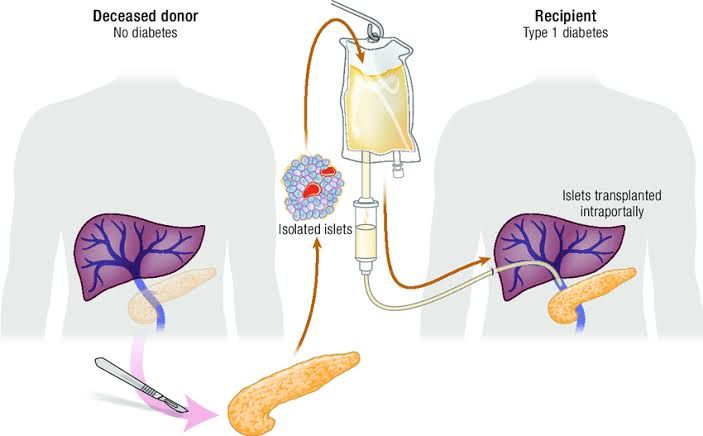
Islet transplantation represents a significant advancement in the treatment of Type 1 Diabetes Mellitus (T1DM), offering a potential pathway to insulin independence and improved glycemic control for select patients. Unlike whole pancreas transplantation, which is a major surgical procedure, islet transplantation is minimally invasive, focusing on the specialized insulin-producing cells of the pancreas. This complex process involves the meticulous isolation of pancreatic islets from a deceased donor pancreas, followed by their purification and subsequent infusion into the recipient.
The Pancreas Digestion Process
The foundational step in islet transplantation is the enzymatic digestion of the donor pancreas to liberate the islets from the surrounding exocrine tissue. This process requires precision to ensure the viability and integrity of the delicate islets.
- Donor Pancreas Procurement and Preservation: The process begins with the procurement of a healthy, brain-dead deceased donor pancreas. The pancreas is surgically removed with careful attention to minimizing warm ischemia time. Once harvested, it is typically preserved in a cold storage solution (e.g., University of Wisconsin solution) and transported to the islet isolation facility, ideally within 6-12 hours of organ recovery. Minimizing cold ischemia time is also crucial for maximizing islet yield and viability.
- Cannulation and Distension: Upon arrival, the pancreas is trimmed of excess fat and connective tissue. The main pancreatic duct (Wirsung’s duct) is identified and cannulated, typically with a blunt-tip needle or catheter. Through this cannula, a specialized enzyme solution, primarily containing collagenase (e.g., Liberase, Blendzyme) and often supplemented with neutral protease, is infused into the ductal system. This infusion distends the pancreas, ensuring the enzymes are evenly distributed throughout the organ and reach the intricate network of pancreatic lobules. The distension also helps to physically separate the lobules, facilitating subsequent digestion.
- Enzymatic Digestion in a Closed System: The distended pancreas is then transferred to a specialized digestion chamber, most commonly a Ricordi chamber. This sterile, closed system allows for controlled mechanical and enzymatic dissociation. The chamber contains small glass or stainless steel beads and is continuously agitated or rotated. As the enzymes break down the collagenous extracellular matrix that holds the exocrine tissue together, the mechanical action aids in further dissociation. The digestion process is carefully monitored by collecting small samples at regular intervals. Visual inspection under a microscope assesses the degree of dissociation, identifying loose islets and residual exocrine tissue.
- Monitoring and Stopping Digestion: Critical to the success of this step is the precise timing of stopping the digestion. Over-digestion can damage the islets, while under-digestion results in poor islet yield and excessive exocrine contamination. Once optimal dissociation is observed – typically when islets appear freely floating and minimal clumps of acinar tissue remain – the digestion is halted. This is achieved by rapidly cooling the digest and adding a large volume of cold washing solution (e.g., CMRL-1066 with human serum albumin). This dilutes the enzymes and lowers the temperature, effectively inactivating them and preserving islet viability. The resultant suspension is a crude digest containing islets, acinar tissue, ductal fragments, red blood cells, and other cellular debris.
Islet Purification Methodology
Following enzymatic digestion, the crude pancreatic digest must undergo a rigorous purification process to separate the islets from the vast majority of the unwanted exocrine tissue and other cellular contaminants. This step is vital for minimizing the inflammatory response upon transplantation and maximizing the functional purity of the islet preparation.
- Density Gradient Centrifugation: The primary method for islet purification is density gradient centrifugation. This technique leverages the inherent difference in density between pancreatic islets (which are slightly less dense) and the exocrine tissue, red blood cells, and other contaminants.
- Preparation of Gradient Media: A series of solutions with varying densities are prepared using biocompatible and non-toxic media such as Ficoll, Nycodenz, or OptiPrep. These solutions are layered in sterile centrifuge bags or tubes, creating a discontinuous gradient, typically with the densest solution at the bottom and progressively lighter solutions stacked above it.
- Loading the Digest: The crude pancreatic digest, after initial washing steps to remove residual enzymes, is carefully loaded onto the top of the density gradient.
- Centrifugation: The loaded bags are then placed in a specialized continuous-flow or discontinuous-flow centrifuge (e.g., a COBE 2991 cell processor or a large clinical centrifuge). During centrifugation, centrifugal force drives the cells through the gradient. Cells migrate to the layer where their density matches that of the surrounding medium. Denser cells (e.g., red blood cells, most exocrine tissue) pellet at the bottom or migrate to lower, denser layers, while the less dense islets band at interfaces between specific density layers or float at higher, less dense layers.
- Fraction Collection and Washing: After centrifugation, the gradient layers containing the purified islets are carefully isolated and collected. This is often done by puncturing the bag at the appropriate level or by aspiration. The collected islet-rich fractions typically represent a mixture of pure islets and some residual contaminants, depending on the efficiency of separation. These fractions then undergo several washing steps with a sterile cell culture medium to remove the density gradient media, residual enzymes, and any remaining cellular debris. These washes are performed via gentle centrifugation and resuspension.
- Final Resuspension and Quality Control: After the final wash, the purified islet preparation is resuspended in a sterile, clinical-grade cell culture medium (e.g., CMRL-1066) containing human serum albumin for stability. This final suspension is then subjected to a series of stringent quality control tests to assess its suitability for transplantation. The success of the purification process is paramount, as a highly pure and viable islet preparation is critical for successful engraftment and long-term function after transplantation.
Criteria that Determine a Transplantable Islet Preparation
For an islet preparation to be deemed suitable for transplantation, it must meet stringent quality control criteria that ensure both safety and efficacy. These criteria are critical for predicting the success of engraftment and minimizing post-transplant complications.
- Islet Purity: This is a crucial metric, representing the percentage of islets within the total cellular preparation. High purity (typically >50%, ideally >70%) is desired to minimize the co-transplantation of contaminating exocrine tissue. Excess exocrine tissue can induce a significant inflammatory response in the recipient, leading to early graft loss, portal vein thrombosis, or other complications. Purity is often assessed by staining with dithizone (DTZ), which specifically stains zinc-rich islet cells red, allowing for visual determination of islet content.
- Islet Viability: This criterion quantifies the percentage of living, metabolically active cells within the islet preparation. It is commonly assessed using vital dyes like fluorescein diacetate (FDA) and propidium iodide (PI). FDA stains living cells green, while PI stains dead cells red. A high viability rate (typically >70%) is essential, as dead or damaged islets are non-functional and can trigger an immune response.
- Islet Potency/Functionality: While purity and viability indicate the structural integrity of the preparation, potency assesses the actual biological function of the islets – their ability to secrete insulin in response to glucose. This is typically measured by an in vitro glucose-stimulated insulin secretion (GSIS) test. Islets are incubated in low glucose, then stimulated with high glucose, and the insulin released into the media is measured. A robust insulin secretory response demonstrates the functional capacity of the islets to regulate blood glucose.
- Islet Equivalent (IEQ) Count: The total number of islets in a preparation is standardized using the “islet equivalent” (IEQ). One IEQ is defined as an islet with a diameter of 150 µm. The IEQ value accounts for the varying sizes of islets and provides a standardized measure of islet mass. A sufficient number of IEQs (typically 5,000-10,000 IEQs per kg of recipient body weight for a single transplant) is required to achieve insulin independence or significant glycemic control. Preparations with lower IEQ counts may necessitate multiple infusions.
- Sterility: Given that the islets will be infused directly into the recipient, the preparation must be absolutely sterile. Comprehensive testing for bacterial, fungal, and viral contamination (including HIV, Hepatitis B/C, CMV, EBV) is performed using standard microbiology and molecular biology techniques. Any positive result renders the preparation unsuitable for transplantation.
- Endotoxin Levels: Endotoxins (lipopolysaccharides from Gram-negative bacteria) can elicit a powerful inflammatory response. The islet preparation must have very low or undetectable levels of endotoxins as measured by assays like the limulus amoebocyte lysate (LAL) test.
- Donor-Recipient Matching: While not a quality of the preparation itself, ABO blood group compatibility between the donor and recipient is essential. Cross-matching for HLA antigens is generally not as critical as in solid organ transplantation due to the immune-privileged nature of islet cells and the use of strong immunosuppression, but it can still be considered.
Only islet preparations that satisfy all these rigorous criteria are approved for clinical transplantation, underscoring the commitment to patient safety and transplant efficacy.
Operative and Percutaneous Transplant Techniques
Once a suitable islet preparation has been obtained and cleared for transplantation, the next critical step is the infusion of these cells into the recipient. The portal vein, specifically its intrahepatic branches, is the most commonly used site due to its accessibility and the rich vascularity of the liver, which supports islet engraftment and provides rapid access to systemic circulation for secreted insulin.
- Recipient Preparation and Immunosuppression: Prior to transplantation, the recipient undergoes thorough evaluation, and a highly specific immunosuppressive regimen is initiated. This typically involves a combination of induction therapy (e.g., anti-thymocyte globulin or IL-2 receptor antagonists) and maintenance therapy (e.g., calcineurin inhibitors like tacrolimus, anti-proliferative agents like sirolimus or mycophenolate mofetil, and corticosteroids). Immunosuppression is crucial to prevent the recipient’s immune system from rejecting the transplanted allogeneic islets.
- Percutaneous Transhepatic Portal Vein Infusion (Most Common Technique):
- Approach: This minimally invasive technique is the standard of care for clinical islet transplantation. It involves accessing the portal vein through the skin and liver parenchyma.
- Procedure: Under local anesthesia and conscious sedation, and typically guided by ultrasound and/or fluoroscopy, an interventional radiologist or surgeon performs a percutaneous puncture of a peripheral branch of the portal vein, usually in the right lobe of the liver.
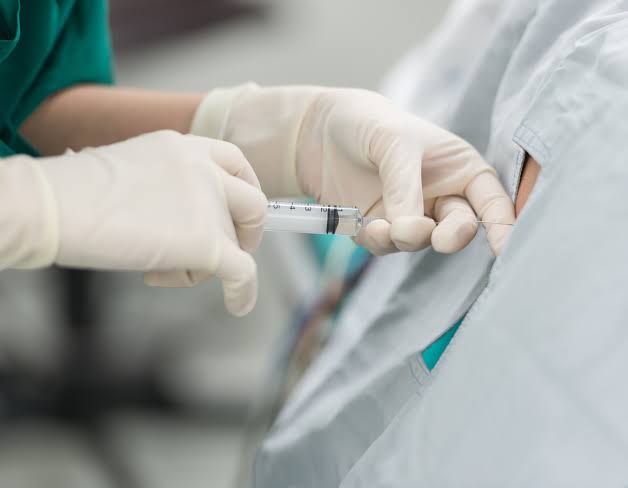
- Catheterization and Infusion: A guidewire is advanced, and a catheter is threaded over it into the main portal vein. The purified islet suspension, contained within a large syringe or infusion bag, is then slowly infused into the portal vein through this catheter. The infusion typically takes 20-60 minutes.
- Monitoring and Complications: During infusion, portal vein pressure is carefully monitored to prevent excessively high pressures that could lead to hepatic portal vein thrombosis or capsular hemorrhage. Post-infusion, the catheter is removed, and pressure is applied to the puncture site. Patients are monitored closely for immediate complications such as bleeding, portal vein thrombosis, or the “immediate blood-mediated inflammatory reaction” (IBMIR) which can cause transient fever, abdominal pain, and elevated liver enzymes. Long-term monitoring focuses on islet graft function (glycemic control, C-peptide levels) and the management of immunosuppression side effects.
- Surgical/Open Laparotomy (Historically and for Combined Transplants):
- Approach: Historically, islet transplantation was performed via an open surgical approach, but it is now less common due to its invasiveness and the success of percutaneous methods. It may still be employed in specific scenarios, such as when combined with a simultaneous kidney transplant or if percutaneous access is not feasible.
- Procedure: An incision is made in the abdomen, and direct access to the portal vein or one of its tributaries (e.g., a mesenteric vein) is gained. A cannula is then surgically inserted into the chosen vessel, and the islet suspension is infused.
- Advantages/Disadvantages: The open approach allows for direct visualization and potentially more secure cannulation, but it carries higher risks associated with major surgery, including infection, pain, and longer recovery times.
- Alternative Transplantation Sites (Investigational):
- While the liver portal vein is the preferred site, researchers are actively exploring alternative sites for islet transplantation to mitigate some of the portal vein-associated complications (e.g., portal vein thrombosis, early graft loss due to IBMIR) and potentially create more immunologically privileged environments.
- Renal Subcapsular Space: Historically used, but poor revascularization and limited space.
- Omental Pouch: Creating a vascularized pouch within the omentum has shown promise in preclinical studies.
- Subcutaneous Tissue and Intramuscular Sites: Easier access, but often lack sufficient vascularity for optimal islet survival and function.
- Peritoneum: Offers a large surface area but poses challenges for vascularization and potential immune rejection.
- These alternative sites aim to improve long-term graft survival, reduce immunosuppression requirements, and simplify the transplant procedure.
In conclusion, islet isolation and transplantation is a highly specialized and technically demanding procedure that holds significant promise for individuals with Type 1 Diabetes. From the meticulous enzymatic digestion and purification to the stringent quality control measures and precise transplantation techniques, each step is critical to achieving successful islet engraftment and improving patient outcomes. Ongoing research continues to refine these processes, seeking to enhance islet viability, reduce the need for immunosuppression, and expand the accessibility of this life-changing therapy.