Thyroid disorders are among the most common endocrine conditions globally, affecting millions of people. Given their widespread prevalence and the diverse, often subtle, symptoms they can present, accurate diagnosis is paramount. Thyroid Function Tests (TFTs) are a cornerstone of this diagnostic process, providing critical insights into the status of an individual’s thyroid gland and the intricate feedback mechanisms that regulate thyroid hormone production.
What are Thyroid Function Tests (TFTs)?
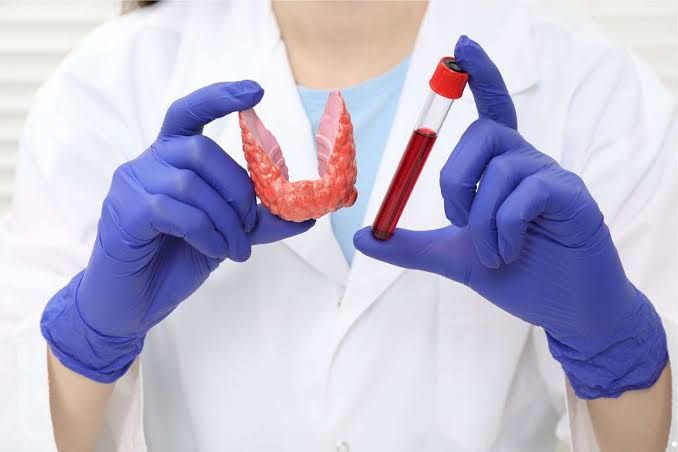
Thyroid Function Tests (TFTs) are a panel of blood tests designed to assess the functionality of the thyroid gland. The thyroid, a butterfly-shaped gland located at the base of the neck, plays a pivotal role in regulating metabolism, energy production, body temperature, heart rate, and brain development by secreting thyroid hormones. TFTs measure the levels of specific hormones in the bloodstream that are directly involved in the synthesis, regulation, and action of thyroid hormones.
The primary hormones measured in a standard TFT panel typically include:
- Thyroid-Stimulating Hormone (TSH): Also known as thyrototropin, TSH is produced by the pituitary gland in the brain. Its primary function is to stimulate the thyroid gland to produce and release thyroid hormones. TSH is often considered the most sensitive initial indicator of thyroid dysfunction because even small changes in thyroid hormone levels can lead to significant reciprocal changes in TSH.
- Free Thyroxine (FT4): Thyroxine (T4) is the main hormone produced and secreted by the thyroid gland. Most T4 circulates in the blood bound to proteins, rendering it inactive. Free T4 (FT4) refers to the unbound, biologically active form of thyroxine. Measuring FT4 provides a more accurate assessment of the amount of thyroid hormone available for tissues to use, as it is not influenced by variations in binding protein levels.
- Free Triiodothyronine (FT3): Triiodothyronine (T3) is the most metabolically active form of thyroid hormone. While some T3 is directly secreted by the thyroid gland, the majority (about 80%) is produced in peripheral tissues through the conversion of T4 to T3. Like T4, most T3 circulates bound to proteins, and FT3 represents the unbound, active form. FT3 levels are often assessed to confirm the diagnosis of hyperthyroidism or in cases where TSH and FT4 results are equivocal, although its routine use as a primary diagnostic tool is debated.
In addition to these core tests, other specialized tests may be ordered depending on the clinical context, such as:
- Total T4 (TT4) and Total T3 (TT3): Measure both bound and unbound forms of the hormones. Less reliable than free levels due to influence from binding proteins.
- Thyroid Antibodies: Such as Anti-thyroid Peroxidase (TPOAb), Anti-thyroglobulin (TgAb), and Thyroid-Stimulating Immunoglobulin (TSI/TRAb). These are crucial for diagnosing autoimmune thyroid conditions like Hashimoto’s thyroiditis (hypothyroidism) and Graves’ disease (hyperthyroidism).
- Thyroglobulin (Tg): A protein produced by thyroid cells, used primarily as a tumor marker for monitoring patients after thyroidectomy for thyroid cancer.
The purpose of TFTs is multifactorial: to diagnose underlying thyroid disorders, monitor the effectiveness of thyroid hormone replacement therapy or anti-thyroid medications, screen for thyroid dysfunction in at-risk populations (e.g., newborns, pregnant women), and investigate non-specific symptoms that could be attributed to thyroid imbalance.
Biochemical Interpretation of TFTs
The interpretation of TFT results is not merely about identifying values outside the normal reference range. It requires a comprehensive understanding of the hypothalamic-pituitary-thyroid (HPT) axis and how its delicate feedback mechanisms operate.
(a) Understanding the Hypothalamic-Pituitary-Thyroid (HPT) Axis
The HPT axis is a classic example of an endocrine feedback loop.
- Hypothalamus: Located in the brain, it releases Thyrotropin-Releasing Hormone (TRH) in response to physiological cues and low circulating thyroid hormone levels.
- Pituitary Gland: Stimulated by TRH, the anterior pituitary secretes Thyroid-Stimulating Hormone (TSH).
- Thyroid Gland: TSH acts on the thyroid gland, prompting it to synthesize and release T4 (predominantly) and T3.
- Feedback Loop: High levels of T4 and T3 in the bloodstream exert negative feedback on both the hypothalamus (inhibiting TRH release) and the pituitary gland (inhibiting TSH release). Conversely, low thyroid hormone levels reduce this negative feedback, leading to increased TRH and TSH secretion. This intricate system ensures thyroid hormone levels are maintained within a narrow physiological range.
(b) Interpreting Common TFT Scenarios
With the HPT axis in mind, let’s delve into the interpretation of various TFT patterns. Note: Reference ranges for TSH, FT4, and FT3 can vary slightly between laboratories; always refer to the specific ranges provided by the testing laboratory.
Scenario 1: Euthyroidism (Normal Thyroid Function)
- TSH: Within the normal reference range (typically 0.4 – 4.0 mIU/L, though some clinical guidelines suggest a narrower optimal range for certain populations).
- FT4: Within the normal reference range.
- FT3: Within the normal reference range (often not needed if TSH and FT4 are normal).
Interpretation: This pattern indicates optimal thyroid function where the HPT axis is operating correctly, and sufficient thyroid hormone is being produced to meet the body’s metabolic demands.
Scenario 2: Primary Hypothyroidism
This is the most common form of hypothyroidism, caused by a dysfunction of the thyroid gland itself.
- Subclinical Hypothyroidism:
- TSH: Elevated (above upper limit of normal, often 4.0-10.0 mIU/L).
- FT4: Within the normal reference range.
- FT3: Within the normal reference range (if measured).
- Interpretation: The thyroid gland is beginning to fail, but it can still produce enough T4 to maintain normal circulating levels, albeit by working harder under increased TSH stimulation. Often asymptomatic or with very mild symptoms. Etiology is frequently Hashimoto’s thyroiditis (positive TPOAb).
- Overt (Clinical) Hypothyroidism:
- TSH: Markedly elevated (often > 10.0 mIU/L, can be very high).
- FT4: Low (below lower limit of normal).
- FT3: Often low (if measured), but FT4 is the primary indicator.
- Interpretation: The thyroid gland is significantly underactive and cannot produce adequate thyroid hormones, leading to low FT4 levels and a pronounced compensatory elevation of TSH from the pituitary. Patients typically present with classic symptoms like fatigue, weight gain, cold intolerance, constipation, and dry skin.
Scenario 3: Primary Hyperthyroidism
This is the most common form of hyperthyroidism, caused by overactivity of the thyroid gland.
- Subclinical Hyperthyroidism:
- TSH: Suppressed/Undetectable (< 0.4 mIU/L, often < 0.1 mIU/L).
- FT4: Within the normal reference range.
- FT3: Within the normal reference range (if measured).
- Interpretation: The thyroid gland is producing slightly excess thyroid hormone, but not enough to cause overt symptoms or significantly elevate FT4/FT3. The excess T4/T3 suppresses TSH. Causes include Graves’ disease, toxic nodular goiter, or overtreatment with thyroid hormone.
- Overt (Clinical) Hyperthyroidism:
- TSH: Suppressed/Undetectable (< 0.1 mIU/L).
- FT4: Elevated (above upper limit of normal).
- FT3: Often elevated (if measured, and sometimes disproportionately high, especially in T3 toxicosis).
- Interpretation: The thyroid gland is severely overactive, producing excessive thyroid hormones, leading to high FT4 and/or FT3 levels and complete suppression of TSH. Patients typically present with symptoms like weight loss, palpitations, anxiety, heat intolerance, tremor, and increased appetite. Most common cause is Graves’ disease (positive TSI/TRAb).
Scenario 4: Central (Secondary/Tertiary) Hypothyroidism
This less common form results from a problem with the pituitary gland (secondary) or hypothalamus (tertiary), leading to insufficient TSH production, which in turn leads to an underactive thyroid.
- TSH: Low or inappropriately normal (often below 0.4 mIU/L or within the lower half of the normal range, despite low FT4).
- FT4: Low (below lower limit of normal).
- FT3: Often low (if measured).
- Interpretation: The pituitary/hypothalamus is failing to produce enough TSH to stimulate the thyroid gland, even though the thyroid itself may be healthy. This pattern is critical to recognize as it requires investigation into pituitary or hypothalamic pathology (e.g., tumors, infiltrative diseases).
Scenario 5: Central (Secondary/Tertiary) Hyperthyroidism
Extremely rare, caused by a TSH-secreting pituitary adenoma.
- TSH: Elevated or inappropriately normal (often within or above the normal range, despite high FT4).
- FT4: Elevated.
- FT3: Elevated.
- Interpretation: The pituitary is excessively producing TSH, leading to overstimulation of the thyroid gland. This is a rare condition that requires specialized medical evaluation.
Scenario 6: Non-Thyroidal Illness (NTI) / Sick Euthyroid Syndrome
This is a common condition seen in acutely or chronically ill patients. It represents an adaptive response to illness, not primary thyroid dysfunction.
- TSH: Can be variable; often normal, but can be low, TSH can be slightly elevated during recovery phase.
- FT4: Often normal, but can be slightly low, especially in severe illness.
- FT3: Often low (due to impaired conversion of T4 to T3).
- Interpretation: NTI is a diagnosis of exclusion. The thyroid axis is typically intact, but the acute or chronic illness affects the peripheral metabolism of thyroid hormones and the HPT axis’s set point. Thyroid hormone replacement is generally not recommended unless there is strong evidence of underlying primary thyroid dysfunction.
Scenario 7: Thyroiditis
Inflammation of the thyroid gland, which can cause transient changes in TFTs.
- Initial Phase (Thyrotoxicosis):
- TSH: Suppressed.
- FT4/FT3: Elevated.
- Interpretation: Due to release of preformed thyroid hormones from damaged follicular cells. This phase is usually transient.
- Follow-up Phase (Hypothyroid):
- TSH: Elevated.
- FT4/FT3: Normal or low.
- Interpretation: After depletion of stored hormones, the gland may become temporarily underactive, especially if severe inflammation. Many recover to euthyroid state, but some may develop permanent hypothyroidism.
(c) Important Considerations and Nuances
- Clinical Context is Key: TFT results must always be interpreted in conjunction with the patient’s clinical symptoms, medical history, medications, and physical examination findings. A seemingly abnormal result may be normal for a specific patient or in a particular situation (e.g., pregnancy).
- Pregnancy: Thyroid physiology changes significantly during pregnancy. TSH reference ranges are lower, especially in the first trimester. FT4 levels can also be affected. Specific pregnancy-adjusted reference ranges should be used.
- Medications: Many drugs can influence TFT results (e.g., amiodarone, glucocorticoids, dopamine, lithium, anticonvulsants, biotin). A thorough medication history is crucial. Biotin supplements, in particular, can interfere with certain immunoassay methods, leading to falsely high or low results, depending on the assay. Patients should be advised to stop biotin several days before testing.
- Acute Illness: As covered in NTI, severe illness can confound results.
- Diurnal Variation: TSH has a diurnal variation, peaking overnight. However, for diagnostic purposes, time of day for blood draw is generally not critical.
- Reference Ranges: Always use the laboratory’s specific reference ranges. Optimal ranges for TSH, for example, are sometimes debated, with some clinicians aiming for a TSH closer to 1.0-2.5 mIU/L, especially in patients on thyroid hormone replacement.
- Antibodies: If an autoimmune thyroid disease is suspected, measuring thyroid antibodies (TPOAb, TgAb, TRAb) is essential for diagnosis.
Conclusion
Thyroid Function Tests are indispensable diagnostic tools for assessing thyroid health. Their accurate biochemical interpretation hinges upon a thorough understanding of the HPT axis and the systematic evaluation of TSH, FT4, and FT3 levels in various clinical scenarios. While the basic patterns provide a robust framework, it is imperative to integrate these laboratory findings with a comprehensive clinical picture, considering patient-specific factors, medications, and potential confounding conditions. This holistic approach ensures appropriate diagnosis, timely management, and ultimately, improved patient outcomes in the complex landscape of thyroid disorders.