Food is fundamental to human life, providing essential nutrients and sustenance. However, its safety is paramount. When food becomes unsafe, it can lead to various illnesses, ranging from mild discomfort to severe, life-threatening conditions.
Defining Food Contamination
Food contamination refers to the presence of harmful substances or unwanted elements in food that were not originally part of it. These contaminants can render food unfit for consumption, posing a significant health risk to individuals who ingest them. Contamination can occur at any stage of the food chain, from production and harvesting to processing, packaging, storage, distribution, and preparation.
Broadly, food contaminants are categorized into three primary types:
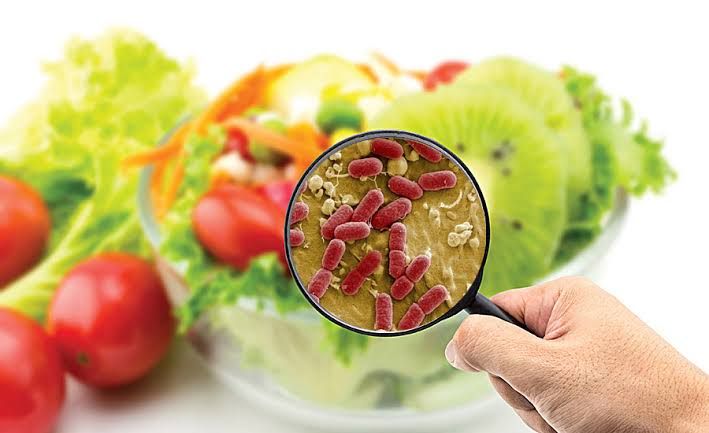
- Biological Contamination: This is the most common and often the most dangerous type, involving living organisms or their byproducts. It primarily includes bacteria, viruses, parasites, and fungi (molds and yeasts). These microorganisms can multiply rapidly under favorable conditions, producing toxins or directly causing illness.
- Chemical Contamination: This type involves the presence of harmful chemical substances in food. These can range from cleaning agents, pesticides, and heavy metals to naturally occurring toxins (e.g., mycotoxins produced by molds), or even undeclared food allergens inadvertently introduced.
- Physical Contamination: This refers to the presence of foreign objects in food that can cause physical harm or injury to the consumer. Examples include pieces of glass, metal shards, plastic, wood, hair, dirt, stones, or personal items like jewelry.
The ultimate consequence of food contamination is often foodborne illness, characterized by symptoms such as nausea, vomiting, diarrhea, abdominal cramps, and fever. In severe cases, it can lead to hospitalization, chronic health problems, or even death, particularly in vulnerable populations like young children, the elderly, pregnant women, and immunocompromised individuals.
Sources of Food Contamination
Understanding the origins of contaminants is crucial for effective prevention. Food contamination can arise from a myriad of sources, often categorized by the type of contaminant:
1. Biological Contaminant Sources:
- Raw Ingredients: Many raw foods naturally harbor microorganisms. For example, raw meat and poultry can contain Salmonella or Campylobacter; raw eggs can contain Salmonella; and raw produce can carry E. coli or Listeria from contaminated soil or water.
- Human Handlers: Food handlers who are ill, carry pathogens (even asymptomatically), or practice poor personal hygiene are a major source. Bacteria like Staphylococcus aureus can be transferred from skin, nose, or throat, especially through cuts or sores. Viruses like Norovirus or Hepatitis A are easily spread through fecal-oral routes when hands are not washed properly after using the restroom.
- Cross-Contamination: This occurs when contaminants are transferred from one food or surface to another. This can happen when:
- Raw food (e.g., raw chicken) comes into contact with ready-to-eat food (e.g., salad).
- Contaminated equipment (e.g., cutting board, knife) is used for both raw and cooked food without proper cleaning and sanitization in between.
- Hands touch raw food and then ready-to-eat food without washing.
- Pests: Insects (flies, cockroaches) and rodents (mice, rats) carry a wide range of bacteria, viruses, and parasites on their bodies and in their feces. They can contaminate food and food contact surfaces by crawling over them.
- Contaminated Water and Soil: Water used for irrigation, washing produce, or cleaning equipment can introduce pathogens if it is not potable. Soil, especially if fertilized with untreated manure, can harbor bacteria like E. coli O157:H7.
- Pets and Animals: While less common in commercial settings, domestic animals in home kitchens can be a source of pathogens.
2. Chemical Contaminant Sources:
- Cleaning Agents and Sanitizers: Improper storage, labeling, or use of cleaning chemicals can lead to their accidental contact with food or food contact surfaces, leaving harmful residues.
- Pesticides and Herbicides: Residues from agricultural chemicals used on crops can remain on produce if not properly washed, or if applied incorrectly.
- Heavy Metals: Lead, mercury, cadmium, and arsenic can contaminate food through polluted water, soil, or even poorly maintained kitchen equipment (e.g., lead solder in old plumbing, certain types of pottery glazes).
- Food Additives and Preservatives: While generally safe when used correctly, excessive amounts or unauthorized additives can be harmful.
- Allergens: While naturally occurring in certain foods, they become contaminants when transferred to foods that do not typically contain them, posing a severe risk to individuals with allergies (e.g., peanut residue in a gluten-free product).
- Naturally Occurring Toxins: Some foods naturally contain toxins (e.g., certain mushrooms, pufferfish), and improper preparation can lead to poisoning. Mycotoxins produced by molds (e.g., aflatoxins in grains) are also a significant concern.
- Environmental Contaminants: Industrial pollutants, exhaust fumes, and other airborne chemicals can settle on food products.
3. Physical Contaminant Sources:
- Human Sources: Hair, fingernails, jewelry (earrings, rings), bandages, buttons, or personal items accidentally falling into food.
- Equipment Malfunctions: Pieces of metal from worn-out machinery (e.g., blades, sieves) or broken glass from light fixtures, windows, or containers.
- Packaging Materials: Fragments of plastic, paper, cardboard, or staples from packaging.
- Raw Agricultural Products: Stones, dirt, twigs, or insects that are not removed during processing.
- Pests: Droppings or body parts of insects and rodents.
Mitigating these diverse sources requires a holistic approach, encompassing strict hygiene protocols, proper food handling techniques, regular equipment maintenance, pest control, and adherence to food safety regulations.
How a Cook with Enteric Infection Spreads Bacteria
To illustrate the danger of biological contamination, consider a common scenario in a restaurant setting involving a cook with an enteric infection, such as that caused by Salmonella bacteria or Norovirus. Enteric infections primarily affect the intestines and are typically spread through the fecal-oral route.
Here’s a step-by-step example of how a cook with Salmonella infection could unwittingly spread bacteria to customers:
- The Source: The cook, let’s call him Alex, has Salmonella in his intestinal tract. He might be experiencing mild symptoms like diarrhea, or he could be an asymptomatic carrier, meaning he harbors the bacteria without showing signs of illness.
- Poor Hygiene – Restroom Use: Alex uses the restroom during his shift. Due to a rush, or perhaps a lack of awareness, he does not wash his hands thoroughly with soap and warm water for the recommended 20 seconds after defecating. Microscopic fecal matter, containing thousands if not millions of Salmonella bacteria, remains on his hands, particularly under his fingernails.
- Return to Work – Contamination of Surfaces: Alex returns to the kitchen. Before handling any food, he touches various surfaces and utensils: the door handle of the walk-in refrigerator, the counter-top, and the handle of a chef’s knife. Each touch leaves a trail of Salmonella bacteria, contaminating these surfaces.
- Direct Food Contamination: Alex then begins preparing a large batch of potato salad, a dish that requires a lot of manual mixing and handling. Without washing his hands again, he uses his unwashed hands to scoop ingredients, mix the salad, and plate portions. During this process, the Salmonella bacteria from his hands are directly transferred into the potato salad. Since potato salad is a “ready-to-eat” food that typically wouldn’t undergo further cooking, any bacteria introduced will survive.
- Time and Temperature Abuse: The potato salad is then left out on the kitchen counter for an extended period, perhaps while other dishes are being prepared, before being served or refrigerated. Salmonella bacteria thrive at temperatures between 40°F (4°C) and 140°F (60°C), multiplying rapidly in this “danger zone.” The longer the salad sits at room temperature, the more the Salmonella population grows.
- Customer Consumption: Customers order the potato salad. They consume the contaminated food, unaware that it contains a significant number of pathogenic bacteria.
- Illness Outbreak: Within 6 to 72 hours (the incubation period for Salmonella), the customers who consumed the contaminated potato salad begin to experience symptoms of salmonellosis: nausea, vomiting, diarrhea, fever, and abdominal cramps. If enough customers fall ill, a foodborne illness outbreak is declared, tracing back to the restaurant and potentially to the cook.
This example underscores the critical importance of proper hand hygiene, particularly for food handlers, and the need for strict policies regarding employee health (e.g., requiring sick employees to stay home) to prevent the spread of foodborne pathogens.
How Milk Becomes Bad If Not Refrigerated Properly
Milk is a highly nutritious liquid, but its rich composition makes it an ideal breeding ground for microorganisms, leading to spoilage if not handled correctly, primarily through inadequate refrigeration. The core principle behind milk spoilage is microbial growth and the enzymatic activity of these microbes.
Here’s a step-by-step explanation:
- Initial State: A Nutrient-Rich Medium: Milk is composed of water, lactose (milk sugar), proteins (casein, whey), fats, vitamins, and minerals. This makes it a perfect substrate for microbial growth. Even pasteurized milk, which has undergone a heat treatment to kill most pathogenic bacteria and reduce spoilage organisms, is not sterile. It still contains a small number of heat-resistant spoiling bacteria, primarily psychrotrophic (cold-loving) bacteria like Pseudomonas species, and potentially some post-pasteurization contaminants.
- The Role of Refrigeration (Cold Chain): Refrigeration, typically at temperatures between 0-4°C (32-39°F), is crucial because it significantly slows down the metabolic activities and multiplication rates of most bacteria present in milk. At these low temperatures, bacterial growth is greatly inhibited, extending the milk’s shelf life. The enzymes naturally present in milk, or those produced by surviving bacteria, also function much slower.
- What Happens at Higher Temperatures (Improper Refrigeration): When milk is not refrigerated properly—either left out at room temperature, placed in a refrigerator that is not cold enough, or frequently exposed to warmer air (e.g., door left open)—the following processes accelerate:
- Rapid Microbial Multiplication: The psychrotrophic bacteria that survived pasteurization, as well as any environmental bacteria that may have entered the milk post-processing, begin to multiply rapidly. Many spoilage bacteria thrive at room temperature.
- Enzymatic Breakdown of Lactose (Sour Taste): The most noticeable change in spoiled milk is its sour taste. This is primarily due to lactic acid bacteria (types of Lactobacillus and Streptococcus, some of which survive pasteurization or are post-processing contaminants) that metabolize lactose. They ferment the lactose (milk sugar) into lactic acid. The accumulation of lactic acid drastically lowers the pH of the milk.
- Protein Denaturation and Coagulation (Curdling): As the pH drops due to lactic acid production, the casein proteins in the milk begin to denature and coagulate. Casein is normally suspended evenly in milk, giving it its smooth texture. When denatured by acid, these proteins clump together, forming curds and separating from the watery whey. This is why spoiled milk looks lumpy or “curdled.”
- Fat Breakdown (Rancid Odor/Taste): Some bacteria produce lipases, enzymes that break down the milk fats into free fatty acids. This process, known as lipolysis, contributes to a rancid or bitter off-flavor and smell.
- Protein Breakdown (Putrid Odor/Taste): Other spoilage bacteria might produce proteases, enzymes that break down milk proteins into smaller peptides and amino acids. This can lead to bitter, putrid, or “cheesy” off-flavors and odors, especially as spoilage progresses.
- Gas Production: Certain bacteria can also produce gases (like carbon dioxide) as metabolic byproducts, which might manifest as slight effervescence or bloating in sealed containers.
- Observable Changes: The combined effect of these microbial activities results in the characteristic signs of spoiled milk: a distinctly sour smell and taste, a thickened or curdled consistency, and sometimes discoloration.
In essence, improper refrigeration allows the naturally present or contaminating microorganisms in milk to flourish and actively break down its components through their metabolic processes and enzyme production. This leads to the undesirable sensory changes that render the milk “bad” or unsuitable for consumption, underscoring the vital role of maintaining the cold chain for perishable products.
Conclusion
Food contamination is a pervasive and complex challenge that demands constant vigilance throughout the food supply chain. From biological pathogens introduced by human hands to chemical residues and physical foreign objects, the sources are diverse and interconnected. A single lapse in hygiene or temperature control, as demonstrated by the restaurant cook scenario or the spoilage of milk, can lead to widespread illness and significant economic losses.
Understanding the definitions, identifying potential sources, recognizing the mechanisms of spread, and appreciating the microbiological science behind spoilage are fundamental steps in preventing foodborne illnesses. Adherence to strict food safety practices—including proper hand hygiene, preventing cross-contamination, maintaining appropriate temperatures (hot holding and cold holding), and sourcing ingredients responsibly—is not merely regulatory compliance but a critical commitment to public health. By collectively prioritizing food safety, we can ensure that food remains a source of nourishment and enjoyment, free from harmful contaminants.