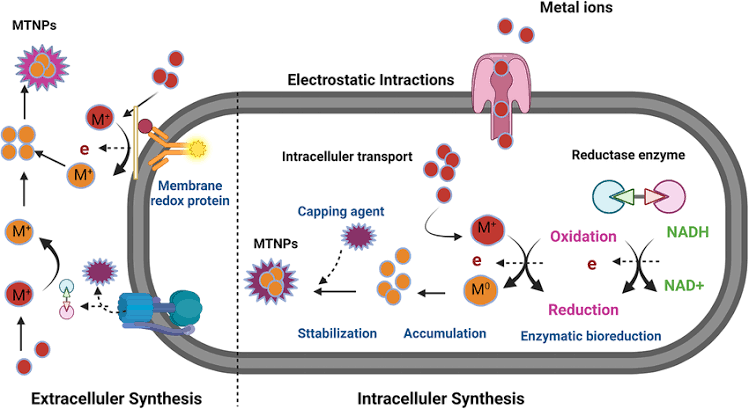
Microorganisms are master chemists, continually synthesizing a vast array of complex molecules essential for their survival, growth, and replication. This intricate process, known as biosynthesis or anabolism, involves the construction of larger molecules from smaller precursors, a highly ordered and energy-intensive endeavor. Unlike catabolism, which breaks down molecules to release energy, biosynthesis consumes energy, typically in the form of ATP, and requires reducing power. Understanding biosynthesis in microorganisms is fundamental to microbiology, biotechnology, and medicine, offering insights into microbial metabolism, drug development, and industrial applications.
Energy Coupling in Biosynthesis Processes
Biosynthesis is inherently an endergonic process, meaning it requires an input of energy to proceed. Microorganisms efficiently manage this energy demand through a sophisticated mechanism called energy coupling. This involves linking energetically unfavorable (endergonic) anabolic reactions with energetically favorable (exergonic) catabolic reactions.
The primary energy currency for biosynthesis in nearly all living organisms, including microorganisms, is adenosine triphosphate (ATP). ATP hydrolysis, the breaking of a high-energy phosphate bond, releases a significant amount of free energy (ΔG°’ = -30.5 kJ/mol), which can be harnessed to drive various cellular processes. For instance, the synthesis of a peptide bond in protein synthesis or the formation of a phosphodiester bond in nucleic acid synthesis directly consumes ATP (or its equivalents like GTP, UTP, CTP). This energy release shifts the overall equilibrium of coupled reactions, making them thermodynamically favorable.
Beyond ATP, reducing power in the form of reduced electron carriers, primarily NADPH (nicotinamide adenine dinucleotide phosphate, reduced form), is crucial for many biosynthetic pathways. NADPH provides the electrons necessary for reductive reactions, which are common in the synthesis of highly reduced compounds like fatty acids and steroids. While NADH is predominantly involved in catabolic energy generation, NADPH is specialized for anabolic processes. The cell maintains distinct pools of NADH and NADPH to regulate these separate functions.
Energy coupling also extends to the use of other high-energy compounds, such as phosphatidylcholine or creatine phosphate in some contexts, though ATP remains central. The efficiency of energy coupling ensures that microbial cells can precisely control the flow of energy from catabolic breakdown to anabolic construction, maintaining cellular homeostasis and enabling growth.
Amino Acid Synthesis in Microorganisms
Amino acids are the building blocks of proteins, and microorganisms possess robust pathways for their de novo synthesis from simpler metabolic intermediates. The synthesis of the 20 common amino acids is a complex, branched network, primarily originating from intermediates of glycolysis, the tricarboxylic acid (TCA) cycle, and the pentose phosphate pathway.
A critical step in amino acid synthesis is nitrogen assimilation. Most microorganisms obtain nitrogen from ammonia (NH3) or ammonium ions (NH4+). Ammonia is incorporated into organic molecules primarily through two key enzymes:
- Glutamate dehydrogenase (GDH): Catalyzes the reductive amination of α-ketoglutarate (a TCA cycle intermediate) to form L-glutamate.
- Glutamine synthetase (GS): Catalyzes the amidation of L-glutamate to form L-glutamine, utilizing ATP.
Glutamate and glutamine then serve as primary nitrogen donors for the synthesis of other amino acids via transamination reactions, catalyzed by aminotransferases. These enzymes transfer an amino group from an amino acid (typically glutamate) to an alpha-keto acid, forming a new amino acid and a new alpha-keto acid.
Amino acids are grouped into families based on their precursor molecules:
- Glutamate family: Proline, Arginine, also derived from α-ketoglutarate.
- Aspartate family: Lysine, Methionine, Threonine, Isoleucine, derived from oxaloacetate.
- Pyruvate family: Alanine, Valine, Leucine, derived from pyruvate.
- Serine family: Glycine, Cysteine, derived from 3-phosphoglycerate.
- Aromatic family: Phenylalanine, Tyrosine, Tryptophan, derived from phosphoenolpyruvate and erythrose-4-phosphate (via the shikimate pathway).
- Histidine: Uniquely derived from PRPP, ATP, and glutamine.
These pathways are tightly regulated, often through feedback inhibition, where the end-product amino acid inhibits an enzyme early in its own biosynthetic pathway, preventing overproduction and conserving energy.
Nucleic Acid Synthesis in Microorganisms
Nucleic acids, DNA and RNA, are polymers of nucleotides, essential for genetic information storage and expression. Nucleotide synthesis involves the formation of nitrogenous bases (purines and pyrimidines), a five-carbon sugar (ribose for RNA, deoxyribose for DNA), and phosphate groups.
A. Nucleotide Precursor Synthesis:
- Purine Synthesis (Adenine and Guanine): Occurs de novo primarily through the inosine monophosphate (IMP) pathway. This complex pathway builds the purine ring system step-by-step onto a pre-existing ribose-5-phosphate molecule (specifically, 5-phosphoribosyl-1-pyrophosphate, PRPP). The atoms composing the purine ring are derived from various sources including aspartate, glycine, glutamine, N10-formyl tetrahydrofolate, and CO2. IMP is then converted to AMP and GMP.
- Pyrimidine Synthesis (Cytosine, Uracil, and Thymine): Proceeds through a different de novo pathway, forming the pyrimidine ring first, then attaching it to PRPP. The initial steps involve the formation of carbamoyl phosphate (from glutamine, CO2, and ATP) and aspartate, which condense to form carbamoyl aspartate. Subsequent steps lead to uridine monophosphate (UMP). UMP is then converted to UTP, CTP, and eventually dTMP for DNA.
- Deoxyribonucleotide Synthesis: Ribonucleotides (e.g., ADP, GDP, CDP, UDP) are converted to their deoxyribonucleotide counterparts (dADP, dGDP, dCDP, dUDP) by the enzyme ribonucleotide reductase. This enzyme reduces the hydroxyl group at the 2′ carbon of the ribose sugar to a hydrogen atom. dUDP is then converted to dTMP, and subsequently to dTTP.
B. DNA Synthesis (Replication): DNA replication is the process by which a cell makes an exact copy of its DNA, ensuring genetic continuity during cell division. It is a semi-conservative process, meaning each new DNA molecule consists of one original strand and one newly synthesized strand.
- Initiation: Replication begins at a specific origin of replication (oriC in E. coli). Helicase unwinds the DNA double helix, creating replication forks.
- Elongation: DNA polymerase enzymes synthesize new DNA strands by adding deoxyribonucleotides complementary to the template strands. Due to the antiparallel nature of DNA and the 5′ to 3′ synthesis direction of DNA polymerase, one strand (leading strand) is synthesized continuously, while the other (lagging strand) is synthesized in short fragments called Okazaki fragments. Primase synthesizes RNA primers to initiate synthesis on both strands, and DNA ligase later joins the Okazaki fragments.
- Termination: Replication terminates when two replication forks meet or at specific termination sequences.
C. RNA Synthesis (Transcription): Transcription is the process of synthesizing RNA from a DNA template. This is carried out by RNA polymerase.
- Initiation: RNA polymerase binds to a specific DNA sequence called a promoter, unwinding a small section of the DNA helix.
- Elongation: RNA polymerase moves along the template DNA strand (the antisense strand), synthesizing an RNA molecule by adding ribonucleotides complementary to the DNA sequence. Uracil (U) replaces thymine (T) in RNA.
- Termination: RNA polymerase encounters a termination signal on the DNA, causing it to detach and release the newly synthesized RNA molecule. Microorganisms produce different types of RNA: messenger RNA (mRNA), ribosomal RNA (rRNA), and transfer RNA (tRNA).
Protein Synthesis in Microorganisms
Protein synthesis, or translation, is the process by which the genetic information encoded in mRNA is decoded to synthesize a specific protein. This occurs on ribosomes, complex molecular machines composed of rRNA and ribosomal proteins.
- Initiation:
- The small ribosomal subunit binds to the mRNA molecule at a specific sequence (Shine-Dalgarno sequence in prokaryotes) upstream of the start codon (AUG).
- An initiator tRNA carrying methionine (or N-formylmethionine in prokaryotes) binds to the start codon.
- The large ribosomal subunit then joins, completing the initiation complex. The initiator tRNA occupies the P (peptidyl) site of the ribosome.
- Elongation:
- A new tRNA carrying the next amino acid enters the A (aminoacyl) site, guided by the codon-anticodon pairing on the mRNA.
- A peptide bond is formed between the amino acid in the A site and the growing polypeptide chain in the P site, catalyzed by peptidyl transferase activity (a ribozyme within the large ribosomal subunit).
- The ribosome then translocates, moving three bases along the mRNA. The tRNA from the P site moves to the E (exit) site and is released, while the tRNA with the growing polypeptide chain shifts from the A site to the P site, leaving the A site open for the next incoming tRNA.
- This cycle repeats, adding amino acids one by one to the polypeptide chain.
- Termination:
- Elongation continues until a stop codon (UAA, UAG, or UGA) is reached on the mRNA.
- Release factors bind to the stop codon in the A site, which causes the hydrolysis of the bond between the polypeptide and the tRNA in the P site, releasing the completed polypeptide.
- The ribosomal subunits dissociate from the mRNA, ready for another round of synthesis.
Newly synthesized proteins often undergo folding (assisted by chaperones) and post-translational modifications (e.g., phosphorylation, glycosylation, cleavage) to become functional.
Protein Content of Bacteria
Proteins constitute a very significant proportion of a bacterial cell’s dry weight, typically ranging from 50% to 70%. This high protein content reflects their diverse and essential roles within the cell.
Bacteria synthesize an astonishing variety of proteins, each with a specific function:
- Enzymes: The vast majority of proteins are enzymes, catalyzing nearly all metabolic reactions, from DNA replication and repair to nutrient acquisition and energy production.
- Structural Proteins: Proteins form essential components of the cell envelope (e.g., flagellin in flagella, pilin in pili), cell wall (e.g., murein lipoprotein), and internal structures (e.g., proteins associated with the nucleoid).
- Transport Proteins: Membrane-bound proteins facilitate the uptake of nutrients and the efflux of waste products and toxins.
- Regulatory Proteins: Transcription factors and signal transduction proteins control gene expression and cellular responses to environmental changes.
- Storage Proteins: While not as prominent as in eukaryotes, some bacteria may have proteins for storing carbon or nitrogen.
The protein content and specific protein profiles of bacteria are highly dynamic, responding to environmental conditions, nutrient availability, and growth phase. During rapid growth, protein synthesis machinery operates at peak efficiency, reflecting the high demand for new enzymes and structural components.
Synthesis of Tetrapyrroles, Terpenes, and B-Complex Vitamins
Microorganisms are remarkable for their ability to synthesize a wide array of specialized metabolites essential for their own survival or, in many cases, for the benefit of other organisms (e.g., in symbiotic relationships).
A. Tetrapyrroles: Tetrapyrroles are a class of organic compounds characterized by a macrocyclic ring system composed of four pyrrole (or modified pyrrole) rings linked by single-carbon bridges. Crucial examples include:
- Heme: A component of cytochromes and heme-containing enzymes (e.g., catalases, peroxidases) involved in electron transport and oxygen metabolism.
- Chlorophyll: The light-harvesting pigment in photosynthetic bacteria and cyanobacteria.
- Cobalamin (Vitamin B12): A complex cobalt-containing tetrapyrrole derivative, acting as a coenzyme in various metabolic reactions, including DNA synthesis and amino acid metabolism.
The biosynthesis of porphyrins (the core of heme and chlorophyll) begins with succinyl-CoA (from the TCA cycle) and glycine, which condense to form α-amino-β-ketoadipate, then δ-aminolevulinic acid (ALA). Eight molecules of ALA then condense to form the linear tetrapyrrole structure, which cyclizes to form the porphyrin ring. Subsequent modifications and insertion of metal ions (iron for heme, magnesium for chlorophyll) yield the final functional molecules. Cobalamin synthesis is significantly more complex, involving a modified tetrapyrrole pathway and requiring the incorporation of cobalt.
B. Terpenes: Terpenes (or isoprenoids) are a large and diverse class of organic compounds derived from five-carbon isoprene units. They serve various functions, including:
- Structural components: Hopanoids (bacterial sterol analogs) in cell membranes, affecting fluidity.
- Pigments: Carotenoids (e.g., β-carotene) in phototrophic bacteria, involved in light harvesting and photoprotection.
- Electron carriers: Ubiquinones (coenzyme Q) and menaquinones in electron transport chains.
- Bioactive compounds: Many antibiotics and signaling molecules are terpenes.
The universal precursors for terpene synthesis are isopentenyl pyrophosphate (IPP) and its isomer dimethylallyl pyrophosphate (DMAPP). These are synthesized via two main pathways:
- Mevalonate pathway: Predominant in eukaryotes, archaea, and some bacteria. Acetyl-CoA is the starting material.
- Methylerythritol phosphate (MEP) pathway: The primary pathway in most bacteria and plants. Glyceraldehyde-3-phosphate and pyruvate are the precursors. Once IPP and DMAPP are formed, they are condensed to build larger terpene structures (e.g., geranyl pyrophosphate, farnesyl pyrophosphate, geranylgeranyl pyrophosphate), which are then cyclized and modified to yield the vast array of terpenes.
C. B-Complex Vitamins: Many microorganisms are capable of synthesizing essential B-complex vitamins, which act as crucial coenzymes in numerous metabolic reactions. While humans and other animals must obtain them from their diet, microbes can de novo synthesize them.
- Thiamine (B1): Synthesized from pyrimidine and thiazole ring precursors, often from intermediates of carbohydrate metabolism. Essential for decarboxylation reactions.
- Riboflavin (B2): Synthesized from GTP and ribulose-5-phosphate. Precursor for FMN and FAD, key electron carriers.
- Niacin (B3): Synthesized from tryptophan (in some organisms) or from aspartate/glyceraldehyde-3-phosphate pathway. Precursor for NAD+ and NADP+.
- Pantothenic acid (B5): Synthesized from valine and aspartate. A component of Coenzyme A, crucial for fatty acid metabolism and other acyl group transfers.
- Pyridoxine (B6): Synthesized from intermediates of glycolysis and the pentose phosphate pathway. Precursor for pyridoxal phosphate, involved in amino acid metabolism.
- Biotin (B7): Synthesized from alanine and pimeloyl-ACP. A coenzyme for carboxylation and decarboxylation reactions.
- Folate (B9): Synthesized from GTP, para-aminobenzoic acid (PABA), and glutamate. Tetrahydrofolate is essential for one-carbon transfers in nucleotide and amino acid synthesis.
- Cobalamin (B12): As mentioned, a complex process involving a modified tetrapyrrole.
The ability of microorganisms to synthesize these vitamins is vital for various ecosystems and is exploited in industrial fermentation for vitamin production.
Biosynthesis of Lipids in Microorganisms
Lipids are a diverse group of hydrophobic molecules essential for cell membrane structure, energy storage, and signaling. Microorganisms synthesize various types of lipids, including fatty acids, phospholipids, and in some cases, specialized lipids like hopanoids or lipopolysaccharides.
A. Fatty Acid Synthesis: Fatty acids are long hydrocarbon chains with a carboxyl group, typically synthesized in the cytoplasm. The primary precursor is acetyl-CoA.
- Acetyl-CoA Carboxylation: Acetyl-CoA is carboxylated to form malonyl-CoA, an irreversible and committed step catalyzed by acetyl-CoA carboxylase (requires ATP and biotin).
- Fatty Acid Synthase (FAS) Complex: In bacteria, this is often a dissociable multi-enzyme system (Type II FAS). The process involves a repeating cycle of four reactions:
- Condensation: Acetyl-CoA (or a growing acyl chain) condenses with malonyl-ACP (malonyl group attached to acyl carrier protein), releasing CO2.
- Reduction: The β-keto group is reduced by NADPH.
- Dehydration: Water is removed, forming a double bond.
- Reduction: The double bond is reduced by NADPH, forming a saturated acyl chain. Each cycle elongates the fatty acid chain by two carbons. The process continues until a desired chain length is reached, typically 16 or 18 carbons (palmitic or stearic acid). Unsaturated fatty acids are synthesized by introducing double bonds, often involving anaerobic pathways in bacteria.
B. Phospholipid Synthesis: Phospholipids are major components of microbial cell membranes, forming the lipid bilayer. Their synthesis involves assembling fatty acids, a glycerol backbone, and a polar head group.
- Glycerol-3-Phosphate Formation: Derived from dihydroxyacetone phosphate (a glycolysis intermediate).
- Acylation: Two fatty acyl-CoAs (synthesized as above) are attached to glycerol-3-phosphate by acyltransferases, forming phosphatidic acid.
- Head Group Attachment: The polar head group (e.g., ethanolamine, serine, glycerol) is attached to phosphatidic acid, often involving activated precursors like CDP-diacylglycerol or specialized enzymes. Common bacterial phospholipids include phosphatidylethanolamine, phosphatidylglycerol, and cardiolipin.
C. Other Lipids:
- Lipopolysaccharides (LPS): Unique to the outer membrane of Gram-negative bacteria, LPS consists of lipid A, a core oligosaccharide, and a variable O-antigen polysaccharide. Lipid A is synthesized from two glucosamine units and multiple fatty acids. The complex assembly of the core and O-antigen involves sequential addition of sugar units, often from activated sugar precursors.
- Hopanoids: Pentacyclic triterpenoids structurally analogous to sterols in eukaryotes. They are synthesized from squalene, which is derived from farnesyl pyrophosphate (a terpene intermediate). Hopanoids modulate membrane fluidity and permeability in various bacteria.
In conclusion, the biosynthetic capabilities of microorganisms are incredibly diverse and sophisticated, enabling them to construct all the complex molecules necessary for life from relatively simple precursors. These highly regulated and energy-intensive pathways are central to microbial physiology and represent a rich area for scientific study and biotechnological exploitation.