
Hypoxia, a critical physiological condition, refers to a state where the body or a region of the body is deprived of adequate oxygen supply at the tissue level. This deficiency can arise from various etiologies, leading to a spectrum of clinical manifestations and requiring targeted interventions. Understanding the classification, effects, and therapeutic approaches for hypoxia is fundamental in medical practice.
Classifying Hypoxia Based on Etiology
Hypoxia can be broadly classified into four principal types, each stemming from a distinct underlying cause that impedes oxygen delivery or utilization at the cellular level.
1. Hypoxic Hypoxia (Hypoxemic Hypoxia)
Etiology: This is the most common form of hypoxia, characterized by an insufficient partial pressure of oxygen (PO2) in the arterial blood, leading to reduced oxygen loading onto hemoglobin in the lungs. In essence, there isn’t enough oxygen entering the bloodstream.
Causes:
- Reduced Atmospheric PO2: High altitudes where the ambient air has a lower oxygen concentration (e.g., mountaineering, unpressurized aircraft).
- Hypoventilation: Reduced minute ventilation (total volume of air breathed per minute) due to conditions affecting respiratory drive, neuromuscular function, or respiratory mechanics. Examples include opioid overdose (depressing respiratory centers), Guillain-Barré syndrome (paralysis of respiratory muscles), or severe chest wall trauma.
- Ventilation-Perfusion (V/Q) Mismatch: An imbalance between the air reaching the alveoli (ventilation) and the blood flowing through the pulmonary capillaries (perfusion).
- Shunt: Blood bypasses ventilated alveoli entirely (e.g., severe pneumonia, acute respiratory distress syndrome (ARDS), atelectasis, congenital heart defects causing right-to-left shunting).
- Dead Space: Alveoli are ventilated but not perfused (e.g., pulmonary embolism).
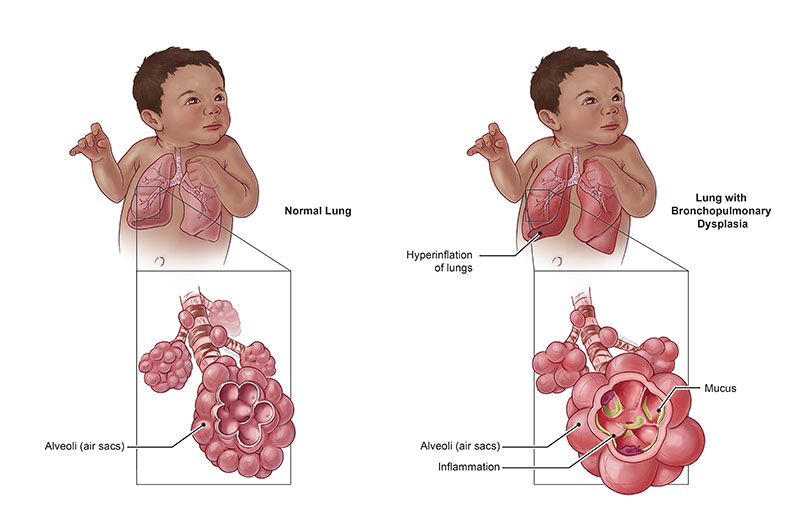
- Diffusion Impairment: Thickening or scarring of the alveolar-capillary membrane, impeding oxygen transfer from alveoli to blood (e.g., pulmonary fibrosis, interstitial lung disease).
2. Anemic Hypoxia
Etiology: This type of hypoxia occurs when the oxygen-carrying capacity of the blood is diminished, despite normal arterial PO2 and lung function. The problem lies with the “vehicle” carrying oxygen, not the amount of oxygen available to load onto it.
Causes:
- Reduced Hemoglobin Concentration: Insufficient red blood cell count or hemoglobin synthesis (e.g., iron deficiency anemia, aplastic anemia, chronic kidney disease).
- Abnormal Hemoglobin: Presence of dysfunctional hemoglobin that cannot bind oxygen effectively or releases it poorly.
- Carbon Monoxide Poisoning: Carbon monoxide (CO) has a much higher affinity for hemoglobin than oxygen, forming carboxyhemoglobin (COHb), which prevents oxygen binding. COHb also shifts the oxygen-hemoglobin dissociation curve to the left, making it harder for any bound oxygen to be released to tissues.
- Methemoglobinemia: Oxidation of iron in hemoglobin from the ferrous (Fe2+) to the ferric (Fe3+) state, forming methemoglobin (MetHb), which cannot bind oxygen. This can be caused by certain drugs or toxins.
- Significant Blood Loss: Acute or chronic hemorrhage leading to a reduction in the total number of red blood cells.
3. Stagnant Hypoxia (Ischemic or Circulatory Hypoxia)
Etiology: Stagnant hypoxia results from inadequate blood flow (perfusion) to tissues, even if the arterial blood has a normal oxygen content. The delivery system itself is compromised, leading to a localized or generalized backup of oxygen-poor blood.
Causes:
- Generalized Ischemia:
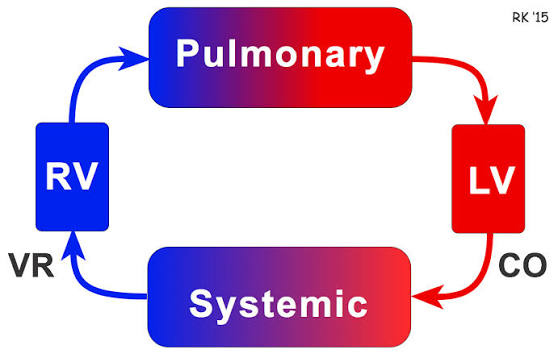
- Heart Failure: The heart’s inability to pump sufficient blood to meet the body’s metabolic demands (e.g., congestive heart failure, cardiogenic shock).
- Hypovolemic Shock: Reduced circulating blood volume (e.g., severe dehydration, hemorrhage), leading to decreased cardiac output.
- Distributive Shock: Widespread vasodilation causing relative hypovolemia and maldistribution of blood flow (e.g., septic shock, anaphylactic shock).
- Localized Ischemia:
- Arterial Occlusion: Blockage of an artery supplying a specific tissue or organ (e.g., myocardial infarction (heart attack) due to coronary artery occlusion, stroke due to cerebral artery occlusion, peripheral arterial disease).
- Venous Obstruction: Impaired venous return can also lead to local tissue congestion and reduced oxygen delivery, although the primary issue is arterial supply.
4. Histotoxic Hypoxia
Etiology: In this rare but severe form, oxygen is delivered to the tissues in normal amounts, but the cells are unable to utilize it effectively for cellular respiration, primarily due to inhibition of mitochondrial enzyme activity (e.g., cytochrome c oxidase).
Causes:
- Cyanide Poisoning: Cyanide binds to and inhibits cytochrome c oxidase, a key enzyme in the electron transport chain (and thus oxidative phosphorylation), preventing cells from using oxygen to produce ATP.
- Other Metabolic Poisons: Certain toxins or metabolic derangements can similarly impair cellular oxygen utilization, though cyanide is the classic example.
- Severe Sepsis/Mitochondrial Dysfunction: In some severe septic states, while there might be adequate oxygen delivery, cellular metabolic pathways can become dysfunctional, leading to a state akin to histotoxic hypoxia.
Effects of Hypoxia on the Body
The body’s response to hypoxia is a complex cascade, varying based on the severity, duration, and individual susceptibility. Tissues with high metabolic demands, such as the brain and heart, are most vulnerable.
1. Cellular and Biochemical Effects:
- Shift to Anaerobic Metabolism: When oxygen is scarce, cells switch from efficient aerobic respiration to less efficient anaerobic glycolysis to produce ATP. This leads to lactic acid accumulation, causing metabolic acidosis.
- Reduced ATP Production: Overall ATP production significantly decreases, impairing energy-dependent cellular processes like ion pump activity, protein synthesis, and membrane integrity.
- Cellular Dysfunction and Death: Prolonged and severe ATP depletion leads to cellular swelling, lysosomal rupture, and ultimately irreversible cell injury and death (necrosis or apoptosis).
2. Organ System Effects:
- Central Nervous System (CNS): The brain is exquisitely sensitive to hypoxia.
- Acute/Mild: Headache, nausea, dizziness, impaired judgment, confusion, visual disturbances, motor incoordination, euphoria.
- Severe/Prolonged: Seizures, stupor, coma, permanent neurological damage, cerebral edema, brain death.
- Cardiovascular System:
- Initial Response: Tachycardia (increased heart rate), increased cardiac output (to deliver more oxygenated blood), peripheral vasodilation (to improve tissue perfusion), pulmonary vasoconstriction (in attempt to shunt blood to better ventilated areas).
- Prolonged/Severe: Myocardial ischemia, arrhythmias, decreased contractility, bradycardia (late sign), cardiogenic shock, cardiac arrest.
- Respiratory System:
- Hyperventilation: Increased respiratory rate and depth (tachypnea, dyspnea) is the primary compensatory mechanism to increase oxygen intake and blow off CO2 (which can cause respiratory alkalosis).
- Pulmonary Hypertension: Chronic hypoxia can lead to sustained pulmonary vasoconstriction and remodeling, causing pulmonary hypertension and right heart failure (cor pulmonale).
- Hematologic System:
- Erythropoiesis: Chronic hypoxia stimulates erythropoietin release from the kidneys, leading to increased red blood cell production (polycythemia) to enhance oxygen-carrying capacity. This can increase blood viscosity.
- Renal System: Renal blood flow can be reduced, potentially leading to acute kidney injury in severe, prolonged hypoxia or shock states.
- Metabolic System: Lactic acidosis is a hallmark of anaerobic metabolism, contributing to overall metabolic derangements.
Significance of Oxygen Therapy in Different Types of Hypoxia
Oxygen therapy involves the administration of supplemental oxygen to increase the partial pressure of oxygen in the inspired air, thereby increasing arterial oxygen content. Its effectiveness varies significantly depending on the underlying etiology of hypoxia.
1. Hypoxic Hypoxia: Highly Effective
- Etiology Link: The core problem in hypoxic hypoxia is insufficient oxygen in the arterial blood due to issues with ventilation, diffusion, or inspired oxygen concentration.
- Significance of Oxygen Therapy: Oxygen therapy directly addresses the root cause by increasing the fraction of inspired oxygen (FiO2). This raises the partial pressure of oxygen in the alveoli (PAO2), facilitating greater oxygen diffusion into the blood and increasing arterial PO2.
- Examples:
- High Altitude Sickness: Supplemental oxygen immediately increases the inspired PO2, alleviating symptoms.
- Pneumonia, ARDS, COPD Exacerbation: By raising FiO2, oxygen therapy improves alveolar-capillary oxygen diffusion and overcomes diffusion barriers or V/Q mismatch.
- Hypoventilation: While oxygen improves oxygenation, it doesn’t correct the underlying hypoventilation. Mechanical ventilation is often needed for severe cases.
2. Anemic Hypoxia: Limited Effectiveness for Etiology, but can be Helpful
- Etiology Link: The problem is reduced oxygen-carrying capacity of hemoglobin, not the amount of oxygen available in the lungs.
- Significance of Oxygen Therapy: Oxygen therapy does not directly increase the number of red blood cells or correct dysfunctional hemoglobin. However, it can be beneficial by:
- Increasing Dissolved Oxygen: Although very little oxygen is normally carried dissolved in plasma, increasing the FiO2 can significantly raise the partial pressure of dissolved oxygen (PO2) in the blood. This small increase can deliver a vital amount of oxygen to tissues, especially when hemoglobin is severely compromised.
- Carbon Monoxide Poisoning: High concentrations of oxygen (especially hyperbaric oxygen) accelerate the dissociation of CO from hemoglobin, allowing oxygen to re-bind. This is a specific and highly effective use.
- Examples:
- Severe Anemia: Oxygen can provide some symptomatic relief by increasing dissolved O2, but blood transfusion is the definitive treatment.
- Carbon Monoxide Poisoning: 100% oxygen is critical and life-saving.
3. Stagnant Hypoxia: Limited Direct Effectiveness for Etiology, but Supportive
- Etiology Link: The primary issue is inadequate blood flow to tissues, despite potentially normal arterial oxygen content.
- Significance of Oxygen Therapy: Oxygen therapy does not directly improve blood flow. It cannot “push” oxygen through blocked vessels or compensate for a failing pump. However, it can be supportive by:
- Maximizing Oxygen Content: By ensuring the available blood is maximally saturated with oxygen, it can slightly increase the amount of oxygen delivered per unit of blood flow.
- Reducing Myocardial Workload: In conditions like cardiogenic shock, maximizing arterial oxygen can reduce the heart’s workload by slightly improving systemic oxygen delivery.
- Examples:
- Heart Failure, Shock: Oxygen therapy is standard supportive care but doesn’t resolve the circulatory failure. Treatment focuses on improving cardiac output or blood pressure.
- Peripheral Artery Occlusion: Oxygen administration won’t open the artery; surgical intervention or thrombolysis is needed.
4. Histotoxic Hypoxia: Ineffective
- Etiology Link: The problem is the inability of cells to utilize oxygen, even if it is delivered in normal quantities.
- Significance of Oxygen Therapy: Oxygen therapy is generally ineffective because the cellular machinery for oxygen utilization is poisoned. Delivering more oxygen simply means more oxygen that cannot be used.
- Examples:
- Cyanide Poisoning: Oxygen therapy is not the primary treatment. Specific antidotes (e.g., hydroxocobalamin, sodium thiosulfate) are required to detoxify cyanide or facilitate its removal from cytochrome oxidase.
Working and Clinical/Therapeutic Use of Oxygen Therapy
(a) Working Principle of Oxygen Therapy:
When supplemental oxygen is administered, it increases the partial pressure of oxygen in the inspired air (FiO2). This, in turn, increases the partial pressure of oxygen within the alveoli (PAO2). According to Henry’s Law and Fick’s Law of Diffusion, a higher PAO2 creates a greater pressure gradient between the alveoli and the pulmonary capillaries. This larger gradient drives more oxygen molecules across the alveolar-capillary membrane into the bloodstream.
Once in the blood, the increased partial pressure of oxygen (PaO2) ensures that a greater proportion of hemoglobin molecules become saturated with oxygen. Furthermore, the elevated PaO2 also leads to a slight but significant increase in the amount of oxygen dissolved directly in the plasma (which is proportional to PaO2). Together, these mechanisms increase the overall oxygen content of the arterial blood (CaO2), allowing more oxygen to be delivered to the tissues.
(b) Clinical/Therapeutic Use of Oxygen Therapy:
Oxygen therapy is a cornerstone of medical management for various conditions where hypoxemia is present or anticipated.
Indications:
- Documented Hypoxemia: Arterial PaO2 < 60 mmHg or SpO2 < 90% in individuals breathing room air.
- Suspected Hypoxemia: In acute critical situations (e.g., trauma, cardiac arrest, severe shock, massive hemorrhage) where immediate oxygenation is required before definitive measurements are available.
- Increased Work of Breathing/Myocardial Workload: To reduce the strain on the respiratory and cardiovascular systems in conditions like severe asthma, heart failure, or myocardial infarction.
- Specific Conditions: Carbon monoxide poisoning, cluster headaches, decompression sickness.
Methods of Delivery: The choice of delivery device depends on the required FiO2, patient comfort, and clinical situation.
- Low-Flow Systems (Variable FiO2): Provide only a portion of the inspired gas, with the remaining volume entrained from room air. FiO2 is variable and depends on the patient’s respiratory pattern.
- Nasal Cannula: Delivers 1-6 L/min, providing FiO2 of 24-44%. Comfortable, allows eating/drinking.
- Simple Face Mask: Delivers 5-10 L/min, providing FiO2 of 40-60%.
- Partial Rebreather Mask: Similar to simple mask, but has a reservoir bag that collects some exhaled air for rebreathing, increasing FiO2 to 50-70% at 6-10 L/min.
- Non-Rebreather Mask: Features one-way valves that prevent room air entrainment and rebreathing of exhaled air, delivering the highest FiO2 (60-90% at 10-15 L/min) among low-flow devices. Used for acute, severe hypoxemia.
- High-Flow Systems (Fixed FiO2): Deliver a precise, consistent FiO2 regardless of the patient’s breathing pattern by providing total inspiratory flow.
- Venturi Mask: Uses a jet mixing principle to entrain room air and deliver a precise FiO2 (e.g., 24%, 28%, 31%, 35%, 40%, 50%) at specific flow rates. Ideal for patients requiring precise oxygen control, like those with chronic obstructive pulmonary disease (COPD) prone to CO2 retention.
- High-Flow Nasal Cannula (HFNC): Delivers heated and humidified oxygen at very high flow rates (up to 60 L/min), providing precise FiO2 (21-100%). Can generate positive airway pressure, reduce dead space, and improve mucociliary clearance.
- Mechanical Ventilators: Used for critically ill patients requiring precise control of FiO2, respiratory rate, tidal volume, and positive end-expiratory pressure (PEEP).
Monitoring and Precautions:
- Pulse Oximetry (SpO2): Non-invasive monitoring of arterial oxygen saturation.
- Arterial Blood Gases (ABGs): Provides definitive measurements of PaO2, PaCO2, pH, and bicarbonate, crucial for assessing oxygenation and acid-base status.
- Clinical Assessment: Observing respiratory rate, work of breathing, skin color, and mental status.
- Oxygen Toxicity: Prolonged exposure to high FiO2 (>50-60%) can damage lung tissue (absorption atelectasis, tracheobronchitis, alveolar damage).
- CO2 Narcosis: In patients with chronic hypercapnia (e.g., severe COPD), high-flow oxygen can suppress hypoxic respiratory drive, leading to hypoventilation and worsening hypercapnia. Precise oxygen titration using a Venturi mask is often preferred.
- Flammability: Oxygen supports combustion, necessitating precautions around open flames or sparks.
- Drying of Mucosa: Unhumidified oxygen can dry and irritate the respiratory passages. Humidification is recommended for flows >4 L/min or prolonged therapy.
In conclusion, hypoxia is a multifaceted challenge demanding a precise understanding of its various forms. While oxygen therapy is a life-saving intervention, its efficacy is deeply intertwined with the specific etiology of the oxygen deficit. Prudent clinical application, tailored to the patient’s individual needs and the underlying cause of hypoxia, is paramount to optimizing outcomes and mitigating potential complications.