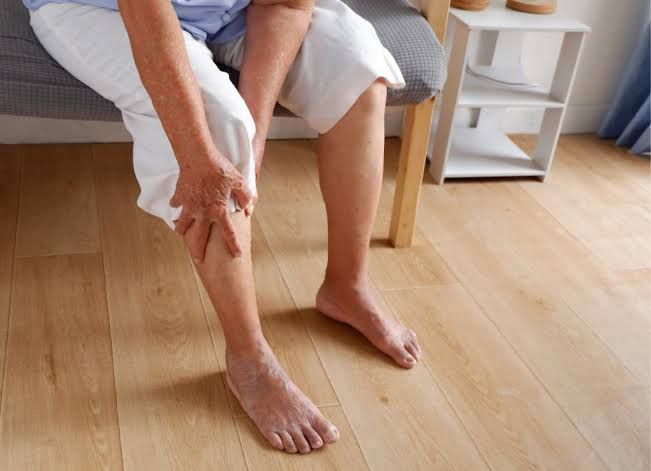
The peripheral vascular system is a vital network responsible for transporting blood to and from the extremities and organs outside the chest and abdomen. Its intricate anatomy and dynamic physiology are critical for maintaining tissue perfusion and overall bodily function. Injuries to this system can have profound and immediate consequences, ranging from acute ischemia and hemorrhage to limb loss or even death. Understanding its structure, function, common injury patterns, clinical presentations, and initial management strategies is paramount for healthcare professionals.
1. Peripheral Vascular Anatomy and Physiology
The peripheral vascular system comprises arteries, arterioles, capillaries, venules, and veins, along with the lymphatic system, which works in conjunction with the venous system to return interstitial fluid to circulation.
1.1. Anatomy
- Arteries: These vessels carry oxygenated blood away from the heart.
- Elastic Arteries (e.g., Aorta, Subclavian, Iliac): Large, with a high proportion of elastic fibers in their tunica media, allowing them to stretch and recoil, helping to maintain blood pressure during diastole.
- Muscular Arteries (e.g., Femoral, Brachial, Radial): Medium-sized, with a thicker tunica media composed primarily of smooth muscle. These regulate blood flow to specific regions through vasoconstriction and vasodilation.
- Arterioles: Smallest arteries, important in regulating peripheral resistance and distributing blood flow to capillary beds.
- Capillaries: Microscopic vessels forming vast networks where the exchange of oxygen, nutrients, and waste products occurs between blood and tissues. Their walls are only one cell thick, facilitating efficient diffusion.
- Veins: These vessels return deoxygenated blood and waste products to the heart.
- Venules: Smallest veins, collecting blood from capillary beds.
- Medium Veins (e.g., Saphenous, Cephalic, Basilic): Contain valves, especially in the limbs, to prevent backflow of blood against gravity.
- Large Veins (e.g., Vena Cavae, Jugular, Subclavian, Iliac): Larger lumen, thinner walls than arteries, and less smooth muscle and elastic tissue.
- Major Peripheral Vessels:
- Upper Extremity: Subclavian, Axillary, Brachial, Radial, Ulnar arteries (and their corresponding veins).
- Lower Extremity: Common Iliac, External Iliac, Femoral (Common, Superficial, Profunda), Popliteal, Anterior Tibial, Posterior Tibial, Peroneal arteries (and their corresponding veins, notably the Great and Small Saphenous veins).
- Neck/Cranial: Carotid arteries (Common, Internal, External), Vertebral arteries, Jugular veins (Internal, External).
1.2. Physiology
- Blood Flow Dynamics: Blood flow (Q) is directly proportional to the pressure gradient (ΔP) and inversely proportional to resistance (R) (Ohm’s Law: Q = ΔP/R). Pressure drops progressively from the aorta to the capillaries and veins.
- Regulation of Blood Flow:
- Local Control (Autoregulation): Tissues regulate their own blood flow based on metabolic needs (e.g., accumulation of metabolites like CO2, H+, adenosine causes vasodilation). Nitric oxide (NO) is a potent local vasodilator.
- Neural Control: Sympathetic nervous system primarily controls vasoconstriction via norepinephrine acting on α1-adrenergic receptors in arterial smooth muscle, influencing systemic blood pressure and redistributing blood flow.
- Hormonal Control: Hormones like angiotensin II and vasopressin cause vasoconstriction, while atrial natriuretic peptide (ANP) causes vasodilation.
- Capillary Exchange: Driven by hydrostatic and oncotic pressure gradients (Starling forces), facilitating fluid and nutrient movement out of the capillaries at the arterial end and fluid and waste return at the venous end.
- Venous Return: Facilitated by:
- Skeletal Muscle Pump: Contraction of muscles compressing veins, especially in the legs, pushing blood towards the heart.
- Venous Valves: Prevent backflow of blood, ensuring unidirectional flow.
- Respiratory Pump: Changes in intrathoracic and intra-abdominal pressure during breathing assist venous return.
2. Common Sites of Vascular Injury
Vascular injuries can occur anywhere in the peripheral system but are most common in areas where vessels are superficial, cross joints, or are in close proximity to bones that are prone to fracture.
- Lower Extremity:
- Femoral Artery (Common, Superficial, Profunda): Groin region, often from penetrating trauma (stabs, gunshots) or iatrogenic (catheterization).
- Popliteal Artery: Posterior knee, highly vulnerable to blunt trauma, especially with knee dislocations or tibial plateau fractures.
- Tibial/Peroneal Arteries: Lower leg, susceptible to direct trauma, crush injuries, or fractures of the tibia/fibula.
- Upper Extremity:
- Brachial Artery: Medial arm, common site of blunt trauma (e.g., supracondylar humerus fractures in children) or penetrating injuries.
- Axillary Artery: Axilla/shoulder, susceptible to dislocations, severe fractures of the humerus, or penetrating trauma.
- Radial/Ulnar Arteries: Forearm/wrist, often from penetrating trauma or iatrogenic injuries (e.g., arterial lines).
- Neck/Trunk:
- Carotid Arteries: Neck, vulnerable to penetrating trauma (stabs, gunshots) or blunt trauma (e.g., seatbelt injury, strangulation).
- Subclavian Artery: Thoracic outlet/shoulder girdle, susceptible to clavicle fractures, first rib fractures, or penetrating trauma.
- Veins: Any major vein can be injured, often in conjunction with arterial injuries, but also independently (e.g., deep vein thrombosis after trauma, iatrogenic injury during central line insertion).
3. Etiology, Frequency, and Mortality for Each Injury Type
Peripheral vascular injuries predominantly result from trauma, with iatrogenic causes becoming increasingly frequent.
3.1. Traumatic Injuries
- Penetrating Trauma (Stab wounds, Gunshot wounds):
- Etiology: Direct transection, perforation, or laceration of vessels. High velocity projectiles can cause significant blast effect and widespread tissue damage.
- Frequency: Very common in civilian trauma, particularly in urban areas. Gunshot wounds are often associated with multiple injuries.
- Mortality: Highly variable. Injuries to major vessels (e.g., common femoral, subclavian, carotid) can lead to rapid exsanguination and high mortality (up to 50% or more for proximal large vessel injuries if uncontrolled). Distal vessel injuries generally have lower mortality but high morbidity (limb loss).
- Blunt Trauma (Fractures, Dislocations, Crush Injuries, Deceleration Injuries):
- Etiology: Stretching, shearing, compression, or contusion of vessels. Common mechanisms include long bone fractures (e.g., popliteal artery injury with posterior knee dislocation, brachial artery injury with supracondylar humerus fracture), severe direct impacts, or compartment syndrome.
- Frequency: Common, especially in motor vehicle collisions, falls, and industrial accidents.
- Mortality: Generally lower than penetrating trauma unless associated with large vessel avulsion or severe crush injury leading to systemic effects (e.g., rhabdomyolysis and renal failure). However, significant morbidity is common, including high rates of limb loss if reperfusion is delayed (e.g., ~50% amputation rate for delayed popliteal artery repair).
- Iatrogenic Injuries:
- Etiology: Accidental puncture, laceration, or dissection during medical procedures (e.g., central venous line insertion, arterial catheterization, angiography, surgery, orthopedic procedures).
- Frequency: Increasingly common due to the rise in interventional procedures. Often affect femoral, radial, or subclavian arteries/veins.
- Mortality: Low if recognized and managed promptly. However, complications like pseudoaneurysm formation, arteriovenous fistula, or limb ischemia can lead to significant morbidity and require further intervention.
3.2. Non-Traumatic/Spontaneous Injuries
- Aneurysm Rupture/Dissection:
- Etiology: Weakening of arterial wall due to atherosclerosis, genetic conditions (e.g., Marfan syndrome), or infection. Peripheral aneurysms are less common than aortic but can occur (e.g., popliteal, femoral). Dissections (e.g., carotid) can occur spontaneously or follow minor trauma.
- Frequency: Less common in the acute trauma setting, but significant in specific patient populations (e.g., elderly with peripheral artery disease). Popliteal aneurysms are the most common peripheral arterial aneurysm.
- Mortality: High if rupture leads to massive hemorrhage (e.g., ruptured femoral aneurysm). Dissections can lead to severe ischemia (e.g., stroke from carotid dissection).
- Thrombosis/Embolism:
- Etiology: Acute arterial occlusion due to a blood clot forming within an atherosclerotic vessel (thrombosis) or a clot traveling from another site (embolism, e.g., from atrial fibrillation or a prosthetic heart valve).
- Frequency: Common cause of acute limb ischemia, especially in patients with pre-existing vascular disease.
- Mortality: Variable; direct mortality from limb ischemia is low, but systemic effects (e.g., cardiac events, renal failure from reperfusion injury) can contribute. High risk of limb loss if not promptly recognized and treated.
4. Clinical Presentation of Vascular Injury
The presentation of a peripheral vascular injury can range from subtle to immediately life-threatening. A thorough assessment is crucial.
4.1. “Hard” Signs (Suggestive of definitive vascular injury, require immediate surgical exploration):
- Pulsatile Bleeding: Blood spurting or pulsing from a wound.
- Expanding or Pulsatile Hematoma: A collection of blood that is growing rapidly or has a palpable pulse, indicating ongoing arterial leakage.
- Audible Bruit or Palpable Thrill: A “whooshing” sound heard with a stethoscope or a vibration felt over a vessel, indicating turbulent blood flow (e.g., arteriovenous fistula, partial vessel tear).
- Signs of Distal Ischemia:
- Pallor: Paleness of the limb due to lack of blood flow.
- Paresthesia: Numbness, tingling, or altered sensation due to nerve ischemia.
- Pulselessness: Absence of palpable pulses distal to the injury. This is the most reliable sign, though diminished pulses can also be significant.
- Pain: Severe pain out of proportion to the injury, often unremitting.
- Paralysis: Loss of motor function due to nerve or muscle ischemia (a late and ominous sign).
- Poikilothermia: Coolness of the limb relative to the uninjured side.
4.2. “Soft” Signs (Suggestive of possible vascular injury, warrant further investigation):
- History of Hemorrhage at Scene: Evidence of significant blood loss, even if controlled upon arrival.
- Stable, Non-Expanding Hematoma: A contained collection of blood that is not growing.
- Diminished or Asymmetric Pulses: Pulses that are weaker than expected or significantly different between limbs.
- Proximity of Injury to Major Vessels: A wound track or fracture line in close anatomical relation to a major artery or vein.
- Associated Neurological Deficit: New or worsening sensory or motor deficits in the distribution of a peripheral nerve, which can be due to nerve injury itself or ischemia.
- Hypotension or Shock: Unexplained systemic hypotension, especially in the context of trauma, which may suggest occult hemorrhage.
4.3. Signs of Compartment Syndrome: Often a complication of vascular injury or severe blunt trauma, characterized by increased pressure within a closed fascial compartment, leading to muscle and nerve ischemia. Key signs include:
- Pain out of proportion to injury.
- Pain on passive stretch of muscles within the compartment.
- Progressive paresthesia (early nerve compression).
- Palpably tense compartment.
- Pallor, pulselessness, and paralysis are late and ominous signs, indicating severe and potentially irreversible damage.
5. Complications and Initial Lines of Treatment
Prompt recognition and appropriate management are critical to minimize morbidity and mortality associated with peripheral vascular injuries.
5.1. Complications
- Acute Hemorrhage: Leading to hypovolemic shock, multiorgan failure, and death if uncontrolled.
- Acute Limb Ischemia: Leading to muscle necrosis, nerve damage, rhabdomyolysis, renal failure, and ultimately, limb loss.
- Compartment Syndrome: Untreated, causes irreversible muscle and nerve damage, requiring fasciotomy.
- Infection: Both wound infection and graft infection (if repair performed) are serious risks.
- Pseudoaneurysm Formation: A contained hematoma that communicates with the arterial lumen, risking rupture or embolism.
- Arteriovenous (AV) Fistula: Abnormal communication between an artery and a vein, leading to distal ischemia (steal phenomenon) and potential cardiac overload.
- Nerve Damage: Direct nerve transection or compromise from ischemia or compression (e.g., hematoma, compartment syndrome).
- Chronic Pain and Functional Impairment: Due to nerve damage, muscle loss, or chronic ischemia.
- Systemic Complications: Acute kidney injury secondary to rhabdomyolysis from severe ischemia, systemic inflammatory response syndrome (SIRS).
5.2. Initial Lines of Treatment
5.2.1. Immediate Life-Saving Interventions (ABCDE Principles):
- Airway and Breathing: Ensure patent airway and adequate ventilation, especially if altered mental status or thoracic injury.
- Circulation:
- Direct Pressure: Apply firm, direct pressure to the bleeding site. This is often the most effective initial method.
- Tourniquet: For severe, life-threatening extremity hemorrhage unresponsive to direct pressure. Apply proximally on the limb, above the injury, and tighten until bleeding stops. Note the time of application.
- Fluid Resuscitation: Administer intravenous crystalloids (e.g., Lactated Ringer’s) to maintain adequate perfusion. Transfuse blood products (packed red blood cells, plasma, platelets) early in massive hemorrhage protocols.
- Hemostatic Agents: Topical hemostatic dressings (e.g., combat gauze) can be used in conjunction with direct pressure, particularly for complex wounds.
- Pressure Dressings/Splinting: Can help secure initial hemostasis and immobilize injured limbs.
5.2.2. Diagnosis and Assessment:
- Clinical Examination: Re-evaluate “hard” and “soft” signs, perform serial pulse checks, assess neurological function and motor strength.
- Ankle-Brachial Index (ABI): A ratio of ankle systolic pressure to brachial systolic pressure. An ABI < 0.9 (or < 0.95 with blunt trauma) is highly sensitive for arterial injury in the lower extremity. Compare with the uninjured limb.
- Doppler Ultrasound: Used to assess blood flow and pulse quality when pulses are difficult to palpate.
- Imaging:
- Duplex Ultrasound: Non-invasive, provides real-time imaging of vessels and flow. Useful for follow-up but operator-dependent.
- CT Angiography (CTA): Rapid, widely available, provides detailed anatomical information and assesses vessel integrity. Preferred initial imaging modality in stable patients.
- Conventional Angiography: Gold standard, allows for both diagnosis and therapeutic intervention (e.g., embolization, stenting). Reserved for cases requiring intervention or when CTA is inconclusive.
5.2.3. Definitive Management Principles:
- Control Hemorrhage: Proximal and distal control of the injured vessel is paramount.
- Restore Perfusion: Reconstruct the injured artery to re-establish blood flow to the limb.
- Surgical Repair: Open surgical exploration and repair with primary repair (suturing), end-to-end anastomosis, or interposition grafting (using autologous vein or synthetic graft).
- Endovascular Repair: Less invasive, using angioplasty, stenting, or embolization (e.g., for pseudoaneurysms or AV fistulas). Suitable for select injuries in stable patients.
- Manage Associated Injuries: Address fractures, nerve injuries, soft tissue damage.
- Fasciotomy: If compartment syndrome is suspected or diagnosed, emergency fasciotomy (surgical incision of fascia to relieve pressure) is required to prevent irreversible muscle and nerve damage. This is often performed after vascular repair or in anticipation of reperfusion.
- Amputation: A last resort in cases of irreversible ischemia, severe infection, or unsalvageable limb.
- Adjunctive Therapies:
- Analgesia: Pain management is crucial.
- Tetanus Prophylaxis: For open wounds.
- Antibiotics: Prophylactic broad-spectrum antibiotics for open vascular injuries or when using synthetic grafts.
- Anticoagulation/Antiplatelet Therapy: May be used post-repair to maintain graft patency, depending on the type of repair and patient factors.
- Monitoring: Regular monitoring of limb perfusion, neurological status, and wound condition post-operatively.
Conclusion
The peripheral vascular system is a complex and indispensable network. Injuries to this system, whether traumatic or non-traumatic, demand a high index of suspicion and prompt, coordinated management. A comprehensive understanding of peripheral vascular anatomy and physiology, the common mechanisms and sites of injury, their clinical presentations, and the principles of initial management is fundamental for all medical professionals involved in acute care. Early recognition, effective hemorrhage control, and timely restoration of blood flow are critical determinants of limb salvage and patient survival, underscoring the importance of continuous education and preparedness in this field.