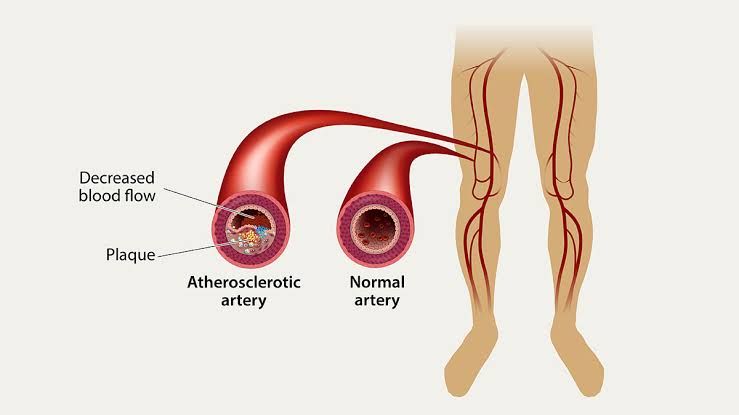
Occlusive arterial diseases represent a spectrum of conditions characterized by the narrowing or blockage of arteries, leading to reduced blood flow to the affected limbs or organs. These conditions can manifest acutely, demanding immediate intervention due to sudden and severe ischemia, or chronically, progressing gradually and often leading to chronic limb-threatening ischemia if left unmanaged. Understanding the distinctions between acute and chronic presentations, recognizing associated risk factors, and identifying appropriate surgical indications are paramount for effective diagnosis, management, and prevention of severe complications, including limb loss.
Differentiating Acute vs. Chronic Occlusive Arterial Diseases: History and Physical Examination
Accurate differentiation between acute and chronic occlusive arterial diseases is foundational for timely and appropriate medical or surgical intervention. While both involve arterial obstruction, their onset, symptomatology, and physical findings differ significantly.
1. Acute Occlusive Arterial Diseases (AOAD)
Acute occlusive arterial disease, commonly known as Acute Limb Ischemia (ALI), is a sudden decrease in limb perfusion, usually due to an embolus, thrombosis, or trauma, that threatens limb viability. It is a medical emergency.
- History:
- Sudden Onset: The most defining characteristic is the abrupt onset of symptoms, typically within hours to a few days. Patients can often pinpoint the exact time of symptom onset.
- Severe Pain: Pain is usually the first and most prominent symptom, described as severe, constant, and often excruciating, unrelieved by rest or typical analgesics.
- Absence of Prior Symptoms: Often, there is no prior history of claudication or other chronic ischemic symptoms in the affected limb, unless it’s an acute-on-chronic event (thrombosis in a pre-existing stenotic artery).
- Predisposing Conditions: A history of atrial fibrillation, recent myocardial infarction, heart valve disease, recent vascular procedure, or hypercoagulable states can indicate an embolic source. Local vessel trauma or dissection might also be relevant.
- Physical Examination:
- The “6 Ps”: These are the classic signs of acute limb ischemia and must be assessed immediately:
- Pain: Exaggerated, disproportionate to apparent injury.
- Pallor: The affected limb appears pale, waxy, or mottled due to lack of blood flow, especially when elevated.
- Pulselessness: Absence of pulses distal to the occlusion is a critical finding. Palpation of femoral, popliteal, dorsalis pedis, and posterior tibial pulses is essential.
- Paresthesia: Numbness, tingling, or altered sensation, indicating nerve ischemia. This is a sign of more severe ischemia.
- Paralysis: Inability to move the limb, indicating severe and prolonged nerve/muscle ischemia. This is an ominous sign, suggesting irreversible damage if not quickly addressed.
- Poikilothermia (Coldness): The affected limb feels significantly colder than the unaffected limb, extending proximally to the level of occlusion.
- Skin Changes: Cool, pale, sometimes mottled or cyanotic skin. Capillary refill time will be prolonged (>2 seconds).
- Muscle Tenderness: Deep muscle tenderness may indicate muscle ischemia.
- Motor/Sensory Deficits: Crucial for staging ALI (Rutherford or Fontaine classification) and guiding management.
- The “6 Ps”: These are the classic signs of acute limb ischemia and must be assessed immediately:
2. Chronic Occlusive Arterial Diseases (COAD)
Chronic occlusive arterial disease, most commonly Peripheral Artery Disease (PAD), results from the gradual atherosclerotic narrowing of arteries, typically over months to years.
- History:
- Gradual Onset: Symptoms develop slowly over time, often initially subtle and worsening progressively.
- Intermittent Claudication: The hallmark symptom. Patients experience cramping, aching, or fatigue in specific muscle groups (buttocks, thigh, calf) consistently reproduced by exercise (e.g., walking a certain distance) and relieved rapidly by rest. The site of claudication correlates with the level of occlusion (e.g., calf claudication often indicates superficial femoral artery disease).
- Atypical Leg Pain: Some patients may present with vague discomfort or exertional limitation not typical of claudication.
- Rest Pain: As the disease progresses, pain may occur at rest, especially at night when the limb is horizontal (reducing hydrostatic pressure). It is often severe, burning, distal (forefoot, toes), and typically relieved by hanging the leg off the bed or walking around (dependency). This signifies critical limb ischemia (CLI).
- Non-Healing Wounds/Ulcers: Development of chronic, non-healing ulcers (typically on pressure points, toes, or heels) or gangrene, often precipitated by minor trauma.
- Associated Conditions: A long-standing history of diabetes, hypertension, dyslipidemia, smoking, or family history of atherosclerotic disease.
- Physical Examination:
- Reduced/Absent Pulses: Palpable pulses (femoral, popliteal, dorsalis pedis, posterior tibial) will be diminished or absent distal to the stenosis. Auscultation for bruits over affected arteries (e.g., femoral artery) may indicate turbulent flow.
- Trophic Changes: Chronic ischemia leads to characteristic skin, hair, and nail changes:
- Thin, shiny, atrophic skin.
- Loss of hair on the lower extremities.
- Thickened, brittle nails.
- Dependent rubor (redness when the limb is dependent) and pallor on elevation (Buerger’s sign).
- Coolness of Limb: The affected limb may feel cooler than the unaffected limb, but typically less pronounced than in acute ischemia.
- Muscle Atrophy: Chronic disuse or ischemia can lead to wasting of calf or thigh muscles.
- Non-Healing Ulcers/Gangrene: Presence of ischemic ulcers (often “punched out,” pale base, minimal granulation tissue) or areas of gangrene (black, necrotic tissue), usually on the toes, heel, or forefoot.
- Ankle-Brachial Index (ABI): A crucial diagnostic tool. It is the ratio of ankle systolic pressure to brachial systolic pressure. An ABI < 0.90 is indicative of PAD; <0.40 suggests severe ischemia.
Summary of Key Differences:
| Feature | Acute Occlusive Arterial Disease (AOAD) | Chronic Occlusive Arterial Disease (COAD) |
|---|---|---|
| Onset | Sudden (hours to days) | Gradual (months to years) |
| Pain | Severe, constant, sudden, excruciating | Intermittent claudication, rest pain |
| Prior Symptoms | Usually none; acute-on-chronic possible | History of claudication, slow progression |
| Pulses | Abruptly absent/diminished | Progressively diminished/absent |
| Skin Temp. | Markedly cold (poikilothermia) | Mildly cool to normal |
| Skin Changes | Pallor, mottling, cyanosis | Trophic changes (hair loss, shiny skin), ulcers |
| Neurological | Paresthesia, paralysis (acute) | None or mild sensory loss if severe |
| Limb Viability | Immediately threatened | Chronically threatened (CLI) |
Recognizing Risk Factors for Chronic Occlusive Arterial Diseases and Prevention Tools
Chronic occlusive arterial diseases, primarily atherosclerosis, are driven by a combination of modifiable and non-modifiable risk factors. Effective prevention hinges on aggressively managing the modifiable ones.
1. Modifiable Risk Factors
These are factors that can be changed or managed through lifestyle adjustments and medical interventions.
- Smoking: The single most powerful and significant risk factor. It directly damages the endothelium, promotes inflammation, increases platelet aggregation, and impairs vasodilation. Nicotine causes vasoconstriction, further reducing blood flow.
- Diabetes Mellitus: Accelerates atherosclerosis, promotes calcification of arteries, and affects both large and small vessels. Poor glycemic control significantly increases risk and severity of PAD, especially infra-popliteal disease.
- Dyslipidemia: Elevated levels of low-density lipoprotein (LDL) cholesterol and triglycerides, and low levels of high-density lipoprotein (HDL) cholesterol contribute to plaque formation and arterial stiffening.
- Hypertension (High Blood Pressure): Damages the arterial endothelium, leading to dysfunctional blood vessels and increased stiffness, predisposing to atherosclerosis.
- Obesity: Often associated with other metabolic risk factors like diabetes, hypertension, and dyslipidemia, contributing indirectly to PAD.
- Physical Inactivity: Contributes to obesity, hypertension, and dyslipidemia, and reduces collateral circulation development.
- Unhealthy Diet: Diets high in saturated and trans fats, cholesterol, sodium, and refined sugars contribute to dyslipidemia, hypertension, and obesity.
- Hyperhomocysteinemia: An elevated level of homocysteine (an amino acid) in the blood may contribute to endothelial dysfunction and atherosclerosis.
- Chronic Kidney Disease: End-stage renal disease is associated with a significantly increased risk of PAD due to accelerated atherosclerosis and calcification.
2. Non-Modifiable Risk Factors
These factors cannot be changed but highlight individuals at higher inherent risk.
- Age: The prevalence of PAD increases significantly with age, particularly after 50 years.
- Gender: Historically, men have had a higher incidence, but the incidence in women increases post-menopause, eventually nearing that of men.
- Family History/Genetics: A family history of PAD, premature heart disease, or stroke suggests a genetic predisposition to atherosclerosis.
3. Prevention Tools
Prevention strategies focus on mitigating modifiable risk factors and early detection.
- Lifestyle Modifications:
- Smoking Cessation: The absolute cornerstone of PAD prevention and management. Quitting smoking can significantly slow disease progression and reduce cardiovascular events.
- Regular Physical Activity: Aim for at least 30 minutes of moderate-intensity exercise most days of the week. For patients with claudication, supervised exercise programs (SEP) are highly effective in improving walking distance and quality of life.
- Healthy Diet: Emphasize a diet rich in fruits, vegetables, whole grains, lean proteins, and healthy fats (e.g., Mediterranean diet). Limit saturated/trans fats, cholesterol, sodium, and processed foods.
- Weight Management: Maintain a healthy Body Mass Index (BMI) between 18.5 and 24.9 kg/m².
- Medical Management:
- Strict Glycemic Control: For diabetics, maintain HbA1c < 7% (individualized targets may vary) through diet, exercise, and medication (oral hypoglycemics, insulin).
- Blood Pressure Control: Maintain blood pressure below 130/80 mmHg (or according to individualized targets) using lifestyle changes and antihypertensive medications (e.g., ACE inhibitors, ARBs, diuretics, calcium channel blockers).
- Lipid Management: Aggressive lipid-lowering therapy, primarily with statins, to achieve LDL cholesterol targets (<100 mg/dL or even lower for high-risk individuals). Fibrates or other agents may be used for high triglycerides.
- Antiplatelet Therapy: Low-dose aspirin (75-325 mg daily) or clopidogrel (75 mg daily) is recommended for patients with established PAD to reduce the risk of cardiovascular events (MI, stroke, vascular death).
- ACE Inhibitors/ARBs: May be beneficial in PAD patients for blood pressure control and cardiovascular risk reduction, even in the absence of hypertension.
- Patient Education and Screening:
- Educate patients on the importance of foot care, daily inspection, and prompt attention to any foot injuries or non-healing wounds, especially in diabetics.
- Screening for PAD should be considered in high-risk individuals (e.g., diabetics >50 years, smokers, age >65) using ABI measurement.
Surgical Indications for Treatment and Intervention
Intervention for occlusive arterial disease, whether acute or chronic, is pursued when conservative management fails or when the threat to limb viability necessitates immediate action. The goal is to restore adequate blood flow to prevent tissue loss, relieve symptoms, and improve quality of life.
1. Indications for Intervention in Acute Limb Ischemia (ALI)
Acute limb ischemia is a surgical emergency, and intervention is indicated immediately unless the limb is already irreversibly damaged (e.g., fixed mottling, complete paralysis, profound anesthesia).
- Limb Salvage: The primary indication is to restore perfusion to a threatened limb (Rutherford Class I, IIa, IIb) to prevent irreversible tissue damage, nerve injury, muscle necrosis, and subsequent amputation.
2. Indications for Intervention in Chronic Occlusive Arterial Diseases (COAD)/PAD
For chronic PAD, interventions are typically considered when the disease significantly impacts quality of life or poses a threat to the limb.
- Critical Limb Ischemia (CLI): This is the most urgent indication for revascularization in chronic PAD. It is defined by:
- Rest Pain: Ischemic rest pain that is severe, persistent, and not relieved by conservative measures or analgesics.
- Non-Healing Wounds/Ulcers: Presence of ischemic ulcers or tissue loss (gangrene) that will not heal due to insufficient blood supply. Revascularization is crucial for wound healing and limb salvage.
- Severe Claudication: Debilitating claudication that significantly impairs a patient’s quality of life and functional capacity, and is refractory to at least 3-6 months of maximal medical therapy and supervised exercise programs. This is an elective indication, aimed at improving walking distance and quality of life, not immediate limb salvage.
- Acute-on-Chronic Ischemia: Acute thrombotic occlusion of a previously stenotic peripheral artery, leading to a sudden worsening of chronic symptoms and acute limb threat. This situation requires urgent intervention.
- Infection: Severe limb infection (e.g., cellulitis, osteomyelitis) in the setting of poor perfusion, where revascularization is necessary to eradicate the infection and preserve the limb.
3. Types of Interventions
The choice of intervention depends on the patient’s overall health, the severity and location of the occlusion, and the availability of suitable conduit (e.g., vein for bypass).
- Endovascular Procedures (Minimally Invasive): Often considered first-line for suitable lesions due to lower invasiveness, shorter hospital stays, and faster recovery.
- Angioplasty: Balloon dilation of the narrowed artery to widen the lumen.
- Stenting: Placement of a metal mesh tube (stent) after angioplasty to keep the artery open and prevent restenosis. Drug-eluting stents (DES) or drug-coated balloons (DCB) are increasingly used to improve long-term patency.
- Atherectomy: Removal of atherosclerotic plaque from the arterial lumen using specialized devices (e.g., rotational, directional, orbital).
- Thrombolysis/Thrombectomy (for Acute/Acute-on-Chronic): Catheter-directed delivery of clot-dissolving drugs (thrombolysis) or mechanical removal of the clot (thrombectomy) in acute occlusions.
- Open Surgical Procedures (More Invasive): Reserved for more complex, long-segment occlusions, or when endovascular approaches have failed or are not suitable.
- Bypass Grafting: Rerouting blood flow around the blocked segment of the artery using a healthy blood vessel (autologous vein, e.g., saphenous vein) or a synthetic graft (e.g., PTFE, Dacron). Common bypasses include femoropopliteal bypass, femorodistal bypass, and aortobifemoral bypass.
- Endarterectomy: Surgical removal of the atherosclerotic plaque from the inner lining of the artery. Most commonly performed in the carotid arteries but can be used in selected peripheral arteries (e.g., common femoral artery).
- Amputation: Considered a last resort when revascularization is impossible, has failed, or the limb is irreversibly necrotic and unsalvageable. The goal is to perform the most distal amputation possible to preserve maximum function.
4. Decision-Making Process
The decision to intervene, and the choice of specific procedure, is a complex one, typically involving a multidisciplinary team (vascular surgeon, interventional radiologist, cardiologist, diabetologist). Factors considered include:
- Severity of symptoms and threat to limb.
- Anatomical characteristics of the arterial lesions (length, calcification, location).
- Patient’s comorbidities and overall surgical risk.
- Patient’s preferences and goals of care.
- Expected patency rates and durability of the chosen intervention.
Conclusion
Occlusive arterial diseases, whether presenting acutely or chronically, demand meticulous clinical evaluation and timely management. Recognizing the distinct historical accounts and physical findings of acute limb ischemia versus chronic peripheral artery disease is the cornerstone of accurate diagnosis. Furthermore, a comprehensive understanding of the modifiable and non-modifiable risk factors for chronic disease underscores the imperative for aggressive primary and secondary prevention strategies, centered on lifestyle modifications and diligent medical management of comorbidities. Finally, surgical or endovascular interventions are critical tools in the armamentarium, indicated when conservative measures are insufficient or limb viability is threatened. Through integrated care, early diagnosis, and patient-centered decision-making, the impact of occlusive arterial diseases can be significantly mitigated, preserving limbs and improving the quality of life for affected individuals.