
Convulsions represent a significant neurological event characterized by sudden, involuntary muscular contractions and relaxations, often accompanied by changes in consciousness. While commonly associated with epilepsy, convulsions can arise from a multitude of underlying conditions, necessitating a thorough understanding for effective management and prevention.
Defining Convulsion
A convulsion, medically referred to as a seizure, is a transient occurrence of signs and/or symptoms due to abnormal excessive or synchronous neuronal activity in the brain. It is fundamentally an electrical disturbance in the brain. This abnormal electrical discharge can manifest in various ways, ranging from subtle alterations in awareness or sensation to dramatic, uncontrolled muscle jerking. It is crucial to differentiate a single convulsive episode from epilepsy, which is a chronic neurological condition characterized by recurrent, unprovoked seizures. A convulsion is the event, whereas epilepsy is the disorder leading to such events.
Magnitude and Patient Profiles of Convulsion
Convulsions are remarkably prevalent across the lifespan, affecting individuals of all ages, genders, and ethnicities.
- Magnitude:
- Lifetime Risk: The lifetime risk of experiencing at least one seizure is estimated to be around 5-10%, highlighting its common occurrence. However, only a fraction of these individuals will go on to develop epilepsy (approximately 1-2%).
- Incidence: The incidence of new-onset seizures is highest in early childhood (due to factors like febrile seizures, birth trauma, or developmental abnormalities) and in older adults (often linked to strokes, neurodegenerative diseases, or tumors).
- Emergency Presentations: Convulsions are a frequent cause for emergency department visits, requiring immediate assessment and management to identify underlying causes and prevent complications.
- Patient Profiles:
- Children:
- Febrile Seizures: Most common in children aged 6 months to 5 years, triggered by high fever. These are generally benign.
- Infantile Spasms: A severe form of epilepsy occurring in infancy.
- Genetic Syndromes: Many genetic disorders can predispose children to seizures (e.g., Dravet syndrome, Tuberous Sclerosis).
- Birth Trauma/Hypoxia: Perinatal insults can lead to early-onset seizures.
- Adolescents and Young Adults:
- Idiopathic Epilepsy: Many cases of epilepsy manifest in this age group without an identifiable cause.
- Head Trauma: Accidents leading to brain injury can be a risk factor.
- Substance Abuse: Drug or alcohol withdrawal can precipitate seizures.
- Older Adults:
- Cerebrovascular Disease: Stroke (ischemic or hemorrhagic) is a leading cause of new-onset seizures in the elderly.
- Neurodegenerative Diseases: Conditions like Alzheimer’s disease or Parkinson’s disease can increase seizure risk.
- Brain Tumors: Both primary and metastatic brain tumors can cause seizures.
- Metabolic Derangements: Renal failure, liver failure, severe electrolyte imbalances are more common in this age group.
- Medication Side Effects: Polypharmacy can lead to drug interactions or adverse effects causing seizures.
- Specific Populations:
- Immunocompromised Individuals: More susceptible to infections (e.g., meningitis, encephalitis) that can cause seizures.
- Individuals with Pre-existing Neurological Conditions: Those with cerebral palsy, autism, or intellectual disabilities often have a higher seizure threshold.
- Children:
Causes of Convulsion
The etiology of convulsions is diverse, broadly categorized into structural, metabolic, infectious, genetic, immune, and unknown causes.
- Structural Brain Abnormalities:
- Brain Tumors: Both benign and malignant, primary or metastatic, can irritate brain tissue.
- Cerebrovascular Disease: Stroke (ischemic or hemorrhagic), arteriovenous malformations (AVMs), cerebral aneurysms.
- Head Injuries (Traumatic Brain Injury – TBI): Acute head trauma or remote injury can lead to post-traumatic epilepsy.
- Developmental Malformations: Cortical dysplasia, focal cortical dysgenesis.
- Scars from Previous Brain Surgery or Infection: Gliotic scars can become epileptogenic foci.
- Metabolic Derangements:
- Electrolyte Imbalances: Hyponatremia (low sodium), hypernatremia (high sodium), hypocalcemia (low calcium), hypomagnesemia (low magnesium).
- Hypoglycemia: Critically low blood sugar.
- Renal Failure (Uremia): Accumulation of toxins in the blood.
- Hepatic Encephalopathy: Severe liver dysfunction.
- Hypoxia/Anoxia: Lack of oxygen to the brain (e.g., cardiac arrest).
- Porphyria: Genetic disorder affecting heme synthesis.
- Infections:
- Meningitis: Inflammation of the meninges (brain and spinal cord coverings).
- Encephalitis: Inflammation of the brain tissue itself (viral, bacterial, autoimmune).
- Brain Abscess: Localized collection of pus in the brain.
- Neurocysticercosis: Parasitic infection of the brain (common in endemic areas).
- Toxoplasmosis: Parasitic infection, especially in immunocompromised individuals.
- Genetic Factors:
- Idiopathic Epilepsies: Many forms of epilepsy have a genetic predisposition without specific structural lesions.
- Specific Genetic Syndromes: Dravet syndrome, Lennox-Gastaut syndrome, Tuberous Sclerosis, Angelman syndrome, etc.
- Channelopathies: Genetic defects in ion channels.
- Toxic/Drug-Related:
- Alcohol Withdrawal: Most common cause of withdrawal seizures.
- Drug Withdrawal: Benzodiazepines, barbiturates.
- Drug Overdose: Cocaine, amphetamines, tricyclic antidepressants, isoniazid, lithium, theophylline.
- Medication Side Effects: Certain antibiotics (e.g., imipenem), tramadol, bupropion, high doses of baclofen.
- Autoimmune/Inflammatory Conditions:
- Autoimmune Encephalitis: Antibodies attacking brain components (e.g., anti-NMDA receptor encephalitis).
- Systemic Lupus Erythematosus (SLE): Can affect the central nervous system.
- Multiple Sclerosis: Rarely, can cause seizures.
- Physiological Stressors:
- Sleep Deprivation: Common trigger in susceptible individuals.
- Extreme Stress.
- Fever: Especially in young children (febrile seizures).
- Unknown Etiology: In a significant proportion of cases, especially in epilepsy, a precise cause cannot be identified despite comprehensive investigations.
Clinical Features of Convulsion
The clinical manifestations of a convulsion are highly variable, depending on the brain region where the abnormal electrical activity originates and how it spreads. Seizures are broadly classified into focal (partial) and generalized.
- Generalized Seizures: Involve both hemispheres of the brain from the onset.
- Tonic-Clonic Seizures (Grand Mal):
- Tonic Phase: Sudden loss of consciousness, body stiffens (muscle rigidity), patient falls, may emit a cry, jaw clenches, breathing may cease (cyanosis). Lasts 10-20 seconds.
- Clonic Phase: Rhythmic jerking of limbs, typically bilateral and symmetrical, often accompanied by frothing at the mouth, tongue biting, and incontinence (urinary/fecal). Lasts 30 seconds to several minutes.
- Postictal Phase: Confusion, drowsiness, headache, muscle soreness, fatigue. Can last minutes to hours.
- Absence Seizures (Petit Mal):
- Brief episodes (5-15 seconds) of staring, vacant expression, unresponsiveness, often with subtle eye blinking or lip smacking.
- Sudden onset and offset; no postictal confusion. Common in children.
- Myoclonic Seizures:
- Sudden, brief, shock-like jerks of a muscle or muscle group. Often occur in clusters.
- No loss of consciousness.
- Atonic Seizures (Drop Attacks):
- Sudden loss of muscle tone, leading to a sudden fall. Brief, patient recovers quickly.
- Tonic Seizures:
- Sustained muscle stiffening, similar to the tonic phase of tonic-clonic seizures, but without the clonic phase. Leads to stiffening and falls.
- Clonic Seizures:
- Rhythmic jerking movements without an initial tonic phase. Less common than tonic-clonic.
- Tonic-Clonic Seizures (Grand Mal):
- Focal (Partial) Seizures: Originate in one area of the brain but can spread (secondary generalization).
- Focal Aware Seizures (Simple Partial):
- Consciousness is preserved.
- Symptoms depend on the affected brain region:
- Motor: Jerking, stiffness, or weakness in one limb or side of the face (e.g., Jacksonian march – spread of motor activity).
- Sensory: Tingling, numbness, visual disturbances (flashing lights), auditory hallucinations (buzzing sounds), olfactory (unpleasant smells), gustatory (unusual tastes).
- Autonomic: Pallor, sweating, flushing, piloerection, epigastric rising sensation, tachycardia.
- Psychic: Deja vu, jamais vu, fear, panic, inexplicable joy, distorted perception.
- Focal Impaired Awareness Seizures (Complex Partial):
- Consciousness or awareness is impaired.
- Often characterized by automatisms: repetitive, non-purposeful behaviors (e.g., lip smacking, chewing, fidgeting with clothes, walking around).
- Patient may appear awake but is unresponsive or confused, may wander aimlessly.
- Postictal confusion is common.
- Focal Aware Seizures (Simple Partial):
- Status Epilepticus:
- A neurological emergency defined as a single prolonged seizure lasting more than 5 minutes or recurrent seizures without full recovery of consciousness between episodes. Can be convulsive or non-convulsive. Requires immediate medical intervention.
Differential Diagnoses (D/Ds) of Different Types of Convulsion
Distinguishing true convulsive seizures from other paroxysmal events is crucial for accurate diagnosis and management.
- For Generalized Tonic-Clonic Seizures:
- Syncope (Fainting):
- Vasovagal Syncope: Often triggered by pain, fear, standing for long periods. Prodrome of lightheadedness, nausea, blurred vision. Brief loss of consciousness, rapid recovery. May have brief jerking (convulsive syncope), but generally less prolonged and prominent than true seizures. Incontinence is rare, tongue biting almost never.
- Cardiac Syncope: Due to arrhythmias or structural heart disease. Sudden onset, no prodrome often. Requires cardiac evaluation.
- Psychogenic Non-Epileptic Seizures (PNES) / Dissociative Seizures:
- Episodes that clinically resemble epileptic seizures but are not due to abnormal brain electrical activity. They are psychological in origin.
- Features: Fluctuating movements, often asynchronous or dramatic, pelvic thrusting, limb flailing, eye closure with resistance to opening, prolonged (minutes to hours), responsiveness to verbal stimuli during the event, no typical postictal confusion. Often occur in the presence of observers.
- Hypoglycemia: Can cause collapse and seizure-like activity. Blood glucose monitoring is key.
- Transient Ischemic Attack (TIA): Neurological deficit without loss of consciousness, usually focal.
- Migraine: Particularly complicated migraine with aura or hemiplegic migraine.
- Vertigo/Dizziness: Can cause falls but not tonic-clonic movements.
- Syncope (Fainting):
- For Absence Seizures:
- Daydreaming/Inattention: Less stereotypical, no associated automatisms, can be easily interrupted.
- Focal Impaired Awareness Seizures (with minimal automatisms): EEG is crucial for differentiation.
- Attention Deficit Hyperactivity Disorder (ADHD): Inattentive type.
- For Focal Seizures:
- TIA: Especially for focal sensory or motor events, but TIA generally has negative symptoms (loss of function) rather than positive (jerking, tingling).
- Migraine Aura: Visual, sensory, or motor disturbances preceding a headache. Progresses slower than a seizure.
- Panic Attacks: Can mimic some autonomic or psychic focal seizure symptoms (e.g., racing heart, fear), but usually accompanied by hyperventilation and acute anxiety, without loss of awareness or motor jerking.
- Narcolepsy/Cataplexy: Sudden loss of muscle tone triggered by strong emotions, distinct from atonic seizures.
- Movement Disorders:
- Tremors: Rhythmic, oscillatory movements but usually present at rest or with action, not paroxysmal or associated with impaired consciousness.
- Tics: Suppressible, brief, sudden, repetitive movements or vocalizations.
- Dystonia: Sustained or repetitive muscle contractions, often causing twisting and repetitive movements or abnormal fixed postures.
- Sleep Disorders: Nocturnal paroxysmal dystonia (now classified as frontal lobe epilepsy variants).
Investigations for Convulsion
The diagnostic workup for a convulsion aims to confirm the diagnosis of a seizure, classify its type, and identify the underlying cause.
- Acute Phase (Emergency Setting):
- Blood Tests:
- Glucose: To rule out hypoglycemia.
- Electrolytes: Sodium, potassium, calcium, magnesium, phosphate (to detect imbalances).
- Renal and Liver Function Tests: To assess organ function and identify metabolic causes.
- Full Blood Count (FBC): To check for infection, anemia.
- Toxicology Screen: For illicit drugs or medication overdose.
- Anticonvulsant Drug Levels: If patient is on medication.
- Lactic Acid/Creatine Kinase: May be elevated post-seizure.
- Electrocardiogram (ECG): To rule out cardiac arrhythmias causing syncope that mimics seizures.
- Neuroimaging (CT head/MRI brain):
- CT Head: Rapidly identify acute intracranial pathologies like hemorrhage, large tumors, or stroke, especially in the emergency setting.
- MRI Brain: More detailed imaging, preferred for identifying subtle structural lesions such as cortical dysplasia, small tumors, hippocampal sclerosis (common in temporal lobe epilepsy), or vascular malformations. This is often done electively if the CT is normal.
- Blood Tests:
- Subacute/Chronic Phase (Outpatient Follow-up):
- Electroencephalogram (EEG):
- Records the electrical activity of the brain. Can detect abnormal epileptiform discharges (spikes, sharp waves, spike-and-wave complexes) that are characteristic of seizures.
- Routine EEG (20-40 minutes) may be normal between seizures.
- Sleep-deprived EEG: Increases the yield of detecting abnormalities.
- Ambulatory EEG: Continuous recording over 24-72 hours.
- Video-EEG Monitoring: Continuous EEG recording synchronized with video, allowing correlation of clinical events with brain electrical activity. Gold standard for seizure classification and differentiating epileptic from non-epileptic events.
- Lumbar Puncture (LP): If meningitis, encephalitis, or other central nervous system infections/inflammatory conditions are suspected (e.g., fever, neck stiffness, altered mental status). Cerebrospinal fluid (CSF) analysis.
- Genetic Testing: Considered in cases of early-onset seizures, specific epilepsy syndromes, or a family history of epilepsy, especially when no other cause is found.
- Specialized Tests (as indicated):
- Neuropsychological Testing: To assess cognitive function and identify specific deficits.
- PET Scan (Positron Emission Tomography): To identify areas of abnormal glucose metabolism in the brain, which can pinpoint seizure foci.
- SPECT Scan (Single-Photon Emission Computed Tomography): Measures cerebral blood flow during or immediately after a seizure.
- Electroencephalogram (EEG):
Treatment of Convulsion
Treatment of convulsions depends on the underlying cause and whether it’s an acute event or chronic epilepsy.
- Acute Seizure Management (Emergency):
- Safety First: Protect the patient from injury (e.g., move objects away, loosen tight clothing, cushion head). Do NOT restrain or place anything in the mouth.
- Airway Management: Ensure a clear airway, turn patient on their side (recovery position) to prevent aspiration.
- Timing: Note the start and end time of the seizure.
- Medical Intervention (if status epilepticus or prolonged seizure >5 minutes):
- Benzodiazepines: First-line drugs (e.g., Lorazepam IV/IM, Diazepam IV/Rectal, Midazolam IM/Intranasal). Rapidly stop acute seizures.
- Second-line Antiepileptic Drugs (AEDs): If benzodiazepines fail (e.g., Phenytoin, Fosphenytoin, Levetiracetam, Valproate, Lacosamide) given intravenously.
- Third-line Treatment: If seizures persist, consider intubation and continuous EEG monitoring in an ICU setting, with continuous infusions of AEDs or anesthetics (e.g., Propofol, Midazolam, Pentobarbital).
- Address Underlying Cause: Treat hypoglycemia with glucose, electrolyte imbalances with correction, infections with antibiotics, etc.
- Long-Term Management (for Epilepsy):
- Antiepileptic Drugs (AEDs):
- The cornerstone of treatment for recurrent seizures. Choice depends on seizure type, patient profile, side effect profile, and comorbidities.
- Examples: Levetiracetam, Lamotrigine, Carbamazepine, Valproate, Oxcarbazepine, Topiramate, Phenytoin, Gabapentin, Pregabalin, Ethosuximide (for absence seizures).
- Goal: Seizure freedom with minimal side effects. Started at low doses and gradually titrated up.
- Patients are usually advised to continue AEDs for several years after their last seizure, often indefinitely.
- Lifestyle Modifications:
- Avoid Triggers: Sleep deprivation, excessive alcohol, recreational drugs, flickering lights (for photosensitive epilepsy).
- Stress Management.
- Regular Sleep Schedule.
- Surgical Intervention:
- Considered for drug-resistant (refractory) epilepsy, especially if a clear seizure focus can be identified (e.g., temporal lobe epilepsy with hippocampal sclerosis).
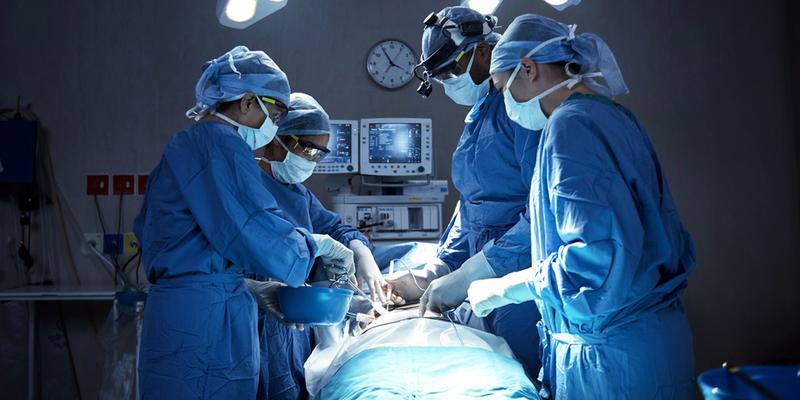
- Types: Resective surgery (remove the epileptogenic zone), disconnective surgery (e.g., corpus callosotomy), palliative surgery (e.g., Vagus Nerve Stimulation – VNS, Deep Brain Stimulation – DBS, Responsive Neurostimulation – RNS).
- Dietary Therapies:
- Ketogenic Diet: High-fat, low-carbohydrate, adequate-protein diet. Induces ketosis, which can have anticonvulsant effects. Primarily used in children with refractory epilepsy.
- Therapies for Specific Causes:
- Treating underlying brain tumors, infections, or autoimmune conditions.
- Antiepileptic Drugs (AEDs):
Prevention of Convulsion
Prevention strategies focus on avoiding triggers and managing underlying conditions.
- Primary Prevention (preventing the first seizure):
- Head Injury Prevention: Use helmets during sports, seatbelts in vehicles.
- Stroke Prevention: Manage hypertension, diabetes, hyperlipidemia; promote healthy lifestyle.
- Infection Control: Vaccinations (e.g., against meningitis, measles) and prompt treatment of infections.
- Avoidance of Neurotoxins: Limit alcohol intake, avoid illicit drugs.
- Perinatal Care: Optimal prenatal and delivery care to prevent birth injuries or hypoxia.
- Secondary Prevention (preventing recurrence in diagnosed epilepsy):
- Strict Adherence to Antiepileptic Medications: Consistent and correct dosing as prescribed.
- Lifestyle Management: Adequate sleep, avoid excessive alcohol, manage stress.
- Trigger Identification and Avoidance: Help patients identify and avoid their specific triggers (e.g., flashing lights, certain medications).
- Regular Follow-up: With a neurologist to adjust medication, monitor side effects, and assess seizure control.
- Prevention of Febrile Seizures:
- Focus on fever control with antipyretics (acetaminophen, ibuprofen), though this doesn’t consistently prevent febrile seizures. Long-term AEDs are generally not recommended for simple febrile seizures.
Complications of Convulsion
While many seizures are self-limiting, complications can arise, ranging from acute injuries to long-term neurological consequences.
- Acute Complications (during or immediately after a seizure):
- Physical Injuries: Falls, head trauma, fractures, dislocations, lacerations (especially tongue bite), burns (if near heat).
- Aspiration Pneumonia: Inhalation of stomach contents if vomiting occurs during a seizure, especially if the patient is on their back.
- Hypoxia/Anoxia: Prolonged breath-holding or impaired breathing during a seizure can lead to oxygen deprivation to the brain.
- Status Epilepticus: A medical emergency as described above, can lead to permanent brain damage or death if not promptly treated.
- Sudden Unexpected Death in Epilepsy (SUDEP): A rare but devastating complication, the exact mechanism is unclear but may involve cardiac or respiratory arrest related to the seizure.
- Long-Term Complications (especially with chronic epilepsy):
- Cognitive Dysfunction: Memory impairment, difficulties with attention, executive function difficulties, especially common in some epilepsy syndromes or with frequent seizures.
- Psychiatric Comorbidities: Increased risk of depression, anxiety disorders, and psychosis. These are often bidirectional with epilepsy.
- Social and Occupational Challenges: Stigma, limitations on driving, employment difficulties, impact on education and relationships.
- Side Effects of AEDs: Drowsiness, fatigue, dizziness, gastrointestinal issues, skin rashes, bone density loss, liver or kidney dysfunction, cognitive dulling.
- Epileptic Encephalopathy: A severe form of epilepsy where recurrent seizures and/or interictal epileptiform activity contribute to progressive brain dysfunction.
- Brain Damage: Though less common, very prolonged or frequent seizures, especially if uncontrolled, can lead to structural brain changes.
Conclusion
Convulsions are complex neurological events with diverse presentations and etiologies. A systematic approach to understanding their definition, recognizing their magnitude and patient profiles, identifying potential causes, accurately interpreting clinical features, performing appropriate differential diagnoses and investigations, and implementing timely and effective treatment strategies is paramount. Furthermore, focusing on preventative measures and anticipating potential complications are essential components of comprehensive care, aiming to improve the quality of life and outcomes for individuals affected by seizures.