Parenteral drug administration, which involves delivering medication by routes other than the digestive tract, is a critical aspect of modern healthcare. Among these, the intramuscular (IM) and intravenous (IV) routes are highly prevalent due to their distinct advantages and specific applications.
Intramuscular (IM) Administration
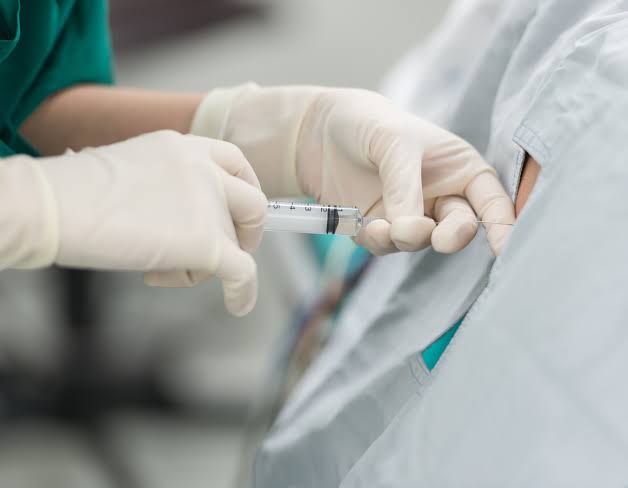
Intramuscular administration involves injecting medication directly into muscle tissue, which is rich in blood vessels, allowing for relatively rapid absorption.
Advantages of IM Administration:
- Rapid Absorption: Medications injected into muscle tissue are generally absorbed more quickly than those given orally, as they bypass the digestive system and first-pass metabolism in the liver.
- Suitable for Moderate Volumes: IM injections can accommodate larger medication volumes (typically up to 2-5 mL depending on the muscle site) compared to subcutaneous injections.
- Sustained Release: Certain formulations are designed for slow, sustained release from the muscle depot, providing a prolonged therapeutic effect (e.g., some antipsychotics, hormonal contraceptives).
- Reduced First-Pass Metabolism: Bypassing the gastrointestinal tract and initial liver metabolism ensures a higher concentration of the drug reaches systemic circulation.
- Patient Compliance: Often preferred for patients who cannot tolerate oral medications or require long-acting formulations, improving adherence to treatment.
Disadvantages of IM Administration:
- Pain and Discomfort: The injection itself can be painful, and post-injection soreness or bruising is common.
- Risk of Nerve or Vessel Damage: Incorrect injection technique or site selection can lead to damage to nerves (e.g., sciatic nerve) or blood vessels, resulting in pain, paralysis, or hematoma.
- Limited Volume: While greater than SC, there is still a limit to the volume that can be safely injected, restricting its use for very large volumes.
- Sterile Abscess Formation: Irritating medications or improper technique can lead to the formation of sterile abscesses or tissue necrosis.
- Not Suitable for Irritating Drugs: Medications that are highly irritating to tissues can cause severe pain and local tissue damage when administered via the IM route.
- Slower Onset than IV: While faster than oral, the onset of action is not as immediate as with intravenous administration.
Appropriate Sites for IM Administration:
Site selection is crucial to minimize complications, considering muscle mass, proximity to nerves/vessels, and the patient’s age.
- Adults:
- Ventrogluteal site: Recommended for most IM injections in adults. It is located by placing the heel of the hand on the greater trochanter, the index finger on the anterior superior iliac spine, and the middle finger along the iliac crest, forming a ‘V’ shape. The injection is given in the center of the ‘V’. This site is relatively free of major blood vessels and nerves and has a thick muscle layer.
- Deltoid site: Located in the deltoid muscle of the upper arm, about 2.5-5 cm (1-2 inches) below the acromion process. Suitable for smaller volumes (typically up to 1 mL) and non-irritating medications, such as vaccines.
- Vastus Lateralis site: Located in the middle third of the vastus lateralis muscle of the thigh. This site is large and well-developed, making it suitable for larger volumes and various types of medications. It is identified by dividing the thigh from the greater trochanter to the knee into thirds, and injecting into the middle outer third.
- Children (Toddlers and Older):
- Vastus Lateralis site: The primary and safest site for children, especially those under 3 years old, as their gluteal and deltoid muscles may not be sufficiently developed.
- Deltoid site: Can be used for children aged 3 years and older for smaller volumes, particularly vaccines, once adequate muscle mass is present.
- Infants (Under 12 months):
- Vastus Lateralis site: The only recommended site for IM injections in infants due to the undeveloped state of other muscles and the proximity of vital structures.
Procedure for IM Administration:
- Preparation: Verify the medication order (right patient, right drug, right dose, right route, right time). Perform hand hygiene. Gather equipment (medication, syringe, needle of appropriate length and gauge based on patient size and site, alcohol swab, gloves, sharps container, bandage).
- Medication Preparation: Draw up the correct dose of medication, ensuring no air bubbles.
- Patient Identification & Education: Identify the patient using two identifiers. Explain the procedure, potential discomfort, and answer questions.
- Site Selection: Select the appropriate IM site based on patient age, muscle mass, and medication volume.
- Positioning: Position the patient comfortably to relax the chosen muscle.
- Hand Hygiene & Gloves: Perform hand hygiene and put on non-sterile gloves.
- Site Preparation: Cleanse the injection site thoroughly with an alcohol swab, allowing it to air dry completely.
- Injection:
- Hold the syringe like a dart.
- For most IM sites (e.g., vastus lateralis, ventrogluteal): Stretch the skin taut (Z-track method often recommended to seal medication in the muscle and prevent leakage), then quickly insert the needle at a 90-degree angle into the muscle.
- For deltoid: Pinch up the muscle if small, or stretch the skin if larger.
- Aspiration (Controversial for some vaccines, but generally recommended for other drugs): Pull back on the plunger for 5-10 seconds to check for blood return. If blood appears, withdraw the needle, discard the syringe, and prepare a new dose.
- Injection: If no blood, slowly inject the medication at a rate of 1 mL per 10 seconds to minimize discomfort and allow for tissue dispersion.
- Withdrawal: Once the medication is fully injected, wait a few seconds, then quickly withdraw the needle at the same angle of insertion.
- Post-Injection: Apply gentle pressure with a dry gauze to the site; do not massage. Apply a bandage if needed. Discard the needle uncapped into a sharps container immediately.
- Documentation: Document the medication, dose, route, site, time, and patient’s response.
Intravenous (IV) Administration
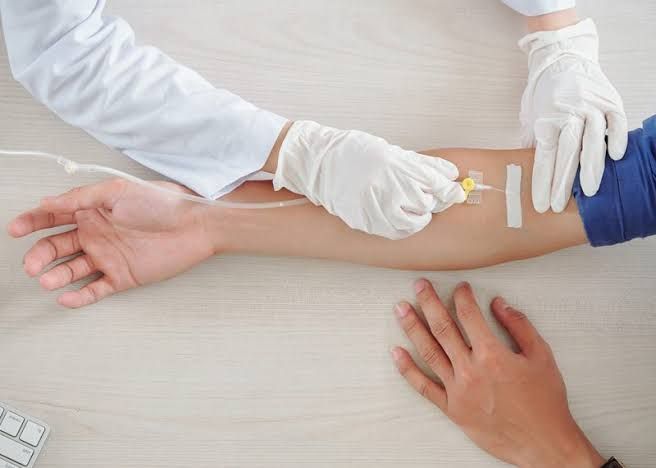
Intravenous administration involves injecting medication directly into a vein, providing immediate access to the systemic circulation.
Advantages of IV Administration:
- Immediate Effect: Drugs delivered intravenously achieve their therapeutic effect almost instantaneously, as they are introduced directly into the bloodstream, bypassing all absorption barriers. This is crucial in emergencies.
- 100% Bioavailability: The entire dose of the drug reaches the systemic circulation, ensuring precise dosing and predictable effects.
- Suitable for Large Volumes: Large volumes of fluids, electrolytes, and medications can be administered continuously over prolonged periods, essential for rehydration or nutrient delivery.
- Good for Irritating Drugs: Medications that are irritating to tissues can be administered intravenously because they are rapidly diluted by the large volume of blood, minimizing local irritation.
- Rapid Correction of Fluid/Electrolyte Imbalances: IV fluids are the quickest way to restore hydration or correct electrolyte imbalances.
- Easy Titration: The rate of drug delivery can be precisely controlled and adjusted based on the patient’s response, allowing for fine-tuning of dosages.
Disadvantages of IV Administration:
- Higher Risk of Adverse Reactions: Due to the immediate systemic effect, there is no opportunity to delay absorption or dilute the drug, making adverse reactions, including anaphylaxis, more immediate and potentially severe.
- Requires Trained Personnel: IV administration is a complex procedure requiring specialized skills for vein selection, insertion, and monitoring.
- Risk of Infection: Direct access to the bloodstream poses a significant risk of local (phlebitis, cellulitis) and systemic (sepsis) infections if aseptic technique is not strictly followed.
- Phlebitis and Infiltration/Extravasation: Inflammation of the vein (phlebitis) or leakage of fluid out of the vein into surrounding tissue (infiltration/extravasation) are common complications. Extravasation of vesicant drugs can cause severe tissue damage.
- Air Embolism: Introduction of air into the vein can lead to a potentially fatal air embolism.
- More Invasive and Painful: The procedure can be painful upon insertion, and the presence of an IV catheter can cause discomfort.
Increased Risks When Drugs Are Injected Directly into the Vein:
The direct and immediate entry of drugs into the bloodstream via the IV route bypasses the body’s natural protective mechanisms, leading to several inherent risks:
- Lack of Reversibility: Once injected, the drug cannot be retrieved or its absorption halted, unlike oral medications that might be removed via gastric lavage or activated charcoal. This makes errors in dosing or drug choice extremely dangerous.
- Rapid Onset of Action: While an advantage in emergencies, this rapid onset means that any adverse reaction, including severe allergic reactions (anaphylaxis) or toxicity from an overdose, will manifest almost immediately and with full intensity, allowing little time for intervention.
- Direct Systemic Exposure: The drug immediately circulates throughout the entire body, reaching vital organs like the heart, brain, and kidneys at peak concentration, increasing the risk of cardiotoxicity, neurotoxicity, or nephrotoxicity if not properly managed.
- Risk of Embolism: In addition to air embolism, particulate matter (e.g., undissolved drug particles from improper reconstitution, glass shards from ampoules) can be directly introduced into the circulation, leading to pulmonary embolism or other thrombotic events.
- Fluid Overload: Rapid infusion of large volumes can quickly lead to fluid overload, particularly in patients with compromised cardiac or renal function, potentially causing pulmonary edema or heart failure.
Precautions to Protect the Patient from Harmful IV Medicine Administration:
Given the inherent risks, stringent precautions are paramount to ensure patient safety during IV administration:
- The “Rights” of Medication Administration: Always adhere strictly to the “Seven Rights”: Right Patient, Right Drug, Right Dose, Right Route, Right Time, Right Documentation, and Right Reason. Some institutions add Right Response and Right to Refuse.
- Aseptic Technique: Maintain meticulous aseptic technique throughout the entire process, including hand hygiene, skin antisepsis (e.g., chlorhexidine or povidone-iodine), use of sterile gloves, and prevention of contamination of injection ports and equipment.
- Accurate Drug Preparation: Ensure correct reconstitution, dilution, and mixing of medications according to manufacturer guidelines. Verify drug compatibility with other IV fluids or medications being administered simultaneously.
- Proper Infusion Rate: Administer medication at the prescribed rate, using infusion pumps for precise control, especially for potent drugs or large volumes. Rapid bolus administration can lead to sudden adverse effects or fluid overload.
- Dilution and Flush: Ensure proper dilution of concentrated medications and always flush IV lines before and after medication administration to prevent drug residue and ensure the full dose is delivered.
- Thorough Patient Assessment and Monitoring: Assess the patient’s overall condition, allergies, medical history, and baseline vital signs before administration. Continuously monitor for signs of adverse reactions (e.g., rash, dyspnea, hypotension), infusion site complications (e.g., pain, swelling, redness), and therapeutic response.
- Labeling: All syringes, infusions, and IV lines must be clearly and accurately labeled with the drug name, dose, volume, and preparation date/time.
- Competent Personnel: Only healthcare professionals with demonstrated competence and appropriate training should administer IV medications.
- Emergency Preparedness: Have emergency equipment and medications (e.g., resuscitation cart, oxygen, antidotes for specific drugs) readily available in case of severe adverse reactions.
- Patient Education: Educate the patient about the medication, expected effects, potential side effects, and encourage them to report any unusual sensations or discomfort.
Procedure for IV Administration (Intermittent Bolus/Push):
This outlines the steps for administering a medication directly into an existing IV line or saline lock.
- Preparation: Verify the medication order. Perform hand hygiene. Gather equipment (medication, syringe, alcohol swabs, flush syringes (normal saline), gloves, sharps container).
- Medication Preparation: Draw up the correct dose of medication and flush solution.
- Patient Identification & Education: Identify the patient using two identifiers. Explain the procedure and answer questions.
- Hand Hygiene & Gloves: Perform hand hygiene and put on non-sterile gloves.
- Access IV site:
- If continuous infusion: Locate the injection port closest to the patient. Cleanse the port vigorously with an alcohol swab for 15-30 seconds and allow to air dry. Clamp the tubing above the port if required by policy.
- If saline lock/intermittent access device: Cleanse the hub vigorously with an alcohol swab.
- Assess Patency: Attach a pre-filled saline flush syringe to the port/hub. Unclamp if necessary. Gently aspirate for blood return to confirm patency (optional but recommended). Slowly inject 3-10 mL of normal saline to flush the line, observing for signs of infiltration (swelling, pain) or resistance.
- Administer Medication: Attach the medication syringe to the port/hub. Inject the medication slowly at the recommended rate (e.g., over 1-5 minutes, depending on the drug). Observe the patient for any immediate adverse reactions.
- Post-Medication Flush: Once the medication is fully injected, withdraw the medication syringe. Attach another pre-filled saline flush syringe and slowly inject 3-10 mL of normal saline to clear the line and ensure the full dose is delivered.
- Secure & Document: Clamp tubing/disconnect saline lock. Discard all sharps immediately in a sharps container. Document the medication, dose, route, site, time, and patient’s response.
Subcutaneous (SC or SQ) and Intradermal (ID) Administration
These routes involve injecting medications into layers of the skin, offering slower absorption rates compared to IM or IV.
Types of Drugs Administered by Subcutaneous (SC or SQ) Routes:
Subcutaneous injections deliver medication into the adipose (fatty) tissue layer just beneath the skin. This route is suitable for drugs that require slower, sustained absorption and are not irritating to tissues.
- Insulin: A classic example, administered multiple times daily for diabetes management.
- Heparin and Low Molecular Weight Heparins (LMWH): Anticoagulants used to prevent blood clots.
- Some Vaccines: Such as Measles, Mumps, Rubella (MMR) and Varicella (chickenpox) vaccines.
- Allergy Desensitization Injections: Small, increasing doses of allergens to build tolerance.
- Certain Hormonal Therapies: Such as some fertility drugs or testosterone.
- Pain Medications (e.g., Opioids): Often used in palliative care for continuous pain management via a subcutaneous infusion pump.
Types of Drugs Administered by Intradermal (ID) Routes:
Intradermal injections involve injecting a small volume of medication into the dermis, the layer just beneath the epidermis. This route is characterized by very slow absorption and is primarily used for diagnostic purposes or local effects where a visible reaction is desired.
- Tuberculosis (PPD) Tests: The Mantoux test for tuberculosis screening involves injecting tuberculin antigen intradermally to check for a delayed hypersensitivity reaction.
- Allergy Sensitivity Tests: Small amounts of allergens are injected intradermally to identify specific environmental or food allergies.
- Some Local Anesthetics: Occasionally used for very superficial local anesthesia before minor procedures.
- Certain Vaccines: Rarely, some vaccines like Bacille Calmette-Guérin (BCG) for tuberculosis or specific influenza vaccines may be administered intradermally.
Conclusion
The choice of drug administration route is a critical clinical decision, influenced by the drug’s properties, the desired onset and duration of action, the patient’s condition, and potential risks. While intramuscular and intravenous routes are pivotal for their rapid systemic effects and ability to handle varying drug volumes, they necessitate rigorous adherence to aseptic techniques, understanding of anatomical landmarks, and vigilant patient monitoring to mitigate inherent risks. Subcutaneous and intradermal routes, though less common for general drug delivery, serve essential roles in specific therapeutic and diagnostic applications due to their unique absorption characteristics. Mastery of these administration techniques, coupled with a thorough understanding of their advantages, disadvantages, and associated precautions, is fundamental to safe and effective patient care.