
Chronic inflammation represents a fundamental and complex pathological process, distinct from its acute counterpart, with profound implications for human health. While acute inflammation serves as an immediate, protective response to injury or infection, chronic inflammation signifies a prolonged and often detrimental state where the initial trigger persists, or the immune response becomes dysregulated. Understanding this intricate biological phenomenon is crucial for comprehending the pathogenesis of numerous prevalent diseases.
Defining Chronic Inflammation
Chronic inflammation is a protracted process (weeks to months or even years) in which inflammation, tissue injury, and attempts at repair coexist, often with varying degrees of activity. Unlike acute inflammation, which is typically short-lived and resolves once the injurious agent is eliminated, chronic inflammation ensues when the host fails to clear the initial stimulus, or when the inflammatory response itself becomes maladaptive and self-perpetuating.
Key factors contributing to the chronicity include:
- Persistent Infections: By certain microorganisms that are difficult to eradicate (e.g., Mycobacterium tuberculosis, fungi, parasites).
- Prolonged Exposure to Toxic Agents: Both exogenous (e.g., silica, asbestos) and endogenous (e.g., cholesterol crystals in atherosclerosis).
- Autoimmune Diseases: Where the immune system mistakenly targets the body’s own tissues (e.g., rheumatoid arthritis, systemic lupus erythematosus).
- Allergic Reactions: Persistent or repeated exposure to allergens.
- Unknown Etiology: In some cases, the cause remains elusive (e.g., sarcoidosis).
Characteristic Features and Types of Chronic Inflammation
Chronic inflammation is characterized by a distinct set of morphological features and can manifest in different forms.
A. Characteristic Morphological Features:
Regardless of the cause, chronic inflammation typically exhibits three concurrent processes:
- Infiltration by Mononuclear Cells: The predominant cells are macrophages, lymphocytes (T and B cells), and plasma cells. Macrophages play a central role, not only in phagocytosing foreign material and cellular debris but also in initiating and perpetuating the inflammatory response by secreting a wide array of cytokines, growth factors, and proteolytic enzymes. Lymphocytes contribute to specific immune responses, and plasma cells produce antibodies.
- Tissue Destruction: This is often mediated by the persistent inflammatory cells themselves (e.g., macrophages releasing destructive enzymes, reactive oxygen species) and can result in significant functional impairment of the affected organ.
- Attempts at Healing by Connective Tissue Replacement (Fibrosis) and Angiogenesis: While acute inflammation aims for restitution of normal tissue architecture, chronic inflammation often leads to repair by deposition of connective tissue, resulting in fibrosis (scarring) and loss of normal tissue function. Angiogenesis, the formation of new blood vessels, is also prominent, providing nutrients and oxygen for the sustained inflammatory and repair processes.
B. Types of Chronic Inflammation:
Chronic inflammation can be broadly categorized into two main types based on its histological appearance:
- Non-specific (Diffuse) Chronic Inflammation: This is the most common type, characterized by a diffuse infiltration of mononuclear cells (lymphocytes, plasma cells, macrophages) often accompanied by varying degrees of fibrosis and angiogenesis. There is no distinctive architectural pattern. Examples include chronic cholecystitis, chronic gastritis, and the inflammation seen in chronic autoimmune diseases like rheumatoid arthritis where there is widespread mononuclear cell infiltration in the synovium.
- Granulomatous Inflammation: This is a distinct and specialized form of chronic inflammation characterized by the formation of granulomas. It represents a cellular attempt to contain an offending agent that is difficult to eradicate.
Defining Granuloma
A granuloma is a microscopic aggregate of activated macrophages, typically transformed into epithelioid cells, surrounded by lymphocytes and occasionally by plasma cells. It is a highly organized lesion that forms when the immune system attempts to wall off substances that it perceives as foreign but cannot eliminate. These substances can be infectious agents (like tubercle bacilli) or non-infectious agents (like suture material).
The formation of a granuloma often involves a cell-mediated (Type IV hypersensitivity) immune response, where activated T lymphocytes induce macrophages to transform into epithelioid cells and fuse to form multinucleated giant cells. The purpose of the granuloma is to sequester the offending agent, thereby preventing its dissemination, though this walling-off can sometimes come at the cost of tissue dysfunction.
Etiological Classification of Granuloma with Examples
Granulomas can be classified based on their etiology, broadly divided into two main categories: Immune Granulomas and Foreign Body Granulomas, with some cases falling into an “unknown etiology” category.
A. Immune Granulomas:
These are caused by persistent T-cell mediated immune responses, usually to poorly degradable antigens. The activated T lymphocytes produce cytokines (e.g., IFN-γ) that activate macrophages, which then transform into epithelioid cells and giant cells.
- Infectious Granulomas:
- Mycobacterial Infections:
- Tuberculosis: Caused by Mycobacterium tuberculosis. Characterized by caseating granulomas (with central necrosis).
- Leprosy: Caused by Mycobacterium leprae. Can be caseating or non-caseating depending on the type of leprosy.
- Atypical Mycobacterial Infections: Granulomas identical to tuberculosis.
- Fungal Infections:
- Histoplasmosis: Caused by Histoplasma capsulatum. Can be caseating or non-caseating.
- Coccidioidomycosis: Caused by Coccidioides immitis.
- Blastomycosis: Caused by Blastomyces dermatitidis.
- Parasitic Infections:
- Schistosomiasis: Caused by Schistosoma species eggs (ova). Granulomas form around the trapped eggs.
- Bacterial Infections (other than Mycobacterial):
- Syphilis (Gumma): Caused by Treponema pallidum. Characterized by a firm, rubbery lesion with a central area of coagulative necrosis.
- Cat-scratch Disease: Caused by Bartonella henselae. Characterized by stellate (star-shaped) necrosis surrounded by neutrophils and then epithelioid macrophages.
- Mycobacterial Infections:
- Immune-Mediated Granulomas (Non-Infectious):
- Sarcoidosis: A systemic disease of unknown etiology, characterized by non-caseating granulomas in multiple organs (lungs, lymph nodes, skin, eyes, etc.).
- Crohn’s Disease (Inflammatory Bowel Disease): Characterized by non-caseating granulomas in the gastrointestinal tract, though they are not always present.
- Primary Biliary Cholangitis (formerly Primary Biliary Cirrhosis): Non-caseating granulomas around bile ducts in the liver.
B. Foreign Body Granulomas:
These form in response to relatively inert foreign bodies that are too large to be phagocytosed by a single macrophage. They do not typically involve a potent T-cell mediated immune response. The foreign material may be endogenous (e.g., keratin, urate crystals) or exogenous (e.g., suture material, talc, silica, beryllium). The granuloma forms to enclose the foreign substance.
- Suture Granuloma: Reaction to surgical sutures.
- Talc Granuloma: Reaction to talc (magnesium silicate), often seen in drug abusers injecting crushed pills.
- Silicosis: Reaction to inhaled silica particles in the lungs, leading to fibrotic nodules.
- Berylliosis: Reaction to beryllium exposure, mimicking sarcoidosis with non-caseating granulomas.
Morphological Features of a Tubercular Granuloma
The tubercular granuloma, also known as a tubercle, is the classic example of an immune granuloma and is highly characteristic of tuberculosis, caused by Mycobacterium tuberculosis. Its distinct morphological features are crucial for diagnosis.
A typical mature tubercular granuloma exhibits the following features, often described as a concentric arrangement:
- Central Caseous Necrosis: At the core of the granuloma, there is a distinctive type of necrosis called caseous necrosis. Macroscopically, this appears as soft, cheesy, yellowish-white material (from the Latin caseus, meaning cheese). Microscopically, it is an amorphous, granular, eosinophilic (pink-staining) material composed of fragmented cells and necrotic debris, devoid of nuclear remnants (unlike liquefactive necrosis). This necrosis is thought to be a result of the host’s immune response attempting to wall off and destroy the mycobacteria, but also causes significant tissue damage.
- Epithelioid Cells: Surrounding the central caseous necrosis (if present) are aggregates of epithelioid cells. These are activated macrophages that have undergone a morphological transformation. They have abundant, pale eosinophilic cytoplasm and oval, elongated, and often slipper-shaped nuclei, resembling epithelial cells (hence “epithelioid”). They are specialized for secretion and are less phagocytic than typical macrophages.
- Langhans Giant Cells: Interspersed among the epithelioid cells, particularly at the periphery of the central necrosis, are large, multinucleated cells known as Langhans giant cells. These are formed by the fusion of multiple epithelioid cells. A key distinguishing feature is the arrangement of their nuclei, which are typically found in a horseshoe or peripheral ring pattern. These cells are highly active in attempting to contain the mycobacteria.
- Lymphocytes and Other Mononuclear Cells: Encircling the epithelioid cells and giant cells is a cuff of lymphocytes (predominantly T-lymphocytes) and plasma cells. These lymphocytes are crucial for orchestrating and maintaining the granulomatous response through cytokine production.
- Fibroblasts and Collagen: At the outermost periphery of a well-established or chronic tubercular granuloma, there are often concentric layers of fibroblasts and collagen fibers. This fibrous capsule represents an attempt by the body to wall off the granuloma, containing the infection and contributing to the stability of the lesion. Over time, this fibrosis can become quite extensive and lead to calcification.
The presence of central caseous necrosis is the hallmark that distinguishes tubercular granulomas from many other forms of granulomatous inflammation (e.g., sarcoidosis, which typically features non-caseating granulomas).
Clinical Implications of Chronic Inflammations
The clinical implications of chronic inflammation are vast and profoundly impact human health, contributing to the pathogenesis and progression of a wide array of chronic diseases. Its persistent nature leads to ongoing tissue damage, impaired organ function, and systemic manifestations that significantly affect quality of life and longevity.
A. Link to Major Chronic Diseases:
Chronic inflammation is increasingly recognized as a foundational element in many of the most prevalent and debilitating diseases worldwide:
- Autoimmune Diseases: Chronic inflammation is the defining feature of autoimmune conditions such as Rheumatoid Arthritis (RA), Systemic Lupus Erythematosus (SLE), Inflammatory Bowel Disease (IBD) (Crohn’s disease and ulcerative colitis), Psoriasis, and Multiple Sclerosis. In these disorders, the immune system mistakenly attacks the body’s own tissues, leading to chronic tissue destruction and dysfunction in joints, skin, gut, nervous system, and other organs.
- Cancer: Chronic inflammation is a well-established “enabling characteristic” of cancer. Persistent inflammatory states create a microenvironment conducive to tumorigenesis, promoting cell proliferation, angiogenesis, resistance to apoptosis, and metastasis. Examples include Helicobacter pylori-induced chronic gastritis leading to gastric cancer, chronic ulcerative colitis predisposing to colorectal cancer, and chronic hepatitis B or C leading to hepatocellular carcinoma.
- Metabolic Disorders: Low-grade, systemic chronic inflammation is a key factor in the development and progression of Type 2 Diabetes Mellitus, Obesity, and Metabolic Syndrome. Adipose tissue, particularly visceral fat, acts as an endocrine organ, releasing pro-inflammatory cytokines that contribute to insulin resistance and systemic inflammation.
- Cardiovascular Diseases: Atherosclerosis, the underlying cause of heart attacks and strokes, is fundamentally a chronic inflammatory disease of the arterial walls. Endothelial dysfunction, lipid deposition, and subsequent chronic inflammation involving macrophages and lymphocytes lead to the formation of atherosclerotic plaques, which can rupture, causing acute events.
- Neurodegenerative Diseases: Chronic neuroinflammation, mediated by activated microglia and astrocytes, is implicated in the progression of diseases like Alzheimer’s Disease, Parkinson’s Disease, and Amyotrophic Lateral Sclerosis (ALS). While inflammation might initially be protective, its chronic activation can contribute to neuronal damage and cognitive decline.
- Pulmonary Diseases: Chronic inflammation contributes to conditions like Chronic Obstructive Pulmonary Disease (COPD), Asthma, and Cystic Fibrosis, leading to airway remodeling, fibrosis, and impaired lung function.
B. Local Tissue Damage and Organ Dysfunction:
Beyond systemic disease links, chronic inflammation directly causes localized pathology:
- Fibrosis and Scarring: Persistent inflammation promotes fibroblast activation and excessive collagen deposition, leading to fibrosis. This can result in significant organ damage and functional impairment, such as cirrhosis of the liver, chronic kidney disease, and pulmonary fibrosis, where normal tissue architecture is replaced by non-functional scar tissue.
- Pain and Swelling: Chronic inflammatory conditions often present with persistent pain, localized swelling, warmth, and redness due to ongoing inflammatory mediator release and tissue changes.
- Loss of Function: Over time, the cumulative tissue destruction and fibrosis can lead to debilitating loss of function in affected organs or joints (e.g., joint deformity in RA, impaired digestion in IBD).
C. Systemic Manifestations:
Chronic inflammation can also exert widespread effects on the body, beyond the primary site of inflammation:
- Fatigue and Malaise: Persistent release of inflammatory cytokines (e.g., TNF-α, IL-1, IL-6) can lead to systemic symptoms such as chronic fatigue, general feeling of unwellness, and profound malaise.
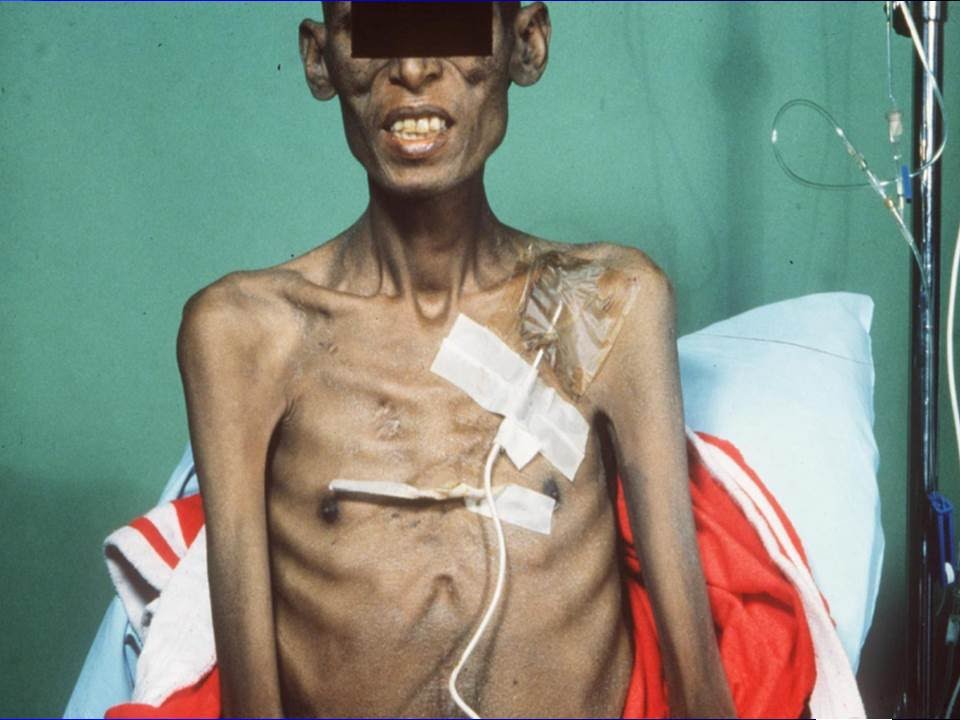
- Fever and Weight Loss (Cachexia): Low-grade fever and unexplained weight loss are common in many chronic inflammatory diseases, particularly those involving widespread inflammation or malignancy. Cachexia, a severe form of muscle wasting, can occur in advanced stages.
- Elevated Acute-Phase Reactants: Blood tests often reveal elevated levels of acute-phase proteins like C-reactive protein (CRP) and erythrocyte sedimentation rate (ESR), which are systemic markers of inflammation.
- Anemia of Chronic Disease: Chronic inflammation can interfere with iron metabolism and red blood cell production, leading to a specific type of anemia.
Conclusion: Managing Chronic Inflammatory States
Chronic inflammation is a multifaceted and often insidious process that underlies a vast spectrum of human diseases, ranging from autoimmune disorders and cancer to metabolic and neurodegenerative conditions. Its complexity arises from the interplay of persistent injurious agents, a dysregulated immune response, and ongoing attempts at tissue repair that can paradoxically lead to further damage through fibrosis.
Understanding the characteristic features of chronic inflammation, including the cellular infiltration, tissue destruction, and concurrent healing attempts, is crucial. Furthermore, recognizing the highly organized nature of granulomatous inflammation, particularly the intricate morphology of the tubercular granuloma, provides vital diagnostic clues for specific infections and conditions. Given its pervasive nature and profound clinical implications, early identification, effective management, and novel therapeutic strategies targeting the underlying inflammatory pathways are paramount in mitigating the long-term health burdens imposed by chronic inflammatory states.