Trachoma, a debilitating eye disease, stands as the leading infectious cause of blindness globally. Primarily affecting underserved communities in tropical and subtropical regions, its chronic nature and potential for irreversible vision loss underscore the critical importance of understanding its complexities. This guide provides a professional, step-by-step exploration of trachoma, covering its definition, etiology, pathology, clinical manifestations, diagnostic approaches, preventive strategies, and treatment modalities.
1. Defining Trachoma, Its Etiology, and Pathology
1.1. Definition of Trachoma: Trachoma is a chronic, progressive keratoconjunctivitis caused by repeated infection with specific serovars of the bacterium Chlamydia trachomatis. It typically begins in childhood and, without intervention, can lead to painful scarring of the inner eyelid, inturned eyelashes (trichiasis), and ultimately, irreversible corneal opacification and blindness in adulthood. The disease is classified by the World Health Organization (WHO) as one of the neglected tropical diseases (NTDs).
1.2. Etiology of Trachoma: The causative agent of trachoma is Chlamydia trachomatis, specifically serovars A, B, Ba, and C. This obligate intracellular bacterium is highly adapted to human epithelial cells, particularly those of the conjunctiva.
- Mode of Transmission: Trachoma is highly contagious and spreads primarily through:
- Direct contact: Via eye-to-eye contact, or contact with ocular and nasal discharges from an infected person.
- Indirect contact: Through contaminated fingers, fomites (e.g., shared towels, clothing, bedding), and eye-seeking flies (particularly Musca sorbens), which mechanically transmit ocular secretions from an infected individual to another.
- Risk Factors: Several factors contribute to the prevalence and transmission of trachoma:
- Poor hygiene: Infrequent face washing, especially in children.
- Overcrowding: Facilitates close contact and transmission.
- Lack of access to clean water and sanitation: Contributes to unhygienic living conditions and fly breeding.
- Poverty: Often correlates with the aforementioned risk factors.
- Young age: Children are most susceptible to infection and act as primary reservoirs for transmission.
1.3. Pathology of Trachoma: The pathology of trachoma involves a chronic inflammatory process initiated by repeated Chlamydia trachomatis infections of the conjunctiva, primarily the upper tarsal conjunctiva.
- Initial Infection and Inflammation: Upon infection, Chlamydia trachomatis invades conjunctival epithelial cells. This triggers a robust inflammatory response characterized by the infiltration of lymphocytes, plasma cells, and macrophages.
- Follicle Formation (Lymphoid Hyperplasia): A hallmark of early trachoma is the formation of lymphoid follicles – small, discrete, elevated lesions composed of aggregates of lymphocytes. These are most prominent on the upper tarsal conjunctiva.
- Papillary Hypertrophy: In conjunction with follicles, diffuse inflammation leads to papillary hypertrophy, where the normal vascular conjunctival surface becomes thickened and irregular due to dilated capillaries and inflammatory cell infiltration.
- Scarring: Chronic and repeated inflammation leads to the destruction of normal conjunctival tissue and its replacement with fibrous scar tissue. This scarring is progressive and irreversible.
- Conjunctival Scarring (TS): As scarring progresses, the conjunctiva becomes whitened, thickened, and contracts. Severe scarring can affect the entire tarsal plate.
- Line of Arlt: A characteristic sign of severe scarring is the presence of a white, often linear, depression or band running parallel to the lid margin on the upper tarsal conjunctiva, known as Arlt’s line.
- Distortion of Eyelid Anatomy (Trichiasis): The contraction of scar tissue in the upper tarsal conjunctiva distorts the lid margin, causing the eyelashes to turn inwards (trichiasis). This is a critical stage as misdirected lashes constantly rub against the cornea.
- Corneal Damage: The constant abrasion of trichiasis against the cornea leads to:
- Corneal Epithelial Abrasions: Superficial damage to the corneal surface.
- Pannus Formation: Vascularization and opacification of the superior cornea, initially forming a superficial pannus as vessels grow in from the limbus.
- Corneal Ulceration and Infection: Repeated trauma makes the cornea vulnerable to secondary bacterial infections and ulceration.
- Corneal Opacification (CO): Chronic inflammation, recurrent abrasions, and subsequent scarring lead to irreversible clouding of the cornea, severely impairing vision and eventually causing blindness. The corneal pathology directly results from the mechanical trauma of trichiasis and chronic inflammation.
2. Clinical Features and Differential Diagnosis
2.1. Clinical Features (WHO Simplified Grading System): The WHO developed a simplified grading system for clinical assessment of trachoma, which is crucial for diagnosis, surveillance, and program implementation. These signs are often bilateral, though asymmetry can occur.
- Trachomatous Inflammation – Follicular (TF): The presence of five or more follicles (0.5 mm or more in diameter) on the upper tarsal conjunctiva. This is a sign of active infection, typically seen in children.
- Trachomatous Inflammation – Intense (TI): Marked inflammatory thickening of the tarsal conjunctiva that obscures more than half of the normal deep tarsal vessels. This indicates severe, active inflammation and is associated with a high bacterial load.
- Trachomatous Scarring (TS): The presence of clearly visible scars in the tarsal conjunctiva. These appear as white, fibrous bands.
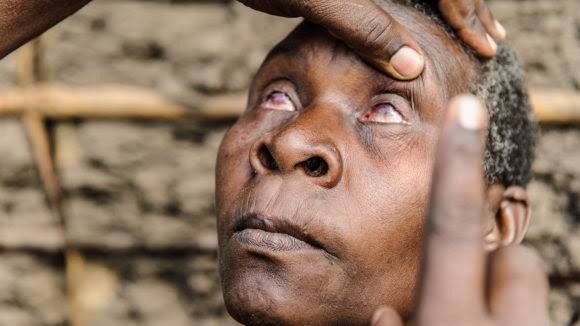
- Trachomatous Trichiasis (TT): At least one eyelash rubbing on the eyeball or evidence of recent removal of inturned eyelashes. This is a painful and potentially blinding stage.
- Corneal Opacity (CO): Visible corneal opacification that blurs the pupillary margin. This indicates irreversible vision loss.
2.2. Differential Diagnosis: Distinguishing trachoma from other ocular conditions is vital for accurate management. Conditions that may present with similar symptoms or signs include:
- Bacterial Conjunctivitis: Acute onset, purulent discharge, often unilateral, generally resolves with antibiotics without scarring. Unlike trachoma, it typically doesn’t cause follicular hypertrophy or scarring of the tarsal conjunctiva of the same magnitude. Etiology is diverse, not specific Chlamydia serovars.
- Viral Conjunctivitis (e.g., Adenovirus): Often associated with upper respiratory tract infections, watery discharge, pre-auricular lymphadenopathy, and sometimes diffuse follicular hypertrophy. Scarring is rare.
- Allergic Conjunctivitis (e.g., Vernal Keratoconjunctivitis – VKC): Characterized by intense itching, stringy discharge, giant papillae (cobblestone appearance) on the upper tarsal conjunctiva, and sometimes limbal papillae. Often seasonal and bilateral. VKC papillae are generally larger and flatter than trachoma follicles/papillae.
- Chronic Blepharitis: Inflammation of the eyelid margins, often with scaling and redness, but typically without the characteristic tarsal conjunctival follicles, scarring, or trichiasis seen in trachoma.
- Ocular Rosacea: Can cause chronic blepharitis, conjunctivitis, and corneal changes, but systemic signs of rosacea are usually present.
- Drug-induced Follicular Conjunctivitis: Certain topical medications (e.g., brimonidine, idoxuridine) can induce follicular reactions.
- Other types of Conjunctival Scarring: Can result from severe chemical burns, Stevens-Johnson syndrome, or ocular cicatricial pemphigoid, which typically have a different historical context and pattern of scarring (e.g., symblepharon, ankyloblepharon).
3. Differentiating Early and Late Stage Symptoms and Signs
Trachoma progresses through distinct stages, and understanding these differences is crucial for diagnosis and intervention.
3.1. Early Stage Symptoms and Signs (Active Trachoma)
- Symptoms:
- Mild ocular irritation, itching, or foreign body sensation.
- Watery or mucopurulent discharge.
- Redness of the eyes.
- Photophobia.
- Signs (WHO Grading TF and TI):
- Follicular Hypertrophy (TF): Small, raised, lymphoid follicles on the upper tarsal conjunctiva. These are the hallmark of active infection and are most common in children below 10 years.
- Papillary Hypertrophy: Diffuse velvety appearance of the tarsal conjunctiva due to vascular engorgement and inflammatory cell infiltration.
- Conjunctival Infiltration: Opaque, thickened conjunctiva, obscuring tarsal vessels (TI).
- Pannus (early): Mild, superficial vascularization and opacification of the upper cornea (not yet causing significant vision loss).
3.2. Late Stage Symptoms and Signs (Cicatricial Trachoma)
- Symptoms:
- Chronic foreign body sensation due to inturned lashes.
- Severe eye pain and irritation.
- Recurrent episodes of eye redness and discharge.
- Progressive decrease in vision.
- Blindness.
- Signs (WHO Grading TS, TT, and CO):
- Conjunctival Scarring (TS): White, avascular fibrous bands visible on the tarsal conjunctiva, replacing healthy tissue. Arlt’s line may be present.
- Trichiasis (TT): Misdirected eyelashes rubbing against the cornea, often causing corneal abrasions or ulcers.
- Entropion: Inward turning of the eyelid margin itself due to severe scarring.
- Corneal Opacification (CO): Clouding of the cornea ranging from fine haziness to dense, white opacity, leading to severe vision impairment or blindness. This is the end-stage result of chronic irritation and secondary infection.
- Secondary Infections: Corneal ulcers from bacterial or fungal infections due to chronic epithelial damage.
- Dry Eye: Damage to goblet cells and lacrimal ducts due to chronic inflammation and scarring can lead to tear film instability and dry eye syndrome, exacerbating discomfort and corneal damage.
4. Early Diagnosis and Prevention
4.1. Early Diagnosis of Trachoma: Early diagnosis is crucial to prevent progression to blinding stages.
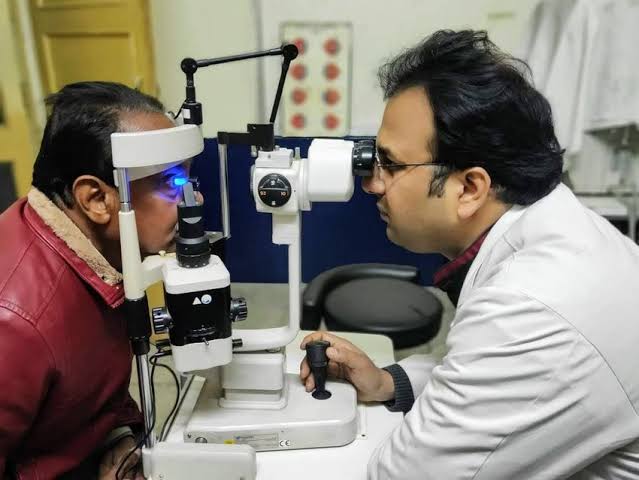
- Clinical Examination: This is the primary method for diagnosing trachoma in endemic areas. Trained healthcare professionals utilize a penlight and a loupe (or slit lamp if available) to examine the everted upper eyelid and cornea for the characteristic signs outlined in the WHO simplified grading system (TF, TI, TS, TT, CO). Diagnosis is usually made based on the presence of TF or TI.
- Laboratory Confirmation (for epidemiological studies or unclear cases):
- NAAT (Nucleic Acid Amplification Tests): PCR-based tests are highly sensitive and specific for detecting Chlamydia trachomatis DNA from conjunctival swabs. These are primarily used in research or surveillance rather than routine clinical diagnosis in endemic settings, given their cost and complexity.
- Immunodiagnostic Tests: Direct fluorescent antibody (DFA) tests or enzyme immunoassays (EIA) can detect chlamydial antigens, but are less sensitive than NAAT.
- Culture: Isolation of Chlamydia trachomatis in cell culture is the gold standard but is technically demanding and slow, not practical for routine diagnosis.
4.2. Prevention of Trachoma: Prevention strategies are critical for elimination efforts and are encapsulated by the WHO-recommended SAFE strategy:
- S – Surgery for Trichiasis:
- Targets individuals with trichiasis to prevent further corneal damage and preserve vision.
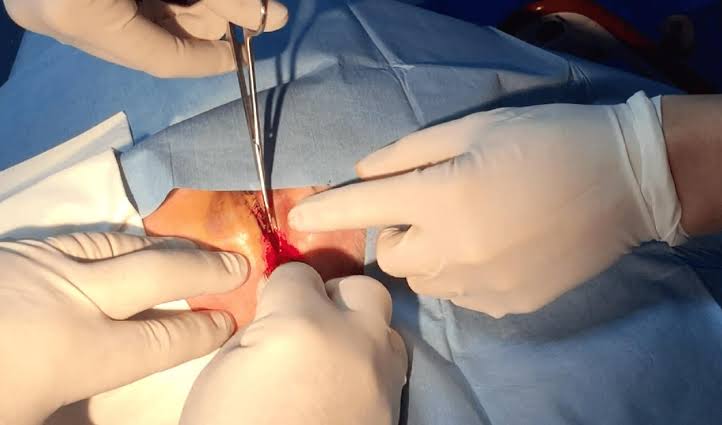
- Surgical procedures, typically bilamellar tarsal rotation, correct the inward-turning eyelid margin, diverting the lashes away from the eye.
- This component addresses the blinding consequence of the disease.
- A – Antibiotics to Treat Infection:
- Mass drug administration (MDA) of oral azithromycin is the cornerstone of community-level treatment. A single oral dose is highly effective.
- Topical tetracycline eye ointment can also be used, particularly for individual cases or specific situations.
- Treatment aims to reduce the community’s burden of Chlamydia trachomatis infection, thereby interrupting transmission.
- F – Facial Cleanliness:
- Promoting regular face washing, especially in children, removes ocular discharge and reduces the bacterial load on the face, limiting transmission.
- Behavioral change communication campaigns are essential for promoting this practice.
- E – Environmental Improvement:
- This component addresses underlying risk factors by improving access to clean water and sanitation facilities.
- Provision of safe water for washing, improved latrines, and measures to control eye-seeking flies (e.g., waste management) reduces opportunities for transmission.
- Reducing household overcrowding also contributes to prevention.
5. Recommended Treatment for Trachoma
Treatment depends on the stage of the disease. The goal is to eliminate active infection and manage its blinding sequelae.
5.1. Treatment for Active Trachoma (TF, TI)
- Antibiotics:
- Oral Azithromycin: The preferred treatment for active trachoma. A single oral dose (20mg/kg for children, 1g for adults) is highly effective and simple to administer, making it ideal for mass drug administration programs.
- Topical Tetracycline Eye Ointment (1%): Applied twice daily for 6 weeks. While effective, the prolonged course and need for patient compliance make it less suitable for community-wide treatment than azithromycin, but it is an alternative where azithromycin is contraindicated or unavailable.
- Community-wide Treatment: In endemic areas, the WHO recommends mass drug administration of azithromycin to the entire community (or specific age groups) if the prevalence of TF in children aged 1-9 years is 5% or higher. This “pulsed” treatment reduces the infectious reservoir.
5.2. Treatment for Trichiasis (TT)
- Surgery: Surgical correction is the primary treatment for trichiasis to prevent further corneal damage and blindness.
- Bilamellar Tarsal Rotation (e.g., Posterior Lamellar Tarsal Rotation – PLTR): This procedure is widely recommended. It involves incising the tarsal plate and rotating the eyelid margin outwards to redirect the eyelashes away from the cornea.
- Epilation: Temporarily plucking misdirected eyelashes can provide symptomatic relief but is not a permanent solution as lashes regrow. It may be used as a stop-gap measure while awaiting surgery.
- Cryotherapy/Electrolysis: Less commonly used, these destroy lash follicles but carry risks of complications.
5.3. Treatment for Corneal Opacity (CO)
- Corneal Transplant (Keratoplasty): For severe corneal opacification causing significant vision loss, corneal transplantation may be considered to restore sight. However, this is a complex procedure with limited availability in many endemic regions and can have a higher rejection rate in eyes with underlying chronic inflammation.
- Low Vision Aids: For individuals with irreversible vision loss, low vision aids can help maximize remaining vision.
6. Indications for Referral
Prompt referral to an ophthalmologist or a specialist experienced in trachoma management is essential in several scenarios:
- Suspected Trichiasis (TT): Any patient with eyelashes rubbing on the eye, or a history of epilation for this reason, should be referred for surgical evaluation to prevent irreversible corneal damage.
- Corneal Opacity (CO) with Vision Loss: Patients presenting with significant corneal opacification impacting vision require specialist assessment to determine the potential for visual rehabilitation (e.g., corneal transplant eligibility) and to rule out other causes of corneal pathology.
- Recurrent Trichiasis Post-Surgery: If trichiasis recurs after surgical correction, a referral is necessary for re-evaluation and potential revision surgery.
- Complications of Trachoma:
- Corneal Ulcers: Patients with painful eye, redness, and a visible corneal defect require urgent referral to prevent perforation and severe vision loss.
- Severe Dry Eye: If dry eye symptoms are debilitating and not managed with basic lubricants, specialist evaluation for advanced dry eye management is warranted.
- Uncertain Diagnosis: If the clinical picture is atypical, or there is doubt regarding the diagnosis, referral for further investigation (including laboratory tests if available) and exclude other conditions is prudent.
- Cases in Non-Endemic Regions: Any suspected case of trachoma in a non-endemic area should be referred to an ophthalmologist and public health authorities for confirmation and contact tracing, as it may indicate an imported case.
Conclusion
Trachoma remains a significant global health challenge, disproportionately affecting vulnerable populations. By adhering to the comprehensive SAFE strategy and ensuring timely diagnosis, appropriate treatment, and diligent referral, it is possible to prevent blindness and achieve the global elimination of trachoma as a public health problem. Continued investment in public health infrastructure, community education, and access to essential eye care services are paramount to realizing this goal.