
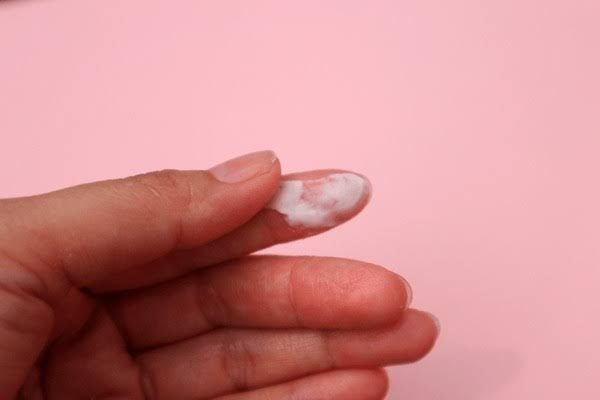
Vaginal discharge is a common gynecological concern that affects women across all age groups. While often a normal physiological occurrence, a change in its characteristics can signify an underlying health issue, ranging from benign infections to more serious conditions. Understanding the nuances of vaginal discharge is crucial for women’s health professionals and for individuals to recognize when medical attention is warranted.
Defining Vaginal Discharge
Vaginal discharge refers to a fluid or secretion that exits the vaginal opening. It is a natural and essential bodily function that plays a crucial role in maintaining vaginal health.
Physiological Role: The vagina and cervix contain glands that produce fluid. This fluid, combined with old cells shed from the vaginal lining and normal bacteria (primarily Lactobacillus species), forms vaginal discharge. Its primary functions include:
- Lubrication: Keeping the vagina moist and comfortable.
- Cleansing: Flushing out dead cells, bacteria, and other foreign materials, thereby preventing infections.
- Protection: Maintaining a slightly acidic environment (pH 3.8-4.5) that inhibits the growth of harmful bacteria and yeast.
- Reproduction: Facilitating sperm transport during ovulation.
Normal Characteristics: Normal physiological discharge typically exhibits the following characteristics:
- Color: Clear or milky white.
- Consistency: Thin, slippery, or slightly sticky, varying throughout the menstrual cycle (e.g., watery during ovulation, thicker before menstruation).
- Odor: Mild or odorless.
- Volume: Varies among individuals but is generally minimal to moderate.
- Symptoms: Not associated with itching, burning, pain, or irritation.
Any significant deviation from these normal characteristics, such as changes in color, consistency, odor, or the presence of associated symptoms, signals a potential abnormality that warrants further investigation.
Causes of Vaginal Discharge
Vaginal discharge can be broadly categorized into physiological (normal) and pathological (abnormal) causes.
A. Physiological Causes: These are natural occurrences that result in normal variations in discharge and do not indicate illness.
- Ovulation: Increased estrogen levels mid-cycle lead to clear, stretchy, “egg-white” like discharge.
- Menstrual Cycle Fluctuations: Discharge varies in consistency and volume throughout the cycle due to hormonal changes.
- Pregnancy: Increased estrogen and blood flow to the vagina often result in increased, milky white, odorless discharge (leukorrhea).
- Sexual Arousal/Intercourse: Glands in the vagina and cervix produce increased lubrication.
- Use of Hormonal Contraceptives: Can alter the volume and consistency of discharge due to hormonal regulation.
- Newborn Girls: Transient mucoid or bloody discharge may occur due to maternal estrogen withdrawal.
B. Pathological Causes: These indicate an underlying medical condition, often an infection or inflammation.
- Infectious Causes (Most Common):
- Bacterial Vaginosis (BV): An imbalance of vaginal bacteria, with an overgrowth of anaerobic bacteria and a decrease in Lactobacillus. It is not considered a sexually transmitted infection (STI) but is associated with sexual activity.
- Vulvovaginal Candidiasis (VVC) / Yeast Infection: Overgrowth of Candida species (most commonly Candida albicans). Not typically an STI.
- Trichomoniasis: A sexually transmitted infection (STI) caused by the parasite Trichomonas vaginalis.
- Chlamydia Trachomatis and Neisseria Gonorrhoeae (Gonorrhea): STIs that cause cervicitis (inflammation of the cervix), leading to purulent discharge. These infections can also ascend to cause Pelvic Inflammatory Disease (PID).
- Herpes Simplex Virus (HSV): Genital herpes can cause painful sores but sometimes presents with watery discharge.
- Group A Streptococcus: Less common, but can cause purulent discharge.
- Non-Infectious Causes:
- Atrophic Vaginitis (or Genitourinary Syndrome of Menopause – GSM): Thinning and drying of vaginal tissues due to decreased estrogen levels, common in postmenopausal women. Can cause watery or yellowish discharge with irritation.
- Foreign Body: Retained tampons, condoms, pessaries, or other objects can cause foul-smelling discharge due to bacterial overgrowth.
- Allergic Reactions/Irritants: Scented soaps, douches, feminine hygiene sprays, detergents, fabric softeners, or spermicides can irritate the vaginal tissues and cause discharge.
- Cervical Polyps or Ectropion: Benign growths or eversion of cervical tissue can cause mucoid discharge, sometimes with post-coital bleeding.
- Malignancy: Although rare, cervical or vaginal cancer can present with persistent, foul-smelling, or bloody discharge.
- Fistulas: Abnormal connections between the vagina and other organs (e.g., bladder, rectum) can lead to discharge containing urine or feces.
Clinical Types of Vaginal Discharge
Clinical types of vaginal discharge are often categorized based on their most common presentations and underlying causes. Recognizing these patterns aids in preliminary diagnosis.
- Physiological Discharge: As described in Step 1.
- Characteristics: Clear to milky white, thin to slightly sticky, mild or no odor, non-irritating.
- Causes: Hormonal changes (menstrual cycle, pregnancy, ovulation), sexual arousal.
- Bacterial Vaginosis (BV) Discharge:
- Characteristics: Thin, grayish-white or off-white, homogeneous liquid. Distinctive “fishy” odor, especially after intercourse or washing with soap.
- Associated Symptoms: Typically no itching or burning, though mild irritation can occur.
- Vulvovaginal Candidiasis (VVC) Discharge (Yeast Infection):
- Characteristics: Thick, white, curdy (cottage-cheese like) discharge. Often odorless, though some report a slightly yeasty smell.
- Associated Symptoms: Intense vulvar and vaginal itching, burning, redness (erythema), swelling, dysuria (painful urination), dyspareunia (painful intercourse).
- Trichomoniasis Discharge:
- Characteristics: Profuse, frothy, greenish-yellow discharge. Strong, foul, often “musty” odor.
- Associated Symptoms: Severe vulvar itching, burning, redness, dysuria, dyspareunia. “Strawberry cervix” (punctate hemorrhages on the cervix) may be observed on speculum exam.
- Chlamydia/Gonorrhea Discharge (Cervicitis):
- Characteristics: Often minimal or absent, but can be mucopurulent (pus-like, yellowish-green).
- Associated Symptoms: Asymptomatic in many cases. When present, symptoms include dysuria, pelvic pain, intermenstrual or post-coital bleeding. Can lead to PID.
- Atrophic Vaginitis Discharge:
- Characteristics: Scant, watery, sometimes yellowish or blood-tinged.
- Associated Symptoms: Vaginal dryness, itching, burning, dyspareunia, urinary symptoms (urgency, frequency, recurrent UTIs).
- Foreign Body-Related Discharge:
- Characteristics: Foul-smelling, often brownish or purulent.
- Associated Symptoms: Irritation, discomfort.
Differentiating Between Different Types of Vaginal Discharge
Differentiating between types of vaginal discharge is critical for accurate diagnosis and effective treatment. While clinical presentation provides clues, definitive diagnosis often requires laboratory confirmation.
| Characteristic | Physiological Discharge | Bacterial Vaginosis (BV) | Vulvovaginal Candidiasis (VVC) | Trichomoniasis | Chlamydia/Gonorrhea (Cervicitis) | Atrophic Vaginitis | Foreign Body |
|---|---|---|---|---|---|---|---|
| Color | Clear to milky white | Grayish-white, off-white | White | Greenish-yellow | Yellowish-green, purulent | Watery, yellowish, sometimes blood-tinged | Brownish, purulent, sometimes bloody |
| Consistency | Thin, slippery, sticky | Thin, homogenous | Thick, curdy, “cottage-cheese” like | Frothy | Mucopurulent | Thin, scant | Thick, sometimes tenacious |
| Odor | Mild or odorless | Fishy, especially after intercourse | Mild or no odor (sometimes “yeasty”) | Foul, strong, “musty” | May be odorless or mild | Mild or no odor | Foul, putrid |
| Associated Symptoms | None (normal) | Mild irritation, no significant itching | Intense itching, burning, redness, dysuria, dyspareunia | Severe itching, burning, redness, dysuria, dyspareunia | Asymptomatic, dysuria, pelvic pain, Spotting, post-coital bleed | Dryness, itching, burning, dyspareunia, urinary symptoms | Irritation, discomfort |
| Vaginal pH | 3.8 – 4.5 | > 4.5 | 4.0 – 4.5 | > 4.5 | Variable | Variable, often > 4.5 | Variable, often > 4.5 |
| Wet Mount Findings | Normal epithelial cells, lactobacilli | Clue cells, absent lactobacilli, few WBCs | Yeast buds/hyphae, few WBCs | Motile trichomonads, many WBCs | Many WBCs (cervical swab) | Parabasal cells, few lactobacilli, few WBCs | Mixed flora, WBCs, bacteria |
Management Approach of a Patient with Vaginal Discharge
A systematic approach is essential for the effective management of vaginal discharge, encompassing thorough assessment, accurate diagnosis, and appropriate treatment.
A. Comprehensive Patient Assessment:
- History Taking:
- Chief Complaint: Detailed description of the discharge (onset, duration, color, consistency, odor, volume, changes over time).
- Associated Symptoms: Presence and severity of itching, burning, pain (pelvic, abdominal), dysuria, dyspareunia, vulvar irritation, rash.
- Menstrual History: Last menstrual period (LMP), regularity, any intermenstrual or post-coital bleeding.
- Sexual History: Number of partners, type of sexual activity, use of protection, history of STIs in patient or partner(s).
- Medical History: Diabetes (risk for yeast infections), immunosuppression, recent antibiotic use, douching practices, irritant exposure (soaps, lubricants, feminine hygiene products), history of recurrent infections.
- Medications: Current medications, particularly antibiotics, oral contraceptives, or hormone therapy.
- Allergies: To medications.
- Physical Examination:
- External Genitalia: Inspect for erythema, swelling, excoriation, lesions, or rash.
- Speculum Examination:
- Visualize the vaginal walls and cervix. Note character, color, consistency, and source of discharge.
- Assess for cervical inflammation (cervicitis), friability (bleeds easily), or “strawberry cervix.”
- Inspect for any foreign bodies (e.g., retained tampon).
- Bimanual Examination: Palpate for uterine or adnexal tenderness, cervical motion tenderness (suggestive of PID), or masses.
B. Laboratory Investigations: Based on the clinical findings, specific tests are performed to confirm the diagnosis.
- Vaginal pH Testing: A pH strip is used to test the vaginal secretions directly.
- Normal: 3.8-4.5
- BV & Trichomoniasis: > 4.5
- Candidiasis: Typically normal (4.0-4.5)
- Atrophic Vaginitis: Often > 4.5
- Whiff Test (Amine Test): A drop of 10% potassium hydroxide (KOH) is added to a sample of discharge on a slide. A pungent, fishy odor (due to the release of amines) is positive for BV and sometimes Trichomoniasis.
- Wet Mount Microscopy:
- Saline Wet Mount: A drop of vaginal discharge mixed with saline is examined under a microscope for:
- Clue Cells: Vaginal epithelial cells covered with bacteria, indicative of BV.
- Trichomonads: Motile, pear-shaped flagellates, diagnostic of Trichomoniasis.
- White Blood Cells (WBCs): Elevated in infections (e.g., trichomoniasis, cervicitis).
- Lactobacilli: Presence of these rod-shaped bacteria indicates normal flora.
- KOH Wet Mount: A drop of discharge mixed with 10% KOH dissolves cellular elements but leaves fungal hyphae/spores intact. Used to identify yeast (buds, hyphae, pseudohyphae) for VVC.
- Saline Wet Mount: A drop of vaginal discharge mixed with saline is examined under a microscope for:
- Gram Stain: Used for diagnosing BV based on Nugent scoring, which assesses the bacterial flora (morphotypes of Lactobacillus, Gardnerella, and Bacteroides).
- Nucleic Acid Amplification Tests (NAATs): Highly sensitive and specific tests for detecting Chlamydia trachomatis, Neisseria gonorrhoeae, and Trichomonas vaginalis from vaginal swabs or urine samples. These are the gold standard for STI diagnosis.
- Cultures: Fungal cultures may be performed for recurrent or resistant yeast infections to identify specific Candida species. Bacterial cultures are less commonly used for routine vaginitis but may be considered in specific complex cases.
C. Diagnosis: Diagnosis is made by correlating clinical history, physical findings, and laboratory test results.
D. Treatment Strategies: Treatment is specific to the identified cause of vaginal discharge.
- Physiological Discharge: Reassurance and education about normal bodily functions. No medical treatment required.
- Bacterial Vaginosis (BV):
- Oral: Metronidazole 500mg twice daily for 7 days, or Clindamycin.
- Topical: Metronidazole gel 0.75% (once daily for 5 days) or Clindamycin cream 2% (once nightly for 7 days).
- Note: Partner treatment is generally not recommended for BV.
- Vulvovaginal Candidiasis (VVC):
- Oral: Fluconazole 150mg single oral dose.
- Topical: Clotrimazole (cream or vaginal tablets) or Miconazole (cream or suppositories) for 3-7 days.
- Note: Recurrent infections may require longer or stronger antifungal regimens. Partner treatment is only recommended if the male partner has symptoms of balanitis.
- Trichomoniasis:
- Oral: Metronidazole 2g single oral dose or 500mg twice daily for 7 days.
- Partner Treatment: Essential to prevent re-infection. All sexual partners should be treated simultaneously.
- Chlamydia Trachomatis:
- Oral: Azithromycin 1g single oral dose or Doxycycline 100mg twice daily for 7 days.
- Partner Treatment: Essential to prevent re-infection.
- Neisseria Gonorrhoeae:
- Oral/IM: Ceftriaxone 500mg single intramuscular dose (or 1g if patient weighs >150kg), often combined with Doxycycline or Azithromycin to cover co-infection with Chlamydia.
- Partner Treatment: Essential to prevent re-infection.
- Atrophic Vaginitis:
- Topical Estrogen: Vaginal creams (e.g., estradiol), vaginal tablets (e.g., Vagifem), or vaginal rings (e.g., Estring).
- Non-hormonal: Vaginal lubricants and moisturizers.
- Foreign Body: Removal of the foreign object. This often resolves the discharge. Antibiotics may be prescribed if significant infection is present.
- Allergic/Irritant Reactions: Identify and avoid the offending agent. Topical steroids may be used for severe inflammation.
E. Patient Education and Follow-up:
- Hygiene: Advise against douching, scented feminine hygiene products, and harsh soaps, as these can disrupt the vaginal flora.
- Safe Sexual Practices: For STIs, counsel on safe sex, condom use, and the importance of partner treatment.
- Treatment Compliance: Emphasize completing the full course of prescribed medication, even if symptoms improve.
- When to Seek Care: Educate patients on symptoms indicating treatment failure, recurrence, or new concerns. Follow-up is typically arranged for complicated or recurrent cases, or if STI treatment requires test-of-cure.
In conclusion, vaginal discharge is a common and often normal aspect of female physiology. However, when its characteristics change, it serves as a critical indicator of potential underlying health issues. A professional and systematic approach, involving detailed history taking, thorough physical examination, precise laboratory diagnostics, and targeted treatment, is paramount for effective management and safeguarding women’s reproductive health. Women are encouraged to consult healthcare professionals for any concerns regarding changes in their vaginal discharge.