Vitamins are indispensable organic compounds that play a crucial role in maintaining optimal health and supporting numerous bodily functions. While required in relatively small amounts compared to macronutrients like carbohydrates, proteins, and fats, their absence or deficiency can lead to severe health impairments.
Defining Vitamins
Vitamins are a diverse group of organic compounds that are essential micronutrients. This means they are required in small quantities for the normal functioning of the body, including metabolism, growth, development, and cellular processes. Unlike macronutrients, vitamins do not directly provide energy (calories); instead, they often act as coenzymes or catalysts, facilitating biochemical reactions that convert food into energy or build and repair tissues. The human body generally cannot synthesize vitamins in sufficient amounts, or at all, making their acquisition through diet or supplementation critical. The term “vitamin” itself, coined by Casimir Funk in 1912, originates from “vita” (life) and “amine” (a type of nitrogen-containing compound), reflecting their vital importance and initial chemical understanding.
General Properties of Vitamins
Despite their diverse chemical structures, vitamins share several general properties that define their essential nature in human nutrition:
- Organic Compounds: All vitamins are organic molecules, meaning they are carbon-based and typically contain hydrogen, oxygen, and sometimes nitrogen, sulfur, or cobalt. This distinguishes them from inorganic minerals.
- Essential Nutrients: With very few exceptions (like Vitamin D, which can be synthesized in the skin upon sun exposure, or some B vitamins produced by gut bacteria), the human body cannot produce vitamins. Therefore, they must be obtained externally, primarily through diet.
- Required in Small Quantities: Vitamins are micronutrients, meaning they are needed in milligram or microgram amounts daily, unlike macronutrients required in gram quantities.
- Diverse Chemical Structures: There is no single chemical characteristic that unites all vitamins. Each vitamin is a distinct chemical entity with a unique structure, which dictates its specific biological function.
- Catalytic Roles: Many vitamins function as coenzymes or precursors to coenzymes. Coenzymes are non-protein organic molecules that bind to enzymes, enabling them to catalyze various metabolic reactions, such as energy production, DNA synthesis, and protein metabolism.
- Specificity of Function: Each vitamin performs one or more specific roles in the body. The absence of a particular vitamin leads to a specific set of deficiency symptoms.
- Vulnerability to Destruction: Many vitamins, especially water-soluble ones, can be degraded by heat, light, oxygen, or prolonged storage, leading to nutrient loss in foods during processing and cooking.
- Non-Caloric: Vitamins do not contribute directly to the body’s energy supply. Their role is regulatory and facilitative.
Classification of Vitamins: Fat-Soluble and Water-Soluble
Vitamins are broadly classified into two main categories based on their solubility: fat-soluble and water-soluble. This classification dictates how they are absorbed, transported, stored, and excreted by the body.
1. Fat-Soluble Vitamins (Vitamins A, D, E, K)
These vitamins dissolve in fats and oils and are absorbed along with dietary fats. Their absorption often requires the presence of bile salts produced by the liver.
- Absorption: Absorbed into the lymphatic system before entering the bloodstream, primarily with dietary lipids.
- Storage: Can be stored in the body’s fatty tissues (adipose tissue) and the liver for extended periods. This storage capacity means that daily intake is not strictly necessary, but it also carries a risk of toxicity (hypervitaminosis) if consumed in excessive amounts, particularly from supplements.
- Excretion: Not readily excreted in urine; excess amounts tend to accumulate in the body.
- Examples:
- Vitamin A (Retinoids)
- Vitamin D (Calciferols)
- Vitamin E (Tocopherols and Tocotrienols)
- Vitamin K (Phylloquinone, Menaquinones)
2. Water-Soluble Vitamins (B-Complex Vitamins and Vitamin C)
These vitamins dissolve in water and are readily absorbed directly into the bloodstream.
- Absorption: Easily absorbed directly into the bloodstream from the digestive tract.
- Storage: Generally not stored in significant amounts (with the notable exception of Vitamin B12, which can be stored in the liver for several years). Because they are not stored, a regular daily intake is essential to prevent deficiencies.
- Excretion: Excess amounts are typically excreted in the urine, reducing the risk of toxicity, though extremely high doses from supplements can still cause adverse effects.
- Examples:
- Vitamin C (Ascorbic Acid)
- B-Complex Vitamins:
- Vitamin B1 (Thiamine)
- Vitamin B2 (Riboflavin)
- Vitamin B3 (Niacin)
- Vitamin B5 (Pantothenic Acid)
- Vitamin B6 (Pyridoxine)
- Vitamin B7 (Biotin)
- Vitamin B9 (Folate/Folic Acid)
- Vitamin B12 (Cobalamin)
Chemistry of Vitamins
The chemistry of vitamins is remarkably diverse, reflecting their varied biological roles. Each vitamin possesses a unique molecular structure crucial for its function.
- Vitamin A (Retinoids): Chemically, Vitamin A exists in various forms, including retinol (alcohol form), retinal (aldehyde form), and retinoic acid (acid form). These are isoprenoid compounds characterized by a beta-ionone ring and an unsaturated side chain. Carotenoids, like beta-carotene, are precursors that can be converted to Vitamin A in the body.
- Vitamin D (Calciferols): These are a group of secosteroids, meaning they are steroids with a “broken” ring structure. The two main forms are Vitamin D2 (ergocalciferol, plant-derived) and Vitamin D3 (cholecalciferol, animal-derived and synthesized in the skin). Both require hydroxylation in the liver and kidneys to become the active hormone, calcitriol.
- Vitamin E (Tocopherols and Tocotrienols): These are a family of eight related compounds (alpha, beta, gamma, delta-tocopherol and -tocotrienol) characterized by a chromanol ring structure with a hydroxyl group and an isoprenoid side chain. The hydroxyl group on the ring is capable of donating a hydrogen atom to reduce free radicals.
- Vitamin K (Quinones): Vitamin K refers to a group of compounds with a naphthoquinone ring structure. Phylloquinone (Vitamin K1) is found in plants, while menaquinones (Vitamin K2) are synthesized by bacteria in the gut and found in some animal products. Menadione (Vitamin K3) is a synthetic form.
- Vitamin C (Ascorbic Acid): Chemically, it’s a six-carbon lactone, similar in structure to glucose. It’s a potent reducing agent, meaning it readily donates electrons, which underlies its antioxidant properties. Its chemical name, L-ascorbic acid, highlights its acidic nature and its role in preventing scurvy.
- Vitamin B1 (Thiamine): Composed of a pyrimidine ring and a thiazole ring linked by a methylene bridge. Its active form, thiamine pyrophosphate (TPP), contains two phosphate groups.
- Vitamin B2 (Riboflavin): Consists of a ribitol side chain attached to an isoalloxazine ring system. Its active coenzyme forms are flavin mononucleotide (FMN) and flavin adenine dinucleotide (FAD).
- Vitamin B3 (Niacin): Exists as nicotinic acid (pyridine-3-carboxylic acid) and nicotinamide (nicotinamide adenine dinucleotide, NAD+, and nicotinamide adenine dinucleotide phosphate, NADP+), which are critical components of coenzymes involved in redox reactions.
- Vitamin B5 (Pantothenic Acid): A combination of pantoic acid and beta-alanine linked by an amide bond. It is a fundamental component of Coenzyme A (CoA).
- Vitamin B6 (Pyridoxine): A group of three compounds: pyridoxine (alcohol), pyridoxal (aldehyde), and pyridoxamine (amine). Their active form, pyridoxal 5′-phosphate (PLP), is a versatile coenzyme for numerous enzyme reactions.
- Vitamin B7 (Biotin): Contains fused imidazole and tetrahydrothiophene rings. It serves as a coenzyme for carboxylase enzymes.
- Vitamin B9 (Folate/Folic Acid): Composed of a pteridine ring, para-aminobenzoic acid (PABA), and one or more glutamate residues. Folic acid is the synthetic form, while folate refers to the naturally occurring forms.
- Vitamin B12 (Cobalamin): The largest and most complex vitamin molecule. It uniquely contains a central cobalt atom coordinated within a corrin ring system. Various forms exist, such as cyanocobalamin, methylcobalamin, and deoxyadenosylcobalamin.
Sources of Vitamins
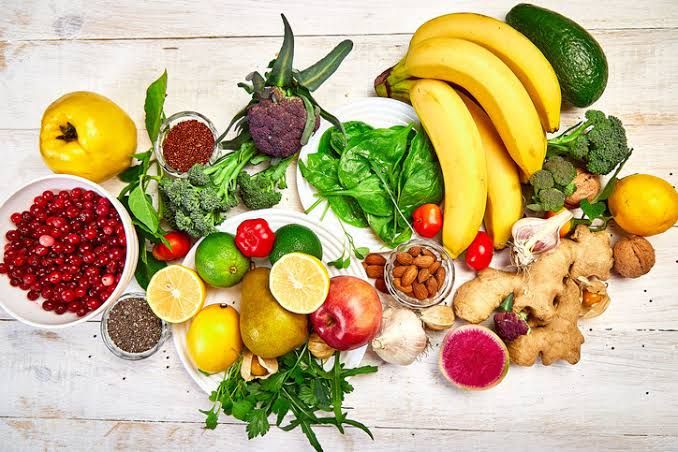
A balanced diet is the primary source of vitamins. Below are common dietary sources for each vitamin:
- Vitamin A: Liver, fish oil, eggs, dairy products (retinoids); colourful fruits and vegetables like carrots, sweet potatoes, spinach, kale, mangoes (beta-carotene and other provitamin A carotenoids).
- Vitamin D: Fatty fish (salmon, mackerel), fish liver oils, fortified milk and cereals, some mushrooms. Sunlight exposure is a major non-dietary source.
- Vitamin E: Vegetable oils (wheat germ, sunflower, soybean), nuts (almonds, hazelnuts), seeds (sunflower seeds), spinach, kale, avocado.
- Vitamin K: Green leafy vegetables (kale, spinach, collard greens), broccoli, Brussels sprouts, some vegetable oils. Menaquinones (K2) are found in fermented foods and some animal products (e.g., hard cheeses, natto).
- Vitamin C: Citrus fruits (oranges, grapefruit), berries (strawberries, blueberries), kiwi, bell peppers, broccoli, tomatoes, potatoes.
- Vitamin B1 (Thiamine): Whole grains, pork, legumes, nuts, seeds, fortified cereals.
- Vitamin B2 (Riboflavin): Dairy products (milk, cheese, yogurt), eggs, lean meats, fortified cereals, green leafy vegetables.
- Vitamin B3 (Niacin): Meat (poultry, beef, fish), peanuts, mushrooms, fortified cereals, legumes. The body can also synthesize it from tryptophan.
- Vitamin B5 (Pantothenic Acid): Widespread in foods, including meat, poultry, fish, whole grains, avocados, broccoli, mushrooms, eggs, legumes.
- Vitamin B6 (Pyridoxine): Poultry, fish, potatoes, bananas, chickpeas, fortified cereals, pork.
- Vitamin B7 (Biotin): Eggs (yolk), nuts, seeds, salmon, pork, avocado, sweet potato, liver. Gut bacteria also produce some biotin.
- Vitamin B9 (Folate): Dark green leafy vegetables, legumes (lentils, beans), fortified grains and cereals, oranges, avocado, liver.
- Vitamin B12 (Cobalamin): Primarily found in animal products: meat, fish, poultry, eggs, dairy. Fortified cereals and nutritional yeast are plant-based sources for vegetarians/vegans.
Physiological Roles of Vitamins
The physiological roles of vitamins are extensive and interconnected, supporting virtually every bodily function.
- Vitamin A:
- Vision: Critical component of rhodopsin in the retina, essential for low-light vision.
- Immune Function: Supports the integrity of epithelial tissues, which form barriers against infection, and plays a role in the growth and differentiation of immune cells.
- Cell Growth and Differentiation: Essential for cell division, growth, and specialization, particularly in skin, hair, and mucous membranes.
- Reproduction: Involved in both male and female reproductive health.
- Vitamin D:
- Calcium and Phosphate Homeostasis: Acts as a hormone to regulate calcium and phosphate levels in the blood, promoting their absorption from the gut and deposition in bones.
- Bone Health: Crucial for bone mineralization and remodeling, preventing conditions like rickets in children and osteomalacia/osteoporosis in adults.
- Immune Modulation: Plays a role in immune system regulation, potentially influencing susceptibility to infections and autoimmune diseases.
- Cell Growth: Involved in cell growth, differentiation, and apoptosis.
- Vitamin E:
- Antioxidant: Primarily functions as a powerful lipid-soluble antioxidant, protecting cell membranes (especially polyunsaturated fatty acids) from oxidative damage by neutralizing free radicals.
- Immune Function: Supports immune health.
- Cardiovascular Health: May play a role in cardiovascular health by preventing LDL cholesterol oxidation.
- Vitamin K:
- Blood Clotting (Coagulation): Essential for the synthesis of several proteins involved in blood clotting (e.g., prothrombin, factors VII, IX, X).
- Bone Metabolism: Involved in the carboxylation of osteocalcin and other proteins essential for bone mineralization and maintaining bone density.
- Vitamin C:
- Collagen Synthesis: Crucial co-factor for enzymes involved in the synthesis of collagen, a fibrous protein essential for skin, tendons, ligaments, blood vessels, bone, and teeth.
- Antioxidant: A potent water-soluble antioxidant, protecting cells from oxidative stress.
- Immune Support: Supports various immune cell functions and responses.
- Iron Absorption: Enhances the absorption of non-heme iron (iron from plant sources).
- Neurotransmitter Synthesis: Involved in the synthesis of certain neurotransmitters.
- Vitamin B1 (Thiamine):
- Carbohydrate Metabolism: As thiamine pyrophosphate (TPP), it is a coenzyme in reactions that convert carbohydrates into energy, particularly in the brain and nervous system.
- Nerve Function: Essential for maintaining the health of nerve cells.
- Vitamin B2 (Riboflavin):
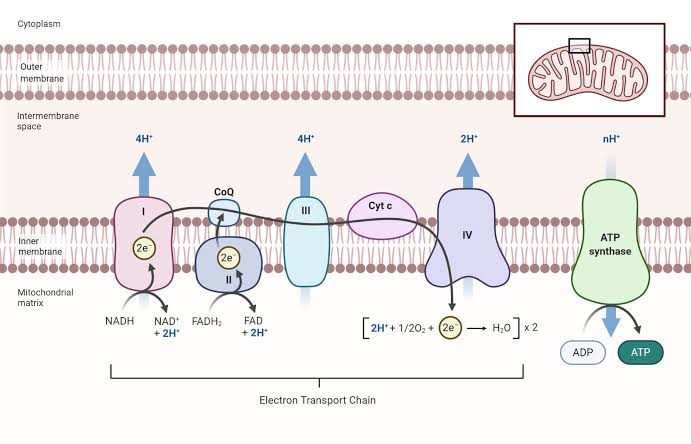
- Energy Metabolism: A precursor to the coenzymes FAD (flavin adenine dinucleotide) and FMN (flavin mononucleotide), crucial for numerous redox reactions in energy production (e.g., electron transport chain, fatty acid oxidation).
- Antioxidant: Involved in the body’s antioxidant defenses.
- Vitamin B3 (Niacin):
- Energy Metabolism: A precursor to NAD+ (nicotinamide adenine dinucleotide) and NADP+ (nicotinamide adenine dinucleotide phosphate), which are essential coenzymes in over 400 enzymatic reactions, primarily involved in energy transfer and metabolism (e.g., glycolysis, citric acid cycle).
- DNA Repair and Synthesis: Plays a role in DNA repair and synthesis.
- Vitamin B5 (Pantothenic Acid):
- Coenzyme A Component: A key component of Coenzyme A (CoA), which is central to fatty acid synthesis and degradation, cholesterol synthesis, and the metabolism of carbohydrates and proteins.
- Neurotransmitter Synthesis: Involved in neurotransmitter production.
- Vitamin B6 (Pyridoxine):
- Amino Acid Metabolism: As pyridoxal 5′-phosphate (PLP), it is a coenzyme for over 100 enzymes involved in amino acid metabolism, including transamination, deamination, and decarboxylation.
- Neurotransmitter Synthesis: Essential for the synthesis of important neurotransmitters like serotonin, dopamine, and GABA.
- Red Blood Cell Formation: Involved in heme synthesis.
- Immune Function: Supports immune system health.
- Vitamin B7 (Biotin):
- Carboxylation Reactions: A coenzyme for carboxylase enzymes, critical for fatty acid synthesis, gluconeogenesis (glucose production from non-carbohydrate sources), and the metabolism of branched-chain amino acids.
- Gene Expression: Plays a role in regulating gene expression.
- Vitamin B9 (Folate/Folic Acid):
- DNA Synthesis and Repair: Crucial for DNA synthesis, repair, and methylation, which is vital for cell division and growth.
- Red Blood Cell Formation: Essential for the maturation of red blood cells.
- Neural Tube Development: Critical during early pregnancy to prevent neural tube defects in infants.
- Amino Acid Metabolism: Involved in the metabolism of certain amino acids.
- Vitamin B12 (Cobalamin):
- DNA Synthesis: Essential for DNA synthesis and regulation, particularly critical for rapidly dividing cells like red blood cells.
- Red Blood Cell Formation: Prevents megaloblastic anemia.
- Nerve Function: Crucial for the maintenance of the myelin sheath that surrounds nerves, supporting neurological health.
- Fatty Acid and Amino Acid Metabolism: Involved in the metabolism of specific fatty acids and amino acids.
Conclusion
Vitamins, though required in minute quantities, are truly the unsung heroes of our biochemical machinery. Their diverse structures enable them to perform a vast array of catalytic and regulatory roles, from supporting vision and bone health to facilitating energy production, DNA synthesis, and immune defense. Understanding their definition, properties, classification, chemistry, and specific physiological contributions underscores the profound importance of maintaining a varied and nutrient-rich diet to ensure optimal health and prevent deficiency-related diseases.