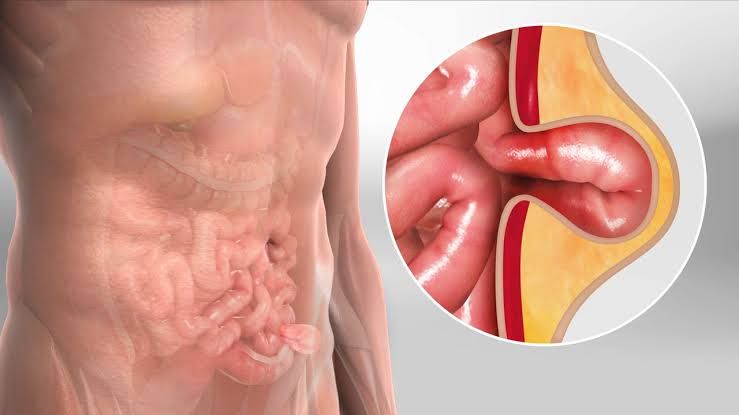
A hernia is a medical condition characterized by the protrusion of an organ or fatty tissue through a weak spot or opening in the muscle or tissue that normally contains it. While hernias can occur in various parts of the body, they most commonly affect the abdominal wall, particularly in the groin or umbilical regions. The weakness in the abdominal wall can be congenital (present from birth) or acquired due to factors such as aging, repeated strain (e.g., heavy lifting, chronic coughing, chronic constipation), obesity, or previous surgery.
The core mechanism involves an increased intra-abdominal pressure pushing contents (commonly a loop of intestine or omentum, which is fatty tissue) through a defect, creating a visible or palpable bulge. This bulge may appear when standing or straining and often disappears when lying down.
Anatomical Insights into the Inguinal Region
Understanding the anatomy of the inguinal region is crucial for differentiating various types of hernias that occur there. The inguinal region, located in the lower abdominal wall, contains the inguinal canal – a passageway through which structures pass between the abdomen and the outside.
Layers of the Abdominal Wall (from superficial to deep):
- Skin: Outermost layer.
- Subcutaneous Tissue (Superficial Fascia): Composed of two layers:
- Camper’s Fascia: A superficial fatty layer.
- Scarpa’s Fascia: A deeper, membranous layer.
- External Oblique Aponeurosis: The broad, flattened tendon of the external oblique muscle, forming the anterior wall of the inguinal canal. Its lower border folds to form the inguinal ligament, which stretches from the anterior superior iliac spine to the pubic tubercle.
- Internal Oblique Muscle: Lies beneath the external oblique, contributing to the roof and anterior wall of the inguinal canal.
- Transversus Abdominis Muscle: The deepest of the flat abdominal muscles, forming the roof and posterior wall of the inguinal canal.
- Transversalis Fascia: A thin, strong layer of connective tissue lining the inner surface of the transversus abdominis muscle, forming the strong posterior wall of the inguinal canal. This fascia is key as it marks the site of the deep inguinal ring.
- Extraperitoneal Fat: A layer of fat between the transversalis fascia and the peritoneum.
- Peritoneum: The innermost lining of the abdominal cavity.
The Inguinal Canal: This oblique passageway is approximately 4 cm long in adults, running downwards and medially from the deep inguinal ring to the superficial inguinal ring.
- Deep (Internal) Inguinal Ring: An oval opening in the transversalis fascia, located about 1.25 cm above the midpoint of the inguinal ligament. It is the beginning of the inguinal canal.
- Superficial (External) Inguinal Ring: A triangular opening in the external oblique aponeurosis, located just above and lateral to the pubic tubercle. It is the end of the inguinal canal.
Walls of the Inguinal Canal:
- Anterior Wall: Formed by the external oblique aponeurosis and reinforced laterally by the internal oblique muscle fibers.
- Posterior Wall: Formed primarily by the transversalis fascia and medially by the conjoint tendon (the fused lower fibers of the internal oblique and transversus abdominis muscles inserting into the pubic bone).
- Roof: Formed by the arching fibers of the internal oblique and transversus abdominis muscles.
- Floor: Formed by the folded lower border of the external oblique aponeurosis (inguinal ligament) and medially by the lacunar ligament.
Contents of the Inguinal Canal:
- In Males: The spermatic cord.
- In Females: The round ligament of the uterus.
- Both sexes: The ilioinguinal nerve.
Layers within the Spermatic Cord (in males): As the testicular vessels and vas deferens descend from the abdomen, they acquire three layers from the abdominal wall:
- Internal Spermatic Fascia: Derived from the transversalis fascia.
- Cremasteric Fascia: Derived from the internal oblique muscle. It contains the cremaster muscle, which retracts the testes.
- External Spermatic Fascia: Derived from the external oblique aponeurosis.
Inside these layers, the spermatic cord contains:
- Vas deferens
- Testicular artery
- Artery to the vas deferens
- Cremasteric artery
- Pampiniform plexus of veins
- Lymphatic vessels
- Genital branch of the genitofemoral nerve
- Sympathetic nerve fibers
Differentiating Types of Abdominal Wall Hernias
Abdominal wall hernias are categorized based on their anatomical location and the mechanism of protrusion.
- Indirect Inguinal Hernia:
- Definition: The most common type of hernia, especially in males. It occurs when a portion of the intestine or other abdominal contents protrudes through the deep (internal) inguinal ring, follows the course of the inguinal canal, and may exit through the superficial (external) inguinal ring into the scrotum (in males) or labium majus (in females).
- Differentiation: It is “indirect” because it enters the inguinal canal indirectly via the deep ring, lateral to the inferior epigastric vessels. It is often congenital, resulting from the failure of the processus vaginalis (a peritoneal outpouching) to close after testicular descent.
- Direct Inguinal Hernia:
- Definition: Occurs when abdominal contents protrude directly through a weakened area in the posterior wall of the inguinal canal, specifically through Hesselbach’s Triangle.
- Differentiation: Hesselbach’s Triangle is bounded laterally by the inferior epigastric vessels, medially by the rectus abdominis muscle, and inferiorly by the inguinal ligament. Unlike indirect hernias, direct hernias do not traverse the entire inguinal canal and rarely descend into the scrotum. They are typically acquired, often due to chronic straining and weakening of the transversalis fascia.
- Femoral Hernia:
- Definition: Occurs when abdominal contents protrude through the femoral ring into the femoral canal, typically appearing as a bulge in the upper thigh/groin, inferior and lateral to the pubic tubercle.
- Differentiation: The femoral canal is a narrow compartment medial to the femoral vein, below the inguinal ligament. Femoral hernias are more common in women due to a wider pelvis and are particularly dangerous due to their narrow neck, which increases the risk of strangulation (compromised blood supply to the herniated contents).
- Lumbar Hernia:
- Definition: A rare hernia occurring through weaknesses in the lumbar region of the posterior abdominal wall. These can be superior (Grynfeltt-Lesshaft triangle) or inferior (Petit’s triangle).
- Differentiation: They are flank hernias, distinct from groin hernias, and can be primary (spontaneous) or secondary (post-traumatic or post-surgical, e.g., after kidney surgery). They present as a bulge in the flank.
- Obturator Hernia:
- Definition: An extremely rare hernia where abdominal contents protrude through the obturator foramen, a large opening in the pelvis.
- Differentiation: These hernias are challenging to diagnose as they usually do not present with an external bulge. They are more common in elderly, emaciated women and often present with symptoms of bowel obstruction or, charcateristically, the Howship-Romberg sign (pain along the medial thigh to the knee, exacerbated by hip extension, abduction, and medial rotation).
- Incisional Hernia:
- Definition: A hernia that occurs at the site of a previous surgical incision.
- Differentiation: It results from incomplete healing or weakening of the surgical wound, allowing abdominal contents to protrude. They can vary greatly in size and are more common after vertical incisions, wound infections, or in patients with risk factors like obesity, diabetes, or poor nutrition.
- Spigelian Hernia:
- Definition: A rare ventral hernia occurring through the spigelian fascia (aponeurotic layer between the rectus abdominis muscle medially and the semilunar line laterally, often occurring near the arcuate line).
- Differentiation: These hernias are often difficult to diagnose clinically as they typically occur within the abdominal wall layers (interparietal) and may not present with a visible external bulge. They often present with localized pain and tenderness.
Incidence, Identification, and Operative Risks
(a) Incidence of Abdominal Wall Hernias:
- Inguinal Hernias: The most common type, accounting for about 75% of all abdominal wall hernias. They are 25 times more common in men than women. Lifetime risk for men is about 27%, and for women, it’s about 3%. Indirect inguinal hernias are more common than direct.
- Femoral Hernias: Account for approximately 3% of all abdominal wall hernias. They are more common in women, with a female-to-male ratio of 4:1. They carry a higher risk of strangulation.
- Ventral Hernias (including Incisional and Umbilical):
- Umbilical Hernias: Common in infants (often resolve spontaneously) and adults (more common in women and obese individuals). Account for 10-15% of adult hernias.
- Incisional Hernias: Occur in about 10-15% of patients after abdominal surgery, with rates varying significantly based on factors like incision type, patient comorbidities, and surgical technique. They are the second most common type after inguinal hernias and are a significant cause of reoperation.
(b) Identification (Diagnosis) of Abdominal Wall Hernias: Diagnosis is primarily clinical, supported by imaging:
- Clinical History: Patients typically report a lump or bulge, often in the groin, umbilicus, or at a previous incision site. The bulge may enlarge with standing, coughing, or straining, and may reduce or disappear when lying down. Pain, discomfort, or a sensation of heaviness can also be present. Signs of incarceration (irreducible hernia) or strangulation (severe pain, tenderness, redness, fever, nausea, vomiting, bowel obstruction) are medical emergencies.
- Physical Examination:
- Inspection: Observe for a visible bulge, especially when the patient is standing or asked to cough.
- Palpation: Feel for the bulge and assess its size, consistency, reducibility (can it be pushed back in?), and presence of a cough impulse (protrusion with coughing). For inguinal hernias, the examiner may invaginate the scrotal skin to feel the superficial ring.
- Imaging Studies: May be used to confirm diagnosis, especially for small or atypical hernias, or to differentiate from other conditions (e.g., lymphadenopathy, lipoma):
- Ultrasound: Often the first-line imaging, especially useful for dynamic assessment (with Valsalva maneuver).
- CT Scan: Provides detailed anatomical information, useful for complex or recurrent hernias, or to rule out other intra-abdominal pathology.
- MRI: Rarely required, but can be helpful for obscure or challenging cases.
(c) Operative Risks and Complications of Abdominal Wall Hernia Repair: While hernia repair is common and generally safe, it carries potential risks and complications:
- General Surgical Risks:
- Anesthesia risks: Adverse reactions to medications, respiratory or cardiac complications.
- Bleeding: Hematoma formation, requiring drainage.
- Infection: Surgical site infection (SSI), which can involve the skin, deeper tissues, or the prosthetic mesh if used.
- Pain: Post-operative pain, ranging from mild to severe.
- Deep Vein Thrombosis (DVT) and Pulmonary Embolism (PE): Blood clots in the legs or lungs.
- Specific Hernia Repair Risks:
- Hernia Recurrence: The primary long-term complication, occurring when the hernia reappears at the same site or nearby. Risk factors include poor tissue quality, large defect, infection, or chronic increased intra-abdominal pressure.
- Chronic Pain (Inguinodynia): Persistent pain in the groin/surgical site for more than 3-6 months. Can be neuropathic (due to nerve entrapment or damage), nociceptive (mesh-related inflammation, scar tissue), or mixed. Affects a significant minority of patients.
- Seroma/Hematoma: Collection of fluid or blood under the skin at the surgical site. Usually resolves spontaneously but may require aspiration.
- Nerve Injury: Damage to nerves (e.g., ilioinguinal, iliohypogastric, genitofemoral nerves) leading to pain, numbness, or altered sensation in the groin, thigh, or scrotum.
- Ischemic Orchitis/Testicular Atrophy (in males): Rare but serious complication where the blood supply to the testicle is compromised, potentially leading to testicular shrinkage and infertility.
- Damage to Adjacent Organs: Very rare, but bowel, bladder, or vascular injury can occur, particularly during laparoscopic approaches or in incarcerated/strangulated hernias.
- Mesh-related complications: If mesh is used, chronic inflammation, infection, erosion into adjacent structures, or migration are possible, though rare.
Fundamentals of Surgical Repair
The primary goals of hernia repair are to reduce the herniated contents back into the abdominal cavity, close or narrow the defect in the abdominal wall, and reinforce the weakened area to prevent recurrence.
General Principles of Hernia Repair:
- Reduction: Gently push the protruding contents back into the abdominal cavity. In emergencies (incarceration/strangulation), this may be followed by immediate repair.
- Defect Closure/Narrowing: Surgical closure of the fascial defect using sutures (primary tissue repair).
- Reinforcement: Augmentation of the repair using prosthetic mesh to strengthen the weakened abdominal wall. This is the cornerstone of modern hernia surgery, significantly reducing recurrence rates.
Surgical Approaches:
- Open Hernia Repair: Involves a single incision over the hernia site. Direct visualization of anatomy.
- Laparoscopic (Minimally Invasive) Hernia Repair: Small incisions are made, and a camera (laparoscope) and instruments are inserted. Offers less post-operative pain and faster recovery, but requires general anesthesia and specialized skills. Two main laparoscopic approaches for groin hernias:
- Transabdominal Preperitoneal (TAPP): Surgeon enters the abdominal cavity, incises the peritoneum, places mesh in the preperitoneal space, and then closes the peritoneum.
- Totally Extraperitoneal (TEP): Surgeon works entirely in the extraperitoneal space, avoiding entry into the abdominal cavity, which may reduce risk of visceral injury.
Fundamentals of Surgical Repair for Various Hernias:
- Groin Hernias (Inguinal and Femoral):
- Inguinal Hernia Repair:
- Open Tension-Free Repair (Lichtenstein Repair): The most common open technique. An incision is made in the groin, the hernia sac is reduced or ligated, and a prosthetic mesh is placed over the defect (onlay) and sutured to the strong tissues (e.g., conjoint tendon and inguinal ligament) without tension.
- Laparoscopic Repair (TAPP/TEP): Mesh is placed in the preperitoneal space, covering the areas of both direct and indirect inguinal hernias, as well as femoral hernias. This approach is increasingly common, especially for bilateral or recurrent hernias.
- Tissue Repairs (e.g., Bassini, Shouldice): Involve suturing native tissues together to repair the defect, without mesh. While historically significant, they are less commonly performed due to higher recurrence rates compared to mesh repairs, but may be considered in specific cases (e.g., infected field, young patients).
- Femoral Hernia Repair: Given the high risk of strangulation, prompt repair is indicated. Approaches include open (e.g., through an inguinal, femoral, or low abdominal incision) or laparoscopic. Repair often involves reducing the hernia and then closing or reinforcing the femoral ring, usually with mesh.
- Inguinal Hernia Repair:
- Umbilical Hernia Repair:
- For Small Defects (<2 cm): Primary suture repair is often sufficient, closing the defect directly with sutures.
- For Larger Defects (>2 cm) or in Adults with Risk Factors: Mesh repair is preferred to reduce recurrence. The mesh can be placed over the defect (onlay), behind the muscles (sublay/retromuscular), or as an inlay.
- Ventral Hernia Repair (including Incisional Hernias):
- Ventral hernias encompass a broad category of hernias occurring at the anterior abdominal wall (excluding inguinal and femoral). Incisional hernias are a common type of ventral hernia.
- Repair Principles:
- Reduction of Contents: Adhesiolysis (separation of adhesions) may be required to free incarcerated bowel.
- Defect Closure: Primary closure of the fascial defect is attempted, but often difficult for larger defects without significant tension.
- Mesh Reinforcement: Essential for most ventral hernia repairs, especially for larger defects, to provide durable repair and reduce recurrence.
- Mesh Placement: Can be placed in various planes:
- Onlay: Mesh placed on top of the rectus sheath.
- Sublay (Retrorectus/Preperitoneal): Mesh placed behind the rectus muscles or in the preperitoneal space. This is often preferred as it places the mesh in a stronger, less mobile plane and away from the skin incision, potentially reducing infection risk.
- Inlay (Bridging): Mesh placed directly into the defect, bridging the gap. This is generally discouraged for primary repair due to higher recurrence rates, but sometimes necessary for very large defects that cannot be closed.
- Mesh Placement: Can be placed in various planes:
- Component Separation Technique: For very large abdominal wall defects that cannot be closed primarily, surgeons may perform component separation, which involves surgically releasing layers of the abdominal wall muscles to allow for tension-free midline closure, often in conjunction with mesh placement.
- Approaches: Open (laparotomy) or laparoscopic (IPOM – Intraperitoneal Onlay Mesh, or eTep/TAR – enhanced Transversus Abdominis Release for wider repairs).
In conclusion, hernias represent a common surgical pathology, requiring a detailed understanding of anatomy, precise diagnostic skills, and a tailored surgical approach. With advancements in surgical techniques and materials, particularly the widespread use of prosthetic mesh, the outcomes of hernia repair have significantly improved, offering patients effective and durable solutions.