The chest wall, a complex osteocartilaginous structure comprising the ribs, sternum, and thoracic spine, serves the vital functions of protecting internal organs and facilitating respiration. Anomalies in its skeletal development can range from subtle cosmetic variations to significant structural deformities that impair cardiopulmonary function and overall quality of life.
Guide to Chest Wall Skeletal Anomalies
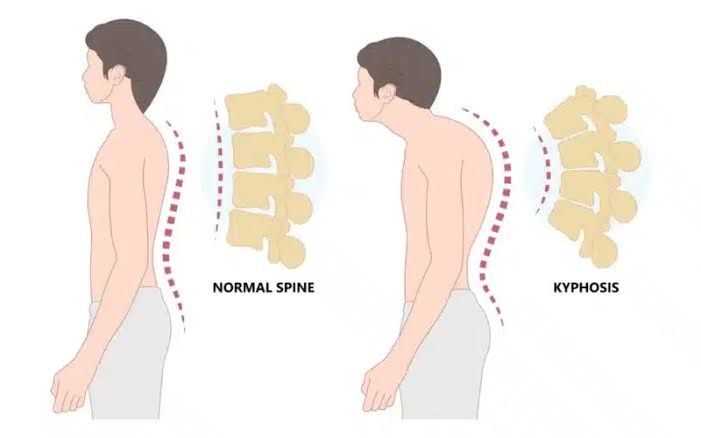
Description: Kyphoscoliosis is a complex spinal deformity characterized by a combined abnormal curvature of the spine in both the sagittal (kyphosis – excessive forward rounding or hunchback) and coronal (scoliosis – lateral curvature with vertebral rotation) planes. This multiplanar deviation results in significant distortion of the thoracic cage, impacting its mechanical properties and the volume of the thoracic cavity.
Pathogenesis and Development: The pathogenesis of kyphoscoliosis is diverse. It can be:
- Congenital: Resulting from vertebral malformations during embryonic development (e.g., hemivertebrae, fused vertebrae) and often detectable at birth or early childhood.
- Neuromuscular: Arising from underlying neurological or muscular diseases (e.g., cerebral palsy, muscular dystrophy, spina bifida) that disrupt spinal stability and muscle balance. This type often progresses rapidly, especially during growth spurts.
- Idiopathic: The most common form, with no identifiable cause, typically manifesting in adolescence. Its progression is closely linked to skeletal maturity, worsening during periods of rapid growth.
- Degenerative: Developing in adults due to age-related degeneration of spinal discs and joints. Throughout life, the deformity tends to progress, particularly during pubertal growth spurts. Severe, uncorrected kyphoscoliosis can lead to restrictive lung disease due to reduced thoracic volume and impaired chest wall mechanics, and in rare instances, cor pulmonale (right-sided heart failure).
Signs and Symptoms:
- Visible postural abnormalities: Uneven shoulders, prominent shoulder blade, visible rib hump on bending forward (Adam’s forward bend test), uneven waistline, head not centered over the pelvis.
- Back pain, stiffness, or discomfort.
- Fatigue, especially with physical activity.
- Symptoms of restrictive lung disease in severe cases: Shortness of breath (dyspnea) on exertion, decreased exercise tolerance, recurrent respiratory infections.
- Cardiac symptoms (rare but severe): Palpitations, chest pain.
Initial Investigations and Diagnosis: Diagnosis begins with a thorough physical examination, including a visual assessment of spinal alignment and the Adam’s forward bend test.
- X-rays: Full-length standing posterior-anterior (PA) and lateral spinal X-rays are crucial for confirming the diagnosis, localizing the curves, and measuring the Cobb angle (the gold standard for quantifying the degree of spinal curvature).
- MRI: May be indicated to rule out intraspinal anomalies (e.g., syrinx, tethered cord) that can be associated with congenital or rapidly progressive curves.
- Pulmonary Function Tests (PFTs): Essential for assessing lung capacity and identifying restrictive lung disease in patients with significant thoracic deformity.
- Echocardiogram/ECG: May be performed to evaluate cardiac function and rule out associated cardiac anomalies or strain.
Lines of Treatment and Surgical Intervention: Treatment is tailored to the curve’s severity, progression, and the patient’s age and skeletal maturity.
- Observation: For mild curves (Cobb angle <20-25 degrees), especially in skeletally immature patients, regular monitoring is often sufficient.
- Bracing: For moderate curves (25-45 degrees) in growing adolescents, rigid thoracolumbosacral orthoses (TLSOs) are used to prevent curve progression. Bracing is worn for many hours daily until skeletal maturity.
- Physical Therapy: May help improve posture, strengthen core muscles, and alleviate pain, but does not correct the curve structurally.
- Surgical Correction: Indicated for severe curves (Cobb angle >45-50 degrees) that are progressive despite bracing, or for curves causing significant cardiopulmonary compromise. The primary goal is to halt progression, achieve curve correction, and fuse the affected spinal segments.
- Spinal Fusion: The most common surgical procedure, involving permanent fusion of vertebrae using bone grafts and instrumentation (rods, screws, hooks) to stabilize the spine and correct the deformity. Approaches can be posterior, anterior, or combined.
- Growing Rods: For young children with severe, progressive curves, where spinal fusion would significantly stunt growth. Rods are periodically lengthened as the child grows.
2. Supernumerary Ribs (Cervical Ribs)
Description: Supernumerary ribs are extra ribs that develop in addition to the usual 12 pairs. The most common type is a cervical rib, originating from the C7 cervical vertebra, typically located above the first thoracic rib. Less commonly, extra ribs can arise from lumbar vertebrae. Cervical ribs can be unilateral or bilateral, and vary in size from a small fibrous band to a complete rib that extends to the sternum.
Pathogenesis and Development: These ribs are congenital anomalies resulting from the persistence of the costal process of cervical vertebrae during embryonic development. Normally, these processes regress or fuse to form the transverse processes of the cervical vertebrae. Their incomplete regression leads to the formation of a cervical rib. While present from birth, symptoms often emerge in adolescence or adulthood, as the growing body or repetitive arm movements can cause compression of neurovascular structures.
Signs and Symptoms: Many individuals with cervical ribs remain asymptomatic throughout their lives. When symptoms occur, they are often indicative of Thoracic Outlet Syndrome (TOS), caused by compression of the brachial plexus (nerves) or subclavian artery/vein as they pass through the thoracic outlet (the space between the collarbone and first rib).
- Neurological TOS (most common): Pain, numbness, tingling, or weakness in the arm, hand, or fingers (often in the ulnar nerve distribution – little finger and ring finger). Muscle wasting in the hand may occur in severe, chronic cases.
- Vascular TOS (less common):
- Arterial: Coldness, pallor, weakness, fatigue, or pain in the arm/hand, diminished pulse in the affected limb, or even development of an aneurysm or clot in the subclavian artery.
- Venous: Swelling, cyanosis (bluish discoloration), and pain in the arm due to subclavian vein compression and thrombosis (Paget-Schroetter syndrome).
- Physical Signs: Palpable mass above the clavicle (the rib itself), positive Adson’s test (a maneuver to compress the neurovascular bundle).
Initial Investigations and Diagnosis:
- Physical Examination: Assessment of symptoms, evaluation of pulses, sensory and motor function in the upper limb, and specific provocative tests (e.g., Adson’s test).
- X-rays: A cervical spine or chest X-ray is the primary diagnostic tool to confirm the presence and size of a cervical rib.
- Nerve Conduction Studies (NCS) and Electromyography (EMG): Used to assess nerve function and identify nerve compression or damage.
- Doppler Ultrasound, CT Angiography, or MRI Angiography: Employed to evaluate vascular compression, identify aneurysms, or rule out thrombosis.
Lines of Treatment and Surgical Intervention:
- Conservative Management: For mild or intermittent symptoms. This includes physical therapy (to improve posture and strengthen shoulder girdle muscles), pain management, activity modification, and anti-inflammatory medications.
- Surgical Excision: Indicated for persistent or severe neurovascular compression that significantly impacts function or quality of life, and is unresponsive to conservative measures.
- Cervical Rib Resection: The surgical procedure involves removing the offending cervical rib, often along with some fibrous bands and the scalene muscles (scalene muscles release), to decompress the brachial plexus and subclavian vessels. Approaches can be supraclavicular or transaxillary.
3. Sternal Clefts
Description: Sternal clefts are rare congenital malformations characterized by a partial or complete failure of fusion of the sternum. The sternum normally develops from two lateral sternal bars that fuse in the midline during embryonic development. Depending on the extent of fusion failure, clefts can be:
- Superior (Cervical-Sternal): A defect in the upper sternum, often V-shaped.
- Inferior (Thoraco-Abdominal): A defect in the lower sternum, often U-shaped.
- Complete: A total absence of sternal fusion from the manubrium to the xiphoid process. In this severe form, the heart and great vessels are often covered only by skin and subcutaneous tissue, rendering them highly vulnerable to trauma.
Pathogenesis and Development: Sternal clefts result from a failure of the paired mesodermal sternal bars to migrate and fuse in the midline during the 6th to 10th week of gestation. The exact cause is unknown but is thought to be multifactorial, potentially involving genetic factors. Often, sternal clefts occur as isolated anomalies, but complete sternal clefts may be associated with other severe anomalies as part of Cantrell’s pentalogy (omphalocele, anterior diaphragmatic hernia, sternal cleft, ectopia cordis, and intracardiac defects). The defect is present at birth and remains unless surgically corrected.
Signs and Symptoms:
- Visible Midline Defect: A distinct depression or bulge along the sternum, usually with a visible pulsation beneath the skin due to the underlying heart.
- Vulnerability to Trauma: The most significant concern, as the heart and major vessels are unprotected.
- Paradoxical Chest Wall Motion: In superior clefts, the lack of sternal rigidity can lead to paradoxical inward movement of the chest wall during inspiration, especially in infants, which can compromise breathing.
- Recurrent Respiratory Infections: Due to impaired respiratory mechanics and vulnerability.
- Association with other anomalies: Especially with complete clefts (as part of Cantrell’s pentalogy).
Initial Investigations and Diagnosis:
- Physical Examination: The diagnosis is usually evident at birth due to the visible defect and palpable pulsations.
- Chest X-ray: Can confirm the absence of sternal fusion.
- CT Scan of the Chest: Provides detailed anatomical information about the extent of the sternal defect, the relationship of the sternum to underlying structures (heart, great vessels, lungs), and helps plan surgical repair.
- Echocardiogram: Essential to rule out associated intracardiac anomalies, particularly in complete sternal clefts.
- MRI: Can provide excellent soft tissue detail for complex cases.
Lines of Treatment and Surgical Intervention: Surgical repair is the cornerstone of management for sternal clefts due to the high risk of injury to vital organs and potential respiratory compromise.
- Surgical Repair: Typically recommended early in life, ideally in infancy, before the sternum becomes too rigid.
- Direct Sternal Approximation: For smaller defects, the two halves of the sternum can be directly approximated and sutured together.
- Autologous Tissue Grafts: For larger defects, autologous cartilage grafts (e.g., from ribs) or bone grafts may be used to bridge the gap and provide stability.
- Synthetic Mesh or Patches: May be used in conjunction with tissue grafts or for very large defects, though autologous tissue is preferred in growing children.
- Staged Repair: For very wide or complete defects, a staged approach may be necessary, gradually approximating the sternal halves over time, or using external compression/traction devices prior to definitive repair.
4. Pectus Excavatum
Description: Pectus excavatum, also known as “funnel chest” or “sunken chest,” is the most common congenital chest wall deformity. It is characterized by an inward depression of the sternum and costal cartilages (the cartilages connecting the ribs to the sternum). The severity can range from mild (barely noticeable) to severe (deep depression leading to significant cardiac and pulmonary compression).
Pathogenesis and Development: The exact etiology of pectus excavatum is unknown but is believed to be multifactorial with a strong genetic predisposition, as it often runs in families. The most accepted theory points to disproportionate growth of the costal cartilages, which then pull the sternum inward. While present at birth, the deformity often becomes more noticeable or worsens during periods of rapid growth, especially during adolescence. It can be associated with connective tissue disorders like Marfan syndrome and Ehlers-Danlos syndrome.
Signs and Symptoms:
- Cosmetic Concern: The primary reason for presentation, causing significant psychological distress, body image issues, and social anxiety, particularly in adolescents.
- Cardiopulmonary Symptoms: While often asymptomatic, severe cases can lead to:
- Exercise Intolerance: Fatigue, shortness of breath on exertion.
- Chest Pain: Aching or sharp chest discomfort.
- Palpitations: Due to cardiac displacement or compression.
- Murmurs: Functional heart murmurs may be heard due to cardiac compression.
- Reduced Lung Capacity: Restriction of lung expansion, especially noticeable during physical activity.
- Postural Changes: May be associated with rounded shoulders and an anterior pelvic tilt.
Initial Investigations and Diagnosis:
- Physical Examination: Visual assessment and palpation of the chest wall. The Haller index (a ratio of the transverse diameter of the chest to the shortest sternovertebral distance) can be estimated clinically.
- Chest X-ray: Lateral view can show the sternal indentation and cardiac displacement.
- CT Scan of the Chest: The gold standard for objective assessment. It accurately measures the Haller index (normal <2.5, moderate 2.5-3.2, severe >3.25), assesses cardiac compression (heart shift or rotation), and evaluates lung volume.
- Echocardiogram and ECG: To evaluate cardiac function, rule out congenital heart defects, and assess the degree of cardiac compression.
- Pulmonary Function Tests (PFTs): To assess lung volumes and capacities, though they may be normal even in moderately severe cases.
- Exercise Stress Test: To objectively assess exercise tolerance and identify exertional dyspnea.
Lines of Treatment and Surgical Intervention:
- Conservative Management: For mild, asymptomatic cases or those with predominantly cosmetic concerns.
- Physical Therapy and Exercise: To improve posture and strengthen chest wall muscles, but does not correct the defect.
- Vacuum Bell Therapy: A non-surgical, external device that applies suction to the chest wall, gradually pulling the sternum outwards. Effective for flexible chests in growing children/adolescents with mild to moderate depression. Requires consistent use over months to years.
- Surgical Correction: Indicated for moderate to severe cases (Haller index >3.25), those with significant cardiopulmonary symptoms, or profound psychological distress.
- Nuss Procedure (Minimally Invasive Repair of Pectus Excavatum – MIRPE): The most common surgical approach. Involves inserting a custom-shaped, curved metal bar (or bars) under the sternum through small incisions on each side of the chest. The bar is then flipped to push the sternum outwards. The bar remains in place for 2-4 years before removal. It’s effective, less invasive, and results in smaller scars.
- Ravitch Procedure (Modified Open Repair): An older, open surgical technique that involves removal of the abnormally grown costal cartilages, sternal osteotomy (cutting the sternum) to allow repositioning, and then reattaching the sternum. It is now primarily reserved for complex cases, recurrences after Nuss, or for patients for whom Nuss is not suitable (e.g., older adults with rigid chests).
5. Pectus Carinatum
Description: Pectus carinatum, also known as “pigeon chest” or “keel chest,” is a less common chest wall deformity characterized by an outward protrusion of the sternum and costal cartilages. The protrusion can be:
- Chondrogladiolar: Involving the lower and middle sternum (most common).
- Chondromanubrial: Involving the upper sternum and manubrium. It can be symmetrical or asymmetrical, with one side of the chest protruding more than the other.
Pathogenesis and Development: Similar to pectus excavatum, the exact cause of pectus carinatum is unknown but is thought to be due to an overgrowth of the costal cartilages, pushing the sternum forward. It is also believed to have a genetic component and can be associated with connective tissue disorders (e.g., Marfan syndrome, Ehlers-Danlos syndrome) or certain genetic syndromes (e.g., Noonan syndrome). The deformity often becomes apparent or progresses during adolescence, especially during pubertal growth spurts.
Signs and Symptoms:
- Cosmetic Concern: The primary complaint for most patients and their families, leading to body image issues, self-consciousness, and social anxiety.
- Mild Cardiopulmonary Symptoms: Less common and typically milder than in pectus excavatum. May include:
- Mild chest pain or tenderness at the site of protrusion.
- Shortness of breath, particularly during strenuous exercise, due to reduced chest wall compliance.
- Wheezing or asthma-like symptoms in some individuals.
- Associated Conditions: Often seen with scoliosis and other musculoskeletal abnormalities.
Initial Investigations and Diagnosis:
- Physical Examination: Visual inspection and palpation of the chest wall. The flexibility of the chest wall and the extent of the protrusion are assessed.
- Chest X-ray: Lateral view can demonstrate the degree of sternal protrusion.
- CT Scan of the Chest: Typically not necessary for routine diagnosis unless the deformity is complex, asymmetric, or if there is a concern for underlying conditions. It can quantify the protrusion and rule out other issues.
- Pulmonary Function Tests (PFTs): Usually normal or show only mild restriction, but may be performed to assess lung function.
- Echocardiogram: Usually not indicated unless there are specific cardiac symptoms or concerns.
Lines of Treatment and Surgical Intervention:
- Conservative Management: The preferred and highly effective first-line treatment, especially for flexible chests in growing children and adolescents.
- External Bracing (Dynamic Compression Brace): A custom-fitted orthotic brace applies continuous, gentle pressure to the prominent sternum, gradually reshaping the chest wall. It is worn for several months to years, often for 12-23 hours daily, depending on severity and compliance. This non-invasive method provides excellent cosmetic results in appropriate candidates.
- Physical Therapy and Exercise: To improve posture and overall fitness, but does not correct the protrusion.
- Surgical Correction: Indicated for severe, rigid, or asymmetric deformities that are not responsive to bracing, for older patients with fused ribs, or for those with significant symptoms or psychological distress.
- Modified Ravitch Procedure: Similar to the open repair for pectus excavatum. It involves resection of the overgrown costal cartilages and repositioning of the sternum to achieve a flatter chest contour. This procedure is less frequently performed now due to the high success rate of external bracing.
Conclusion
Chest wall skeletal anomalies represent a diverse spectrum of conditions with varied presentations and impacts on an individual’s health and well-being. From the complex multiplanar spinal deformity of kyphoscoliosis to the distinct sternal irregularities of pectus excavatum, pectus carinatum, and sternal clefts, along with the often-asymptomatic supernumerary ribs, accurate diagnosis and timely intervention are paramount. Understanding their pathogenesis, recognizing their signs and symptoms, and employing appropriate diagnostic tools are crucial steps for healthcare professionals. Management strategies range from conservative approaches like bracing and physical therapy to sophisticated surgical interventions, all aimed at restoring anatomical integrity, protecting vital organs, alleviating symptoms, and enhancing the patient’s quality of life. The choice of treatment is always individualized, considering the severity of the deformity, its functional impact, the patient’s age and skeletal maturity, and their psychosocial needs.