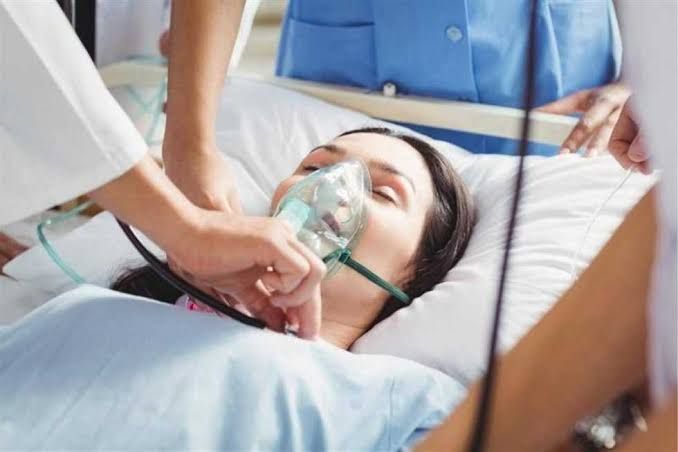
Artificial respiration is a critical life-sustaining intervention employed when a person’s natural breathing mechanisms are insufficient to maintain adequate oxygenation and carbon dioxide elimination.
Understanding Artificial Respiration: Mechanisms and Types
Artificial respiration encompasses various techniques and devices designed to assist or completely take over the act of breathing. These methods can broadly be categorized into manual (non-mechanical) and mechanical approaches, each with distinct applications and complexities.
A. Manual Artificial Respiration (Non-Invasive)
Manual methods are typically employed in emergency situations or as short-term interventions until more advanced support can be established. They rely on direct human action or simple devices to deliver breaths.
- Mouth-to-Mouth/Mouth-to-Nose Resuscitation (Rescue Breathing):
- Mechanism: This is the most basic form, where a rescuer directly inflates the victim’s lungs by exhaling into their mouth or nose. It creates a positive pressure gradient, forcing air into the lungs.
- Context: Primarily used as part of Cardiopulmonary Resuscitation (CPR) in pre-hospital emergency settings when no other equipment is available. It’s a rapid, immediate response to respiratory arrest.
- Limitations: Rescuer fatigue, inconsistent delivered volume and pressure, risk of disease transmission (though low), and inability to deliver high concentrations of oxygen. Current CPR guidelines often prioritize chest compressions over rescue breaths for lay rescuers, but breaths remain crucial in specific scenarios (e.g., drowning, opioid overdose).
- Bag-Valve-Mask (BVM) Ventilation (Ambu Bag):
- Mechanism: A self-inflating bag connected to a face mask (or an artificial airway) is manually compressed by a rescuer. This action forces air into the patient’s lungs, creating positive pressure. A one-way valve prevents rebreathing of exhaled air. Supplementary oxygen can be connected to an oxygen reservoir bag, allowing delivery of high FiO2 (Fraction of Inspired Oxygen).
- Components: Consists of a self-inflating bag, a non-rebreathing valve, a face mask (various sizes), and often an oxygen reservoir bag and tubing.
- Advantages: Delivers consistent positive pressure breaths, allows for the delivery of 100% oxygen (with reservoir), is more hygienic than mouth-to-mouth, and can be used for extended periods compared to direct mouth-to-mouth. It requires proper technique to ensure an effective mask seal and avoid gastric insufflation.
- Context: Widely used by healthcare professionals in emergency departments, ambulances, and intensive care units for short-term ventilation before intubation or during transport.
B. Mechanical Artificial Respiration (Ventilation)
Mechanical ventilation employs machines (ventilators) to fully or partially take over the work of breathing, delivering precise volumes or pressures of gas through an airway. This can be non-invasive or invasive.
- Non-Invasive Positive Pressure Ventilation (NIPPV):
- Mechanism: Positive pressure is delivered to the patient’s airways via a tightly fitting mask (nasal, oral, or full-face) that avoids the need for an artificial airway (like an endotracheal tube).
- Types:
- Continuous Positive Airway Pressure (CPAP): Delivers a constant level of positive pressure throughout the respiratory cycle. Primarily used to keep airways open and improve oxygenation, such as in obstructive sleep apnea or acute cardiogenic pulmonary edema.
- Bilevel Positive Airway Pressure (BiPAP): Delivers two distinct levels of positive pressure: a higher inspiratory positive airway pressure (IPAP) during inspiration and a lower expiratory positive airway pressure (EPAP) during expiration. This assists both ventilation (CO2 removal) and oxygenation.
- Indications: Acute exacerbations of Chronic Obstructive Pulmonary Disease (COPD), acute cardiogenic pulmonary edema, weaning from invasive ventilation, and obstructive sleep apnea.
- Advantages: Avoids the risks associated with intubation (e.g., airway trauma, ventilator-associated pneumonia), preserves patient’s ability to speak and eat, and is generally more comfortable.
- Limitations: Requires a cooperative patient, potential for mask discomfort, skin breakdown, air leaks, and gastric distension. Not suitable for patients with impaired consciousness or hemodynamic instability.
- Invasive Mechanical Ventilation:
- Mechanism: A mechanical ventilator is connected to the patient via an artificial airway, typically an endotracheal tube (inserted into the trachea through the mouth or nose) or a tracheostomy tube (inserted directly into the trachea through the neck). The ventilator delivers positive pressure breaths, controlling or assisting the patient’s breathing.
- Context: Used in critical care settings, operating rooms, and for patients requiring prolonged or complete respiratory support.
- Ventilator Types (by breath delivery):
- Volume-Cycled: Delivers a set volume of air with each breath, regardless of the pressure required.
- Pressure-Cycled: Delivers breaths until a preset inspiratory pressure is reached. The volume delivered may vary.
- Time-Cycled: Delivers breaths for a preset inspiratory time.
- Advantages: Provides precise control over ventilation parameters, protects the airway from aspiration, facilitates suctioning, and allows for deep sedation.
- Limitations: Requires intubation (a skilled procedure with risks), patient discomfort, risk of ventilator-associated pneumonia (VAP), barotrauma/volutrauma (lung injury from excessive pressure/volume), and ventilator dependence.
Therapeutic Indications for Putting a Person on a Ventilator
The decision to initiate mechanical ventilation is a critical one, based on a comprehensive assessment of the patient’s respiratory status, underlying condition, and overall clinical picture. The primary goal is to support life, reduce the work of breathing, and allow the body to heal.
A. Respiratory Failure: This is the most common indication, categorized into two main types:
- Hypoxemic Respiratory Failure (Type I):
- Definition: Characterized by inadequate oxygenation of the blood, leading to a low arterial partial pressure of oxygen (PaO2), typically below 60 mmHg, despite supplemental oxygen. Often due to problems with gas exchange (V/Q mismatch or shunt).
- Causes:
- Acute Respiratory Distress Syndrome (ARDS): Severe inflammation of the lungs leading to widespread alveolar damage.
- Severe Pneumonia: Extensive lung infection impairing oxygen transfer.
- Pulmonary Edema: Fluid accumulation in the lungs, often due to heart failure.
- Severe Asthma Exacerbation: Extreme bronchoconstriction and airway narrowing leading to severe hypoxemia.
- Pulmonary Embolism: Blockage of pulmonary arteries, leading to V/Q mismatch.
- Hypercapnic Respiratory Failure (Type II):
- Definition: Characterized by inadequate ventilation, leading to an inability to eliminate carbon dioxide effectively, resulting in a high arterial partial pressure of carbon dioxide (PaCO2), typically above 50 mmHg, accompanied by respiratory acidosis (pH < 7.35).
- Causes:
- COPD Exacerbation: Worsening of chronic obstructive pulmonary disease, leading to air trapping and ineffective ventilation.
- Neuromuscular Disorders: Conditions that weaken the respiratory muscles (e.g., Guillain-Barré Syndrome, Myasthenia Gravis, Spinal Cord Injury).
- Central Nervous System Depression: Conditions that suppress the brain’s respiratory drive (e.g., opioid overdose, severe stroke, brain injury, sedative overdose).
- Severe Chest Wall Trauma: Injuries (e.g., flail chest) that impair the mechanics of breathing.
B. Airway Protection:
- Reduced Level of Consciousness: Patients with a Glasgow Coma Scale (GCS) score typically less than 8 are at high risk of losing their protective airway reflexes (gag reflex, cough reflex), leading to aspiration of gastric contents or oral secretions into the lungs. Intubation and ventilation provide a secure airway barrier.
- Upper Airway Obstruction: Conditions that acutely obstruct the upper airway (e.g., severe angioedema, epiglottitis, laryngeal edema due to burns or anaphylaxis) can necessitate intubation to bypass the obstruction and maintain ventilation.
C. Reduce Work of Breathing (WOB) / Respiratory Muscle Fatigue: When the effort required for breathing becomes excessive, respiratory muscles can fatigue, leading to eventual respiratory arrest. Ventilation provides rest for these muscles.
- Examples: Severe asthma, severe cardiogenic pulmonary edema, or sepsis where the metabolic demand on respiratory muscles is prohibitively high.
D. Other Clinical Scenarios:
- Post-operative Recovery: Following major surgeries (especially thoracic or upper abdominal), or when prolonged anesthesia has been used, patients may require temporary ventilation to recover from the effects of anesthesia or surgery.
- Therapeutic Hyperventilation: In specific neurological emergencies (e.g., severe traumatic brain injury with signs of herniation), controlled hyperventilation can be used temporarily to reduce intracranial pressure by inducing cerebral vasoconstriction.
- Procedural Support: For certain medical procedures (e.g., bronchoscopy in an unstable patient, or complex interventional radiology procedures) where precise airway control and patient sedation are required.
Overview of Ventilator Settings: Initial Parameters
Once the decision is made to mechanically ventilate a patient, various settings must be configured on the ventilator to match the patient’s physiological needs and the clinical goals. These settings directly influence oxygenation, ventilation (CO2 removal), and lung protection.
A. Mode of Ventilation: The mode determines how the ventilator interacts with the patient’s spontaneous breathing efforts.
- Controlled Mechanical Ventilation (CMV) / Assist-Control (A/C):
- Description: The ventilator delivers a breath whether the patient initiates one (assist) or not (control). If the patient initiates a breath, the ventilator delivers a full-supported breath (either a set volume or a set pressure for a set time). If the patient doesn’t breathe within a set interval, the ventilator delivers a mandatory breath. This mode provides full ventilatory support.
- Sub-types:
- Volume Control (VC-AC): The ventilator delivers a set tidal volume (VT) with each breath, allowing the pressure to vary.
- Pressure Control (PC-AC): The ventilator delivers a set inspiratory pressure (PIP) for a set inspiratory time, allowing the volume to vary.
- Use: For patients with absent or minimal respiratory effort, or those requiring complete respiratory muscle rest (e.g., heavily sedated, paralyzed patients).
- Synchronized Intermittent Mandatory Ventilation (SIMV):
- Description: The ventilator delivers a set number of mandatory breaths (volume or pressure-targeted) per minute, synchronized with the patient’s inspiratory effort if present. Between these mandatory breaths, the patient can breathe spontaneously at their own tidal volume and rate. These spontaneous breaths can be either unassisted or pressure-supported.
- Use: Often used as a weaning mode, allowing patients to gradually take over more of the work of breathing while still providing a minimum level of support.
- Pressure Support Ventilation (PSV):
- Description: The patient initiates every breath, and the ventilator provides a set amount of positive pressure support during inspiration to augment the patient’s spontaneous breath. The inspiratory flow terminates when a certain percentage of peak inspiratory flow is reached. This mode provides no mandatory breaths.
- Use: Primarily a weaning mode for patients with reliable respiratory drive, or for patients on NIPPV, to reduce the work of breathing and overcome the resistance of the endotracheal tube.
- Continuous Positive Airway Pressure (CPAP):
- Description: Applies a constant positive pressure throughout the respiratory cycle to keep the airways open, improve oxygenation, and recruit collapsed alveoli. The ventilator does not deliver any breaths. The patient must be able to breathe spontaneously and maintain adequate ventilation.
- Use: Weaning from mechanical ventilation, treating obstructive sleep apnea (often via NIPPV), or in conditions like acute cardiogenic pulmonary edema to reduce preload and afterload.
B. Respiratory Rate (f or RR):
- Definition: The number of breaths per minute delivered by the ventilator in mandatory modes.
- Typical Range: 10-20 breaths/minute, adjusted based on the patient’s CO2 levels (PaCO2) and pH (acid-base balance). Higher rates increase minute ventilation and CO2 removal.
C. Tidal Volume (VT):
- Definition: The volume of air delivered with each breath, measured in milliliters (ml). Primarily set in Volume Control modes.
- Typical Calculation: Traditionally 6-8 ml/kg of ideal body weight (IBW). In conditions like ARDS, lower tidal volumes (4-6 ml/kg IBW) are used to prevent ventilator-induced lung injury (VILI), a strategy known as “lung protective ventilation.”
- Relevance: Along with respiratory rate, tidal volume is a primary determinant of minute ventilation and thus CO2 elimination.
D. Positive End-Expiratory Pressure (PEEP):
Definition: A preset positive pressure maintained in the patient’s lungs at the end of exhalation.
Purpose:
- Prevents alveolar collapse (atelectasis).
- Recruits collapsed alveoli, increasing functional residual capacity (FRC).
- Improves oxygenation by increasing the surface area for gas exchange.
- Can reduce the work of breathing by keeping airways open.
Typical Range: 5 cmH2O is a common physiological PEEP. Can be titrated higher (e.g., 8-15 cmH2O or more) in conditions like ARDS to improve oxygenation, but excessive PEEP can impair venous return and cardiac output.
E. Fraction of Inspired Oxygen (FiO2):
- Definition: The percentage of oxygen in the gas mixture delivered to the patient. Room air is 21% (0.21) oxygen.
- Range: 0.21 (room air equivalent) to 1.0 (100% oxygen).
- Goal: To maintain adequate arterial oxygen saturation (SpO2, typically > 90-92%) with the lowest possible FiO2 to minimize the risk of oxygen toxicity, which can damage lung tissue over time.
F. Inspiratory Time (Ti) / I:E Ratio:
- Definition: Inspiratory Time (Ti) is the duration of inspiration. The I:E ratio is the ratio of inspiratory time to expiratory time (e.g., 1:2 means inspiration is half as long as expiration).
- Importance: Affects gas exchange efficiency and prevents “auto-PEEP” (inadvertent PEEP due to insufficient expiratory time). A longer expiratory time (e.g., 1:3 or 1:4) is often set for patients with obstructive lung disease (e.g., COPD) to allow more time for exhalation and prevent air trapping.
G. Pressure Support (PS – for PSV and SIMV modes):
- Definition: The additional pressure provided by the ventilator during a patient’s spontaneous breath to augment their effort.
- Purpose: To overcome the resistance of the endotracheal tube and reduce the patient’s work of breathing during spontaneous efforts.
H. Alarm Settings: Ventilators have numerous alarms (e.g., high peak inspiratory pressure, low tidal volume, low minute ventilation, apnea) that alert clinicians to problems such as airway obstruction, disconnections, or changes in the patient’s respiratory status. Proper setting and vigilance of alarms are crucial for patient safety.
Conclusion
Artificial respiration, particularly mechanical ventilation, is a cornerstone of critical care medicine. From basic manual techniques to sophisticated mechanical ventilators, these interventions provide vital respiratory support when a patient’s natural breathing fails. Understanding the mechanisms of different types of artificial respiration, the precise therapeutic indications for ventilator use, and the fundamental ventilator settings are paramount for healthcare professionals. The management of a mechanically ventilated patient is a dynamic process requiring continuous monitoring, adjustment of settings, and a multidisciplinary approach to optimize patient outcomes, minimize complications, and ultimately facilitate successful liberation from ventilatory support.