The allure of towering peaks and breathtaking vistas often draws individuals to high altitudes. While these environments offer unparalleled beauty, they also present unique physiological challenges to the human body due to significant changes in atmospheric conditions. Understanding these changes, their impact on the body, and the associated medical conditions is paramount for safe ascent and effective management of high-altitude illnesses.
The High-Altitude Environment: Changes in Air Composition and Effects of Low Oxygen Pressure
At sea level, the air we breathe is composed of approximately 21% oxygen, 78% nitrogen, and 1% other gases. While this percentage composition remains remarkably constant up to extreme altitudes, the total atmospheric pressure significantly decreases with increasing elevation.
Atmospheric Pressure and Partial Pressure of Oxygen (PO2): Atmospheric pressure is the force exerted by the weight of the air column above a given point. As altitude increases, the column of air above shortens, leading to a exponential decrease in atmospheric pressure. This phenomenon is critical because the partial pressure of oxygen (PO2) – the pressure exerted by oxygen within the total atmospheric pressure – is directly proportional to the total atmospheric pressure.
- Sea Level (0 meters): Barometric pressure (PB) is approximately 760 mmHg. Given oxygen is 21% of the air, the inspired PO2 (PIO2) is 0.21 x 760 mmHg = 159.6 mmHg.
- Mount Everest Summit (8,848 meters): At this extreme altitude, PB can drop to around 253 mmHg. Consequently, the PIO2 plummets to approximately 0.21 x 253 mmHg = 53.1 mmHg.
Even though the percentage of oxygen in the air is the same, the number of oxygen molecules available per breath is drastically reduced at high altitude. This reduction in inspired PO2 creates a state of hypobaric hypoxia, meaning there is a reduced supply of oxygen to the body’s tissues due to low atmospheric pressure, despite a normal percentage of oxygen in the air.
Effects of Low Oxygen Pressure on the Body: The human body is exquisitely sensitive to oxygen levels. A decrease in inspired PO2 triggers a cascade of physiological responses aimed at maintaining oxygen delivery to vital organs:
- Hypoxic Ventilatory Response (HVR): The primary and most immediate response is an increase in breathing rate and depth (hyperventilation). Chemoreceptors in the carotid bodies and aortic arch detect the drop in arterial PO2 and stimulate the respiratory centers in the brainstem. This increased ventilation helps to maintain alveolar PO2 and arterial PO2 closer to normal, but it also leads to increased exhalation of carbon dioxide (CO2), causing respiratory alkalosis (a rise in blood pH).
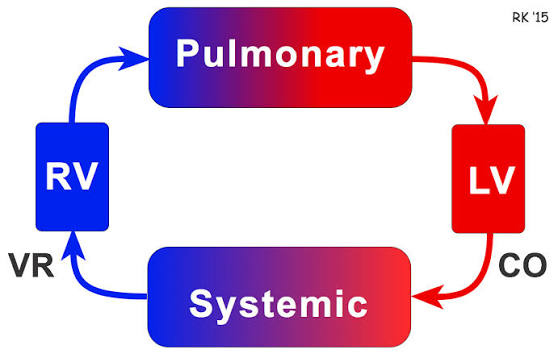
- Cardiovascular Adaptations: The heart rate increases, and the cardiac output (amount of blood pumped by the heart per minute) rises to compensate for the reduced oxygen content in the blood. Over time, the body may produce more red blood cells (polycythemia) to enhance the oxygen-carrying capacity of the blood, a slower process mediated by erythropoietin.
- Renal Adaptations: The kidneys play a role in compensating for respiratory alkalosis by increasing the excretion of bicarbonate, which helps to normalize blood pH. This adjustment is part of the acclimatization process.
Failure of these compensatory mechanisms, especially with rapid ascent, leads to the spectrum of high-altitude illnesses.
Alveolar Partial Pressure of Oxygen (PO2) at Different Elevations
Oxygen from the inspired air must cross the alveolar-capillary membrane in the lungs to enter the bloodstream. The driving force for this diffusion is the pressure gradient between the alveolar PO2 (PO2 in the air sacs of the lungs) and the pulmonary capillary PO2.
- Sea Level: With an inspired PO2 of approximately 159.6 mmHg, the healthy individual’s alveolar PO2 (PAO2) is typically around 100-105 mmHg. After crossing the alveolar-capillary membrane, arterial PO2 (PaO2) is usually 95-100 mmHg. This robust gradient ensures efficient oxygen loading onto hemoglobin.
- As Altitude Increases: As the inspired PO2 drops, the alveolar PO2 also decreases significantly. This reduction in PAO2 directly impacts the amount of oxygen that can diffuse into the blood.
- 3,000 meters (approx. 10,000 feet): PB is ~523 mmHg, PIO2 is ~110 mmHg. Even with hyperventilation, PAO2 might be around 60-70 mmHg, and PaO2 around 50-60 mmHg. At this level, noticeable symptoms of hypoxia may begin for unacclimatized individuals.
- 5,000 meters (approx. 16,400 feet): PB is ~405 mmHg, PIO2 is ~85 mmHg. PAO2 could fall to 40-50 mmHg, and PaO2 to 30-40 mmHg. This is a critical threshold where significant physiological stress occurs and the risk of acute high-altitude illnesses increases.
- 8,000 meters (approx. 26,200 feet – “Death Zone”): PB is ~282 mmHg, PIO2 is ~59 mmHg. Despite maximal hyperventilation, PAO2 can be as low as 30-35 mmHg, and PaO2 even lower. Sustained life without supplemental oxygen is extremely challenging and limited to a few days for highly acclimatized individuals.
The decreased alveolar PO2 at high altitudes reduces the oxygen saturation of hemoglobin, leading to hypoxemia (low oxygen in the blood), which is the fundamental physiological stressor responsible for high-altitude illnesses.
High-Altitude Illnesses: Causes and Clinical Features
High-altitude illnesses represent a spectrum of conditions resulting from insufficient acclimatization to reduced oxygen availability.
a. Acute Mountain Sickness (AMS)
Causes: AMS is the most common high-altitude illness, typically occurring within 6-12 hours of rapid ascent to altitudes above 2,500 meters (8,000 feet) without adequate acclimatization. It is thought to be caused by cerebral vasodilation (widening of blood vessels in the brain) in response to hypoxia, leading to mild cerebral edema. Individual susceptibility varies significantly.
Clinical Features: AMS resembles a severe hangover and is characterized by a new-onset headache (often throbbing, worsened by exertion) along with at least one of the following:
- Nausea or vomiting
- Fatigue or weakness
- Dizziness or lightheadedness
- Difficulty sleeping (insomnia)
Severity:
- Mild AMS: Symptoms are generally tolerable and do not interfere with normal activity.
- Moderate AMS: Symptoms are more bothersome, interfering with daily activities. Individuals may be unable to eat or sleep well.
- Severe AMS: Debilitating symptoms that prevent any significant activity. May progress to HACE.
b. High Altitude Pulmonary Edema (HAPE)
Causes: HAPE is a non-cardiogenic pulmonary edema, meaning it’s not due to heart failure. It is a potentially fatal condition caused by an exaggerated, uneven hypoxic pulmonary vasoconstriction (narrowing of blood vessels in the lungs) in response to low oxygen. This leads to very high pulmonary artery pressures, causing fluid to leak from capillaries into the alveoli and interstitial spaces of the lungs. It typically occurs after 2-4 days at altitudes above 2,500-3,000 meters, often in individuals who ascend rapidly or have a history of HAPE.
Clinical Features (Progressive):
- Early/Mild:
- Dry cough
- Mild shortness of breath with exertion, disproportionate for activity level
- Reduced exercise performance
- Feeling of chest tightness
- Moderate/Severe (indicates worsening edema):
- Shortness of breath at rest
- Increasing cough, potentially productive of frothy or pink sputum
- Gurgling or rattling sounds in the chest (rales/crackles, audible with stethoscope)
- Cyanosis (bluish discoloration of lips and nail beds due to severe hypoxemia)
- Extreme fatigue and weakness
- Rapid heart rate (tachycardia) and breathing rate (tachypnea)
- Confusion or altered mental status (due to severe hypoxemia)
HAPE can rapidly progress and is the leading cause of death from high-altitude illness.
c. High Altitude Cerebral Edema (HACE)
Causes: HACE is the most severe and life-threatening form of high-altitude illness, representing the extreme end of the AMS spectrum. It results from severe, widespread brain swelling (edema) due to increased capillary permeability and fluid leakage into the brain tissue, often associated with prolonged and severe hypoxemia. HACE usually develops after several days at altitude, typically above 3,500 meters, and often in individuals with severe AMS or in conjunction with HAPE.
Clinical Features: HACE is characterized by severe neurological dysfunction and is a medical emergency. Hallmark signs include:
- Severe Headache: Unresponsive to common pain relievers.
- Ataxia (Loss of Coordination): This is the most crucial early sign. Individuals may struggle to walk in a straight line (“drunkard’s gait”). This is often tested with a “tandem gait” (heel-to-toe walking).
- Altered Mental Status: Confusion, disorientation, irrational behavior, impaired judgment, drowsiness, stupor.
- Visual Disturbances: Blurred vision, double vision, hallucinations.
- Behavioral Changes: Lethargy, apathy, irritability.
- Severe Nausea/Vomiting: Often persistent and projectile.
- Progression: If untreated, HACE can rapidly progress to seizures, coma, and death due to brain herniation.
Various Treatment Modalities for AMS/HAPE/HACE
Prompt recognition and treatment are critical for all high-altitude illnesses. Descent is the definitive treatment for all severe forms of high-altitude illness. Oxygen therapy also plays a crucial role.
1. Treatment of Acute Mountain Sickness (AMS)
- Mild AMS:
- Halt Ascent: Do not ascend higher until symptoms resolve.
- Rest: Take a rest day at the current altitude.
- Hydration: Drink plenty of fluids.
- Analgesics: Over-the-counter pain relievers like ibuprofen or acetaminophen for headache.
- Antiemetics: For nausea (e.g., ondansetron).
- Acetazolamide (Diamox): While primarily a prophylactic agent, it can accelerate recovery from mild to moderate AMS. Typical dose is 125-250 mg twice daily. It works by acidifying the blood, promoting hyperventilation and speeding up acclimatization.
- Moderate AMS:
- Descent: Descend 500-1000 meters (1,600-3,300 feet) if symptoms are worsening or not improving.
- Oxygen: Supplemental oxygen if available, to relieve symptoms.
- Dexamethasone: 4 mg every 6 hours orally. This powerful corticosteroid helps reduce cerebral edema and significantly improve symptoms.
- Acetazolamide: Continue as above.
- Severe AMS:
- Immediate Descent: Rapid descent is mandatory and life-saving.
- Oxygen: Administer high-flow oxygen.
- Dexamethasone: 8 mg initially, then 4 mg every 6 hours.
- Portable Hyperbaric Bag (e.g., Gamow Bag): If descent is not immediately possible, use of a portable hyperbaric chamber can simulate descent and provide rapid symptomatic relief. This buys time for actual descent.
2. Treatment of High Altitude Pulmonary Edema (HAPE)
HAPE is a medical emergency requiring urgent attention.
- Immediate Descent: Rapid descent (at least 1,000 meters or 3,300 feet) is the cornerstone of treatment and often life-saving.
- Oxygen: Administer high-flow supplemental oxygen immediately. Aim for oxygen saturation above 90%.
- Medications:
- Nifedipine (extended-release): 30 mg extended-release initially, then 30 mg every 12 hours. This calcium channel blocker reduces pulmonary artery pressure.
- Tadalafil (Cialis) or Sildenafil (Viagra): These PDE5 inhibitors can also be used to decrease pulmonary artery pressure. Tadalafil 10 mg twice daily or Sildenafil 50 mg every 8 hours.
- Dexamethasone: While not primary for HAPE, it is often given if HACE is suspected concurrently or if there are signs of severe inflammation (4-8 mg initially, then 4 mg every 6 hours).
- Portable Hyperbaric Bag: Use if immediate descent is not feasible.
- Avoid Exertion: Complete rest until fully recovered.
3. Treatment of High Altitude Cerebral Edema (HACE)
HACE is a life-threatening emergency demanding immediate and aggressive intervention.
- Immediate, Rapid Descent: This is the most crucial step and takes precedence over all other interventions. Descend as quickly and safely as possible, often requiring assisted evacuation.
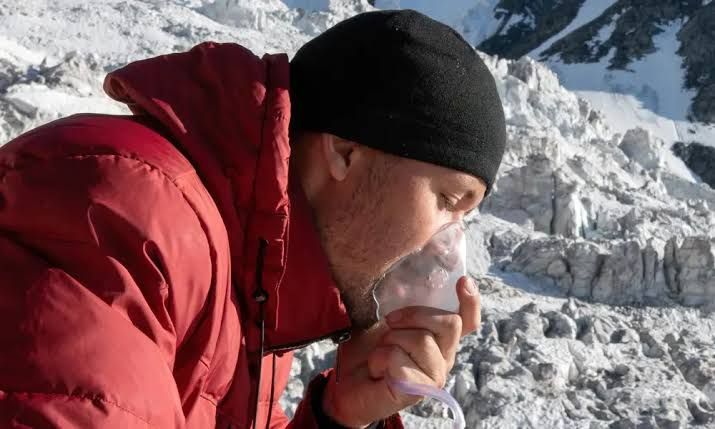
- Oxygen: Administer high-flow supplemental oxygen (e.g., 4-6 L/min via nasal cannula or mask) to maintain oxygen saturation above 90%.
- Dexamethasone: This is a critical medication for HACE. Administer 8 mg orally or intravenously immediately, followed by 4 mg every 6 hours. Dexamethasone helps to reduce cerebral edema and improve neurological symptoms.
- Portable Hyperbaric Bag: If immediate descent is impossible or delayed, a portable hyperbaric chamber can provide temporary relief by increasing cerebral oxygenation and reducing edema, buying critical time for evacuation.
- Maintain Airway and Circulation: Monitor vital signs closely. Individuals with HACE may become unresponsive, requiring airway management.
- Avoid Ascent: Absolutely no further ascent until completely recovered and assessed by a medical professional.
Conclusion
High-altitude environments present significant physiological challenges due to reduced atmospheric pressure and, consequently, lower partial pressure of inspired oxygen. While the body attempts to acclimatize through various mechanisms, rapid ascent can overwhelm these processes, leading to acute high-altitude illnesses such as Acute Mountain Sickness (AMS), High Altitude Pulmonary Edema (HAPE), and High Altitude Cerebral Edema (HACE). Understanding the causes, recognizing the distinct clinical features of each condition, and implementing prompt, appropriate treatment—especially timely descent and oxygen therapy—are paramount for ensuring safety and preventing potentially fatal outcomes during high-altitude endeavors. Prevention through gradual ascent and proper acclimatization remains the most effective strategy against these challenging conditions.