Systemic illnesses arising from infection represent a significant global health challenge, marked by high morbidity and mortality rates. Navigating the complex interplay between microbial presence, host response, and organ dysfunction requires a precise understanding of distinct yet interconnected clinical entities: bacteremia, Systemic Inflammatory Response Syndrome (SIRS), sepsis, and Multiple Organ Dysfunction Syndrome (MODS).
The Continuum of Systemic Response: Key Definitions
These conditions often represent a progressive continuum, starting from the presence of bacteria in the blood, transitioning through an uncontrolled inflammatory state, evolving into life-threatening organ dysfunction, and culminating in multi-system failure.
1. Bacteremia
- Definition: Bacteremia is defined as the presence of viable bacteria in the bloodstream. It is a microbiological finding, not necessarily a clinical syndrome, and can occur with or without concurrent symptoms of infection or systemic inflammation.
- Pathogenesis:
- Transient Bacteremia: Most common, often self-limiting events following minor procedures (e.g., dental work, catheter insertion, vigorous chewing) or everyday activities. Bacteria briefly enter the bloodstream but are rapidly cleared by the host’s immune system.
- Intermittent Bacteremia: Occurs when bacteria are released into the bloodstream from a localized infection site (e.g., abscess, pneumonia, urinary tract infection) at irregular intervals. It often signifies an ongoing, but contained, infection.
- Continuous Bacteremia: Characterized by the persistent presence of bacteria in the blood, typically seen in intravascular infections (e.g., endocarditis, septic thrombophlebitis) or extensive, uncontrolled infections. The pathogenesis involves bacteria breaching mucosal barriers (skin, GI tract, respiratory tract, genitourinary tract) and entering the vascular system. The body’s immune system, primarily phagocytes, usually clears these microorganisms rapidly.
- Clinical Picture: Bacteremia can be entirely asymptomatic, especially transient forms. When symptomatic, it may present with fever, chills, and malaise. These symptoms are often non-specific and are more indicative of the underlying infection or initial systemic response rather than bacteremia itself. In some cases, it can be the precursor to more severe syndromes like SIRS or sepsis.
- Mortality and Morbidity: The mortality and morbidity associated with bacteremia vary widely. Transient bacteremia typically carries very low risk. However, persistent or untreated bacteremia from a significant source, especially in immunocompromised individuals or those with prosthetic devices, can lead to metastatic infection (e.g., endocarditis, osteomyelitis) and is a direct precursor to sepsis, significantly increasing morbidity and mortality. Untreated bacteremia progresses to sepsis in approximately 20-40% of cases.
2. Systemic Inflammatory Response Syndrome (SIRS)
- Definition: SIRS is a clinical syndrome characterized by a widespread inflammatory response that can be triggered by a variety of severe clinical insults, infectious or non-infectious. It is a non-specific response, representing the body’s generalized reaction to stress.
- SIRS Criteria: SIRS is diagnosed when two or more of the following clinical criteria are met:
- Body temperature >38°C (100.4°F) or <36°C (96.8°F).
- Heart rate >90 beats/minute.
- Respiratory rate >20 breaths/minute or PaCO2 <32 mmHg.
- White blood cell count >12,000 cells/mm³ or <4,000 cells/mm³ or >10% immature (band) forms.
- Pathogenesis: SIRS is initiated by the release of pro-inflammatory mediators in response to various triggers. These triggers include infection (leading to sepsis), trauma, burns, pancreatitis, ischemia, and major surgery. The pathogenesis involves a complex interplay of host defense mechanisms. When a significant insult occurs, Pattern Recognition Receptors (PRRs) on immune cells detect Pathogen-Associated Molecular Patterns (PAMPs) from microorganisms or Damage-Associated Molecular Patterns (DAMPs) released from damaged host cells. This recognition triggers a cascade of events, leading to the massive activation and release of inflammatory mediators into the systemic circulation. This widespread release of mediators leads to endothelial dysfunction, increased vascular permeability, vasodilation, and microvascular thrombosis, contributing to tissue hypoperfusion.
- Cytokine and Non-Cytokine Mediators of SIRS:
- Cytokine Mediators (Pro-inflammatory):
- Tumor Necrosis Factor-alpha (TNF-α): A primary initiator of the inflammatory cascade, leading to fever, increased vascular permeability, and activation of other cytokines.
- Interleukin-1 beta (IL-1β): Similar to TNF-α, it promotes fever, endothelial activation, and leukocyte recruitment.
- Interleukin-6 (IL-6): A pleiotropic cytokine that induces acute-phase protein synthesis in the liver and promotes leukocyte differentiation. It’s often used as a marker of inflammation severity.
- Interleukin-8 (IL-8) / CXCL8: A potent chemoattractant for neutrophils, facilitating their recruitment to sites of inflammation.
- Cytokine Mediators (Anti-inflammatory/Regulatory):
- Interleukin-10 (IL-10): Inhibits pro-inflammatory cytokine production, serving to dampen the immune response and prevent excessive tissue damage.
- Transforming Growth Factor-beta (TGF-β): Involved in immune regulation and tissue repair.
- Non-Cytokine Mediators:
- Complement System: Activation leads to the generation of anaphylatoxins (C3a, C5a) that increase vascular permeability and recruit leukocytes.
- Platelet-Activating Factor (PAF): Potent lipid mediator involved in inflammation, platelet aggregation, and increased vascular permeability.
- Arachidonic Acid Metabolites:
- Prostaglandins (e.g., PGE2): Contribute to fever, vasodilation, and pain.
- Leukotrienes (e.g., LTB4): Potent chemoattractants and vasoconstrictors.
- Nitric Oxide (NO): Produced in large quantities during SIRS, leading to vasodilation and hypotension.
- Reactive Oxygen Species (ROS): Produced by activated immune cells, contributing to oxidative stress and tissue damage.
- High-Mobility Group Box 1 (HMGB1): A DAMP released from necrotic cells, acting as a late mediator of inflammation.
- Kinins (e.g., Bradykinin): Increase vascular permeability and vasodilation.
- Coagulation Cascade Components: Activation of the coagulation system leads to microthrombi formation and consumption of clotting factors.
- Cytokine Mediators (Pro-inflammatory):
- Clinical Picture: Patients present with the signs meeting SIRS criteria: fever or hypothermia, tachycardia, tachypnea, and leukocytosis or leukopenia. These findings are non-specific and can be present in numerous conditions, from a mild viral infection to severe trauma.
- Mortality and Morbidity: SIRS itself, while indicating a systemic response, does not necessarily imply poor prognosis. Its morbidity and mortality are entirely dependent on the underlying cause. SIRS triggered by infection (sepsis) carries a far higher risk than SIRS due to a sprained ankle. The presence of SIRS criteria should prompt further investigation to identify the underlying cause and assess for organ dysfunction.
3. Sepsis
- Definition: Sepsis is a life-threatening organ dysfunction caused by a dysregulated host response to infection. It is no longer merely SIRS in the presence of infection; rather, it signifies that the body’s response to infection is harming its own tissues and organs. The “dysregulated” aspect implies that the inflammatory response is excessive and inadequately controlled, leading to simultaneous pro-inflammatory and anti-inflammatory processes, immune suppression, and widespread cellular injury.
- Pathogenesis: Sepsis begins when an infection triggers an overwhelming and dysregulated inflammatory response. This involves:
- Exaggerated Inflammation: Initial robust pro-inflammatory cytokine release (TNF-α, IL-1, IL-6) leading to widespread endothelial activation, increased vascular permeability, and microcirculatory dysfunction.
- Immunosuppression (Compensatory Anti-inflammatory Response Syndrome – CARS): Concurrently, anti-inflammatory mediators (IL-10, TGF-β) are released, attempting to counteract the excessive inflammation. However, in sepsis, this anti-inflammatory response can become dominant, leading to a state of ‘immunoparalysis,’ making the host susceptible to secondary infections or reactivation of latent viruses.
- Coagulation Abnormalities: The inflammatory process activates the coagulation cascade while simultaneously inhibiting fibrinolysis. This leads to widespread microvascular thrombosis, impairing blood flow to vital organs and contributing to ischemia and hypoxia. Disseminated Intravascular Coagulation (DIC) is a common complication.
- Mitochondrial Dysfunction and Cellular Hypoxia: Even when macro-hemodynamics are seemingly adequate, impaired microcirculation and direct cellular injury lead to mitochondrial dysfunction, preventing cells from efficiently utilizing oxygen, resulting in cellular energy failure and organ dysfunction.
- Apoptosis: Increased rates of programmed cell death in immune cells (lymphocytes) and parenchymal cells contribute to immunosuppression and organ damage.
- Clinical Picture: Sepsis presents with signs of infection combined with new or worsening organ dysfunction. Organ dysfunction can manifest in various ways:
- Cardiovascular: Hypotension (systolic BP <100 mmHg), requiring vasopressors (septic shock).
- Respiratory: Acute Respiratory Distress Syndrome (ARDS) – hypoxemia, increased respiratory rate.
- Renal: Acute Kidney Injury (AKI) – oliguria, elevated creatinine.
- Neurological: Altered mental status, confusion, delirium.
- Hepatic: Jaundice, elevated bilirubin, elevated liver enzymes.
- Hematological: Thrombocytopenia, coagulopathy (elevated INR/aPTT).
- Metabolic: Lactic acidosis (elevated lactate), hyperglycemia.
- Mortality and Morbidity: Sepsis is a major cause of death worldwide. Its mortality rate ranges from 15-30% for sepsis, increasing to 30-50% for septic shock. Survivors often experience long-term physical, cognitive, and psychological impairments, collectively known as post-sepsis syndrome (PSS), significantly impacting their quality of life and increasing long-term morbidity.
4. Multiple Organ Dysfunction Syndrome (MODS)
- Definition: MODS is the progressive dysfunction of two or more organ systems in an acutely ill patient such that homeostasis cannot be maintained without intervention. It is the end-stage consequence of uncontrolled systemic inflammation, typically arising from severe sepsis or septic shock, but also from other severe insults like trauma or pancreatitis.
- Pathogenesis: MODS represents a failure of the body’s compensatory mechanisms to restore cellular and organ function. It is a continuum of the pathological processes seen in severe sepsis, characterized by:
- Sustained Systemic Inflammation: Persistent release of pro-inflammatory mediators leading to ongoing endothelial damage and microcirculatory dysfunction.
- Ischemia-Reperfusion Injury: Organs are subjected to periods of hypoperfusion (due to hypotension, microthrombi) followed by reperfusion, which can paradoxically cause further cellular damage by generating reactive oxygen species.
- Cellular and Mitochondrial Damage: Widespread cellular hypoxia, energy depletion, and mitochondrial dysfunction render cells incapable of performing their normal functions.
- Apoptosis and Necrosis: Both programmed cell death (apoptosis) and uncontrolled cell death (necrosis) contribute to the progressive loss of organ integrity and function.
- Gut Dysfunction: The ‘gut hypothesis’ suggests that loss of gut barrier integrity during critical illness allows translocation of bacteria and endotoxins, perpetuating the systemic inflammatory response and further damaging organs.
- Clinical Picture: The clinical picture of MODS is characterized by the failure of multiple organ systems, each manifesting specific signs and symptoms:
- Respiratory: Acute Respiratory Distress Syndrome (ARDS) – severe hypoxemia requiring mechanical ventilation.
- Cardiovascular: Refractory hypotension requiring high doses of vasopressors, cardiac arrhythmias, myocardial dysfunction.
- Renal: Anuria/oliguria requiring continuous renal replacement therapy (CRRT) or hemodialysis.
- Hepatic: Severe jaundice, elevated liver enzymes, coagulopathy due to inadequate synthesis of clotting factors.
- Hematological: Severe thrombocytopenia, DIC with bleeding and clotting tendencies.
- Neurological: Profound encephalopathy, coma, seizures.
- Gastrointestinal: Ileus, GI bleeding, abdominal compartment syndrome.
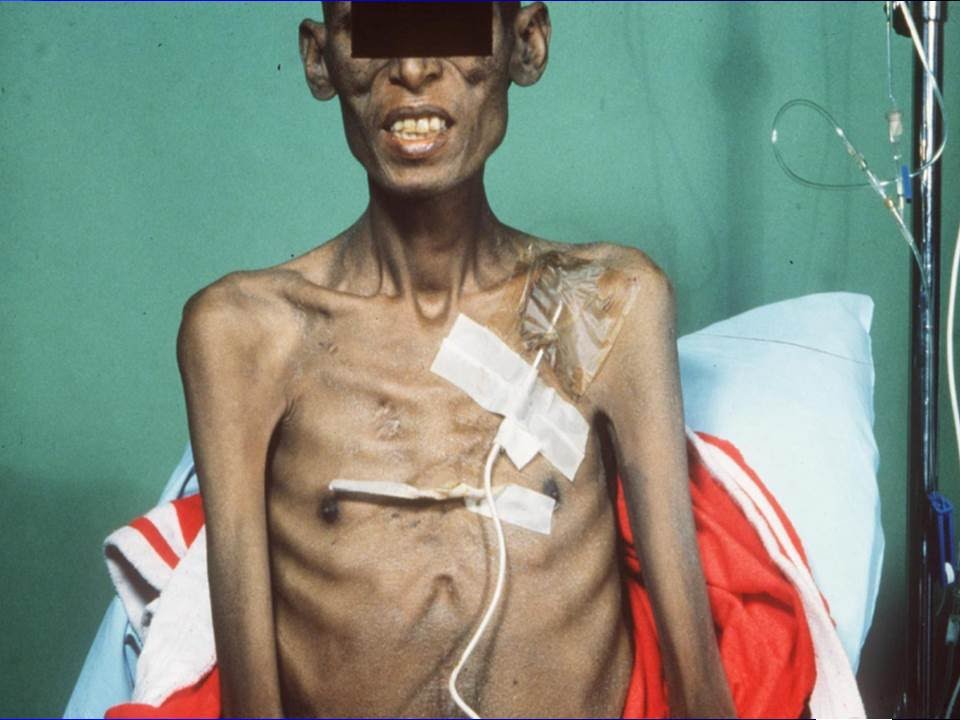
- Mortality and Morbidity: MODS carries an extremely high mortality rate, directly correlating with the number of failing organs. Mortality rates can range from 30% with two failing organs to over 80% with five or more failing organs. Survivors face prolonged recovery periods, often with permanent organ damage, severe deconditioning, and significant long-term functional impairment affecting daily life.
Differentiating the Conditions
| Feature | Bacteremia | SIRS | Sepsis | MODS |
|---|---|---|---|---|
| Defining Trait | Presence of bacteria in blood | Systemic inflammatory response (non-specific) | Life-threatening organ dysfunction due to infection | Progressive failure of ≥2 organ systems |
| Trigger | Bacterial presence (infection) | Infection, trauma, burns, pancreatitis, etc. | Infection | Uncontrolled SIRS/Sepsis, severe trauma, ischemia/reperfusion |
| Criteria | Positive blood culture | ≥2 SIRS criteria | Infection + new/worsening organ dysfunction | Failure of ≥2 distinct organ systems (e.g., SOFA score >2) |
| Pathogenesis | Breach of physical barriers | Widespread release of inflammatory mediators | Dysregulated host response (inflammation & immunosuppression), microcirculatory dysfunction, cellular injury | Persistent inflammation, ischemia-reperfusion, cellular energy failure, widespread apoptosis/necrosis |
| Organ Dysfunction | None (unless progressing to sepsis) | None (by definition) | Present due to dysregulated response | Severe and progressive failure of multiple organs |
| Mortality/Morbidity | Low (if transient), higher if sustained and progresses | Variable (depends on underlying cause) | Significant (15-30%), high long-term morbidity | Very High (30-80%+, proportional to organs failed), severe long-term impairment |
| Relation | Can lead to SIRS/Sepsis | Can be due to infection (Sepsis) or sterile insult | Is SIRS + infection + organ dysfunction | End-stage of severe sepsis/shock or other critical illness |
General Management Principles
Effective management of these conditions, particularly sepsis and MODS, relies on early recognition, rapid intervention, and comprehensive supportive care.
- Early Recognition and Diagnosis:
- Prompt Identification: Vigilance for signs of infection and systemic inflammation is crucial. Regular monitoring of vital signs and clinical assessment are paramount.
- Lactate Measurement: Elevated serum lactate is an early indicator of tissue hypoperfusion and metabolic derangement, particularly in sepsis and septic shock.
- Diagnostic Workup: Rapid identification of the causative pathogen and source of infection through blood cultures, urine cultures, wound cultures, and imaging studies (e.g., X-ray, CT scans).
- Source Control:
- Timely Eradication: Identifying and eliminating the source of infection is critical. This may involve drainage of abscesses, debridement of necrotic tissue, removal of infected catheters/devices, or surgical intervention for conditions like perforated viscus or cholangitis.
- Minimize Delay: Delays in source control are associated with worse outcomes.
- Antimicrobial Therapy:
- Broad-Spectrum Empiric Therapy: Initiate broad-spectrum intravenous antibiotics within one hour of sepsis recognition, ideally after obtaining cultures but without delaying antibiotic administration.
- De-escalation: Once culture results and sensitivities are available, narrow the antibiotic spectrum to target the specific pathogen, reducing antibiotic resistance and adverse effects.
- Duration: Administer for an appropriate duration, typically 7-10 days, depending on the source and patient response.
- Hemodynamic Support (Fluid Resuscitation and Vasopressors):
- Intravenous Fluid Resuscitation: Administer crystalloid fluids for hypotension or signs of hypoperfusion (e.g., lactate >2 mmol/L) to restore intravascular volume and improve tissue perfusion.
- Vasopressors: If hypotension persists despite adequate fluid resuscitation, vasopressors (e.g., norepinephrine) are initiated to maintain mean arterial pressure (MAP) and ensure organ perfusion.
- Monitoring Perfusion: Guide fluid and vasopressor therapy using clinical assessment, lactate levels, and dynamic measures of fluid responsiveness.
- Organ Support:
- Respiratory Support: Mechanical ventilation for patients with ARDS or severe respiratory failure.
- Renal Support: Renal replacement therapy (hemodialysis or CRRT) for acute kidney injury with fluid overload, electrolyte abnormalities, or uremia.
- Cardiovascular Support: Inotropic agents (e.g., dobutamine) for myocardial dysfunction; close monitoring of cardiac function.
- Hematological Support: Transfusion of blood products (e.g., red blood cells for severe anemia, platelets for severe thrombocytopenia with bleeding) as indicated. Management of DIC.
- Nutritional Support: Early enteral nutrition, if possible, to maintain gut barrier function and provide metabolic support.
- Metabolic Control:
- Glycemic Control: Maintain blood glucose levels within a target range (e.g., 140-180 mg/dL) using insulin.
- Corticosteroids: Low-dose corticosteroids may be considered in patients with refractory septic shock, particularly if there’s suspicion of adrenal insufficiency.
- Supportive Care and Monitoring:
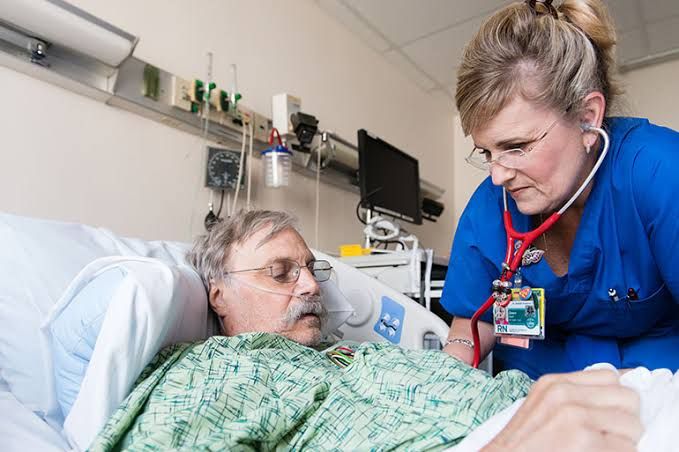
- Close Monitoring: Continuous monitoring of vital signs, fluid balance, urine output, and laboratory parameters (e.g., blood gases, lactate, renal and liver function tests, coagulation profile).
- Prevention of Complications: Prophylaxis against deep vein thrombosis (DVT) and stress ulcers.
- Sedation and Analgesia: Appropriate management of pain and agitation.
- Prevention:
- Infection Control: Adherence to strict infection control practices (hand hygiene, aseptic techniques) to prevent healthcare-associated infections.
- Vaccinations: Promoting vaccination against common pathogens (e.g., influenza, pneumococcal pneumonia).
In conclusion, bacteremia, SIRS, sepsis, and MODS represent a escalating spectrum of clinical severity, each with distinct definitions, pathogenic pathways, and prognostic implications. While bacteremia signifies the simple presence of bacteria in the blood, SIRS indicates a non-specific systemic inflammatory response. Sepsis is the life-threatening progression where this response to infection becomes dysregulated, leading to organ dysfunction. MODS is the devastating endpoint, characterized by the failure of multiple organ systems. A professional understanding of these conditions, coupled with swift diagnostic and therapeutic interventions, is paramount in mitigating morbidity and mortality and improving patient outcomes in critical care settings.