The human body is an exquisitely complex and adaptive system, constantly striving for homeostasis amidst changing environmental conditions. One of the most profound challenges it encounters is exposure to a low oxygen (hypoxic) environment, such as that found at high altitudes. The process by which the body adjusts to this scarcity of oxygen is known as acclimatization.
(a) The Mechanism of Acclimatization to Low O2
When the body encounters reduced partial pressure of oxygen in the atmosphere (hypobaric hypoxia), a series of coordinated physiological adjustments are initiated. These responses range from immediate, acute changes to long-term, chronic adaptations, all aimed at optimizing oxygen delivery and utilization.
Step 1: Immediate Cardiopulmonary Responses (Acute Phase – Minutes to Hours)
Upon initial exposure to hypoxia, the body’s primary goal is to increase the uptake and transport of what little oxygen is available.
- Hyperventilation: This is the most immediate and critical response. Specialized oxygen-sensitive chemoreceptors located in the carotid bodies (near the carotid arteries in the neck) and aortic arch detect the drop in arterial oxygen levels. This signal is sent to the respiratory control center in the brainstem, leading to an increased rate and depth of breathing (hyperventilation). By breathing more frequently and deeply, the body increases the partial pressure of oxygen in the alveoli (tiny air sacs in the lungs) and concomitantly reduces the partial pressure of carbon dioxide (CO2). While beneficial for oxygen uptake, this reduction in CO2 can lead to respiratory alkalosis (increased blood pH), which the kidneys will later work to correct.
- Increased Heart Rate and Cardiac Output: The sympathetic nervous system is activated, resulting in an increased heart rate and stronger contractions, leading to a higher cardiac output. This ensures that the available oxygenated blood circulates more rapidly throughout the body, attempting to compensate for the lower oxygen carrying capacity of individual blood cells.
- Pulmonary Vasoconstriction: In contrast to systemic arteries which vasodilate in response to hypoxia, the pulmonary arteries (leading to the lungs) vasoconstrict in areas of low oxygen. This phenomenon, known as Hypoxic Pulmonary Vasoconstriction (HPV), redirects blood flow from poorly ventilated areas of the lung to better-ventilated areas, thereby optimizing gas exchange efficiency. However, widespread HPV at very high altitudes can lead to increased pulmonary arterial pressure, a risk factor for High Altitude Pulmonary Edema (HAPE).
Step 2: Renal and Blood Adaptations (Intermediate Phase – Hours to Days)
As exposure to hypoxia continues, the body begins to make more substantial adjustments to its blood composition and fluid balance.
- Erythropoiesis (Red Blood Cell Production): The kidneys play a central role in this phase. The reduced oxygen levels in renal tissue stimulate the production and release of erythropoietin (EPO), a hormone that acts on the bone marrow. EPO promotes the proliferation and maturation of red blood cells (erythrocytes). This increase in red blood cell count (polycythemia) leads to a higher hemoglobin concentration, significantly enhancing the blood’s oxygen-carrying capacity. This process takes several days to weeks to manifest fully.
- Increased 2,3-Bisphosphoglycerate (2,3-BPG): Within red blood cells, the concentration of 2,3-BPG, a byproduct of glycolysis, increases. 2,3-BPG binds to hemoglobin and reduces its affinity for oxygen, effectively shifting the oxygen-hemoglobin dissociation curve to the right. This means that hemoglobin releases oxygen more readily to the tissues, where it is most needed, even at lower tissue oxygen partial pressures.
- Fluid Balance Adjustments: The initial hyperventilation can lead to increased fluid loss through respiration. Additionally, a phenomenon known as altitude diuresis often occurs, where the kidneys excrete more fluid and bicarbonate to compensate for the respiratory alkalosis caused by hyperventilation and to reduce blood volume, which can aid in concentrating red blood cells.
Step 3: Cellular and Vascular Remodeling (Chronic Phase – Weeks to Months)
For prolonged exposure, the body undergoes deeper, more efficient adaptations at the cellular and tissue level, orchestrated largely by a master regulator protein.
- Hypoxia-Inducible Factor (HIF-1): This is a crucial transcription factor that acts as the “master switch” for the hypoxic response. Under normal oxygen conditions, HIF-1α (one of its subunits) is rapidly degraded. However, when oxygen levels drop, HIF-1α stabilizes, dimerizes with HIF-1β, and translocates to the nucleus. There, HIF-1 binds to specific DNA sequences (Hypoxia Response Elements or HREs) and activates the transcription of hundreds of genes involved in various aspects of oxygen homeostasis. These genes include those responsible for:
- Erythropoiesis: Stimulating EPO production.
- Angiogenesis: Promoting the formation of new blood vessels and capillaries to reduce the diffusion distance for oxygen to tissues.
- Glucose Metabolism: Shifting cellular metabolism towards anaerobic glycolysis (even in the presence of oxygen, known as the Warburg effect in some contexts) and increasing glucose transporters to ensure an energy supply even with limited oxygen for oxidative phosphorylation.
- Mitochondrial Efficiency: While initially there might be a reduction in mitochondrial numbers, chronic adaptation can lead to changes in mitochondrial morphology and improved efficiency of oxidative phosphorylation, or a shift to more efficient, less oxygen-dependent pathways.
- Muscle Adaptation: Muscles undergo increased capillarization (more blood vessels), which improves oxygen delivery to muscle fibers. There can also be changes in the type of muscle fibers and their mitochondrial content and enzyme activity, favoring more efficient oxygen utilization.
(b) Natural Acclimatization in Natives of High Altitude: Genetic and Developmental Adaptations
While sea-level dwellers can acclimatize to high altitudes over weeks or months, populations that have lived at extreme altitudes for millennia (e.g., Tibetans, Quechua/Aymara of the Andes, Ethiopians) exhibit remarkable natural adaptations that go beyond short-term acclimatization. These are often genetically encoded and result from generations of natural selection.
- Genetic Factors: Research has identified distinct genetic signatures in different high-altitude populations, indicating convergent but distinct evolutionary pathways to cope with chronic hypoxia.
- Tibetan Plateau Natives: These populations, living at altitudes exceeding 4,000 meters for thousands of years, typically do not exhibit the significant polycythemia (excessive red blood cell count) seen in lowlanders who ascend. Instead, their adaptation is characterized by:
- EPAS1 (HIF-2α) and EGLN1 (Prolyl Hydroxylase) Gene Variants: These genes are involved in the HIF pathway. Tibetan variants are associated with a blunted EPO response, lower hemoglobin levels, and improved vascular efficiency. They have higher levels of nitric oxide (NO), a potent vasodilator, which improves blood flow to tissues (including the brain and placenta) and helps prevent harmful vasoconstriction.
- Greater Pulmonary Diffusion Capacity: More efficient oxygen uptake in the lungs.
- Enhanced Capillary Density: Better oxygen delivery at the tissue level.
- Andean (Quechua/Aymara) Natives: Living at similar altitudes for a shorter evolutionary period (around 11,000 years), Andean populations display a different set of adaptations:
- Greater Lung Volumes: Both vital capacity and total lung capacity are larger, providing a bigger surface area for gas exchange.
- Higher Hemoglobin and Hematocrit Levels: While not as extreme as pathological polycythemia, their baseline red blood cell count is higher than sea-level dwellers, allowing for greater oxygen carrying capacity. This is coupled with adaptations that mitigate the risks of excessive blood viscosity.
- Increased Oxygen Saturation: They often maintain higher arterial oxygen saturation compared to similar altitude lowlanders.
- Enhanced Placental Blood Flow: Crucial for fetal development in hypoxic conditions.
- Ethiopian Highlands Natives: While less extensively studied, these populations, residing at altitudes similar to the Andes, also exhibit unique adaptations, often showing intermediate characteristics without the extreme polycythemia of Andeans or the distinct NO pathways of Tibetans.
- Tibetan Plateau Natives: These populations, living at altitudes exceeding 4,000 meters for thousands of years, typically do not exhibit the significant polycythemia (excessive red blood cell count) seen in lowlanders who ascend. Instead, their adaptation is characterized by:
- Developmental Acclimatization: Exposure to hypoxia from birth or early childhood profoundly influences physiological development. Children born and raised at high altitudes often develop:
- Larger Lungs: Increased lung volumes and surface area.
- Enhanced Ventilatory Response: More efficient control of breathing.
- More Profound Cardiovascular Changes: Optimizing blood flow and cardiac function for chronic low-oxygen conditions.
These natural adaptations are not merely short-term adjustments but represent fundamental, genetically driven physiological reconfigurations that enable these populations to thrive in environments that would be highly challenging, if not lethal, for unacclimatized individuals.
(c) Principles of Acclimatization: Practical Guidelines for Ascent
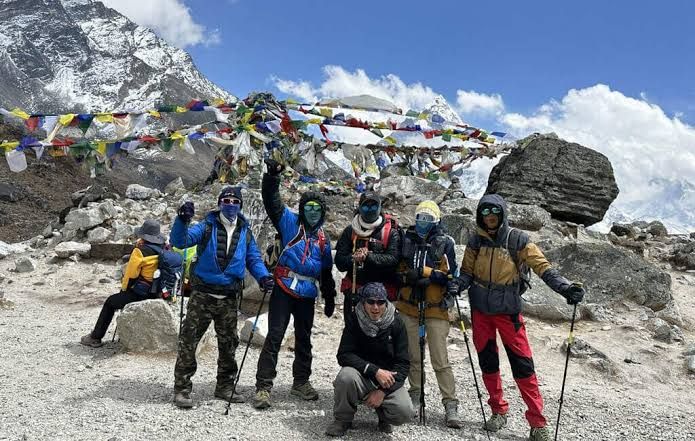
For individuals from low altitudes venturing into high-altitude environments, understanding and adhering to the principles of acclimatization is paramount for safety and success.
- Principle 1: Gradual Ascent (“Climb High, Sleep Low”)
- The most crucial principle is to ascend slowly, allowing the body sufficient time to undergo the necessary physiological adjustments. A common guideline is to avoid ascending more than 300-500 meters (1,000-1,500 feet) per day above 2,500-3,000 meters (8,000-10,000 feet).
- Incorporate rest days for every 1,000 meters (3,000 feet) climbed, or every 2-3 days.
- The “climb high, sleep low” strategy involves ascending to a higher altitude during the day for activity but descending to a slightly lower altitude to sleep. This exposes the body to a greater hypoxic stimulus during activity while allowing it to recover in a less extreme environment, promoting more effective acclimatization.
- Principle 2: Hydration and Nutrition
- Stay Well Hydrated: High altitudes promote increased fluid loss through respiration (due to hyperventilation) and increased urination (altitude diuresis). Dehydration can worsen altitude sickness symptoms. Drink plenty of fluids (water, dilute juices, clear soups) and avoid excessive caffeine and alcohol, which can act as diuretics.
- Maintain Adequate Caloric Intake: The body expends more energy at altitude due to increased breathing and metabolic demands. Consume a high-carbohydrate diet, as carbohydrates are a more oxygen-efficient fuel source than fats or proteins.
- Principle 3: Listen to Your Body and Recognize Symptoms
- Be vigilant for symptoms of Acute Mountain Sickness (AMS), which typically include headache, nausea, fatigue, dizziness, and difficulty sleeping. These are common and usually mild.
- Do not ignore worsening symptoms or signs of more severe conditions like High Altitude Cerebral Edema (HACE) – characterized by severe headache, altered mental status, confusion, and ataxia (loss of coordination) – or High Altitude Pulmonary Edema (HAPE) – characterized by shortness of breath at rest, persistent cough, and chest tightness.
- Descent is the definitive treatment for severe altitude sickness. Never ascend higher if symptoms are worsening.
- Principle 4: Avoid Overexertion Early On
- Physical activity should be kept light for the first 24-48 hours at a new altitude to allow the body to adjust. Gradually increase activity levels as acclimatization progresses.
- Principle 5: Avoid Alcohol and Sedatives
- Alcohol and many sedatives (including some sleeping pills) depress the respiratory drive, which is counterproductive to the body’s primary acclimatization response (hyperventilation). This can worsen nocturnal hypoxemia and altitude sickness.
- Principle 6: Individual Variability
- Acclimatization is a highly individual process. Factors such as age, fitness level, and previous high-altitude experience can influence the rate of acclimatization, but none guarantee immunity from altitude sickness. Prior experience does not mean one will acclimatize the same way on subsequent trips.
Conclusion
The body’s ability to acclimatize to low oxygen environments is a testament to its remarkable physiological plasticity. From the immediate cardiopulmonary adjustments to the intricate genetic adaptations seen in high-altitude native populations, the goal remains the same: to ensure adequate oxygen delivery and utilization for survival and optimal functioning. Understanding these complex mechanisms and adhering to sound principles of acclimatization are not merely academic exercises but essential practices for anyone venturing into the world’s magnificent, yet challenging, high-altitude regions. Respecting this fundamental biological process is key to a safe and successful experience.