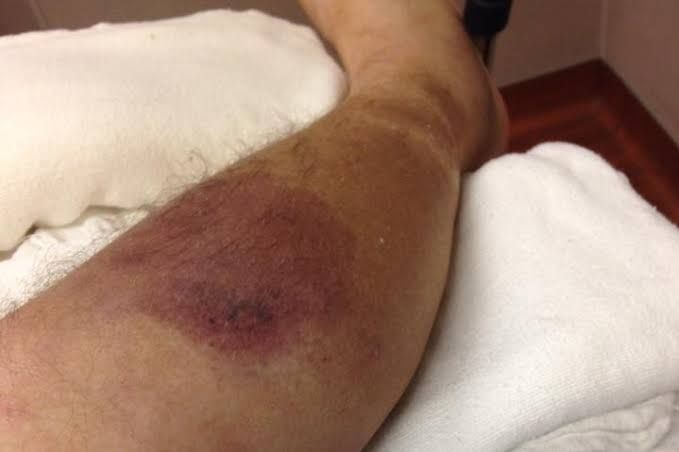
Necrotizing soft tissue infections are life-threatening conditions involving the rapid destruction of soft tissues. Their hallmark is the disproportionate severity of tissue necrosis compared to superficial skin findings, often leading to rapid systemic toxicity and multi-organ failure. Early recognition, definitive surgical intervention, and appropriate antimicrobial therapy are paramount for patient survival.
(a) Necrotizing Fasciitis (NF)
Necrotizing Fasciitis is the most common and widely recognized form of NSTI, characterized by a rapidly spreading infection along the fascial planes, leading to extensive tissue necrosis, particularly of the superficial fascia. The overlying skin, subcutaneous tissue, and muscle may also be involved secondarily.
Identification and Classification
Necrotizing fasciitis is classified into several types based on the causative microorganisms:
- Type I (Polymicrobial): The most common type, accounting for 70-80% of cases. It typically involves a synergistic infection of at least one anaerobic bacterium (e.g., Bacteroides fragilis, Clostridium species) and one or more facultative anaerobic bacteria (e.g., Streptococcus species other than Group A, Staphylococcus aureus, Enterobacteriaceae like Escherichia coli, Klebsiella, Proteus, Pseudomonas). This type often occurs in individuals with underlying comorbidities like diabetes, peripheral vascular disease, or immunosuppression.
- Type II (Monomicrobial): Primarily caused by Group A Streptococcus (Streptococcus pyogenes), often producing potent exotoxins (e.g., SpeA, SpeB) that act as superantigens, leading to severe systemic inflammatory response syndrome (SIRS) and streptococcal toxic shock syndrome (STSS). Staphylococcus aureus (especially Methicillin-resistant Staphylococcus aureus – MRSA) is another significant monomicrobial cause. This type can affect healthy individuals.
- Type III (Vibrio vulnificus): Less common, associated with exposure to contaminated seawater or consumption of raw seafood, particularly in individuals with chronic liver disease.
- Type IV (Fungal): Rare, primarily seen in severely immunocompromised patients, often caused by Candida or Zygomycetes species.
Pathophysiology
The pathophysiology of necrotizing fasciitis involves a rapid cascade of events:
- Bacterial Entry and Proliferation: Bacteria enter through a breach in the skin (e.g., minor trauma, surgery, insect bite, injection site). They proliferate rapidly, especially in areas of pre-existing tissue damage or compromised circulation.
- Enzyme and Toxin Production: The invading bacteria produce a variety of enzymes (e.g., hyaluronidase, collagenase, lecithinase) and toxins (e.g., cytotoxins, hemolysins, exotoxins, superantigens). These substances facilitate the rapid spread of infection along the relatively avascular fascial planes and cause direct tissue damage.
- Vascular Thrombosis and Ischemia: Bacterial proliferation and the host inflammatory response lead to severe inflammation, edema, and microvascular thrombosis within the subcutaneous tissue and fascia. This compromises the blood supply, leading to localized tissue ischemia and necrosis. The thrombosed vessels further create an anaerobic environment, favoring the growth of anaerobic bacteria.
- Gas Formation: Some bacteria, particularly anaerobes and certain Enterobacteriaceae, produce gas (e.g., carbon dioxide, hydrogen, nitrogen) as a byproduct of metabolism. This gas dissects through tissue planes, contributing to crepitus.
- Systemic Inflammatory Response: The release of bacterial toxins and host inflammatory mediators (cytokines) triggers a profound systemic inflammatory response, leading to SIRS, sepsis, septic shock, and multi-organ dysfunction syndrome (MODS).
Causative Microorganisms
As described above, the primary microorganisms include:
- Polymicrobial (Type I): Anaerobes (Bacteroides fragilis, Clostridium spp.) and facultative anaerobes (Streptococcus spp. [non-Group A], Staphylococcus aureus, E. coli, Klebsiella, Proteus, Pseudomonas).
- Monomicrobial (Type II): Group A Streptococcus (Streptococcus pyogenes), Staphylococcus aureus (including MRSA).
- Other: Vibrio vulnificus, Aeromonas hydrophila, Fungi (rare).
Clinical Picture
The clinical presentation evolves rapidly:
- Early Signs (0-24 hours): Often deceptively benign. Intense pain disproportionate to visible skin changes is a classic early symptom. Erythema, warmth, and swelling may be present but are non-specific. Flu-like symptoms (fever, malaise, chills) may occur.
- Progressive Signs (24-72 hours): The affected skin becomes red, swollen, and shiny, progressing to a dusky, purplish, or bronze discoloration. Bullae (blisters) filled with clear, yellow, or hemorrhagic fluid may appear. Crepitus (a crackling sensation upon palpation due to gas in tissues) may be present. The area may become anesthetic due to nerve destruction.
- Late Signs (>72 hours): Frank skin necrosis develops, appearing black or gangrenous. Tissue sloughs off, revealing underlying necrotic fascia. Systemic signs of sepsis become prominent, including high fever, tachycardia, hypotension, altered mental status, and signs of organ failure (e.g., acute kidney injury).
Indicated Treatment
Treatment for necrotizing fasciitis is a medical emergency and requires a multi-pronged approach:
- Surgical Debridement: This is the cornerstone of treatment and must be performed immediately. All necrotic tissue, including skin, subcutaneous fat, and fascia, must be aggressively excised until healthy, bleeding tissue is reached. Multiple, often daily, debridements are typically required.
- Broad-Spectrum Antibiotics: Empirical intravenous antibiotic therapy should be initiated immediately to cover Gram-positive (including MRSA), Gram-negative, and anaerobic bacteria. Common regimens include a carbapenem (e.g., meropenem, imipenem) or a beta-lactam/beta-lactamase inhibitor (e.g., piperacillin-tazobactam) combined with clindamycin and vancomycin (or daptomycin for MRSA concern). Clindamycin is crucial for its antitoxin effects, especially in Group A Streptococcus infections.
- Supportive Care: Aggressive fluid resuscitation, vasopressors to maintain blood pressure, ventilatory support if needed, and management of organ dysfunction are critical. Nutritional support is also important.
- Hyperbaric Oxygen Therapy (HBOT): While controversial as a primary treatment, HBOT can be a valuable adjunctive therapy. It works by increasing tissue oxygenation, which inhibits anaerobic bacterial growth (like Clostridium), enhances antibiotic efficacy, and promotes wound healing.
- Reconstructive Surgery: Once the infection is controlled and wounds are clean, skin grafting or other reconstructive procedures may be necessary.
(b) Clostridial Gas Gangrene (Clostridial Myonecrosis)
Clostridial gas gangrene is a highly virulent and rapidly progressive NSTI primarily affecting muscle tissue. It is characterized by severe muscle necrosis and the production of gas within the tissues.
Identification
Clostridial gas gangrene (myonecrosis) typically occurs after traumatic injuries (e.g., penetrating wounds, crush injuries, compound fractures) or surgical procedures where Clostridium spores are introduced into deep, devitalized tissues with poor blood supply, creating an anaerobic environment. Non-traumatic spontaneous myonecrosis can occur in patients with underlying malignancies or neutropenia, often due to Clostridium septicum.
Pathophysiology
- Anaerobic Environment and Spore Germination: Clostridium species are obligate anaerobes. When spores are introduced into an anaerobic, low-redox potential environment (e.g., ischemic or necrotic tissue), they germinate into vegetative forms.
- Toxin Production: The vegetative cells rapidly multiply and produce an array of potent exotoxins that are highly destructive. The most critical toxins include:
- Alpha-toxin (Lecithinase C): The primary virulence factor of Clostridium perfringens. It is a phospholipase that hydrolyzes lecithin in cell membranes, leading to red blood cell lysis (hemolysis), platelet aggregation hindrance, and direct damage to muscle cells, capillaries, and other tissues. This causes widespread necrosis and promotes rapid spread.
- Theta-toxin (Perfringolysin O): A pore-forming toxin that creates holes in cell membranes, contributing to cell lysis and increasing vascular permeability.
- Other Enzymes: Collagenase, hyaluronidase, DNase, and proteases contribute to tissue breakdown and spread.
- Gas Production: As Clostridium metabolizes carbohydrates in the muscle tissue, it ferments them to produce gases (primarily hydrogen and carbon dioxide). This gas accumulates within the muscle fibers and fascial planes, causing crepitus and further dissecting tissues, impairing blood flow.
- Rapid Progression: The combination of direct muscle destruction, vascular thrombosis, gas formation, and systemic toxemia leads to an extremely rapid progression, often causing profound shock and death within hours if untreated.
Causative Microorganisms
- Clostridium perfringens: Accounts for 80-90% of cases.
- Clostridium novyi, Clostridium septicum, Clostridium histolyticum: Less common but can also cause gas gangrene. C. septicum is infamous for causing spontaneous gas gangrene, particularly in patients with undiagnosed colonic malignancies.
Clinical Picture
The onset is typically abrupt and rapid:
- Extreme Pain: Often disproportionate to initial findings, rapidly worsening over hours.
- Rapid Swelling: The affected limb or area becomes rapidly swollen and tense.
- Skin Changes: The skin progresses from pale to dusky, bronze, or purplish, and then to a characteristic “bronze skin” appearance with necrotic bullae.
- Crepitus: Palpable gas is a hallmark sign, often extensive.
- Foul-Smelling Exudate: A thin, brownish, “dishwater” fluid or serosanguinous discharge with a sweet, pungent, or “mousy” odor may be present.
- Systemic Toxicity: Patients rapidly develop signs of severe toxemia: high fever, tachycardia, profound hypotension, diaphoresis, mental obtundation, and shock. Hemolysis can lead to anemia and jaundice.
Indicated Treatment
Clostridial gas gangrene demands immediate and aggressive intervention:
- Immediate and Radical Surgical Debridement: This is the most crucial step. All affected muscle and necrotic tissue must be excised without delay. Amputation of the affected limb may be necessary and life-saving.
- High-Dose Intravenous Antibiotics: Penicillin G is the antibiotic of choice for Clostridium species due to their high susceptibility. It should be administered in very high doses. Clindamycin is frequently added to inhibit toxin production.
- Hyperbaric Oxygen Therapy (HBOT): HBOT is a highly effective adjunctive treatment for clostridial myonecrosis. The high partial pressure of oxygen directly inhibits the growth and toxin production of anaerobic Clostridium and aids in tissue preservation.
- Supportive Care: Aggressive fluid resuscitation, blood transfusions (due to hemolysis), vasopressors, and management of multi-organ failure.
(c) Fournier’s Gangrene
Fournier’s gangrene is a rapidly progressive, polymicrobial necrotizing fasciitis of the perineum, genitalia, and perianal regions. While historically thought to primarily affect males, it can occur in females and children.
Identification
Fournier’s gangrene is a subtype of necrotizing fasciitis specific to the genitourinary and perianal areas. It is characterized by thrombosis of subcutaneous vessels, leading to necrosis of the skin and subcutaneous tissues of the external genitalia and perineum, with rapid spread along fascial planes.
Pathophysiology
- Portal of Entry: The infection typically originates from a local source in the perineum or genitourinary tract, such as:
- Perirectal abscesses, anal fissures, diverticulitis (most common).
- Urinary tract infections, urethral strictures, periurethral gland infections.
- Cutaneous infections, trauma, insect bites, surgical wounds in the area.
- Polymicrobial Synergy: Fournier’s gangrene is almost always polymicrobial. Aerobic bacteria consume oxygen, creating an anaerobic environment that facilitates the growth and virulence of anaerobic bacteria. This synergistic action leads to:
- Enzyme Production: Bacteria produce collagenase, hyaluronidase, and lecithinase, which cause rapid tissue breakdown and spread.
- Gas Production: Gas-forming bacteria contribute to crepitus.
- Vascular Thrombosis: The intense inflammation and bacterial toxins cause endarteritis and thrombosis of the subcutaneous arterioles, leading to ischemia and necrosis of the overlying skin and subcutaneous tissue. This is crucial for the rapid progression, as blood supply is cut off.
- Rapid Fascial Spread: The infection spreads rapidly along the fascial planes of the perineum (e.g., Colles’ fascia, Dartos fascia, Scarpa’s fascia), capable of extending to the abdominal wall, retroperitoneum, or thigh.
Causative Microorganisms
Fournier’s gangrene is typically polymicrobial, involving a combination of:
- Gram-positive aerobes: Staphylococcus aureus, Streptococcus species.
- Gram-negative aerobes: Escherichia coli, Klebsiella species, Pseudomonas aeruginosa, Proteus mirabilis.
- Anaerobes: Bacteroides fragilis, Clostridium species.
Clinical Picture
The clinical presentation can initially be subtle:
- Early Signs: Pain, tenderness, and swelling in the perineal or scrotal region are common. Erythema may be present. Patients may report itching or discomfort.
- Progressive Signs: Rapidly worsening pain and swelling. The skin of the genitalia or perineum becomes dusky, purplish, or bronze, often with edematous, tense, and blistered areas. Bullae (often hemorrhagic) appear. Crepitus may be palpable due to gas formation. A foul-smelling “dishwater” discharge may be present. The area may become numb due to nerve destruction.
- Systemic Signs: As the infection progresses, patients develop signs of sepsis, including high fever, chills, tachycardia, hypotension, and altered mental status. Testicular involvement is rare due to a separate blood supply.
Indicated Treatment
Treatment for Fournier’s gangrene requires aggressive and multidisciplinary management:
- Urgent and Extensive Surgical Debridement: This is the cornerstone of treatment. All necrotic tissue, including skin and subcutaneous fat, must be aggressively excised until healthy, bleeding tissue is encountered. Repeat debridements are often necessary every 12-24 hours until the infection is controlled. In severe cases, orchiectomy may be required if testicular integrity is compromised, though this is rare.
- Broad-Spectrum Antibiotics: Empirical intravenous antibiotic therapy must cover Gram-positive, Gram-negative, and anaerobic bacteria. Common regimens include a carbapenem (e.g., imipenem-cilastatin, meropenem) or a combination of piperacillin-tazobactam with vancomycin (or daptomycin) and clindamycin. Antibiotics should be tailored based on culture results once available.
- Supportive Care: Aggressive fluid resuscitation, vasopressors for shock, nutritional support (often total parenteral nutrition due to extensive wounds), and management of organ dysfunction are critical.
- Diversion of Fecal/Urinary Tract: If the source of infection is perirectal or associated with a severe anal/rectal injury, a diverting colostomy or loop ileostomy may be necessary to prevent further fecal contamination of the wound. Similarly, a suprapubic catheter may be considered for urinary diversion.
- Wound Management and Reconstruction: After multiple debridements and infection control, wounds are often left open to heal by secondary intention or managed with vacuum-assisted closure (VAC) devices. Skin grafting or flap reconstruction may be necessary for large tissue defects once the wounds are clean and granulated.
Conclusion
Necrotizing soft tissue infections, including necrotizing fasciitis, clostridial gas gangrene, and Fournier’s gangrene, represent some of the most challenging and lethal infectious diseases. Their rapid progression from seemingly minor infections to life-threatening conditions underscores the critical importance of high clinical suspicion, prompt diagnosis, and immediate, aggressive intervention. The cornerstones of management for all NSTIs consistently involve urgent and extensive surgical debridement, appropriate broad-spectrum antimicrobial therapy, and comprehensive supportive care. Delay in any of these components significantly increases morbidity, the need for extensive tissue resection (including amputation), and mortality. Continuous vigilance and a multidisciplinary approach are essential for improving outcomes in these devastating infections.